Sticky Rice vs White Rice: A Comprehensive Comparison of Two Staple Grains
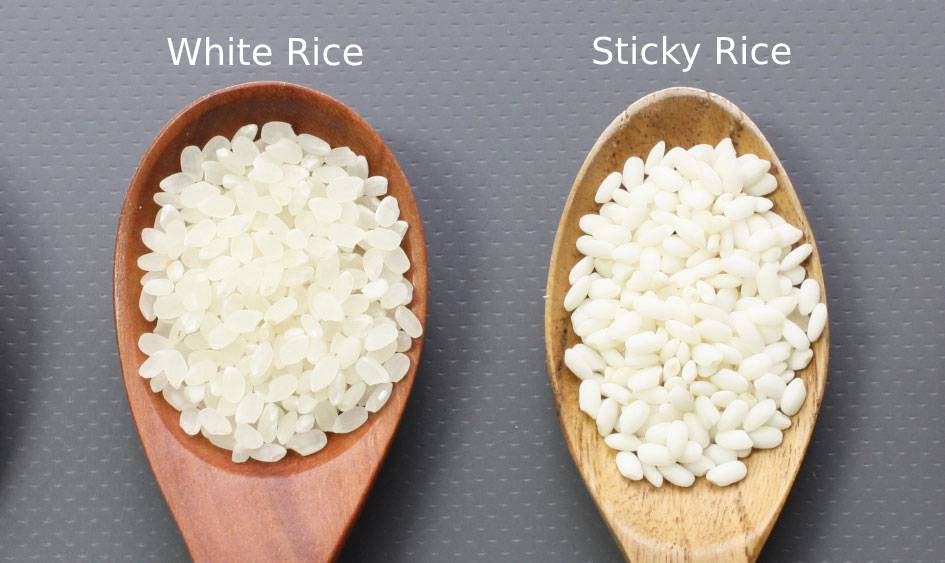
Rice is a cornerstone of diets worldwide, but not all rice is the same. Sticky rice vs white rice is a comparison that highlights distinct differences in texture, flavor, nutrition, and culinary uses. Sticky rice, known for its glutinous, chewy consistency, is a staple in Southeast Asian and East Asian cuisines, often used in dishes like sushi or mango sticky rice.
White rice, polished to remove its bran and germ, is a versatile, fluffy grain found in countless global recipes, from stir-fries to pilafs. This article delves into the difference between sticky rice and white rice, exploring their nutritional profiles, cooking methods, and cultural significance to determine which is better sticky rice or white rice for various needs.
What Is Sticky Rice? Understanding the Glutinous Grain
Sticky rice, also called glutinous rice or sweet rice, is a short-grain variety primarily grown in Southeast Asia, including Thailand, Laos, and Vietnam. Despite its name, it contains no gluten; the term “glutinous” refers to its glue-like, sticky texture when cooked. This stickiness comes from a high amylopectin content, a starch molecule that gives sticky rice its characteristic chewiness. Common varieties include Thai sticky rice and Japanese mochigome, used in mochi and sushi.
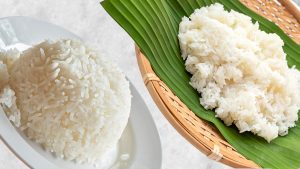
Sticky rice is typically soaked for hours before cooking, often steamed rather than boiled, to achieve its signature texture. Its ability to hold together makes it ideal for dishes where rice is molded, like sushi rolls or Chinese zongzi (rice dumplings). Culturally, sticky rice holds symbolic value in many Asian traditions, often served during festivals or special occasions.
What Is White Rice? The Polished Staple
White rice is rice that has been milled to remove its husk, bran, and germ, leaving a polished, white grain. This process gives it a milder flavor and fluffier texture compared to brown rice, but it also strips away some nutrients. White rice comes in various forms, including long-grain white rice (like basmati or jasmine), medium-grain, and short-grain, each with distinct textures and culinary uses.
Globally, white rice is a dietary staple, especially in Asia, Latin America, and the Caribbean. Its neutral flavor and versatility make it a go-to for dishes like fried rice, risotto, or as a side for curries. Unlike sticky rice, white rice is typically boiled or cooked in a rice cooker, requiring less preparation time.
Difference Between Sticky Rice and White Rice: A Side-by-Side Look
The difference between sticky rice and white rice spans several factors, including grain type, texture, preparation, and cultural roles. Here’s a breakdown:
- Grain Type: Sticky rice is a specific variety with high amylopectin, classified as glutinous. White rice encompasses a broad category, including long-grain (basmati, jasmine), medium-grain, and short-grain varieties, defined by milling rather than starch content.
- Texture: Sticky rice vs white rice texture is a key distinction. Sticky rice is chewy and clumps together, ideal for eating with hands or chopsticks. White rice, especially long-grain, is fluffy and separate, better suited for fork-friendly dishes.
- Preparation: Cooking sticky rice vs white rice differs significantly. Sticky rice requires soaking (4–12 hours) and is often steamed in a bamboo basket. White rice cooks quickly, typically boiled or steamed in 15–20 minutes.
- Culinary Uses: Sticky rice shines in dishes requiring cohesion, like sushi or desserts. White rice is more versatile, used in everything from pilafs to casseroles.
- Cultural Significance: Sticky rice is central to Southeast Asian traditions, often tied to rituals. White rice is a universal staple, with less ceremonial weight.
Sticky Rice vs Jasmine Rice: A Common Confusion
A frequent point of comparison is sticky rice vs jasmine rice, as both are popular in Asian cuisine. Jasmine rice, a type of long-grain white rice, originates from Thailand and is known for its floral aroma and slightly sticky texture when cooked. However, it’s not as glutinous as sticky rice. Jasmine rice has a balanced amylose-amylopectin ratio, making it softer and less chewy than sticky rice but stickier than other long-grain varieties like basmati.
In terms of use, jasmine rice is a go-to for Thai dishes like green curry, where its subtle stickiness complements sauces. Sticky rice, however, is preferred for dishes like Laotian larb or Thai mango sticky rice, where its moldable texture is essential. Nutritionally, jasmine rice and sticky rice are similar, though jasmine may retain slightly more nutrients due to less intensive milling.
Sticky Rice Nutrition vs White Rice: A Nutritional Breakdown
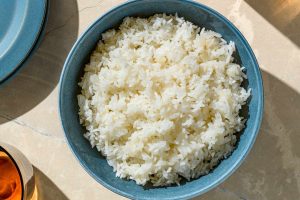
When comparing sticky rice nutrition vs white rice, both are primarily carbohydrate sources but differ slightly in nutrient content due to processing and grain type. Here’s a detailed look at their nutritional profiles per 1 cup (cooked, approximately 185–200 grams):
- Calories: Sticky rice vs white rice calories shows minor differences. Sticky rice has about 170–185 calories, while white rice (long-grain) has 200–205 calories. Short-grain white rice is closer to sticky rice at 180 calories.
- Carbohydrates: Both provide 35–40 grams of carbs, with sticky rice slightly lower due to its higher water absorption. Most carbs are starches, with minimal sugar.
- Protein: Sticky rice offers 3–3.5 grams of protein, while white rice provides 4–4.5 grams, a negligible difference.
- Fiber: Both are low in fiber (0.5–1 gram) since milling removes the bran. Sticky rice has slightly less due to its starch composition.
- Micronutrients: White rice is often enriched with iron, folate, and B vitamins to compensate for milling losses. Sticky rice is rarely enriched, so it may have lower levels of these nutrients unless fortified.
- Glycemic Index (GI): Sticky rice has a higher GI (85–90) than white rice (70–80), meaning it raises blood sugar faster due to its amylopectin content.
Is Sticky Rice Healthier Than White Rice?
The question is sticky rice healthier than white rice depends on dietary needs and context. Neither is inherently “healthier,” as both are refined grains with similar caloric and nutrient profiles. However, here are key considerations:
- Blood Sugar Impact: White rice, especially long-grain, has a lower GI, making it a better choice for managing blood sugar. Sticky rice’s high GI can cause quicker spikes, which may concern diabetics.
- Nutrient Enrichment: Enriched white rice often contains added vitamins and minerals, giving it a slight edge for those needing folate or iron. Sticky rice, unless fortified, lacks these additions.
- Digestibility: Sticky rice’s chewy texture may digest more slowly for some, potentially aiding satiety. However, its stickiness can feel heavy for others.
- Dietary Context: Sticky rice is often paired with nutrient-dense foods (e.g., mango, fish) in traditional dishes, which can enhance its overall health impact. White rice’s versatility means it’s paired with varied foods, healthy or not.
For most people, the which is better sticky rice or white rice debate comes down to preference and purpose. If blood sugar control is a priority, white rice (especially long-grain) may be preferable. For cultural dishes or specific textures, sticky rice is unmatched.
Sticky Rice vs Long Grain White Rice: Texture and Culinary Uses
Focusing on sticky rice vs long grain white rice, the differences in texture and application are stark. Long-grain white rice, like basmati or Carolina, has a high amylose content, resulting in fluffy, separate grains when cooked. This makes it ideal for dishes where rice should stand out, such as Indian biryani or Southern red beans and rice.
Sticky rice, with its high amylopectin, forms a cohesive, chewy mass, perfect for molding or eating by hand. In Southeast Asia, it’s often rolled into balls and dipped into sauces. The sticky rice vs white rice texture contrast means they’re rarely interchangeable. For example, using long-grain rice in sushi would result in a loose, crumbly roll, while sticky rice in a pilaf would clump unpleasantly.
Cooking Sticky Rice vs White Rice: Methods and Challenges
Cooking sticky rice vs white rice involves distinct techniques due to their starch content and grain structure. Here’s how they differ:
- Sticky Rice: Requires soaking for 4–12 hours to soften the grains, followed by steaming in a bamboo basket or cheesecloth-lined steamer for 20–30 minutes. This preserves its chewy, sticky texture. Boiling sticky rice is rare, as it can become mushy.
- White Rice: Cooks quickly with a 1:1.5 or 1:2 rice-to-water ratio, depending on the variety. Long-grain rice takes 15–20 minutes to boil or steam, while short-grain may need slightly more water for a softer texture. Rice cookers simplify the process.
- Challenges: Sticky rice demands more prep time and specialized equipment (e.g., a steamer). White rice is forgiving, but overcooking can make it mushy, especially for short-grain varieties.
How Sticky Rice Differs from Regular Rice: Beyond Texture
The question how sticky rice differs from regular rice extends beyond texture to processing, cultivation, and cultural roles. Sticky rice is a distinct cultivar (Oryza sativa var. glutinosa), grown in specific regions like Thailand’s Isan area. Its cultivation requires wet fields and careful harvesting, as it’s less hardy than other rice types.

Regular rice, a term often synonymous with white rice, includes a wider range of cultivars, from indica (long-grain) to japonica (short-grain). It undergoes milling to remove the bran, making it less nutrient-dense but longer-lasting. Sticky rice is milled minimally, retaining its starchy endosperm, which contributes to its stickiness.
Culturally, sticky rice is a symbol of community in Southeast Asia, often shared in communal meals. White rice, while universal, lacks the same ritualistic weight, serving as a daily staple rather than a ceremonial food.
Sticky Rice vs White Rice in Global Cuisines
Both sticky rice and white rice play starring roles in global cuisines, but their applications reflect their unique properties:
- Sticky Rice: In Thailand, it’s paired with mango and coconut milk for a sweet dessert. In Japan, it’s used for mochi and sushi. In China, sticky rice dumplings (zongzi) are a festival staple. Its ability to hold shapes makes it ideal for intricate dishes.
- White Rice: In India, basmati rice elevates biryanis and pulaos. In Latin America, medium-grain rice is used in arroz con pollo. In the U.S., long-grain rice is a side for Cajun jambalaya. Its fluffiness suits dishes where rice absorbs flavors.
Environmental and Economic Considerations
The production of sticky rice vs white rice also differs. Sticky rice is labor-intensive, requiring specific climates and traditional farming methods, which can make it pricier in non-native regions. White rice, especially long-grain, is mass-produced globally, making it more affordable and accessible.
Environmentally, both contribute to methane emissions from flooded paddies, but sticky rice’s smaller-scale cultivation may have a lower footprint in some regions. However, white rice’s extensive milling process consumes more energy, raising its environmental cost slightly.
FAQs About Sticky Rice vs White Rice
- What is the main difference between sticky rice and white rice?
Sticky rice is a glutinous variety with a chewy, sticky texture due to high amylopectin, while white rice is polished, fluffy, and includes long, medium, or short grains. - Is sticky rice healthier than white rice?
Neither is significantly healthier; both are refined grains. White rice may have a lower glycemic index and enriched nutrients, while sticky rice’s texture may aid satiety. - How does sticky rice vs jasmine rice compare?
Jasmine rice, a long-grain white rice, is aromatic and slightly sticky but less glutinous than sticky rice, which is chewier and used in molded dishes. - What are sticky rice vs white rice calories?
Sticky rice has about 170–185 calories per cup (cooked), while white rice ranges from 180–205 calories, depending on the grain type. - Which is better sticky rice or white rice for cooking?
Sticky rice is better for molded or sticky dishes like sushi; white rice is more versatile for fluffy, separate-grain recipes like pilafs. - How does cooking sticky rice vs white rice differ?
Sticky rice requires soaking and steaming, while white rice is boiled or steamed quickly with less prep. - What is the sticky rice vs white rice texture like?
Sticky rice is chewy and clumps together; white rice, especially long-grain, is fluffy and separate.
Conclusion on Sticky Rice vs White Rice
The sticky rice vs white rice debate reveals two grains with unique strengths, each suited to specific culinary and cultural roles. Sticky rice, with its chewy, glutinous texture, shines in Southeast Asian dishes like sushi and mango sticky rice, offering a moldable consistency that’s unmatched. White rice, versatile and fluffy, is a global staple, perfect for everything from biryanis to fried rice.
Nutritionally, they’re similar, though white rice’s lower glycemic index and enrichment give it a slight edge for some diets. The difference between sticky rice and white rice lies in texture, preparation, and tradition, making the choice depend on your dish, taste, and nutritional goals. Whether you’re savoring the communal joy of sticky rice or the universal comfort of white rice, both grains enrich our plates and cultures in their own way.