The Ultimate Guide to Tape Data Restore: Ensuring Your Data’s Safety
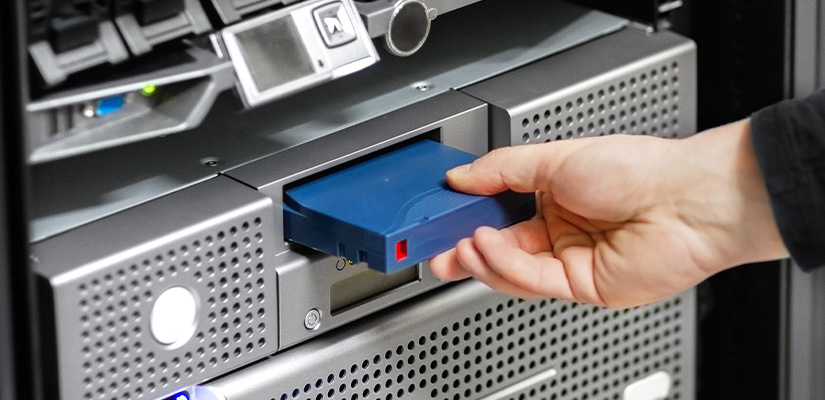
In today’s ever-evolving technological landscape, the methods by which data is stored and retrieved continue to advance, yet tape storage remains a viable option for many organizations. To ensure the longevity and safety of data archived in tapes, understanding the process of tape data restore is crucial for businesses aiming to secure their informational assets. This guide will explore the fundamental aspects of tape data restoration, emphasising its importance in data management strategies.
The Significance of Tape Storage
Tape storage has long been a foundational technology in data archiving, praised for its cost-effectiveness and capacity for long-term storage. Tapes offer advantages in storing large volumes of data at relatively low costs compared to other media. Despite the advent of cloud storage solutions, tapes continue to play a critical role in data preservation strategies, particularly where large-scale archiving is concerned.
Understanding Tape Data Restore
Tape data restoration involves retrieving data from magnetic tape media to make it accessible and utilizable once more. This process becomes essential when companies need to recover historical data for compliance purposes, disaster recovery, or migrating data to modern storage systems. A meticulously executed tape data restore plan is integral in maintaining continuity and ensuring valuable information is not lost.
Challenges of Tape Data Restore
While tape storage offers many benefits, restoring data from tapes can pose several challenges. Physical degradation over time, compatibility issues with modern systems, and the specialised expertise required to operate tape drives are common hurdles. Therefore, organisations must weigh these factors when planning their data restore operations.
Ensuring Data Integrity and Security
Maintaining data integrity during a tape data restore operation is paramount. It involves verifying that data is exact and uncorrupted post-restoration. Advanced error-checking methods and encryption can help ensure that data remains secure and unchanged throughout the restoration process.
The Role of Professional Tape Restoration Services
Given the complexities involved in tape data restore, many organisations opt for professional services to handle their restoration needs. These services offer the expertise required to navigate the intricacies of different tape formats, ensuring that data is retrieved accurately and efficiently without compromising security.
Future-Proofing Your Data Storage
Investing in regular updates and maintenance for your data storage infrastructure is critical. Incorporating a comprehensive tape data restore plan is part of a broader strategy to ensure that your archived materials remain accessible over time. Future-proofing your data storage requires understanding the latest advancements and how they impact the archival landscape.
Key Technologies in Tape Restoration
Current technologies such as linear tape-open (LTO) systems aid in more efficient and reliable tape data restore processes. Utilising the latest tape technology can facilitate a seamless restoration experience while supporting substantial data throughput and enhanced error correction capabilities.
Migration to Digital Formats
To mitigate some challenges related to tape data restore, businesses may choose to migrate archival data to digital formats. This not only simplifies data access but also complements modern cloud storage solutions, ensuring data is backed up and better protected against potential data loss scenarios.
Compliance and Regulatory Considerations
Organisations often face stringent regulatory requirements concerning data retention and restore. Understanding sector-specific compliance requirements is crucial in developing a tape data restore strategy that aligns with legal obligations, thereby safeguarding your organisation against potential legal repercussions.
Benefits of Regular Tape Maintenance
Regular maintenance of tape storage systems can extend the life of tapes and improve the reliability of future data restores. Organisations should establish a maintenance routine that includes regular inspection, cleaning of tape drives, and timely migration to contemporary tape iterations to mitigate risks.
Customising Your Restore Solution
Every organisation has unique data restoration requirements. Tailoring a tape data restore solution to fit specific operational needs is essential in ensuring efficiency and efficacy. This involves selecting the right tools and technologies that align with the organisational infrastructure and future goals.
Cost Implications
Cost is a significant consideration in the restore process. Balancing the expenses associated with tape restoration against its benefits is necessary for organisations aiming to maintain efficient budget allocation. Professional restoration services can offer cost-effective solutions tailored to specific data volumes and types.
Conclusion
In conclusion, a robust tape data restore plan is essential for securing data archived on tape media. By understanding the intricacies involved in the restoration process, organisations can ensure that their data remains safe, intact, and accessible, supporting long-term data preservation and compliance efforts. Whether through leveraging professional services or utilising advanced technologies, businesses must remain proactive in their data restore methodologies to support operational continuity in an ever-dynamic technological environment.