Tzatziki While Pregnant: A Guide to Safety and Enjoyment
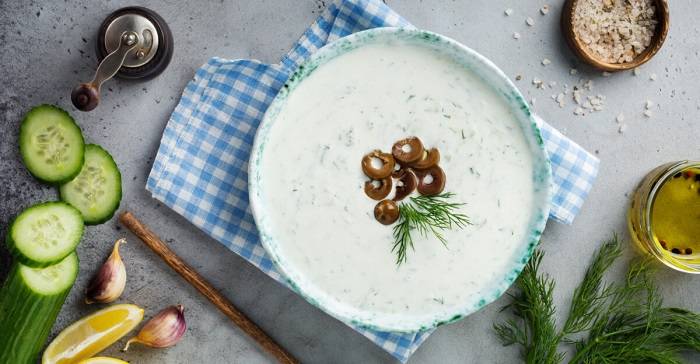
Tzatziki while pregnant is a topic of interest for expectant mothers who love this creamy, tangy Greek dip but want to ensure it’s safe for their baby. Made with Greek yogurt, cucumber, garlic, dill, and olive oil, tzatziki is a staple in Mediterranean cuisine, often served with pita bread or grilled meats. The question can you eat tzatziki when pregnant hinges on the ingredients and preparation methods, as pregnancy requires caution with certain foods to avoid risks like foodborne illnesses.
As of May 10, 2025, tzatziki pregnancy safety is generally high when made with pasteurized ingredients and proper hygiene, making it a pregnancy-safe dip for most women. This article explores is tzatziki safe during pregnancy, its benefits, potential risks, and tips for enjoying it while expecting.
Understanding Tzatziki and Its Ingredients
Tzatziki is a refreshing dip or sauce originating from Greece, known for its cool, garlicky flavor and smooth texture. Its core ingredients include Greek yogurt, grated cucumber, garlic, fresh dill or mint, olive oil, lemon juice, and salt. For pregnant women asking is tzatziki okay for pregnancy, the safety depends on these components.
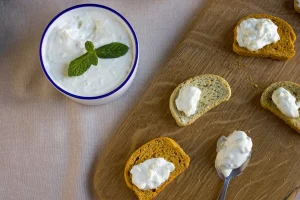
Greek yogurt, typically made from pasteurized milk, is a safe and nutritious base, rich in protein, calcium, and probiotics that support digestion. Cucumbers and herbs are low-risk, but garlic and other seasonings must be fresh and properly stored to avoid contamination. Understanding the ingredients is the first step in assessing tzatziki sauce during pregnancy.
Can You Eat Tzatziki When Pregnant?
The question can you eat tzatziki when pregnant has a reassuring answer: yes, in most cases, tzatziki is safe if prepared with pasteurized ingredients and proper food safety practices. Greek yogurt tzatziki while pregnant is generally fine because commercial yogurt in the United States is made from pasteurized milk, eliminating the risk of listeria, a bacteria dangerous to pregnant women.
Cucumbers, dill, and olive oil pose minimal risks when washed and stored correctly. However, homemade or restaurant-made tzatziki requires scrutiny to ensure all ingredients are safe and the dip is fresh, addressing concerns about eating tzatziki while expecting.
Is Tzatziki Safe During Pregnancy?
Is tzatziki safe during pregnancy depends on preparation and sourcing. Tzatziki pregnancy safety is high when the dip is made with pasteurized Greek yogurt, fresh vegetables, and herbs that are thoroughly washed. Pregnant women should avoid tzatziki made with unpasteurized dairy, as it may harbor listeria or other pathogens.
Store-bought tzatziki sauce during pregnancy is often a safer bet, as reputable brands use pasteurized ingredients and follow strict safety standards. For homemade versions, use fresh ingredients and refrigerate the dip promptly to prevent bacterial growth, ensuring tzatziki remains a pregnancy-safe dip.
Nutritional Benefits of Tzatziki While Pregnant
Tzatziki while pregnant offers nutritional perks that make it a smart choice for expectant mothers. Greek yogurt, the primary ingredient, is packed with protein (about 10 grams per 100 grams), essential for fetal growth and maternal health. It’s also high in calcium, supporting bone development for both mother and baby.
Probiotics in Greek yogurt tzatziki while pregnant promote gut health, which can help with pregnancy-related digestive issues like constipation. Cucumbers add hydration and fiber, while olive oil provides healthy fats. These benefits make tzatziki a nutritious addition to safe Mediterranean foods in pregnancy, provided it’s prepared safely.
Potential Risks of Tzatziki During Pregnancy
While tzatziki is generally safe, there are risks to consider, especially for pregnant women asking what to avoid in tzatziki while pregnant. The biggest concern is unpasteurized dairy, which can carry listeria, a bacteria linked to miscarriage or preterm labor.
Homemade tzatziki made with raw or undercooked garlic or herbs stored improperly may also pose a risk of bacterial contamination, such as salmonella. Cross-contamination from unwashed cucumbers or unsanitary preparation surfaces is another issue. Pregnant women should also avoid tzatziki left out at room temperature for too long, as it can spoil quickly, compromising tzatziki pregnancy safety.
Pregnancy-Safe Dips: How Tzatziki Compares
Pregnancy-safe dips like tzatziki are popular among expectant mothers craving flavorful, healthy snacks. Compared to other dips, tzatziki stands out for its nutrient-dense profile and low risk when made with pasteurized ingredients. For example:
- Hummus: Safe if made with pasteurized tahini, rich in protein and iron.
- Guacamole: Safe with fresh ingredients, high in healthy fats but less protein than tzatziki.
- Cheese dips: Riskier if made with unpasteurized cheese, which may carry listeria.
Tzatziki is a top choice among pregnancy-safe dips due to its probiotic content and versatility, pairing well with veggies or whole-grain pita, making it ideal for eating tzatziki while expecting.
Greek Yogurt Tzatziki While Pregnant: Why It’s a Win
Greek yogurt tzatziki while pregnant is a standout because Greek yogurt is a powerhouse ingredient for expectant mothers. Its high protein content supports tissue development, while calcium strengthens bones. Probiotics in Greek yogurt may boost immunity and reduce the risk of gestational diabetes by improving gut health.
Unlike some creamy dips that rely on sour cream or mayonnaise, tzatziki is lighter, with fewer calories and more nutrients. For pregnant women wondering is tzatziki okay for pregnancy, choosing Greek yogurt-based tzatziki from trusted sources or making it at home with pasteurized yogurt ensures safety and maximizes benefits.
Tzatziki Sauce During Pregnancy: Store-Bought vs. Homemade
Tzatziki sauce during pregnancy comes in two forms: store-bought and homemade, each with pros and cons. Store-bought tzatziki from reputable brands is typically made with pasteurized Greek yogurt and follows strict food safety guidelines, making it a convenient, low-risk option.
Check labels for pasteurization and avoid products with artificial additives if you prefer natural ingredients. Homemade tzatziki, while customizable, requires careful ingredient selection—use pasteurized yogurt, fresh cucumbers, and washed herbs. Store homemade tzatziki in the fridge and consume within 2-3 days to maintain tzatziki pregnancy safety.
Safe Mediterranean Foods in Pregnancy: Tzatziki’s Place
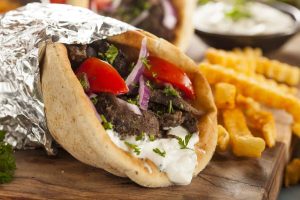
Safe Mediterranean foods in pregnancy include nutrient-rich options like tzatziki, which fits perfectly into the Mediterranean diet’s focus on whole foods, healthy fats, and lean proteins. Other safe choices include:
- Grilled fish: Rich in omega-3s, but avoid high-mercury fish like swordfish.
- Lentil soup: High in fiber and iron, safe when cooked thoroughly.
- Fresh salads: Safe with washed vegetables and pasteurized dressings.
Tzatziki complements these foods as a dip or sauce, enhancing dishes like grilled chicken or veggie wraps. Its probiotic content aligns with the diet’s gut-health benefits, making it a go-to for pregnant women embracing safe Mediterranean foods in pregnancy.
What to Avoid in Tzatziki While Pregnant
Knowing what to avoid in tzatziki while pregnant is crucial for safety. Key risks include:
- Unpasteurized dairy: Check that Greek yogurt is pasteurized to avoid listeria.
- Raw or old garlic: Use fresh garlic and avoid pre-minced versions that may harbor bacteria.
- Unwashed vegetables: Wash cucumbers thoroughly to remove dirt or pesticides.
- Improper storage: Refrigerate tzatziki at or below 40°F and don’t leave it out for more than 2 hours.
Avoid tzatziki from buffets or delis where freshness is uncertain, as improper handling increases contamination risks. By addressing these concerns, pregnant women can enjoy tzatziki while pregnant with confidence.
Tips for Enjoying Tzatziki Safely During Pregnancy
To ensure tzatziki pregnancy safety, follow these tips:
- Choose pasteurized ingredients: Use Greek yogurt labeled as pasteurized and check store-bought tzatziki labels.
- Make it fresh: Prepare homemade tzatziki in small batches and consume within 2-3 days.
- Wash produce: Scrub cucumbers and rinse herbs under running water to eliminate bacteria.
- Store properly: Keep tzatziki refrigerated and discard if it smells off or develops mold.
- Pair with safe foods: Serve with cooked vegetables, grilled meats, or whole-grain pita for a balanced snack.
These practices make eating tzatziki while expecting both safe and enjoyable, letting pregnant women savor its flavor without worry.
Tzatziki in a Pregnancy Diet: Practical Ideas
Incorporating tzatziki while pregnant into a balanced diet is easy and delicious. Here are practical ideas:
- Veggie dip: Pair tzatziki with carrots, bell peppers, or zucchini for a nutrient-packed snack.
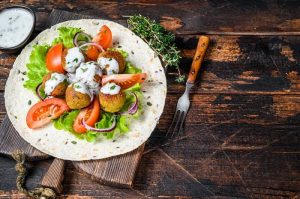
- Sandwich spread: Use tzatziki on a turkey or veggie wrap for added protein and flavor.
- Grilled meat topping: Drizzle tzatziki over chicken or lamb kebabs for a Mediterranean twist.
- Breakfast boost: Add a spoonful to a bowl of quinoa and roasted veggies for a savory start.
These options highlight tzatziki’s versatility as a pregnancy-safe dip, supporting a healthy diet while satisfying cravings for tangy, creamy flavors.
FAQs About Tzatziki While Pregnant
- Can you eat tzatziki when pregnant?
Yes, tzatziki is safe when made with pasteurized Greek yogurt and fresh, properly stored ingredients. - Is tzatziki safe during pregnancy?
Tzatziki pregnancy safety is high with pasteurized ingredients and proper hygiene, but avoid unpasteurized dairy or spoiled dip. - Is tzatziki okay for pregnancy?
Is tzatziki okay for pregnancy depends on using pasteurized Greek yogurt and fresh produce to avoid foodborne risks. - What makes Greek yogurt tzatziki safe while pregnant?
Greek yogurt tzatziki while pregnant is safe due to pasteurized yogurt, which eliminates listeria, and its probiotic benefits. - What are pregnancy-safe dips like tzatziki?
Pregnancy-safe dips include tzatziki, hummus, and guacamole, made with pasteurized or fresh ingredients. - What to avoid in tzatziki while pregnant?
Avoid unpasteurized dairy, raw garlic, unwashed vegetables, and improperly stored tzatziki to ensure safety. - Are safe Mediterranean foods in pregnancy like tzatziki beneficial?
Yes, safe Mediterranean foods in pregnancy like tzatziki offer protein, probiotics, and healthy fats for maternal and fetal health.
Conclusion on Tzatziki While Pregnant
Tzatziki while pregnant is a delicious and nutritious option for expectant mothers, provided it’s made with pasteurized Greek yogurt and fresh, properly handled ingredients. The question can you eat tzatziki when pregnant is met with a confident yes when safety precautions are followed, making tzatziki a standout among pregnancy-safe dips. Its protein, calcium, and probiotics support a healthy pregnancy, while its versatility enhances safe Mediterranean foods in pregnancy.
By avoiding risks like unpasteurized dairy or improper storage, as outlined in what to avoid in tzatziki while pregnant, women can enjoy tzatziki sauce during pregnancy without worry. In 2025, tzatziki remains a flavorful way to satisfy cravings, nourish the body, and celebrate the joy of expecting.