What Architecture Brings to a Garment
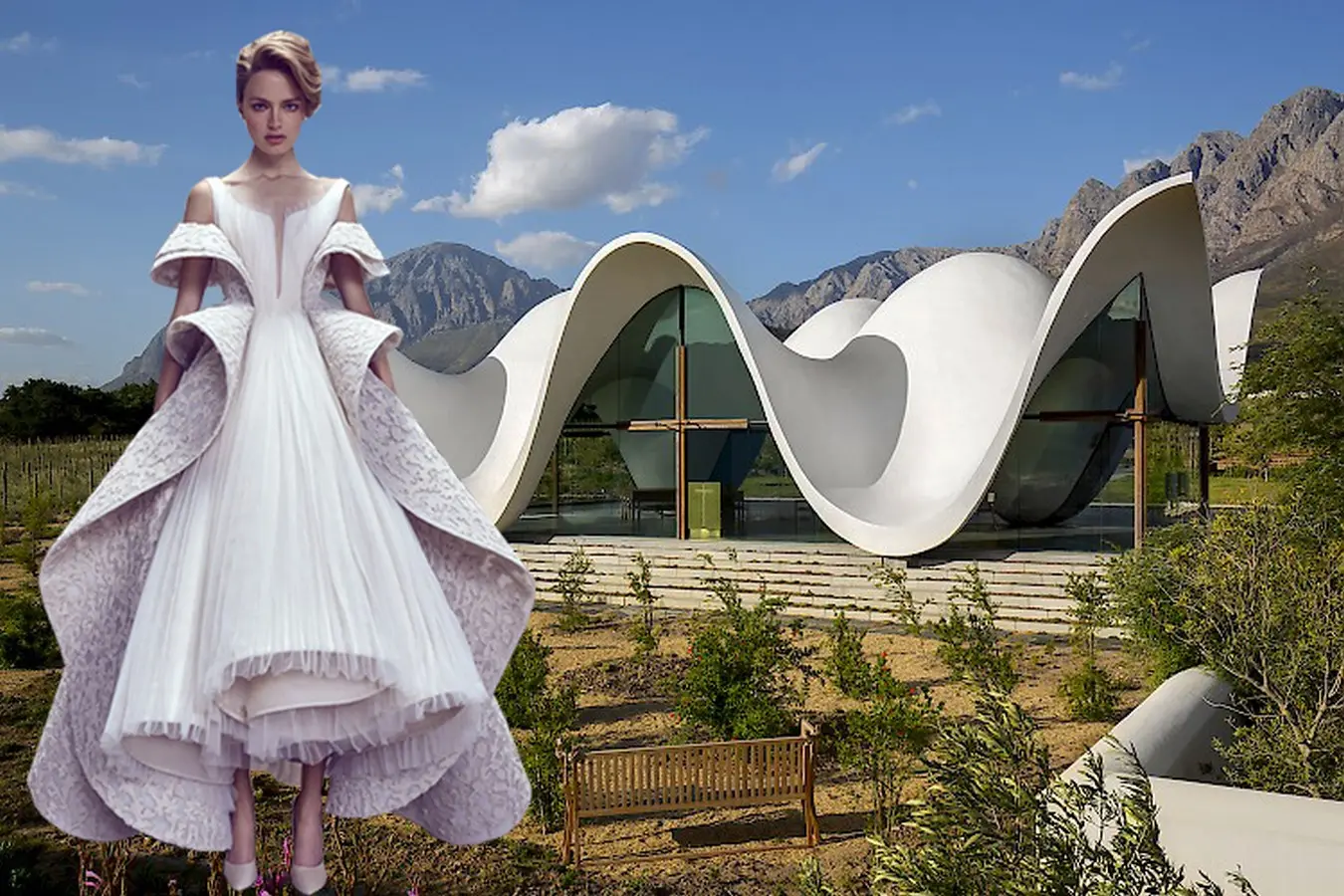
Fashion borrows from architecture more often than the reverse, and the borrowing is usually visual: a hard line, a dramatic volume, a silhouette that resembles a building. The deeper transfer happens in method. Houses like designer clothing SAGIO apply architectural thinking to construction itself, where geometry sets form, proportion and balance, and each line serves the structure of the garment.
Load, tension, resolution
An architect works with forces. Weight travels through a structure along predictable paths, and the design decides where it is carried, where it is released and where it is allowed to flex.
A garment behaves the same way. Fabric hangs from the shoulders and pulls downward, it takes tension at the waist, the bust and the hip, it needs release at the elbow, the knee and the shoulder blade. Pattern cutting is the discipline of directing those forces.
This is why a well-cut jacket stays comfortable through a long day. The construction anticipated where the body would move and gave it room there, and it anticipated where the shape needed holding and reinforced it accordingly.
Proportion as a working tool
Architects think in ratios before they think in dimensions. The relationship between a window and a wall matters more than either measurement alone.
Clothing works identically. The length of a jacket relative to the length of a skirt determines whether a silhouette reads as resolved. A hemline that falls at one point on the calf lengthens the leg, three centimetres lower it shortens it. These relationships hold across bodies and across decades, which is why proportion-led design ages slowly.
Volume and its contrasts
A designer trained in three dimensions treats volume as material. Fullness in a sleeve set against a narrow body, a wide trouser paired with a defined shoulder, a fluid skirt balanced by a structured top – each contrast produces tension, and tension is what makes a simple outfit hold interest.
The discipline lies in restraint. One contrast per outfit reads as intentional. Three compete, and the eye stops finding a focal point.
Structure that supports
The most useful idea architecture contributes is that structure exists to serve what happens inside it. A building supports the life within, a garment supports the body wearing it.
Applied properly, this produces clothing that enhances posture and permits movement, while respecting the natural diversity of the bodies it is made for. The structure carries the shape so the wearer carries herself.
How to recognise it
Look at where the seams run. Architectural cutting places them along structural lines – following the body’s natural divisions, meeting at angles that serve the shape. Decorative cutting places them for visual effect and lets the fabric’s stiffness supply the silhouette.
A second test: examine the garment from the side. Pieces designed in three dimensions resolve from every angle, since the pattern was developed on a form, in three dimensions, from the start.