What Are the Warning Signs of Roof Failure?
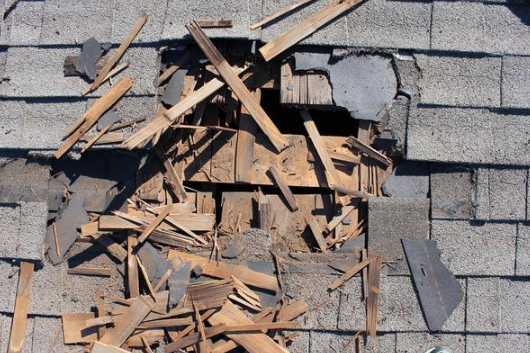
The warning signs of roof failure include persistent leaks, missing or damaged shingles, sagging areas, water stains inside the home, poor drainage, and visible wear that continues to worsen over time. Identifying these problems early can help homeowners avoid costly structural damage and determine whether repairs or a full roof replacement are needed.
Your roof is your home’s first line of defense against rain, wind, snow, and harsh sunlight. Although every roof experiences normal wear as it ages, certain signs indicate that it may be reaching the end of its lifespan. Recognizing these warning signs allows you to take action before small issues become major problems.
Many homeowners overlook subtle roofing problems until they result in interior damage or expensive repairs. Scheduling routine inspections and addressing concerns promptly can extend the life of your roof and protect your investment. Working with experienced professionals such as Worthmann Roofing & Gutters can help identify roofing issues early and recommend the most effective solution.
Frequent Roof Leaks
An occasional leak after severe weather may require a simple repair, but recurring leaks often signal more serious roofing problems.
Watch for signs such as:
- Water stains on ceilings
- Damp attic insulation
- Mold or mildew growth
- Peeling paint near the ceiling
- Dripping water during rainstorms
Ignoring leaks allows moisture to spread into insulation, framing, and drywall.
Missing, Cracked, or Curling Shingles
Shingles protect the underlying roofing materials from moisture and weather. As they age, they may crack, curl, loosen, or blow off during strong winds.
Damaged shingles expose the roof to water intrusion and should be repaired or replaced as soon as possible to prevent further deterioration.
Sagging Roof Sections
A roof should have a consistent, even appearance. If you notice areas that appear to sag or dip, it could indicate structural damage beneath the roofing materials.
Sagging may result from prolonged water damage, weakened decking, or excessive weight. Because structural issues can worsen over time, they should be evaluated by a roofing professional promptly.
Damaged Flashing
Flashing seals the areas around chimneys, vents, skylights, and roof valleys where water is most likely to enter.
If flashing becomes loose, rusted, or cracked, water can seep beneath the roofing system and cause hidden damage. Replacing damaged flashing early helps maintain a watertight roof.
Granules Collecting in Gutters
If you have asphalt shingles, finding excessive granules in your gutters can indicate that the shingles are wearing out.
Granules protect shingles from ultraviolet rays and harsh weather. As they wear away, the shingles become more vulnerable to cracking and deterioration.
Rising Energy Bills
A failing roof can affect your home’s insulation and ventilation. Damaged roofing materials or poor attic ventilation may allow heat to escape during winter and enter during summer, causing your heating and cooling system to work harder.
If your energy bills increase without another obvious explanation, your roof may be contributing to the problem.
Moss, Algae, and Moisture Buildup
While small amounts of moss or algae are not always a serious concern, widespread growth may trap moisture against roofing materials.
Over time, excess moisture can accelerate deterioration and contribute to wood rot or shingle damage. Regular roof cleaning and inspections help prevent these issues from becoming more severe.
Roof Age
Even if no major problems are visible, the age of your roof is an important factor. Most asphalt shingle roofs last around 20 to 30 years, depending on the materials, climate, and maintenance.
If your roof is approaching the end of its expected lifespan, scheduling a professional inspection can help determine whether repairs are sufficient or if replacement is the better long-term option.
Key Takeaways
- Persistent roof leaks are often an early sign of roof failure.
- Missing, cracked, or curling shingles should be repaired promptly.
- Sagging roof sections may indicate underlying structural damage.
- Damaged flashing increases the risk of water intrusion.
- Granules in gutters can signal aging asphalt shingles.
- Rising energy bills may point to roofing or ventilation problems.
- Regular inspections and timely maintenance help identify warning signs early and extend the life of your roof.