What Drivers Required to Install an Ignition Interlock Device Should Actually Understand
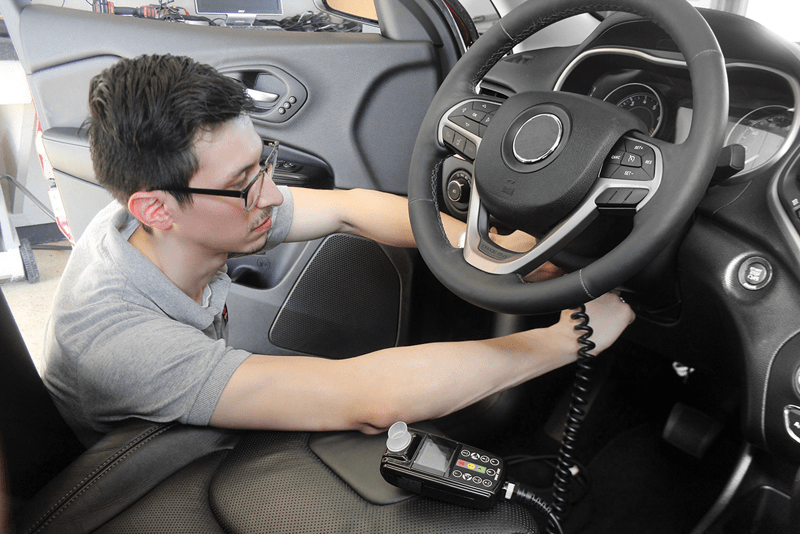
For drivers facing an ignition interlock device requirement following a DUI or DWI conviction, the experience involves navigating a regulatory and operational system that most people had not encountered before the requirement landed. The device itself is straightforward in concept, the installation process is structured, and the ongoing operational requirements are predictable, but the path from court order to compliance involves more moving parts than the average driver expects.
This piece walks through what an IID actually does, what installation involves, and what drivers should understand about the regulatory environment.
What an ignition interlock device actually is
An ignition interlock device is a breath-alcohol analyser installed in a vehicle that requires the driver to provide a breath sample before the engine will start. Sample readings above the device’s calibrated threshold (typically 0.02 percent BAC, well below the standard 0.08 percent driving limit) prevent the vehicle from starting. The device also requires periodic rolling re-tests during driving, with the driver providing additional breath samples to confirm continued sobriety.
The device records all test results, attempted starts, missed re-tests, and other operational data, which is reported to the relevant state monitoring authority on a defined schedule.
How installation and ongoing operation works
Specialist providers handle the installation, ongoing service, and regulatory reporting. Installation typically takes 60 to 90 minutes and involves connecting the device to the vehicle’s ignition system and securing it according to the manufacturer’s specifications.
Ongoing service intervals vary by jurisdiction, typically running every 30 to 60 days for device calibration and data reporting. Drivers visit the service location, the device is checked, the data is downloaded and reported, and the device is recalibrated.
For drivers in states where IIDs are court-ordered or licensing-mandated, providers like Budget IID handle the installation, monitoring service, and ongoing compliance reporting that the regulatory framework requires.
What the regulatory environment looks like
IID requirements vary substantially by state. Some states require IIDs for first-time DUI offences; others reserve the requirement for repeat or higher-BAC offences. Required installation duration varies from six months to several years depending on the state and the specific offence. Many states offer IID participation as an alternative to license suspension, allowing drivers to maintain limited driving privileges during the required period.
The Centers for Disease Control and Prevention have published research documenting that IID programmes reduce repeat DUI offences meaningfully across the populations studied.
FAQ
How long does installation take? 60 to 90 minutes typically.
Can I drive a different vehicle while under an IID requirement? Generally no. The requirement typically applies to all vehicles the driver operates.
What happens if I fail a breath test? Failed tests are recorded and reported. Consequences vary by state and the specifics of the failure (e.g., locked-out start vs. failed rolling test).
Who pays for the device? The driver typically pays installation, monthly monitoring, and removal costs. Some states have financial assistance programmes for qualifying drivers.