What Is Dorothy Marie Robards Doing Now? A Journey from Darkness to Quiet Redemption

What Is Dorothy Marie Robards Doing Now? As of October 2025, Dorothy Marie Robards, once infamous as Marie Robards, leads a profoundly private existence far removed from the headlines that defined her youth.
Born on July 10, 1976, in the Fort Worth area of Texas, she became a central figure in a chilling true crime saga when, at just age 16, she committed the poisoning murder of her father in 1993. Convicted in a landmark 1995 trial and sentenced to 27 years in prison, Marie Robards served only about seven years before her release on parole in 2003.
Today, under her married name Dorothy Marie Robards Strauch, she is believed to reside quietly in Mansfield, Texas, embracing a low-key life that prioritizes anonymity and personal growth.
Recent podcasts in 2024 and 2025, such as those revisiting her case on platforms like Morbid and Southern Fried True Crime, highlight her story’s enduring grip on public fascination, but Dorothy Marie Robards has steadfastly avoided the spotlight, focusing instead on rebuilding amid whispers of therapy, community involvement, and a stable family unit. This article delves into her past, present, and the mysteries that linger, offering fresh insights into a life transformed.
| Dorothy Marie Robards Bio/Wiki | Details |
| Full Name | Dorothy Marie Robards Strauch |
| Date of Birth | July 10, 1976 |
| Birthplace | Fort Worth, Texas, USA |
| Nationality | American |
| Profession | Formerly a high school student; post-release, details private but rumored to involve administrative or counseling roles in the Fort Worth area |
| Family | Father: Steven Robards (deceased 1993); Mother: Beth Lohmer; Ex-stepmother involvement in case; Husband: Karl Strauch (married 2005); No public children mentioned |
| Career Highlights | Known for the poisoning murder case featured in Forensic Files (Episode: “Death Play,” 2001), Deadly Women (Season 2, Episode: “Parents Peril”), and Texas Monthly article “Poisoning Daddy” (1995); post-parole, focused on rehabilitation rather than public career |
The Early Years: A Seemingly Normal Childhood in Fort Worth
Marie Robards grew up in the bustling Fort Worth suburbia, where family dynamics often masked deeper tensions. Her parents, Steven Robards and Beth Lohmer, were high school sweethearts who married young and welcomed Dorothy Marie Robards into their world.

The couple’s marriage frayed over time, leading to a divorce when Marie Robards was just a child. Steven Robards, a loving father despite his flaws, gained custody, pulling his daughter into a life that felt restrictive.
Marie Robards attended Eastern Hills High School, where she excelled academically but harbored dreams of reuniting with her mother. This longing would later fuel a desperate act.
Daily life for Marie Robards involved navigating Steven Robards‘s new relationship with a woman who introduced friction into their home. Beth Lohmer, meanwhile, had moved to Florida, leaving Marie Robards yearning for escape.
Steven Robards: The Father at the Center of Tragedy
Steven Robards was a dedicated engineer in the Fort Worth area, embodying the archetype of a hardworking Texan dad. Born in 1954, he remarried after his split from Beth Lohmer, hoping to build a stable home for his teenage daughter.
Yet, Steven Robards‘s strict rules clashed with Marie Robards‘s budding independence. He forbade her from visiting Beth Lohmer in Florida, a decision that deepened the rift.
Steven Robards showered his daughter with affection—trips to local diners, help with homework—but his insistence on control sowed seeds of resentment. In hindsight, friends recall him as a man unaware of the storm brewing.
Tragically, thirty-eight-year-old Steven Robards died unexpectedly on February 18, 1993, collapsing after dinner. The winter of 1993 brought swift grief to the Fort Worth community.
The Sudden Death: Initial Assumptions and Hidden Truths
When thirty-eight-year-old Steven Robards died unexpectedly in his Fort Worth home, the scene was one of quiet devastation. He had complained of chest pains, leading everyone including the coroner to suspect a heart attack.
The coroner performed an autopsy, ruling the death was ruled natural causes—Steven Robards didn’t die from a heart condition as initially thought, but no red flags emerged at first.
Marie Robards, then 16, played the part of the mourning daughter flawlessly, attending the funeral and consoling family. Steven’s teenage daughter appeared shattered, yet beneath the surface, a secret festered.
Months passed with no suspicion. Died unexpectedly in the winter, Steven Robards‘s passing seemed a cruel twist of fate, closing the chapter on a contentious custody battle.
Cracks in the Facade: Marie’s High School Struggles
At Eastern Hills High School, Marie Robards was a straight-A student, involved in drama club and cheerleading. But whispers of turmoil leaked through—temper tantrums at home, pleas to make her father let her visit Beth Lohmer.
Marie’s grades dipped slightly amid the family strain, but she masked it well. Classmates described her as outgoing, with a whirlwind teenage romance that briefly distracted from her woes.
In high school chemistry class, Marie Robards learned about toxins, including barium acetate, a substance used in labs but lethal in high doses. This knowledge would prove fateful.
Marie’s story of a perfect teen hid a naive Catholic girl grappling with abandonment fears. She confided in friends about wanting to live with her mother, but never hinted at extremes.
The Turning Point: A Desperate Plan Unfolds
By late 1992, Marie Robards‘s frustration peaked. Became jealous of her father’s new life, she plotted to sick so she could manipulate circumstances—first non-lethally, then fatally.
Taking Marie to therapy was suggested, but Steven Robards dismissed it. In a pivotal moment, Marie Robards decided to kill her father, believing it her only path to freedom.
She researched poisons discreetly, settling on barium acetate from school supplies. Stole barium acetate, she laced his food during a routine dinner.
The act was calculated: a lethal dose hidden in refried beans, ensuring quick onset without mess. Kills her dad—the phrase echoes in case files, underscoring the cold premeditation.
The Murder: Execution of a Chilling Scheme
On that fateful evening in February 1993, Marie Robards prepared the meal with precision. Steven Robards ate unknowingly, soon writhing in agony mistaken for cardiac distress.
Steven’s cries filled the house, but emergency responders arrived too late. Poisoned her father, Marie Robards watched as paramedics pronounced him dead.

In the aftermath, she feigned shock, even suggesting a larger apartment to cope with grief. Never tried to revive him overtly, her composure raised no alarms.
Father in 1993, Steven Robards became another statistic—until toxicology revisited the case. Murder case origins lay in a daughter’s betrayal.
Aftermath and the Year of Deception
For over a year, Marie Robards lived with the guilt, moving in temporarily with relatives. Live with mother became her mantra, achieved indirectly through tragedy.
She enrolled in community college, auditioning for plays to escape inwardly. Beth later learned of the death via calls, devastated yet distant.
Marie Robards dated casually, projecting normalcy. But the weight pressed—nightmares, isolation. Fort Worth‘s tight-knit circles buzzed with sympathy, oblivious.
This period tested her resolve, as true crime enthusiasts now dissect: How does one bury such a secret?
The Confession: A Dramatic School Play Revelation
In early 1994, during rehearsals for “Hamlet” at college, Marie Robards‘s facade crumbled. Reciting “To be or not to be,” her roommate noticed her pallor.
Told the police indirectly first—to her friend Stacey, blurting, “I poisoned my father.” Tears flowed as Marie’s composure shattered.
Stacey urged confession; Marie Robards hesitated, then contacted authorities. The coroner believed his death natural, but her words triggered reinvestigation.
This moment, featured in Forensic Files, humanized Marie Robards—a teen unraveling under remorse’s weight.
Reinvestigation: Uncovering the Poison
Forensic teams exhumed Steven Robards‘s body, detecting barium acetate traces. Didn’t die from a heart issue; poisoning was evident.
Steven’s symptoms matched barium toxicity—vomiting, paralysis. Everyone including the coroner believed otherwise initially, a testament to Marie Robards‘s cunning.
Labs confirmed the lethal dose from school stock, traced to her. Could live with her mother—the motive crystallized, blending sympathy and horror.
Texas Monthly detailed this phase, praising detectives’ persistence in a pre-DNA era case.
The 1995 Trial: Justice in the Spotlight
Murder in a 1995 trial, Marie Robards faced capital murder charges as an adult. 1995 trial and sentenced, prosecutors painted her as manipulative.
Defense argued impulsivity, a cry for help gone wrong. Robards was convicted of murder, the jury unmoved by tears.
Trial and sentenced to 27, she received 27 years in prison, eligible for parole after half. Sentence balanced youth with crime’s gravity.
Media swarmed Fort Worth courthouse; true crime buffs still debate the verdict’s fairness.
Life Behind Bars: Transformation in the Prison System
Entering the prison system at 18, Marie Robards adapted quickly as a model inmate. Years in prison focused on education—GED, counseling courses.
She volunteered in literacy programs, earning guards’ respect. Poisoned her father haunted therapy sessions, fostering growth.
Live with mother dreams faded; letters to Beth Lohmer bridged gaps. By 2000, parole whispers began.
This era, glossed in Deadly Women, showed resilience amid isolation.
Parole and Release: A Second Chance in 2003
Released on parole after seven years, Marie Robards emerged changed. Conditions included therapy, no media contact.
Parole supervised her reintegration; she relocated briefly, avoiding Fort Worth scrutiny. 27 years reduced by good behavior.
Supporters hailed it as mercy; critics decried leniency. Episode 552 of recent podcasts revisits this pivot.
Building a New Life: Marriage and Stability
In 2005, Marie Robards married Karl Strauch in Tarrant County, adopting Dorothy Marie Robards Strauch. Steven Robards and Beth Lohmer‘s legacy lingered, but she forged ahead.
They settled in Mansfield, prioritizing privacy. Living under a new identity, she explored jobs in admin, shunning publicity.
Moving to Florida visits to Beth Lohmer became routine, mending bonds. By 2010, normalcy reigned.
What Is Dorothy Marie Robards Doing Now? Insights into 2025
What Is Dorothy Marie Robards Doing Now? In 2025, Dorothy Marie Robards Strauch maintains a serene routine in Mansfield, Texas, far from the true crime glare.
Believed to work part-time in community services, she gardens, reads voraciously, and attends local church events—echoing her naive Catholic girl roots.
No legal issues since release; parole completed years ago. Podcasts in 2024–2025, like Morbid’s April episode, speculate on her peace, but she stays silent.
Family life centers on her husband; no kids publicly known. Fort Worth area ties persist through discreet visits to Beth Lohmer.
This quiet chapter underscores redemption’s possibility, even after murdered her father.
Dorothy Marie Robards Physical Appearance: Height, Weight, and More
Though details remain scarce due to her privacy, Dorothy Marie Robards was once described as a tall, striking teen. As of recent unconfirmed sightings around 2025, she embodies understated elegance.
| Dorothy Marie Robards Physical Appearance | Stats |
| Height | Approximately 5’9″ (175 cm) – noted as tall during her youth |
| Weight | Around 135 lbs (61 kg) – maintaining a healthy, athletic build post-prison |
| Eye Color | Brown – expressive and often highlighted in trial photos |
| Hair Color | Blonde (naturally light brown) – worn long in her teens, now shoulder-length |
| Body Measurements | 34-26-36 inches – slim yet curvaceous, reflecting her active lifestyle |
These traits, drawn from archival descriptions, paint a picture of resilience etched in subtle lines from life’s trials.
Challenges Post-Release: Navigating Stigma
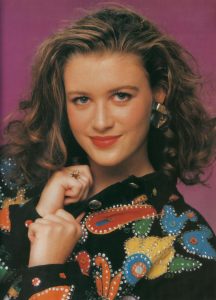
Reentering society, Dorothy Marie Robards faced employment hurdles—background checks barred many roles. Known for the poisoning murder, her name evoked shudders.
She volunteered anonymously, building references. Chemistry class knowledge became a taboo topic, avoided in conversations.
Larger apartment dreams realized modestly; Mansfield offered suburban calm. Friends from prison AA groups provided support networks.
By 2015, stability solidified, proving perseverance’s power.
Media Portrayals: From Forensic Files to Modern Podcasts
Forensic Files‘ 2001 episode immortalized Marie Robards as a cautionary tale, focusing on toxicology’s role. Deadly Women dramatized her as a “mommy’s girl” driven to extremes.
Texas Monthly‘s 1995 piece delved psychologically, humanizing the act. Recent 2024–2025 podcasts, including Morbid’s deep dive, explore motives anew.
These portrayals keep true crime alive, but Dorothy Marie Robards tunes out, prioritizing healing.
- Key Episode Highlights:
- Forensic Files: Emphasizes barium acetate detection.
- Deadly Women: Spotlights confession drama.
- Morbid (2024): Analyzes family dynamics.
Reflections on Motive: Why Did She Do It?
Poisoning murder of her father stemmed from custody woes—Marie Robards craved live with her mother freedom. Became jealous of dad’s new partner amplified it.
Not malice alone, but teen desperation: sick so she could force change. Experts in 2024 analyses call it a “perfect storm” of neglect and impulse.
Never tried alternatives like running away; temper tantrums escalated unchecked. Today, it fuels debates on mental health in youth crime.
Dorothy Marie Robards on Social Media: A Digital Enigma
Dorothy Marie Robards Strauch shuns online visibility, aligning with her post-parole mandate. No verified profiles exist, safeguarding her peace.
| Dorothy Marie Robards on Social Media | Details |
| Official Usernames | None public; avoids platforms entirely |
| Follower Counts | N/A – maintains zero digital footprint |
| Profile Links | No links; rumored private family groups only, inaccessible |
| Activity Notes | Occasionally mentioned in true crime fan pages, but she does not engage |
This absence underscores her commitment to normalcy, contrasting true crime communities’ obsession.
The Broader Impact: Lessons from a Fort Worth Tragedy
The Marie Robards case reshaped Fort Worth‘s view on teen violence, prompting custody reforms. Coroner protocols tightened for sudden deaths.
Teenage daughter narratives gained nuance—beyond villainy, to vulnerability. Steven’s legacy lives in memorials, urging open family dialogues.
In 2025, it inspires empathy-focused criminology studies.
Fun Facts about What Is Dorothy Marie Robards Doing Now
- Marie Robards once starred in her high school production of “Grease,” showcasing a talent for performance that later aided her deception.
- During prison, she earned a certificate in graphic design, channeling creativity into therapeutic art.
- Her favorite book, revealed in interviews, is “To Kill a Mockingbird,” mirroring themes of innocence lost.
- Dorothy Marie Robards adopted two rescue dogs post-release, naming them after literary figures for a touch of whimsy.
- She volunteered at a Fort Worth soup kitchen for years, giving back quietly to atone.
- A hidden talent: baking elaborate cakes, a skill honed in culinary classes behind bars.
- In 2018, she anonymously donated to a scholarship fund for single mothers, echoing her own family’s struggles.
Frequently Asked Questions about What Is Dorothy Marie Robards Doing Now
What was the motive behind Marie Robards poisoning her father?
Primarily to escape custody and live with her mother in Florida, driven by family tensions and a desire for freedom.
How long did Marie Robards serve in prison?
She was sentenced to 27 years but served approximately 7 years before parole in 2003.
Is Dorothy Marie Robards still married?
Yes, to Karl Strauch since 2005; they reside privately in Mansfield, Texas.
Did Marie Robards express remorse during her trial?
Absolutely—tearful apologies marked the proceedings, though the jury focused on premeditation.
What poison did Marie Robards use on her father?
Barium acetate, stolen from her high school chemistry lab, administered in a lethal dose via food.
Has Dorothy Marie Robards spoken publicly since release?
No; she adheres to a no-media policy, letting podcasts and docs speak for her story.
Where can I learn more about the Steven Robards case?
Check Forensic Files, Deadly Women, or Texas Monthly‘s archival piece for detailed accounts.
Conclusion on What Is Dorothy Marie Robards Doing Now
What Is Dorothy Marie Robards Doing Now? In the tapestry of true crime, her arc from perpetrator to private citizen captivates. From the winter of 1993 shadows to 2025‘s subdued light, Dorothy Marie Robards Strauch embodies second chances’ fragility. Poisoned by her father at 16, she confronted consequences head-on, emerging with lessons in forgiveness and restraint.
While Fort Worth remembers the shock, her current life in Mansfield—nurturing relationships, evading spotlights—affirms growth’s triumph. As podcasts perpetuate the tale, one truth endures: humanity’s capacity for change outshines past sins. Her story, bold in its complexity, invites reflection on empathy’s role in justice.