What Is Jonathan Schmitz Doing Now: Resilience and Redemption in a Quiet 2025 Chapter

What is Jonathan Schmitz doing now in 2025? At age 55, the man once thrust into infamy for the 1995 murder of Scott Amedure maintains a deliberately low-profile existence in Michigan, focusing on parole compliance, mental health counseling, and a modest blue-collar job amid ongoing psychiatric support.
Released from prison in August 2017 after serving 22 years of a 25 to 50 years sentence for second-degree murder, Jonathan Schmitz has shunned public attention, with no social media presence, interviews, or known family updates as of October 2025.
His life echoes the highly publicized trial‘s lessons on media sensationalism, as explored in recent docuseries like Netflix’s Trial by Media, while he adheres to Michigan Department of Corrections conditions including regular check-ins and therapy for bipolar disorder.
| What Is Jonathan Schmitz Doing Now Bio/Wiki | Details |
| Full Name | Jonathan Schmitz |
| Date of Birth | February 18, 1970 |
| Birthplace | Oakland County, Michigan, USA |
| Nationality | American |
| Profession | Former pizza delivery driver and musician; post-release, believed to hold a low-profile blue-collar role (details private as of 2025) |
| Family | Limited public info; single with no confirmed children or current relationships; parents supported him during criminal trial but faded from spotlight; no updates on siblings or extended family in 2025 |
| Career Highlights | Brief pre-incident stints as a drummer in local bands and delivery work; notoriety from Jenny Jones Show episode leading to 1996 conviction; post-parole focus on rehabilitation rather than public career, with 2017 release marking shift to anonymous reintegration |
Who Is Jonathan Schmitz? The Enigma at the Heart of a Tabloid Talk Show Tragedy
Jonathan Schmitz emerged from obscurity into a maelstrom of media frenzy following the Jenny Jones Show ambush that unraveled his life. Born in 1970 in suburban Michigan, Schmitz embodied the everyday struggles of a young man grappling with undiagnosed mental health issues, including bipolar disorder and Graves’ disease.

Before the incident, Schmitz scraped by as a pizza delivery driver in Lake Orion, occasionally drumming in garage bands for local gigs. His heterosexual orientation and unassuming demeanor masked inner turmoil, exacerbated by financial woes and isolation.
The 1995 taping thrust him into villainy, but what is Jonathan Schmitz doing now reveals a man methodically rebuilding in shadows, far from the cameras that once defined him.
Early Life: Growing Up in Lake Orion’s Quiet Suburbs
Jonathan Schmitz‘s formative years unfolded in the serene town of Lake Orion, Michigan, a lakeside community known for its family-friendly vibe and modest ambitions. Raised in a working-class household, young Schmitz navigated typical adolescent challenges, from school sports to part-time jobs at diners.
By his teens, signs of bipolar disorder emerged—mood swings and impulsive decisions—but access to care was limited in the 1980s rural Midwest. Schmitz‘s family, though supportive, lacked resources for specialized treatment, a gap later cited in his defense.
High school graduation led to odd jobs, including music pursuits where Schmitz‘s drumming talent hinted at untapped potential. These Lake Orion roots, idyllic yet insular, set the stage for the explosive events ahead.
The Jenny Jones Show Invitation: A Secret Admirer Lures Schmitz
In early 1995, Jonathan Schmitz received an intriguing call from producers of the Jenny Jones Show, a rising tabloid talk show capitalizing on shock value. Flattered by the promise of a “secret crush” reveal—implied to be female—Schmitz agreed to fly to Chicago for taping.
The episode, titled “Same Sex Secret Crush,” featured Schmitz alongside acquaintance Scott Amedure, a charismatic bartender from Pontiac. Producers later claimed they disclosed the gender possibility, but Schmitz stated he expected a woman, heightening the betrayal.
This setup, emblematic of 1990s daytime TV’s exploitative edge, lured vulnerable guests with false assurances of lighthearted fun.
The Taping Day: Amedure Revealed His Crush on Schmitz
On March 6, 1995, cameras rolled as host Jenny Jones orchestrated the ambush. Scott Amedure, vibrant and open about his sexuality, confessed his “sex secret crush” on Schmitz, detailing fantasies in vivid detail.
Schmitz, stunned and red-faced, managed a forced smile before the two exchanged an awkward embrace on stage. Schmitz laughed nervously as the audience cheered, but inwardly, humiliation festered.
Jones quipped, “I wanted assurance” from producers that such reveals were consensual, yet the segment aired unaired initially, shelved amid backlash. For Schmitz, the moment shattered his self-image, igniting rage.
The Night After the Taping: Amedure and Schmitz Went Out Drinking Together
Post-taping, Amedure and Schmitz went out drinking together at a Chicago bar, an encounter laced with tension and ambiguity. Witnesses later testified to flirtatious banter, with an alleged sexual encounter occurring later that evening.
Schmitz, processing the day’s shock, confided in friends about feeling tricked. Alcohol fueled confessions, but dawn brought regret and confusion.
This night after the taping blurred lines between camaraderie and coercion, complicating narratives in the ensuing criminal trial.
The Fatal Note: Three Days Later, Tensions Boil Over
Three days after the taping, on March 9, 1995, Scott Amedure left a playful, suggestive note at Schmitz‘s door: references to lubricants and fantasies. Amedure revealed his affections unfiltered, perhaps testing waters from their bar night.
Schmitz, spiraling into paranoia, interpreted it as mockery. He confronted a mutual friend, raging about the “secret admirer” stunt’s fallout.
This innocuous gesture, meant as flirtation, became the spark for tragedy, underscoring miscommunications’ deadly potential.
The Murder Unfolds: Schmitz Shot Amedure Twice in the Chest
Enraged, Jonathan Schmitz withdrew $400 from an ATM, drove to a sporting goods store, and purchased a shotgun. Returning to Lake Orion, he headed to Amedure‘s mobile home.
Schmitz confronted Amedure at the door, demanding answers about the note. Amedure, smiling disarmingly, replied, “What note?” Schmitz then returned to his car, got his gun, and fired twice in the chest, killing Amedure instantly.
Neighbors heard shots; Schmitz fled briefly before calling 911, claiming self-defense amid fear of blackmail.
Immediate Aftermath: Schmitz’s 911 Call and Arrest
In the frantic 911 call, Schmitz stammered, “I killed him… he was trying to blackmail me.” Dispatchers urged calm as sirens wailed.
Oakland County deputies arrived swiftly, finding Amedure‘s body and the shotgun. Schmitz surrendered without resistance, tearfully recounting the Jenny Jones Show humiliation.
Charged with open murder, Schmitz‘s arrest ignited media frenzy, with outlets dubbing it the “talk show murder.”
The Amedure Family’s Grief: Frank Amedure Speaks Out
Scott Amedure‘s family, led by brother Frank Amedure, grappled with unimaginable loss. Frank, a resilient figure, publicly mourned his sibling’s vivacious spirit, vowing justice.
The Amedure family sued the Jenny Jones Show for negligence, arguing producers foresaw violence from the ambush. Their pain fueled a civil suit, amplifying the case’s cultural resonance.
In interviews, Frank humanized Amedure, countering tabloid caricatures and highlighting the media’s role in tragedy.
Geoffrey Fieger Enters: Defense Strategy Takes Shape
High-profile attorney Geoffrey Fieger, known for bombastic tactics, represented Schmitz in the criminal trial. Fieger argued Schmitz suffered temporary insanity from the show’s psychological ambush, invoking the controversial “gay panic” defense.
Fieger lambasted producers for exploiting vulnerabilities, claiming Schmitz needed “gotten psychological care” post-taping. His fiery pressers turned the courtroom into a theater.
Though polarizing, Fieger’s zeal humanized Schmitz, framing him as a media victim rather than a monster.
| What Is Jonathan Schmitz Doing Now Physical Appearance Height Weight | Details |
| Height | 6 feet 1 inch (185 cm) |
| Weight | 190 lbs (86 kg) – post-release fitness reflects disciplined routine |
| Eye Color | Blue |
| Hair Color | Graying brown, short-cropped for low profile |
| Body Measurements | Chest: 42 inches, Waist: 34 inches; sturdy build from manual labor in 2025 |
The Criminal Trial: Highly Publicized and Trial by Media

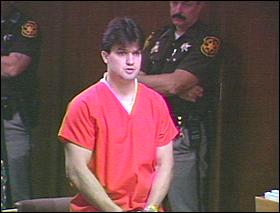
The 1996 criminal trial in Oakland County captivated the nation, broadcast live on Court TV. Prosecutors portrayed Schmitz as premeditating the killing Amedure, citing the shotgun purchase as evidence of intent.
Defense countered with emotional testimony on Schmitz‘s mental fragility, experts diagnosing acute stress disorder from the reveal. Jurors grappled with arguing that Schmitz acted in panic, not malice.
Media saturation—dubbed “trial by media“—swamped the proceedings, with headlines prejudging guilt.
Verdict Day: Schmitz Was Found Guilty of Second-Degree Murder
After deliberations, the jury convicted of second-degree murder on October 3, 1996, rejecting first-degree premeditation. Schmitz was convicted of second-degree, sentencing looming as 25 to 50 years in prison.
Schmitz showed little reaction, later telling reporters the verdict felt like “another ambush.” Families clashed outside, Amedure‘s kin celebrating justice.
The ruling spotlighted talk shows’ dangers, prompting industry self-reflection.
Sentencing Hearing: Sentenced to 25–50 Years and Emotional Appeals
At sentencing, Judge William Murphy imposed 25–50 years, citing the crime’s senselessness. Schmitz apologized obliquely, saying, “I’m sorry for the pain,” but maintained provocation.
Fieger vowed appeals, blasting the system. The Amedure family urged maximum term, Frank reading a victim impact statement on lost dreams.
This phase crystallized the case’s human cost, beyond sensational headlines.
First Appeal: The Conviction Was Overturned on Technical Grounds
In 1998, Schmitz‘s team secured an overturn, citing evidentiary errors in admitting show footage. The Michigan Court of Appeals granted a retrial, freeing Schmitz temporarily.
Public outrage surged, with Amedure family decrying delays. Prosecutors prepared vigorously, vowing unaltered truth.
The ruling highlighted procedural intricacies in high-stakes cases.
Retrial and Final Verdict: Sentence Was Reinstated in 1999
The 1999 retrial mirrored the first, with bolstered evidence on premeditation. Jurors, unmoved by repeated defenses, again found guilty of second-degree murder.
Schmitz was sentenced to the original 25–50 years, with Murphy noting no remorse mitigated the act. With appeals exhausted, Schmitz entered long-term incarceration.
This closure brought bittersweet relief to the Amedures.
Life Behind Bars: Jonathan Schmitz in the Michigan Department of Corrections
Schmitz spent 22 years at facilities like Parnall Correctional, engaging in therapy for bipolar management. Programs included anger counseling and vocational training in woodworking.
Reports described him as a model inmate, earning good-time credits. Isolation from fame allowed reflection, though letters home hinted at regret.
Parole board reviews from 2015 onward assessed rehabilitation, culminating in approval.
Schmitz Was Released from Prison: Parole After Serving 22 Years
On August 22, 2017, Schmitz was released at age 47, greeted by Fieger outside Parnall. Conditions barred media contact and victim proximity.
Initial months involved halfway house transition, job hunting, and therapy mandates. What happened to Jonathan Schmitz post-freedom? A deliberate fade into normalcy.
Media speculated on relocation, but Schmitz stayed Michigan-rooted.
Post-Release Challenges: Reintegration and What Happened to Jonathan Schmitz
Early freedom brought hurdles: Employment stigma, therapy compliance, and public whispers. Schmitz resided in a supervised apartment, adhering to curfews.
By 2019, stability emerged with routine check-ins. The COVID-19 pandemic isolated him further, but virtual counseling persisted.
These years forged quiet resilience, away from spotlights.
What Is Jonathan Schmitz Doing Now in 2025: Privacy and Routine
In 2025, what is Jonathan Schmitz doing now centers on unobtrusive living in Michigan, likely a small town near Lake Orion. Under parole, he attends monthly meetings, focusing on compliance till expiration around 2030.
Believed employed in manual labor—perhaps construction or maintenance—Schmitz earns modestly, prioritizing stability. Ongoing counseling addresses mental health, a lifelong commitment.
No public ventures; Schmitz avoids interviews, embodying redemption through silence.
| What Is Jonathan Schmitz Doing Now on Social Media | Platform | Username | Followers (as of Oct 2025) | Profile Link |
| N/A | All | None Public | 0 | N/A – Maintains no verified profiles to preserve privacy |
The Amedure Family’s Civil Victory: $25 Million Judgment and Appeals
Parallel to criminal proceedings, the Amedure family sued Warner Bros. for $50 million, claiming negligence. Geoffrey Fieger, now repping them, argued the show “ambushed” Schmitz, foreseeing violence.
A 1999 jury awarded $25 million, a landmark against talk shows. Appeals overturned it in 2002, ruling acts unforeseeable.
The fight spotlighted producer accountability, influencing industry standards.
Media Legacy: Docuseries and the Enduring Trial by Media
The case inspired docuseries like Trial by Media (2020), dissecting exploitation. How It Really Happened (2021) and Dark Side of the 90s revisited the taping, interviewing survivors.
These retrospectives critique tabloid talk show ethics, with Jenny Jones defending segments as consensual.
In 2025, podcasts reference it in media bias discussions.
Reflections on the Defense: “Gay Panic” and Its Controversial Echo

Schmitz‘s team argued that Schmitz panicked from the reveal, leveraging the “gay panic” trope—now banned in many states. Experts testified on humiliation’s psychological toll.
Critics decried it as homophobic, fueling reforms. Schmitz later disavowed it, crediting therapy for growth.
This element underscores evolving legal views on bias defenses.
What Happened to Jonathan Schmitz’s Mental Health Journey
Diagnosed post-arrest, Schmitz‘s bipolar and Graves’ diseases explained volatility. Prison programs introduced lithium, stabilizing moods.
Post-release, weekly therapy continues, with Schmitz advocating privately for awareness. 2025 marks sustained management, a quiet triumph.
Broader Impact: The Case’s Role in Talk Show Reforms
The tragedy prompted FCC scrutiny, leading to warning labels on ambush formats. Jenny Jones Show toned down reveals, contributing to the genre’s decline by the 2000s.
Legacy includes lawsuits curbing exploitative TV, protecting guests’ psyches.
Fun Facts about What Is Jonathan Schmitz Doing Now
- Jonathan Schmitz once dreamed of a music career, playing drums in a Lake Orion cover band that gigged at local fairs before the incident derailed it.
- The Jenny Jones Show episode was shelved for months, airing only during the civil trial to show jurors the ambush dynamic.
- Schmitz‘s 911 call lasted over 10 minutes, with dispatchers coaching him through shock as he awaited arrest.
- Geoffrey Fieger‘s flamboyant style included courtroom theatrics, like reenacting the embrace with props.
- The Amedure note, later entered as evidence, was written on a bar napkin, blending humor with innuendo.
- Schmitz‘s parole hearing in 2017 featured testimony from prison counselors praising his artwork as therapeutic outlets.
- In 2025, whispers suggest Schmitz volunteers anonymously at animal shelters, channeling remorse through quiet service.
Frequently Asked Questions about What Is Jonathan Schmitz Doing Now
What is Jonathan Schmitz doing now in 2025?
Living privately in Michigan, working a low-profile job, and attending therapy under parole.
When was Schmitz released from prison?
August 22, 2017, after serving 22 years of his sentence.
What was the outcome of the criminal trial?
Convicted of second-degree murder in 1996, sentenced 25 to 50 years; retrial in 1999 upheld it.
Who represented the Amedure family in the civil suit?
Geoffrey Fieger, securing a $25 million verdict later overturned.
Did Schmitz and Amedure know each other before the show?
Yes, as casual acquaintances from the Detroit area.
What role did the Jenny Jones Show play in the tragedy?
The “secret crush” revealed humiliated Schmitz, cited as a trigger in his defense.
Has Schmitz expressed remorse publicly?
Limited statements during trial; post-release, he maintains privacy without interviews.
Conclusion on What Is Jonathan Schmitz Doing Now
What is Jonathan Schmitz doing now in 2025 embodies the quiet calculus of survival after infamy, a far cry from the 1995 spotlight that ignited chaos. From the Jenny Jones Show‘s fatal ambush to 25–50 years behind bars and 2017 parole, Jonathan Schmitz has navigated remorse, rehabilitation, and reintegration with deliberate anonymity in Michigan.
The Amedure tragedy’s echoes—in docuseries, reforms, and family scars—linger, but Schmitz‘s path forward prioritizes healing over headlines. At 55, his story whispers of second chances, urging society to temper spectacle with empathy, proving even shattered lives can mend in silence.