Why Am I So Sensitive? Emotional Triggers 2026
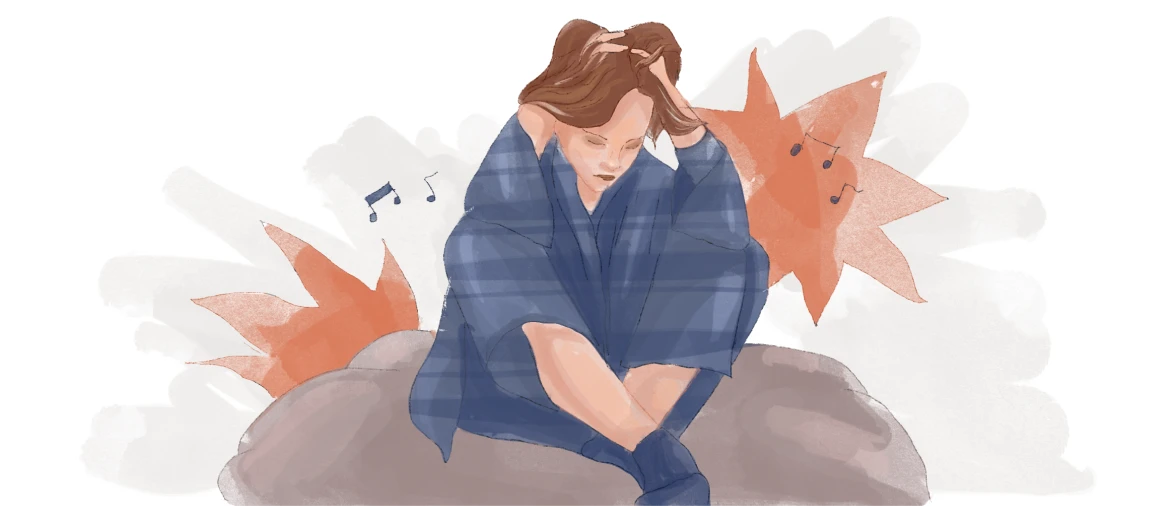

Emotional sensitivity means your brain and nervous system react more intensely to emotions, sensory input, and social cues than the average person.
It is not a weakness or a character flaw. It is a neurological trait that shows up in how deeply you process information and how strongly you feel things.
Researchers call this trait Sensory Processing Sensitivity (SPS). It is not a diagnosis. It is a personality feature found in humans and even some animals.
If you’re struggling with SPS, finding a therapist in Charlotte NC can help effectively.
Who Is a Highly Sensitive Person (HSP)?
The term Highly Sensitive Person (HSP) was coined by psychologist Dr. Elaine Aron in the 1990s. She identified that around 15–20% of people have a more reactive nervous system that processes everything more deeply.
HSPs are not just emotionally soft. They notice things others miss. They feel art and music more deeply. They pick up on social tension before anyone says a word.
Being an HSP overlaps with but is not the same as anxiety, depression, or any mental health disorder.
The Science Behind Why You Are So Sensitive
Your Brain Is Wired Differently
The amygdala is the part of your brain that processes emotions and decides how to respond. In highly sensitive people, this region is more reactive and fires more intensely in response to stimuli.
Brain imaging research has shown that HSPs have increased activity in areas linked to empathy, awareness, and emotional processing. This is not a malfunction. It is just a different operating system.
The Role of the Nervous System
Your autonomic nervous system controls how you respond to stress. Sensitive people have a more reactive nervous system, meaning stimuli — loud sounds, bright lights, emotional conflict — register with greater intensity.
This can lead to faster emotional escalation and longer recovery times after stressful events. Your baseline stress threshold is simply lower.
Neurotransmitters and Sensitivity
Serotonin, dopamine, and norepinephrine all play a role in emotional regulation. Research shows that people with certain gene variants, like the 5-HTTLPR serotonin transporter gene, may have increased amygdala reactivity to emotional stimuli.
This means your sensitivity may literally be written into your DNA. It is not something you chose. It is something you inherited.
7 Real Reasons Why You Are So Sensitive
1. Genetics and Biology
Sensitivity runs in families. If a parent or sibling is highly sensitive, there is a strong chance you share those neurological traits. Your nervous system sensitivity is largely determined at birth.
Genetic studies have linked several variants to emotional reactivity and heightened fear processing. Your biology sets the stage.
2. Childhood Experiences and Trauma
Growing up in an unstable or emotionally unsafe home can deepen sensitivity over time. If your caregivers were unpredictable, critical, or neglectful, your nervous system may have stayed in high-alert mode.
This is called hypervigilance — a survival adaptation where your brain learned to scan for danger constantly. Even when danger is gone, the nervous system keeps watching.
3. Past Trauma and PTSD
Trauma rewires the brain. Post-traumatic stress disorder (PTSD) makes people hyperaware of their environment because the brain is trying to prevent the trauma from happening again.
Even trauma that happened years ago can keep the nervous system in a state of chronic sensitivity. Flashbacks, nightmares, and intrusive thoughts are all signs of this rewired threat-detection system.
4. Mental Health Conditions

Several mental health conditions increase emotional sensitivity as a symptom or side effect.
| Condition | How It Increases Sensitivity |
|---|---|
| Generalized Anxiety Disorder | Keeps you on constant edge |
| Depression | Amplifies emotional pain and rejection |
| Borderline Personality Disorder | Intense emotional reactions to minor triggers |
| PTSD | Hypervigilance and startle responses |
| OCD | Increased vulnerability during obsessive cycles |
| Social Anxiety | Hypersensitivity in social situations |
| Bipolar Disorder | Emotional intensity during mood episodes |
If sensitivity came on suddenly or feels extreme, speaking to a mental health professional is worth considering.
5. Hormones and Physical Health
Your body chemistry directly affects how you feel emotions. Hormonal changes during menstruation, pregnancy, perimenopause, or thyroid imbalances can all spike emotional sensitivity dramatically.
Low blood sugar, poor sleep, and high cortisol from chronic stress also lower your emotional threshold significantly. Your body and emotions are deeply connected.
6. Sleep Deprivation
When you do not get enough sleep, your prefrontal cortex (the rational thinking part of your brain) weakens. This means your amygdala runs with less oversight, causing stronger emotional reactions to smaller triggers.
Even one or two nights of bad sleep can make you noticeably more tearful, irritable, or overwhelmed. Sleep is not a luxury for sensitive people. It is essential regulation.
7. Empathic Nature and Emotional Sponging
Many sensitive people are empaths — people who unconsciously absorb the emotions of those around them. You walk into a room and pick up tension, sadness, or joy without anyone saying a word.
This is not imagination. HSP brain research shows greater activation in mirror neuron systems, which are the neural circuits responsible for feeling what others feel.
Common Emotional Triggers for Sensitive People
Knowing your triggers is the first step to managing them. Sensitivity does not show up equally in every situation.
Environmental Triggers
Loud noises, bright fluorescent lights, strong smells, or crowded spaces can push a sensitive nervous system into overload quickly.
You may feel physically uncomfortable in busy shopping malls, open-plan offices, or loud restaurants. That is sensory overload, not anxiety.
Social Triggers
Criticism, even when gently delivered, can land like a punch. Conflict, rejection, or being ignored can cause emotional spirals that seem out of proportion to the event.
Subtle social cues — a slight change in someone’s tone, a quick glance exchanged between others, a short reply to your message — can all trigger sensitivity in interpersonal situations.
Emotional Contagion Triggers

Watching the news, scrolling social media, or being around someone who is angry or sad can transfer emotional states directly to you.
This is especially common in highly empathic individuals. You feel other people’s emotions as if they were your own.
Internal Triggers
Hunger, fatigue, illness, or hormonal shifts act as internal sensitivity amplifiers. When your body is depleted, your emotional buffer disappears.
Many sensitive people notice they are far more reactive in the late afternoon, when blood sugar dips, or during high-stress life periods.
Time Pressure and Rushing
Being rushed or overloaded with tasks can activate a fight-or-flight response in sensitive individuals. The nervous system interprets urgency as threat.
Creating spacious schedules with buffer time between activities can make a meaningful difference for HSPs.
Emotional Sensitivity in Children and Adolescents
Children who are highly sensitive often show it early. They cry more than other babies, struggle with transitions, and feel overwhelmed by noisy or chaotic environments.
As teenagers, sensitive youth may be labeled dramatic or overreactive. In reality, their nervous systems are processing more information with less filtering than their peers.
Recognizing sensitivity in children early allows parents to create supportive environments rather than pushing kids to toughen up, which often worsens the long-term impact.
How Parents Can Support a Sensitive Child
Validate feelings rather than dismissing them. Saying “I can see that hurt you” is far more helpful than “stop being so dramatic.”
Create predictable routines. Sensitive children thrive on structure because it reduces the number of unexpected stimuli they have to process each day.
Teach emotional vocabulary early. Giving a child the words to describe their internal experience helps them regulate emotions before they spiral into meltdowns.
The Connection Between Sensitivity and Creativity
Many of the most gifted artists, writers, musicians, and thinkers throughout history have been described as highly sensitive individuals.
The same depth of processing that makes daily life feel overwhelming also allows for extraordinary creative output. Sensitive people notice texture, nuance, and emotional truth that others simply walk past.
Research has linked high SPS with greater aesthetic appreciation and a deeper emotional response to art, music, and nature. This is not a coincidence. It is the same neural wiring expressing itself in different contexts.
If you are sensitive and creative, your sensitivity is not a burden to your creativity. It is the source of it.
The Difference Between Sensitivity and Emotional Dysregulation
These two things are often confused, but they are not the same.
Sensitivity means you feel things deeply. Emotional dysregulation means you have difficulty managing or controlling those feelings once they arise.
| Sensitivity | Emotional Dysregulation |
|---|---|
| Feeling intense emotions | Being unable to calm down |
| Crying at movies | Prolonged emotional storms |
| Picking up on others’ moods | Acting out from unmanaged emotions |
| Deep empathy | Emotional reactions damaging relationships |
You can be highly sensitive and still have excellent emotional regulation. These are different skills. Regulation can be learned, even if sensitivity cannot be switched off.
Signs You Are a Highly Sensitive Person
Not sure if the HSP label applies to you? These are the most commonly reported signs.
Core HSP Traits
You process information deeply and think extensively before acting. You feel overwhelmed when you have a lot to do in a short time.
You are deeply moved by art, music, or nature. You notice subtleties in your environment that others completely miss.
Social and Emotional Signs
You are easily hurt by criticism even when it is constructive. Conflict of any kind leaves you feeling unsettled for hours or days.
You feel deeply affected by other people’s moods and often take on the emotional atmosphere of a room. You need time alone to decompress after social events.
Physical Sensitivity Signs
You are bothered by strong smells, scratchy fabrics, bright lights, or loud sounds. You have a low tolerance for pain or physical discomfort.
You notice hunger, thirst, and physical sensations more quickly than others. You often feel tired after being around groups of people.
Is Being Sensitive a Strength or a Weakness?
This is one of the most misunderstood questions about emotional sensitivity.
The Case for Sensitivity as a Strength
HSPs make deeply compassionate friends, partners, and colleagues. Their ability to read a room and feel what others feel makes them exceptional communicators and caregivers.
Research has linked high SPS to stronger aesthetic appreciation, greater observational skills, and richer emotional experiences. Sensitive people often thrive in creative fields, therapy, writing, teaching, and leadership roles.
When Sensitivity Becomes a Challenge
When sensitivity is unmanaged, it can lead to chronic overwhelm, avoidance, burnout, and relationship difficulties.
The goal is not to eliminate sensitivity. The goal is to build the coping tools that allow you to live well with it. The trait itself is neutral. How it is managed determines whether it becomes a superpower or a source of suffering.
How to Manage Emotional Sensitivity: Practical Strategies
Build Awareness of Your Triggers
Start a simple trigger journal. When you notice a strong emotional reaction, write down what happened just before it, where you were, and what physical sensations you felt.
Patterns will emerge quickly. Most people find they have 3–5 core triggers that account for the majority of their emotional reactions.
Create Recovery Rituals
Sensitive people need regular decompression time. This is not self-indulgence. It is nervous system maintenance.
Short daily rituals — a quiet walk, 10 minutes of deep breathing, journaling before bed — help reset your emotional baseline and prevent accumulation of stress.
Set Clear Boundaries
Many HSPs struggle to say no. Overcommitting leads to overstimulation, which leads to emotional flooding.
Learning to set boundaries is one of the most protective skills a sensitive person can develop. No is a complete sentence. It does not require justification or apology.
Regulate Your Physical State First
Emotions are physical before they are psychological. When you are depleted, regulate your body first.
Eat before important conversations. Prioritize 7–9 hours of sleep. Limit caffeine and alcohol. Exercise gently and regularly. These basics lower your baseline reactivity more than almost any mental technique.
Practice Mindfulness and Grounding
Mindfulness teaches you to observe emotional waves without being swept away by them. You notice the feeling, name it, and let it pass.
Grounding techniques — focusing on physical sensations, naming five things you can see, slow breathing — activate the parasympathetic nervous system and bring you back to the present moment.
Limit Emotional Contagion Sources
Reduce time with chronically negative or volatile people. Limit doom-scrolling and news consumption.
This is not avoidance. It is protecting your most limited resource — your nervous system’s capacity to process input without becoming overwhelmed.
Seek Professional Support When Needed
Therapy, especially Cognitive Behavioral Therapy (CBT), Dialectical Behavior Therapy (DBT), and somatic therapies, can be highly effective for sensitive people.
DBT was specifically designed to help people develop emotional regulation skills. It is one of the most evidence-based tools available for managing intense emotional experiences.
Sensitivity Across Different Life Areas
Why Am I So Sensitive in Relationships?
Relationships are the highest-stakes emotional arena for HSPs. You feel love, connection, and rejection more deeply than others.
Small misunderstandings can feel devastating. A partner’s critical tone can linger for days. This is not because you are weak. It is because your brain processes relational information with greater depth and intensity.
Why Am I So Sensitive at Work?
High-pressure environments, open-plan offices, and critical feedback can quickly overwhelm a sensitive nervous system at work.
HSPs often perform better in quieter, more structured environments with clear expectations. They are often excellent at detail-oriented work but struggle with constant interruption and conflict.
Why Am I So Sensitive to Criticism?
Criticism activates the same threat-detection system as physical danger in highly sensitive brains. Your amygdala reads harsh words as a form of rejection.
This is not logical, but it is biological. Practicing cognitive reframing — separating the feedback from your identity — gradually reduces the emotional charge of criticism over time.
Why Am I So Sensitive Around Certain People?
Some people are emotional amplifiers for HSPs. Their energy, tone, or behavior activates your nervous system without them even trying.
This is called emotional resonance. It is worth paying attention to which people consistently leave you feeling drained, anxious, or overstimulated. Those patterns reveal a lot.
When to See a Doctor or Therapist
Sensitivity alone is not a clinical concern. But there are times when professional support is the right move.
Consider speaking to a professional if your sensitivity is significantly impairing your ability to work, maintain relationships, or take care of yourself.
Also seek support if your emotional reactions feel completely out of your control, if you are experiencing episodes of dissociation, or if sensitivity has developed alongside depression, anxiety, or trauma symptoms.
A good therapist will not try to make you less sensitive. They will help you build tools to live well as the person you already are.
Sensitivity vs. Related Concepts: A Quick Comparison
| Concept | Key Feature | Overlaps With Sensitivity? |
|---|---|---|
| HSP (Highly Sensitive Person) | Deeper nervous system processing | Yes — directly |
| Empath | Absorbing others’ emotions | Yes — common in HSPs |
| Introversion | Energy restored by solitude | Often, but not always |
| Anxiety Disorder | Persistent fear and worry | Can coexist with HSP |
| Neurodivergence | Different brain processing | HSP considered neurodivergent by some |
| Emotional Intelligence | Skilled at reading emotions | High in many HSPs |
Frequently Asked Questions (FAQs)
Why am I so sensitive for no reason?
Sensitivity often has roots in genetics, nervous system reactivity, or past experiences — even when no single obvious cause stands out.
Is being too sensitive a mental illness?
No. High sensitivity (HSP/SPS) is a personality trait, not a disorder. It can coexist with mental health conditions but is not one itself.
Can sensitivity go away on its own?
The core trait is stable, but your ability to manage it improves significantly with the right coping tools, therapy, and self-awareness.
Why am I so emotionally sensitive to criticism?
Your brain’s threat-detection system interprets harsh feedback as social rejection, triggering the same stress response as physical danger.
Is sensitivity genetic?
Yes. Research links emotional sensitivity to specific gene variants, including the serotonin transporter gene, which affects amygdala reactivity.
Why do I cry so easily?
Crying easily is a common sign of high SPS. Your emotional processing system reaches its threshold faster and expresses itself through tears.
Can hormones make you more sensitive?
Absolutely. Hormonal fluctuations from menstruation, thyroid issues, or life transitions can dramatically increase emotional reactivity.
How do I stop being so sensitive to everything?
You likely cannot and should not stop it entirely. Instead, focus on trigger awareness, boundary-setting, sleep, and regular nervous system recovery rituals.
Is sensitivity a sign of weakness?
No. Research shows HSPs often have stronger empathy, richer inner lives, and heightened awareness — all genuine strengths when properly managed.
Why am I so sensitive in relationships?
Relationships are high-stakes emotional environments for HSPs. Your brain processes rejection, conflict, and connection with far greater intensity than average.
Conclusion
Why am I so sensitive? Because your nervous system, your brain chemistry, and your life experiences have all shaped you into someone who processes the world at a deeper level.
That is not something to fix. Sensitivity affects an estimated 15–20% of people, and research consistently shows it comes with both real challenges and genuine strengths.
The goal is never to eliminate your sensitivity. The goal is to understand it, work with it, and build the tools that protect your energy while allowing your depth and empathy to shine.
You feel more because you are wired to feel more. That is not weakness. That is simply who you are.