Why Am I Suddenly Getting Ocular Migraines? What to Know 2026
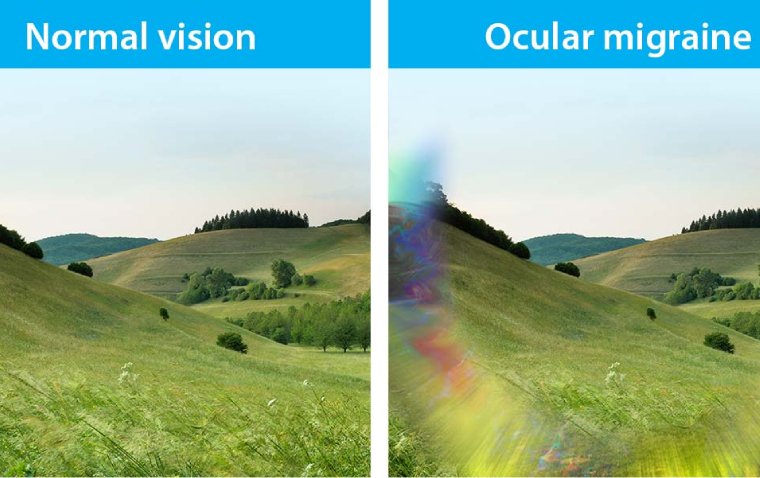
Why am I suddenly getting ocular migraines? If you have recently started seeing flashing lights, zigzag lines, blind spots, or temporary vision disturbances, you are not alone — and you are right to want answers.
Ocular migraines can be startling, especially when they appear for the first time without warning.
They are usually harmless and short-lived, but sudden onset always deserves attention.
What Are Ocular Migraines?

The term “ocular migraine” is widely used but not a single, precise medical diagnosis. It generally refers to migraine episodes that involve visual disturbances — with or without a headache.
Two types are most commonly discussed under this umbrella term:
Migraine with Aura (Visual Aura)
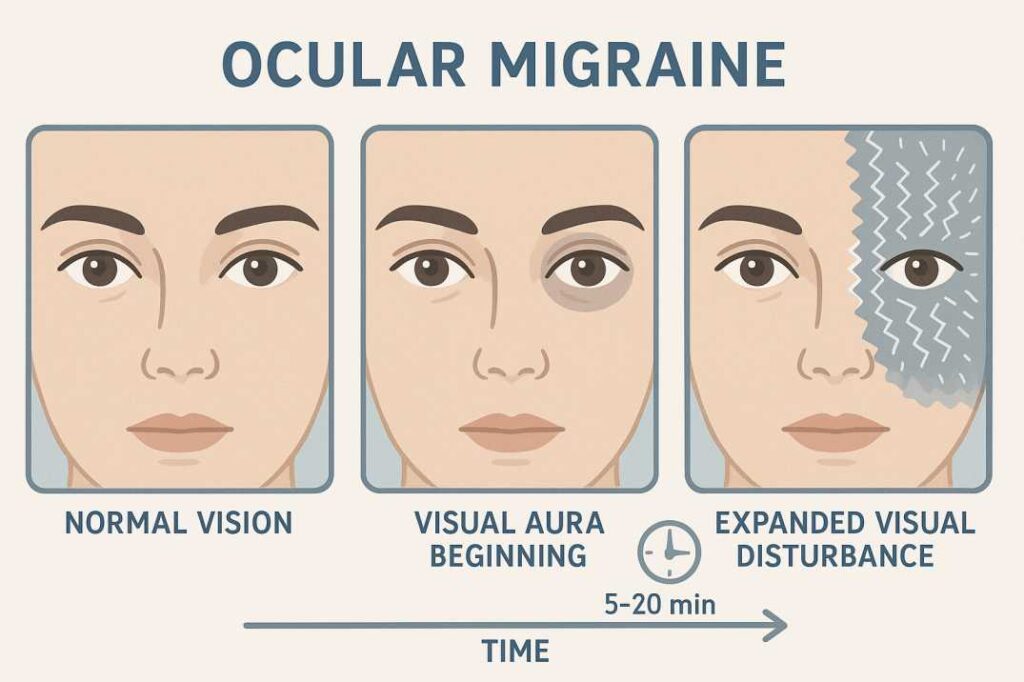
This is the most common type. Visual aura is a neurological phenomenon produced by the brain — not the eyes. It affects both eyes simultaneously and remains visible even with your eyes closed.
Aura symptoms include zigzag or wavy lines, shimmering patterns, kaleidoscope-like effects, bright flashes, and temporary blind spots. The aura usually lasts between 20 and 30 minutes and may be followed by a headache — though not always.
Retinal Migraine
A retinal migraine is rarer and affects only one eye. It is caused by reduced blood flow to the retina — the light-sensitive tissue at the back of the eye. Symptoms include temporary vision loss, flickering or twinkling lights (scintillations), and blind spots in one eye only.
Retinal migraines resolve on their own but should always be evaluated by an eye doctor, as the symptoms can resemble more serious conditions like retinal detachment.
Why Are You Suddenly Getting Ocular Migraines?
The most common question doctors hear is: “Why now? I never had these before.” The answer usually involves a combination of new triggers, underlying susceptibility, and changes in lifestyle, health, or hormones. Here is a detailed look at each possible reason.
Increased or New Stress Levels
Stress is one of the leading triggers for ocular migraines. When you are under stress, your body releases cortisol and adrenaline. These stress hormones cause blood vessels in the brain to constrict and then dilate — a pattern directly associated with migraine episodes.
Chronic stress keeps cortisol elevated for long periods. Over time, this makes the brain more “excitable” and lowers the threshold needed to trigger a migraine. If something major has changed in your work, relationships, finances, or daily routine, stress is likely playing a role.
Hormonal Changes in Women
Hormones — particularly estrogen — have a powerful influence on migraine activity. Falling estrogen levels just before menstruation are a very common sudden trigger. Many women experience their first ocular migraine during puberty, just before their period, during pregnancy, or at the start of perimenopause.
Starting or changing hormonal contraceptives (birth control pills, patches, or hormonal IUDs) can also shift estrogen levels enough to trigger new migraine activity. If your ocular migraines began shortly after a hormonal change, this connection is worth discussing with your doctor.
Dehydration
Dehydration is a straightforward but frequently overlooked migraine trigger. When fluid intake drops, blood volume decreases and the brain temporarily loses fluid. This reduction in cushioning and circulation can trigger the vascular changes that set off an ocular migraine.
Even mild dehydration — not drinking enough during a busy day, increasing exercise without replacing fluids, or drinking more caffeine or alcohol — can be enough to trigger an episode.
Dietary Triggers and Recent Diet Changes
Certain foods and drinks are well-established migraine triggers. If you have recently changed what you eat — started a new diet, added supplements, or increased consumption of any of these — it could be the reason for a sudden onset.
Common dietary triggers include:
- Caffeine — both excess use and sudden withdrawal
- Alcohol — especially red wine and dark spirits
- Tyramine-rich foods — aged cheeses, cured meats, fermented products
- MSG (monosodium glutamate) — found in processed and fast foods
- Nitrates — in processed meats like bacon, hot dogs, and deli meat
- Artificial sweeteners — particularly aspartame
- Chocolate
- Citrus fruits (in some individuals)
Skipping meals and low blood sugar (hypoglycemia) are also strong triggers. The brain is extremely sensitive to drops in glucose levels.
Increased Screen Time and Eye Strain
Extended time staring at digital screens — computers, phones, tablets, and TVs — puts significant strain on the visual system. The combination of blue light exposure, flickering backlights, and sustained focus forces the eyes and brain to work harder.
If you have recently started a new job involving heavy computer use, increased your screen time at home, or changed your working environment, digital eye strain may be driving new ocular migraine episodes. The 20-20-20 rule (every 20 minutes, look 20 feet away for 20 seconds) is widely recommended to reduce eye strain.
Sleep Disruption

Changes in sleep patterns — sleeping less than usual, sleeping more than usual, or shifting sleep and wake times — are common sudden triggers. The brain relies on consistent sleep cycles to regulate pain sensitivity and vascular function.
Poor sleep quality raises cortisol levels, disrupts serotonin regulation, and lowers the brain’s migraine threshold. If your sleep has changed recently due to a new schedule, shift work, a new baby, or insomnia, this may be why ocular migraines have started.
Changes in Weather and Barometric Pressure
Weather changes — particularly drops in barometric pressure, sudden temperature swings, and high humidity — are recognized migraine triggers. The brain’s sensitivity to environmental pressure changes can cause blood vessel behavior that triggers an episode.
If you have moved to a new climate, experienced unusual seasonal weather, or notice your episodes correlate with storms and weather fronts, environment is likely a factor.
High Blood Pressure
Elevated blood pressure (hypertension) is a significant risk factor for sudden ocular migraines. When blood pressure rises, the blood vessels in the brain and eyes are under increased stress. This pressure can trigger the vascular changes associated with retinal migraines and migraine aura.
If you have not checked your blood pressure recently, it is worth doing so — especially if ocular migraines have appeared alongside other symptoms like headaches, dizziness, or visual blurring.
Caffeine Use and Withdrawal
Caffeine is a double-edged trigger. Moderate caffeine use can actually relieve some migraine pain (it is an ingredient in some migraine medications). However, high daily consumption desensitizes the brain over time. When caffeine is then reduced or stopped, the sudden withdrawal causes a rebound headache and can trigger visual migraine episodes.
If you have recently cut back on coffee, switched from caffeinated to decaffeinated drinks, or changed your caffeine timing, withdrawal may be responsible for new onset ocular migraines.
Smoking
Cigarette smoke — both active smoking and regular secondhand exposure — constricts blood vessels. This vasoconstriction is a direct mechanism in migraine development. Starting smoking, increasing the amount smoked, or being exposed to more secondhand smoke in a new environment can all trigger sudden onset ocular migraine episodes.
Genetic Predisposition
Migraines — including ocular migraines — have a strong genetic component. If a parent or close family member experiences migraines, you carry a higher biological susceptibility. This genetic tendency does not mean migraines are inevitable, but it does mean that when new triggers appear in your life, your nervous system is more likely to respond with a migraine than someone without the genetic background.
Underlying Medical Conditions
In some cases, new-onset ocular migraines signal an underlying health condition rather than a lifestyle trigger. Conditions that can cause or worsen sudden ocular migraine onset include:
- Lupus and autoimmune disorders — inflammation affects blood vessel behavior
- Antiphospholipid syndrome — increases blood clotting risk and vascular instability
- Thyroid disorders — hormonal imbalances influence migraine thresholds
- Anemia — reduced oxygen delivery to the brain
- High cholesterol or cardiovascular disease — affects arterial health
If ocular migraines appear alongside unexplained fatigue, joint pain, weight changes, or other systemic symptoms, a full medical evaluation is advised.
Ocular Migraine Symptoms: What You Will See
Knowing the symptom pattern helps distinguish ocular migraines from more serious conditions.
| Symptom | Description |
|---|---|
| Scintillating scotoma | A flickering or shimmering blind spot that grows and moves |
| Zigzag or arc lines | Bright, jagged lines often forming a crescent or arc pattern |
| Kaleidoscope vision | Colorful, fragmented patterns across the visual field |
| Flashing lights | Sudden bright flashes, often at the edge of vision |
| Tunnel vision | Narrowing of the central or peripheral visual field |
| Temporary blindness | Partial or complete loss of vision in one eye (retinal migraine) |
| Blurred or distorted vision | Images appear warped or out of focus temporarily |
Visual disturbances from migraine aura usually last 20 to 30 minutes. Retinal migraine symptoms can last up to 60 minutes. Both typically resolve completely without permanent damage.
Ocular Migraine vs. Other Serious Conditions
This is where things become critical. Ocular migraine symptoms overlap with several serious, sight-threatening, and life-threatening conditions. Never assume vision disturbances are always just a migraine — especially when they are new.
| Condition | How It Differs From Ocular Migraine |
|---|---|
| Retinal detachment | Sudden flashes and floaters, curtain effect, does not resolve fully |
| Transient ischemic attack (TIA) | Vision loss in one eye, may accompany numbness or speech difficulty |
| Stroke | Vision loss plus weakness, slurred speech, facial drooping |
| Giant cell arteritis | Severe headache, jaw pain, tenderness at temples, vision loss |
| Central retinal artery occlusion | Sudden, painless vision loss in one eye that does not recover quickly |
Seek emergency care immediately if you experience vision loss accompanied by weakness in the arm or leg, facial drooping, slurred speech, severe sudden headache, or any symptoms that do not fully resolve within 60 minutes.
Who Is Most Likely to Suddenly Develop Ocular Migraines?
Certain groups have a significantly higher risk of sudden onset ocular migraines.
| Risk Factor | Details |
|---|---|
| Women aged 30–40 | Estrogen fluctuations, hormonal contraceptives |
| People with migraine family history | Genetic predisposition to vascular sensitivity |
| Individuals under high stress | Elevated cortisol disrupts vascular regulation |
| Those with cardiovascular risk factors | High blood pressure, high cholesterol |
| Heavy screen users | Digital eye strain lowers visual threshold |
| Smokers | Vascular constriction from nicotine |
| People with autoimmune disorders | Systemic inflammation affects blood vessel behavior |
How Are Ocular Migraines Diagnosed?
There is no single test that definitively diagnoses an ocular migraine. Diagnosis is based on symptom history and ruling out other causes.
Eye Examination
An optometrist or ophthalmologist will examine the retina, optic nerve, and blood vessels inside the eye. This helps rule out retinal detachment, glaucoma, and other structural eye conditions.
Neurological Evaluation
A neurologist may assess for migraine with aura, evaluate the pattern and frequency of episodes, and review any neurological symptoms accompanying the vision disturbances.
Blood Tests and Imaging
If an underlying condition is suspected — such as autoimmune disease, cardiovascular problems, or lupus — blood tests, an MRI, or a CT scan may be ordered to rule out other causes.
Migraine Diary
Keeping a detailed diary of episodes — including time, duration, visual symptoms, possible triggers, associated headache, and recent activities — gives your doctor valuable information to confirm a pattern and identify triggers.
Treatment Options for Ocular Migraines
There is no single cure, but there are effective strategies for reducing frequency and severity.
Managing Acute Episodes
When an ocular migraine begins, the best immediate steps are:
- Stop what you are doing — do not drive
- Rest in a quiet, dim room
- Close your eyes or apply a cool compress
- Stay hydrated — drink water
- Wait — most episodes resolve within 30 minutes without medication
Preventive Medications
For frequent or severe episodes, doctors may prescribe preventive medication. Common options include:
- Calcium channel blockers (verapamil, nifedipine) — reduce blood vessel reactivity
- Beta-blockers (propranolol) — stabilize vascular response
- Antiepileptic drugs (topiramate, valproate) — reduce neural excitability
- Tricyclic antidepressants (amitriptyline) — lower migraine frequency
- Aspirin — sometimes recommended for retinal migraine patients
Always discuss medication options with a neurologist or headache specialist before starting or changing any treatment.
Lifestyle and Trigger Management
This is the most sustainable long-term strategy. Identifying and eliminating personal triggers reduces episode frequency significantly.
Proven Strategies to Prevent Ocular Migraines
Keep a Migraine Diary
Track every episode. Note the time, what you ate and drank, your stress level, sleep quality, weather, screen time, and hormonal cycle (for women). After a few weeks, patterns usually emerge that reveal your specific triggers.
Stay Consistently Hydrated
Aim for at least 8 glasses of water per day. Increase intake during exercise, hot weather, or illness. Carry a water bottle as a daily habit.
Regulate Sleep
Maintain consistent sleep and wake times — even on weekends. Aim for 7 to 9 hours of quality sleep per night. Avoid screens for at least 30 minutes before bed.
Manage Stress Actively
Build daily stress reduction into your routine. Exercise, meditation, yoga, deep breathing, and regular outdoor time all reduce cortisol and lower migraine risk. Even 10–15 minutes of daily relaxation practice can make a measurable difference over time.
Follow the 20-20-20 Rule for Screens
Every 20 minutes of screen use, look at something at least 20 feet away for 20 seconds. Adjust screen brightness, use blue light filters, and position screens at eye level to reduce strain.
Reduce or Eliminate Known Food Triggers
Review your diet for common triggers. Try an elimination approach — remove one suspected food for 2–3 weeks and track whether migraine frequency changes. Common starting points are alcohol, caffeine, aged cheeses, and processed meats.
Control Blood Pressure
Monitor your blood pressure regularly. If it is consistently elevated, work with your doctor on lifestyle changes — reducing sodium, exercising regularly, losing weight if needed, and taking prescribed medication if lifestyle alone is insufficient.
Quit Smoking
Smoking directly constricts blood vessels and is a recognized migraine trigger. Smoking cessation reduces migraine frequency and improves overall vascular health.
Review Medications and Contraceptives
If you recently started a new medication — especially hormonal contraceptives — discuss with your doctor whether it may be contributing to new migraine onset. Some women benefit from switching contraceptive types; others may need to stop hormonal contraceptives entirely.
Foods That Trigger vs. Foods That May Help Ocular Migraines
| Trigger Foods to Avoid | Potentially Helpful Foods |
|---|---|
| Aged cheeses (cheddar, brie) | Magnesium-rich foods (spinach, almonds, pumpkin seeds) |
| Red wine and dark spirits | Omega-3 foods (salmon, walnuts, flaxseed) |
| Cured and processed meats | Ginger (anti-inflammatory properties) |
| Chocolate | Riboflavin (B2) foods — eggs, lean meats, dairy |
| Foods with MSG | Whole grains and complex carbohydrates |
| Caffeinated drinks (excess) | Adequate water throughout the day |
| Artificial sweeteners | Leafy green vegetables |
Magnesium deficiency is particularly associated with migraines. Many migraine specialists recommend magnesium supplementation (typically 400–500 mg daily) as a safe, evidence-backed preventive measure. Always consult your doctor before starting supplements.
What to Do If Ocular Migraines Are New and Frequent
If you have started experiencing ocular migraines for the first time, or if previously infrequent episodes have suddenly become more frequent, take these steps:
Book an appointment with your eye doctor first. They will examine your retina and rule out any structural eye conditions. If the eye exam is normal, ask for a referral to a neurologist or headache specialist.
Keep a detailed episode diary starting today. The information you record in the first few weeks will be the most valuable data your doctor uses to guide treatment.
Review recent changes in your life — new medications, dietary shifts, sleep changes, increased stress, hormonal changes, new job, new exercise routine. Any change in the weeks before your first episode is a potential clue.
Do not ignore new-onset visual symptoms. While ocular migraines are usually benign, the first episode always warrants a medical evaluation to rule out serious conditions.
When to Go to Emergency Care
Seek emergency medical care immediately if you experience:
- Sudden vision loss in one eye that does not recover within 60 minutes
- Visual disturbance plus slurred speech, facial drooping, or arm weakness
- The worst headache of your life starting suddenly
- Vision changes accompanied by confusion, loss of coordination, or vomiting
- Eye pain alongside vision loss
- Any stroke-like symptom alongside visual disturbances
These symptoms can indicate a stroke, TIA, or retinal artery occlusion — all of which require immediate treatment.
Frequently Asked Questions (FAQs)
Why am I suddenly getting ocular migraines with no history of migraines?
New triggers — stress, hormonal changes, dehydration, sleep disruption, or dietary shifts — can activate a genetic migraine tendency that was previously dormant. A first-time episode always warrants a medical evaluation.
Are ocular migraines dangerous?
Most ocular migraines are harmless and resolve without treatment. However, retinal migraines carry a small risk of permanent vision complications, and symptoms can mimic strokes or TIAs — so medical evaluation is important.
How long do ocular migraine episodes last?
Visual aura episodes typically last 20 to 30 minutes. Retinal migraine visual disturbances can last up to 60 minutes. Both resolve completely in most cases.
Can stress alone cause sudden ocular migraines?
Yes. Elevated cortisol and adrenaline from stress constrict and dilate blood vessels in the brain, directly triggering migraine episodes. Chronic stress lowers the overall migraine threshold over time.
Can hormonal birth control cause ocular migraines?
Yes. Hormonal contraceptives affect estrogen levels, which is a key migraine trigger. Some women notice new or more frequent ocular migraines after starting or changing contraceptives. Discuss this with your doctor, as some contraceptive types are better tolerated than others.
What foods should I avoid to prevent ocular migraines?
Avoid aged cheeses, red wine, processed meats, chocolate, MSG-containing foods, caffeine excess, and artificial sweeteners. Keep a food diary to identify your personal triggers.
Can dehydration trigger ocular migraines?
Yes. Even mild dehydration reduces blood volume and affects brain circulation, which can trigger migraine episodes. Drinking at least 8 glasses of water daily is one of the simplest prevention strategies.
Should I see an eye doctor or a neurologist for ocular migraines?
Start with an eye doctor to rule out structural eye conditions. If the eye exam is normal, a neurologist or headache specialist can diagnose migraine with aura or retinal migraine and guide treatment.
Can screen time cause ocular migraines to start suddenly?
Yes. A significant increase in screen time causes eye strain and visual system overload, which can trigger new ocular migraine episodes. Use the 20-20-20 rule and blue light filters to reduce the risk.
Is there a cure for ocular migraines?
There is no definitive cure, but preventive medications (calcium channel blockers, beta-blockers, antiepileptics) and trigger management reduce frequency and severity significantly for most people.
Conclusion
Why am I suddenly getting ocular migraines? The answer almost always comes down to a combination of genetic susceptibility and new triggers — stress, hormonal shifts, dehydration, diet changes, sleep disruption, excess screen time, or an underlying health condition that has reached a tipping point.
The visual disturbances are frightening when they first appear, but in most cases they are temporary, harmless, and highly manageable.
The most important first step is getting a proper evaluation to rule out serious conditions like retinal detachment, stroke, or TIA.
Once those are excluded, the focus shifts to identifying your personal triggers through a migraine diary, making targeted lifestyle changes, and working with a neurologist if episodes are frequent or severe.
With the right approach — consistent sleep, good hydration, stress management, trigger avoidance, and medical support when needed — most people with ocular migraines reduce their episodes dramatically.
You do not have to live with unpredictable visual disruptions. Understanding the cause puts you firmly in control of managing them.