Why Are Wasps So Aggressive? What Triggers Them 2026
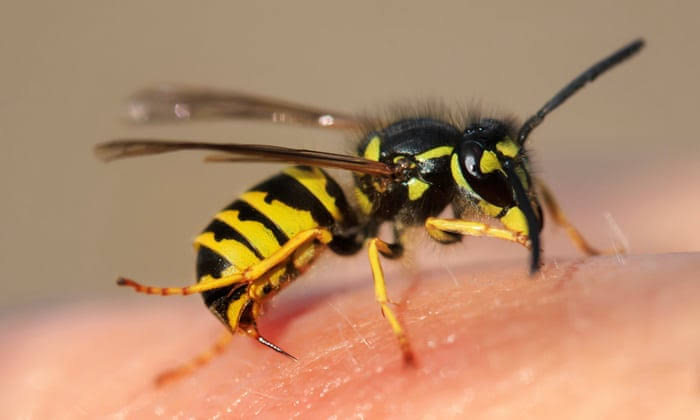
Why are wasps so aggressive? That is one of the most common questions people ask every summer. Wasps are not mindlessly violent insects. They sting for real, biological reasons, and understanding those reasons can help you stay safe.
Whether you are hosting a backyard barbecue or mowing your lawn, knowing what triggers a wasp can mean the difference between a pleasant afternoon and a painful encounter.
What Makes Wasps Aggressive in the First Place
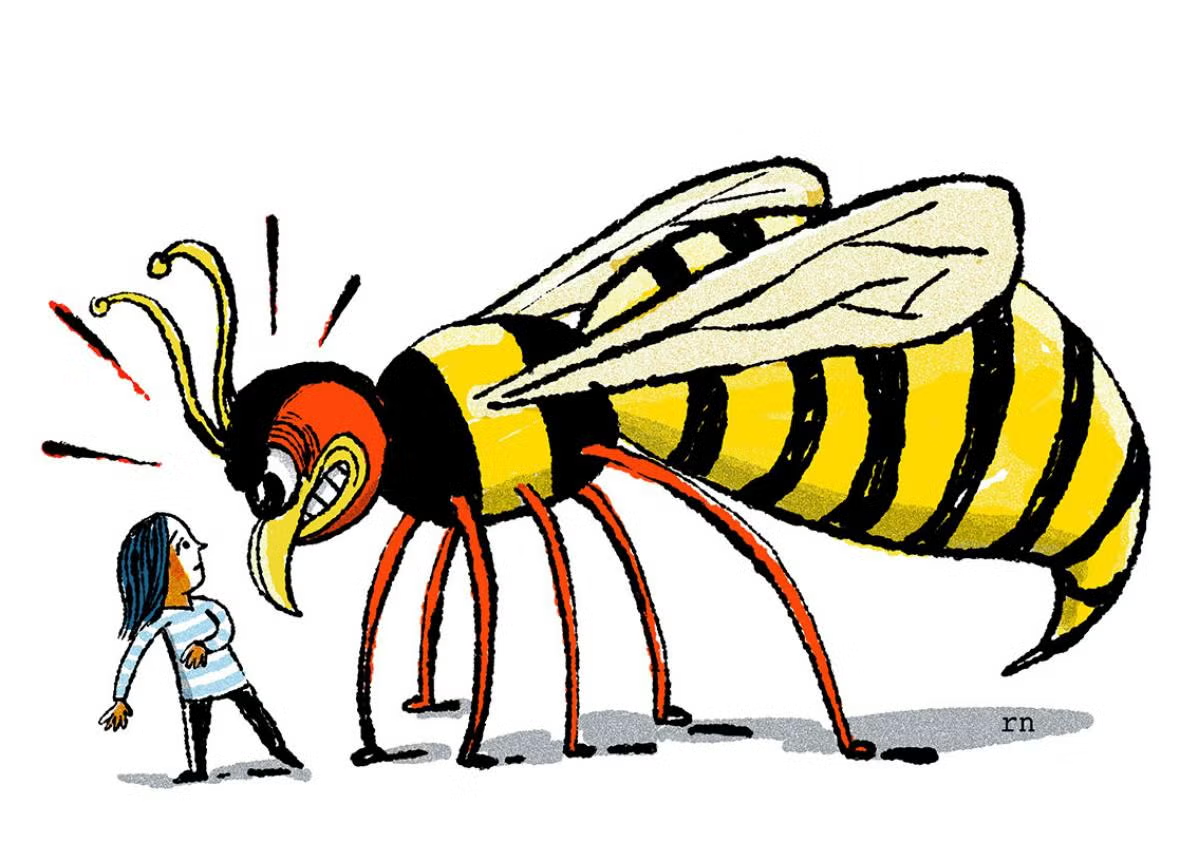
Wasps are not aggressive by nature. They are defensive. Almost every wasp sting you have ever experienced was triggered by something, even if you did not realize it.
The core reason wasps become aggressive is nest protection. Social wasp species, like yellow jackets and paper wasps, have thousands of workers whose only job is to protect the queen and the colony. When they sense a threat, they act fast and they act together.
A secondary cause is food competition. In late summer and fall, worker wasps lose their primary food source and start hunting aggressively for sugar and protein wherever they can find it, which often means your plate.
The Wasp Life Cycle and Why It Drives Aggression
Understanding the wasp life cycle explains almost everything about their behavior across the year.
In spring, a single queen emerges from hibernation and builds a small nest alone. The colony is tiny at this point and wasps are relatively calm.
By midsummer, the colony is booming. Workers are focused on feeding larvae and building the nest. They are busy but manageable.
By late summer and early fall, the colony hits peak population. Sometimes thousands of workers are active in one nest. The queen begins to slow down egg production. Workers lose their food reward (a sweet substance called larval secretion that the larvae produce for them) and suddenly have nothing to do and nothing to eat.
This is when wasps become desperate, bold, and dangerous.
| Season | Colony Size | Aggression Level | Main Focus |
|---|---|---|---|
| Spring | Very Small | Low | Nest building |
| Early Summer | Growing | Moderate | Feeding larvae |
| Late Summer | Peak | High | Food scarcity, nest defense |
| Fall | Declining | Very High | Survival, reproduction |
| Winter | Only Queen Survives | None | Hibernation |
Why Are Wasps So Aggressive in Late Summer and Fall
Late summer is the peak period for wasp aggression and there are three overlapping reasons.
Colony size hits its maximum. A single nest can hold thousands of wasps by August or September. More wasps means more chances of accidental encounters and more defenders ready to respond.
Food sources run out. Flowers die, nectar becomes scarce, and the larvae stop producing their sweet secretion. Worker wasps suddenly need to find calories on their own, which sends them hunting near humans.
Worker wasps are essentially unemployed. When the queen stops laying eggs, workers lose their primary purpose. They become erratic, restless, and far more willing to sting over minor provocations.
The 7 Biggest Triggers of Wasp Aggression
Knowing what triggers a wasp is your best defense against getting stung. These are the most common causes.
1. Getting Too Close to a Nest
This is the number one trigger. Wasps defend a zone around their nest, and crossing into it, even accidentally, can launch an attack. Vibrations from lawn mowers, weed trimmers, or even slamming a car door nearby can set them off without you ever seeing the nest.
2. Alarm Pheromones
When one wasp stings, it releases a chemical signal called an alarm pheromone. This signal tells every nearby wasp that there is a threat, triggering a coordinated group attack. This is why one sting can quickly turn into many.
3. Swatting or Sudden Movements
Swinging your arm at a wasp is one of the worst things you can do. The wasp interprets it as an attack and responds accordingly. Slow, deliberate movements are always safer around wasps.
4. Bright Colors and Floral Patterns
Wasps are attracted to colors that resemble flowers. Wearing bright yellows, oranges, or floral prints outdoors during peak season increases your chances of attracting curious, food-seeking wasps.
5. Sweet Smells and Food
Open soda cans, ripe fruit, meat on the grill, and even certain perfumes or sunscreens draw wasps in. Once a wasp finds a food source, it will defend that source aggressively, just like it would defend its nest.
6. Trapping or Cornering a Wasp
If a wasp feels trapped, inside a car, under clothing, or in a confined space, it will sting. A wasp that cannot escape sees stinging as its only option.
7. Disturbing a Hidden Nest
Many wasps build nests underground, inside wall voids, under decking, or in attic spaces. You can accidentally disturb one without ever seeing it. Digging in the garden or reaching into a bush are common ways this happens.
Which Wasp Species Are the Most Aggressive
Not all wasps behave the same way. Species matters a great deal when it comes to aggression level.
Yellow Jackets
Yellow jackets are responsible for the majority of wasp stings to humans in North America, accounting for roughly 70 percent of all reported cases. They are fast, colonial, and highly territorial. They build nests underground or in wall cavities, making them easy to stumble upon. Unlike many wasps, yellow jackets will sting with minimal provocation and can sting repeatedly without losing their stinger.
Bald-Faced Hornets
Bald-faced hornets are among the most aggressive wasps you will encounter. They build large aerial nests, often in trees or on buildings, and have been known to swarm intruders who come too close. Their stings are especially painful.
Paper Wasps
Paper wasps are generally calmer than yellow jackets but will defend their umbrella-shaped nests aggressively. They often nest under eaves, porch ceilings, and window ledges, putting them in close proximity to humans.
Mud Daubers and Digger Wasps
These solitary wasps are much less aggressive. They do not have a colony to defend and rarely sting unless directly handled or trapped. If you see a mud dauber, you can usually leave it alone safely.
| Wasp Species | Aggression Level | Nest Location | Sting Behavior |
|---|---|---|---|
| Yellow Jacket | Very High | Underground, wall voids | Multiple stings, minimal provocation |
| Bald-Faced Hornet | Very High | Aerial, trees, buildings | Swarms, painful sting |
| Paper Wasp | Moderate | Eaves, porch ceilings | Defensive, repeated stings |
| Mud Dauber | Low | Mud tubes on walls | Rarely stings |
| Digger Wasp | Low | Underground burrows | Only if handled directly |
How Alarm Pheromones Turn One Wasp Into a Swarm
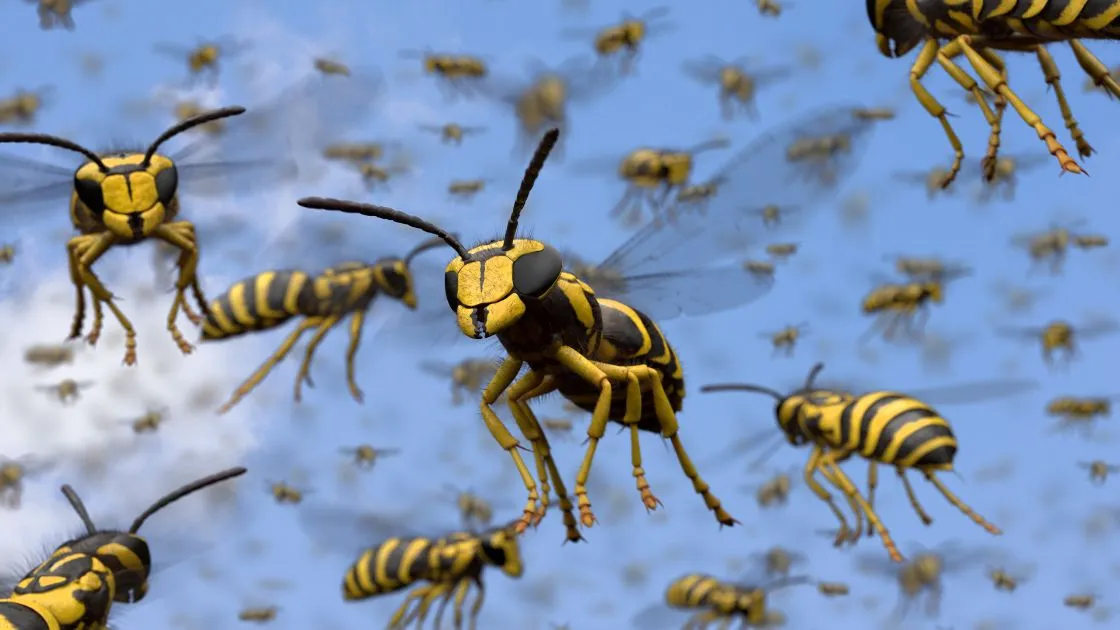
This mechanism is one of the most important things to understand about why wasps seem so aggressive in groups.
When a wasp perceives danger, it releases a chemical alarm pheromone from its venom sac. This chemical drifts through the air and is detected by nearby nestmates almost instantly. The signal essentially means: threat detected, defend now.
Other wasps in the area immediately shift into defensive mode. They seek out the source of the threat and attack. This is why crushing or killing a wasp near a nest is one of the worst things you can do. The dead wasp releases more alarm pheromone as it is crushed, intensifying and prolonging the swarm response.
The more wasps are present, the faster and larger the defensive response will be. This is also why late summer, when colony populations are at their peak, is the most dangerous time to disturb a nest.
Do Wasps Sting for No Reason
This is a very common belief, especially about yellow jackets, and it deserves a direct answer.
Wasps almost never sting truly unprovoked. What feels like a random sting usually has a cause you did not notice: you got too close to a hidden nest, your perfume smelled like food, you made a sudden movement, or you accidentally crowded a foraging wasp.
Yellow jackets in late summer do have a much shorter fuse than other species and other seasons, which makes their stings feel random. But even then, there is almost always a trigger. The wasp is either defending a food source, responding to your movement, or reacting to a scent.
The one honest exception is in fall, when worker wasps are desperate, underfed, and irritable. Their behavior becomes less predictable, and the threshold for a sting is lower than at any other time of year.
How Weather and Climate Affect Wasp Aggression
Environmental conditions play a big role in how many wasps you encounter and how aggressive they are.
Warm winters allow queen wasps to survive hibernation at higher rates than usual. More surviving queens mean more colonies the following spring, which means a larger wasp population by late summer. Mild winters in recent years have contributed to noticeably bigger wasp populations in some regions.
Hot, dry summers reduce nectar and insect availability, forcing wasps to search more aggressively for food. In drought years, wasp aggression tends to be noticeably higher than in normal years because food scarcity kicks in earlier.
Longer warm seasons, driven by shifting climate patterns, also extend the period of peak wasp activity. What was once a 6-week problem can now stretch across several months in warmer regions.
Practical Ways to Avoid Getting Stung
You do not need to stay indoors all summer. These simple habits dramatically reduce your risk.
Keep food covered when eating outside. Clear plates and drink containers quickly. Wasps can find open food in minutes. Cover trash cans outdoors, since garbage is one of the most reliable attractants for foraging wasps in late summer.
Avoid wearing floral prints or bright yellow and orange clothing during peak wasp season. Skip heavy floral perfumes or fragrant sunscreen when spending time in areas where wasps are active.
Never swat at a wasp. Stay calm, move slowly, and let it leave on its own. A wasp that is not trapped or threatened will almost always fly away without stinging.
Check before you mow. Walk the area first and look for ground-level nest openings or unusual wasp activity near the lawn. If you find a nest while mowing, back away slowly, do not run.
Seal gaps in your home’s exterior. Wasps look for sheltered spaces to build nests, and wall voids, roof gaps, and loose siding are prime targets. Filling these cracks in spring reduces the chance of an in-wall nest by fall.
The Role of Wasp Venom and Why Stings Feel So Painful
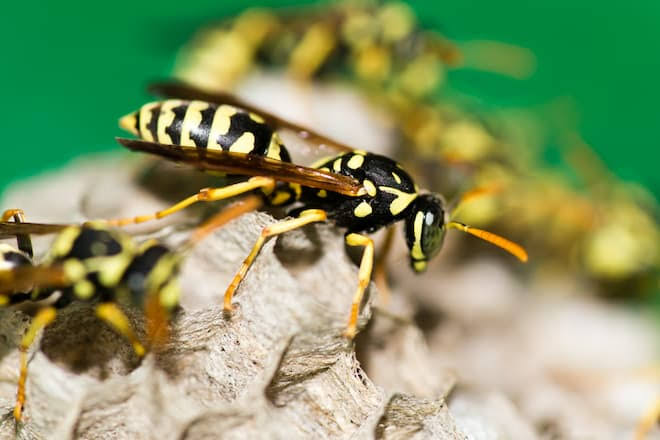
When a wasp stings, it injects venom through a smooth, unbarbed stinger. Because the stinger has no barb, the wasp can pull it out cleanly and sting again immediately. This is a key biological difference from honey bees, which lose their barbed stinger after one sting and die.
Wasp venom contains a mix of compounds including histamine, serotonin, and acetylcholine. These chemicals cause the sharp burning pain, localized swelling, and redness you feel after a sting. For most people, the pain peaks within a few minutes and the swelling goes down over hours.
For people with a venom allergy, however, the situation is far more serious. An allergic reaction can cause hives, throat swelling, rapid heartbeat, and in severe cases, anaphylactic shock. People who know they are allergic should always carry an epinephrine auto-injector (EpiPen) when spending time outdoors during wasp season.
It is also worth noting that repeated stings deliver more venom. A swarm attack involving dozens or hundreds of stings can be medically dangerous even for people with no known allergy, because the cumulative dose of venom can overwhelm the body.
How to React if You Are Attacked by Wasps
If wasps begin attacking you, your immediate reaction matters a lot. Many people make mistakes in the panic of the moment that result in more stings.
Do not swat. Your instinct will be to swing your arms but every swatting motion is interpreted as an attack and prolongs the pursuit. Keep your arms close to your body as much as possible while moving away.
Move away calmly but deliberately. Do not run in a panic. Wasps can fly faster than you. Running triggers pursuit behavior and flailing arms make it worse. Walk quickly and steadily toward shelter.
Get indoors or into a vehicle as fast as you can. Wasps will not follow you into an enclosed space for long. Once inside, any wasps that entered with you will be easier to deal with individually.
Do not jump into water. Wasps will wait for you to surface. This is a common but dangerous mistake people make when attacked near ponds or pools.
After the attack, remove any stingers you can see, wash the sting sites with soap and water, and apply a cold compress to reduce swelling. Take an antihistamine if you have one. Seek emergency care immediately if you experience signs of an allergic reaction.
When to Call a Professional
Some wasp situations are genuinely dangerous and should not be handled alone.
If you find a nest larger than a golf ball, especially inside your home’s walls, in an attic, or underground in a high-traffic area, call a licensed pest control professional. Attempting to remove a large, established nest without proper equipment and protection is how people end up in emergency rooms.
If anyone in your household has a known allergy to wasp venom, do not attempt any nest removal yourself under any circumstances. A severe allergic reaction (anaphylaxis) can become life-threatening within minutes of a sting.
If you notice a nest near a door, window, or outdoor seating area, treatment is urgent. High-traffic areas around nests almost always result in accidental stings.
Frequently Asked Questions (FAQs)
Why are wasps so aggressive in the fall?
In fall, wasp colonies peak in size and food becomes scarce. Worker wasps lose their larval food source and become desperate, bold scavengers that sting at the slightest provocation.
Do wasps sting for no reason?
Almost never. Wasps sting in response to a perceived threat, which might be your movement, a nearby nest, or a scent. In late summer their threshold is much lower, making stings feel random.
Why do wasps chase you?
Wasps chase you because they have identified you as a threat, usually to their nest or food source. Running triggers a pursuit response. Move away calmly instead.
What triggers wasps to attack?
The main triggers are proximity to the nest, swatting or sudden movements, loud vibrations, alarm pheromones from another wasp, bright colors, and sweet or food-like smells.
Are wasps more aggressive than bees?
Yes, in most cases. Wasps can sting multiple times, have no barbed stinger to lose, and defend food sources aggressively. Bees typically only sting once and are less territorial about food.
What smell triggers wasps?
Sweet smells like sugary drinks, ripe fruit, and certain perfumes attract wasps. Alarm pheromones released by a stinging wasp also trigger nearby wasps to attack.
Why are yellow jackets the most aggressive wasps?
Yellow jackets live in large underground colonies, have a strong nest-defense instinct, and shift aggressively to carbohydrate foraging in late summer. They sting with little warning and multiple times.
Can wasps sting multiple times?
Yes. Unlike honey bees, wasps have smooth stingers with no barb. They can withdraw and sting again repeatedly without dying, which makes them more dangerous in swarm situations.
How do I stop wasps from being aggressive near my home?
Cover outdoor food and trash, seal exterior gaps, avoid floral scents, and never disturb a nest yourself. Removing nests in spring before they grow large is the most effective prevention.
When are wasps least aggressive?
Wasps are least aggressive in spring when colonies are small and food is plentiful. A single queen starting a nest has little reason to attack unless directly disturbed.
Conclusion
Why are wasps so aggressive? The answer comes down to biology, survival, and timing. Wasps are not mean-spirited insects. They are highly organized colony creatures that sting to protect their queen, their nest, and their food supply.
The aggression you experience in late summer and fall is the product of a colony at full population, running out of food, and preparing for winter. Understanding this makes wasps far less mysterious and far easier to avoid.
Stay calm around them, respect their space, remove food attractants from your yard, and seal up your home before they move in. If you encounter a large or hidden nest, let a professional handle it safely. The more you know about wasp behavior, the less power they have to ruin your time outdoors.