Why Did George Kill Lennie in Of Mice and Men Explained 2026
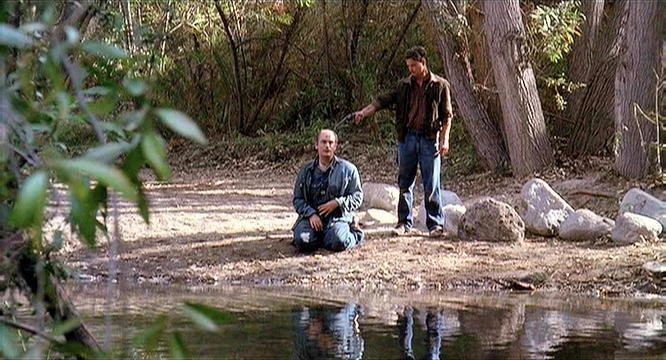
Why did George kill Lennie? It is one of the most heartbreaking questions in all of American literature. In John Steinbeck’s novella Of Mice and Men, George Milton shoots his closest friend Lennie Small at the end of the story.
This was not an act of hatred or anger. It was an act rooted in mercy, loyalty, and love.
To fully understand why George made this impossible choice, you need to look at the events leading up to it, the themes Steinbeck weaves throughout the novella, and the moral weight of that final moment on the riverbank.
Background: Who Are George and Lennie?
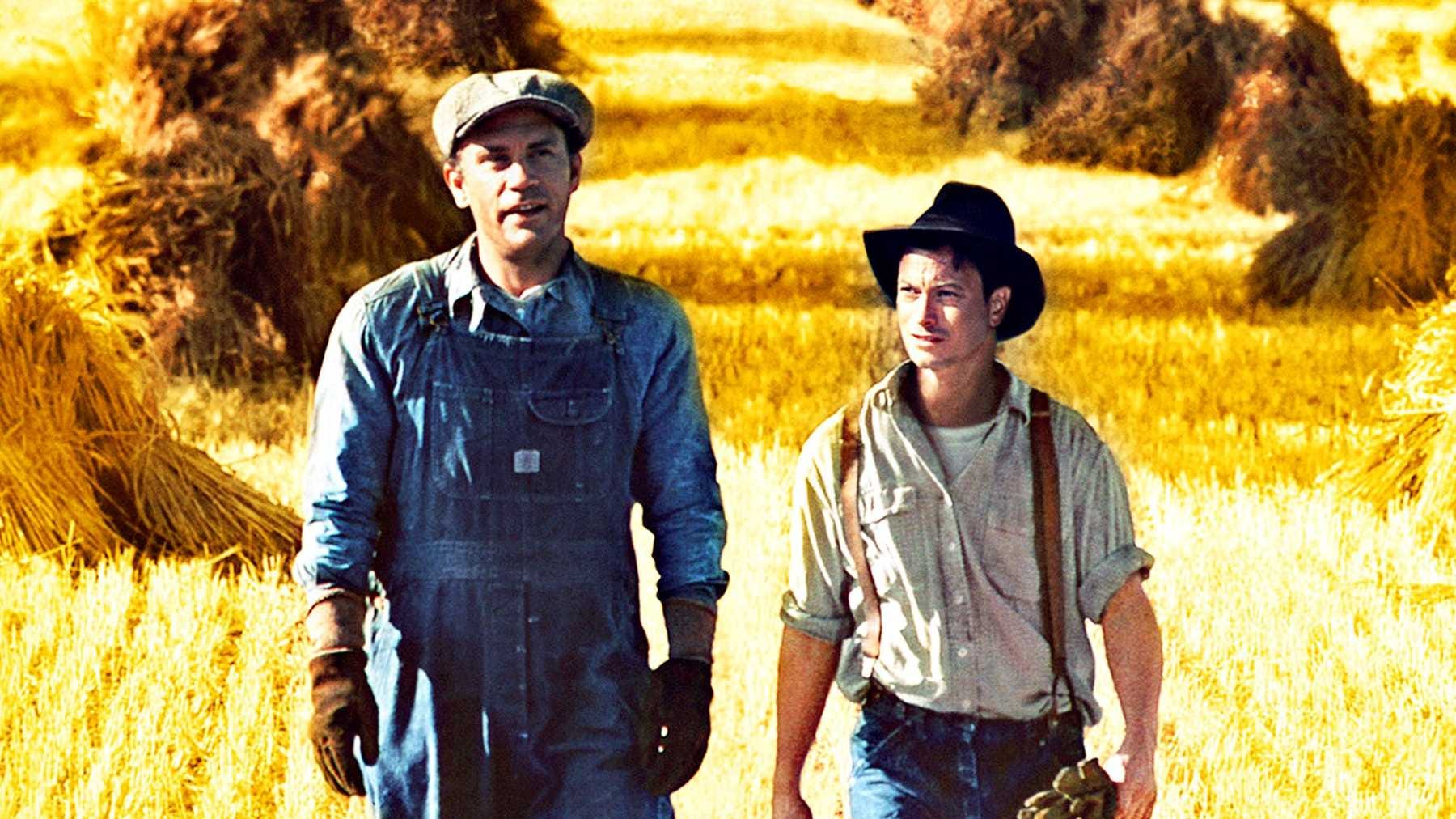
George Milton and Lennie Small are two migrant workers traveling together during the Great Depression era in California.
George is small, sharp, and quick-witted. Lennie is physically enormous but has a significant intellectual disability. He cannot control his own strength and often causes harm without intending to.
Despite their differences, they share a powerful bond. They travel together, work together, and share a dream of one day owning their own land and living freely.
The Dream Farm and What It Represents
George and Lennie often talk about their dream of owning a small farm. They would grow their own crops, keep rabbits, and live without having to answer to anyone.
This dream is more than just a wish. It is a symbol of the American Dream and the hope of independence for the poor and powerless.
Lennie especially loves the idea of tending the rabbits. The rabbits represent safety, comfort, and a future free from chaos and violence.
What Happened Before George Killed Lennie?
To understand why George killed Lennie, you have to understand the events in Chapter 5.
Lennie is alone in the barn with Curley’s wife. She lets him touch her soft hair. When she begins to panic and scream, Lennie grabs her tighter, trying to stop her from making noise.
He accidentally breaks her neck and kills her. This was not intentional. Lennie did not understand the consequence of his strength.
Once Curley discovered his wife was dead, he immediately formed a mob to find Lennie and kill him in a brutal and painful way.
Curley’s Threat and the Mob Mentality
Curley was furious and made his intentions very clear. He said he wanted the men to shoot Lennie in the stomach so he would die slowly and in agony.
This was not about justice. It was about revenge and rage. Lennie would have suffered enormously at the hands of Curley and the other ranch hands.
George understood this. He knew Lennie would not be captured and given a fair trial. He knew Lennie would be hunted down and tortured.
How Did George Kill Lennie?
George took Carlson’s Luger pistol without the others knowing his plan. He sent the mob off in the wrong direction to buy time.
George found Lennie sitting alone at the riverbank, the same place George had told him to go if anything ever went wrong.
He sat beside Lennie and spoke gently to him. He told him he was not angry. He asked Lennie to look out across the river and picture their dream farm one last time.
As Lennie looked away and smiled, thinking about the rabbits, George shot him once in the back of the head. Lennie felt nothing. He died happy and at peace.
The 5 Core Reasons George Killed Lennie
| Reason | Explanation |
|---|---|
| Mercy Killing | To spare Lennie from a slow, painful death by the mob |
| Loyalty | George felt it was his duty as Lennie’s only friend and guardian |
| Protection | To stop Lennie from hurting anyone else in the future |
| Promise to Aunt Clara | George had promised to always look after Lennie |
| The Candy’s Dog Parallel | Steinbeck foreshadowed this moment with Candy’s old dog |
Reason 1: It Was an Act of Mercy
The clearest reason George killed Lennie was mercy. Lennie was going to die no matter what. The only question was how.
Curley wanted Lennie to suffer. George could not allow that. He chose to end Lennie’s life quickly, painlessly, and with love.
This is the definition of a mercy killing. George did not act out of anger. He acted out of compassion.
Reason 2: George Felt a Deep Sense of Loyalty and Responsibility
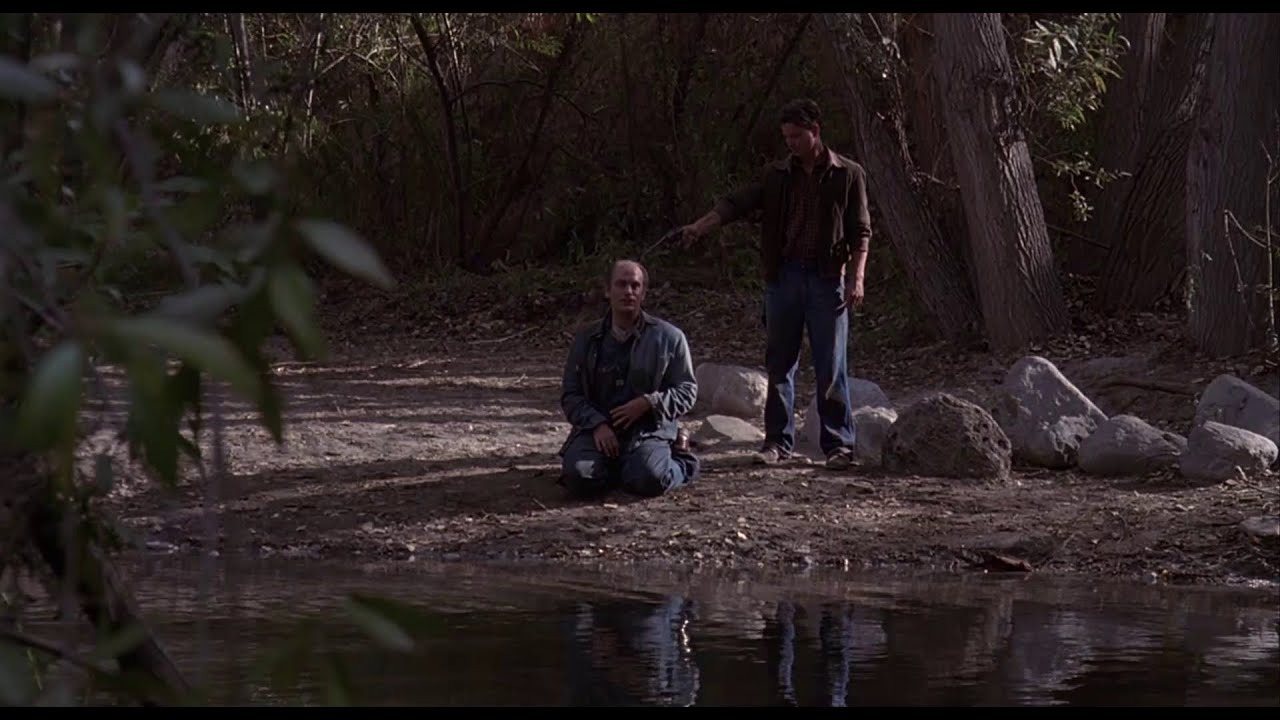
George had taken care of Lennie for years. He had made a promise to Lennie’s Aunt Clara before she died to look after him.
This promise was more than an obligation. It was a bond of love and duty that George honored until the very end.
He could not let a stranger kill Lennie. He could not let an angry mob destroy him. This was George’s responsibility to carry.
Reason 3: Lennie Would Have Hurt Others Again
Lennie’s pattern of accidental harm was well established throughout the novella. He had killed mice, crushed a puppy, and choked a woman in Weed before arriving at the ranch.
George knew that even if they escaped this situation, Lennie would eventually cause another tragedy. His inability to control his strength was permanent.
By ending Lennie’s life, George also protected future innocent people from being accidentally harmed.
Reason 4: The Candy’s Dog Parallel
Steinbeck carefully sets up a parallel early in the novel. Candy’s old dog is useless and suffering, and a ranch hand named Carlson convinces Candy to let him shoot the dog.
Candy later tells George he wishes he had been the one to shoot his own dog himself. He regrets letting a stranger do it.
George remembered this. He was not going to let a stranger or an angry mob kill his closest companion. He was going to do it himself, as an act of love and ownership of that responsibility.
Reason 5: There Was No Other Option
George considered all possibilities. Running was not a solution. Lennie could not hide forever. He had no survival skills and would have been captured quickly.
An asylum in the 1930s would have been a horrific fate for Lennie. He would have been confused, terrified, and treated cruelly.
Prison was equally impossible for Lennie to understand or survive. George saw no path that led to Lennie being okay.
What Does George Killing Lennie Symbolize?
Steinbeck packed this moment with deep symbolic meaning. The death of Lennie represents the death of the American Dream for the poor and vulnerable.
When George kills Lennie, he also kills their shared dream of the farm and the rabbits. That dream dies on the riverbank with Lennie.
It also symbolizes the cruelty of a world that has no place for the innocent and the vulnerable. Lennie never meant harm to anyone. Yet the world still destroyed him.
The Emotional Weight on George After the Killing
After pulling the trigger, George was left completely alone. For the first time in years, he had no one to look after.
Slim, one of the ranch workers, walked over and understood immediately what George had done. He offered quiet comfort and walked away with him.
George lost his purpose, his companion, and his dream all in one moment. His grief was silent but devastating.
The Great Depression Context
It is important to understand that Of Mice and Men is set during the 1930s Great Depression. Life was brutal, jobs were scarce, and justice was not guaranteed for everyone.
Migrant workers like George and Lennie had no power, no property, and no protection from the legal system. The mob justice that Curley intended was entirely realistic for that era.
Steinbeck wrote this novel as a commentary on social injustice, loneliness, and the crushing of hope among society’s most vulnerable people.
Lennie’s Mental Disability and Moral Complexity
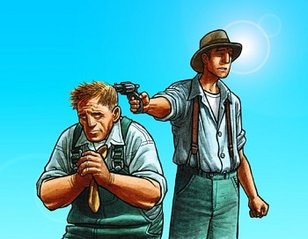
Lennie clearly has an intellectual disability. He cannot control impulses, does not understand consequences, and has the emotional mind of a child despite his giant body.
Modern readers often wrestle with the moral complexity of George’s decision. Should a person with a disability be killed for accidental harm?
Steinbeck does not answer this question for us. He presents it as a tragic inevitability shaped by the cruel circumstances of the world Lennie and George lived in.
Was George Morally Justified?
This is a question that students and scholars still debate. There are strong arguments on both sides.
Those who say yes argue that George acted with love, saved Lennie from suffering, and had no other realistic option given the time period and circumstances.
Those who say no argue that Lennie had a disability, never intended harm, and deserved a chance at life even an imperfect one.
There is no clean answer. Steinbeck intentionally leaves readers with this moral tension.
Quotes That Explain George’s Decision
Steinbeck gives us several key lines that reveal George’s mindset in those final moments.
George tells Lennie, “No, look down there acrost the river, like you can almost see the place.” He wanted Lennie’s last vision to be the dream, not fear.
Slim tells George afterward, “You hadda, George. I swear you hadda.” This is Steinbeck giving George quiet validation through the most respected character on the ranch.
The Friendship Between George and Lennie
What makes this ending so devastating is the depth of their friendship. Most ranch workers during this era traveled alone. George and Lennie were different.
They looked out for each other. George protected Lennie from others. Lennie gave George a sense of purpose and a reason to dream.
When George kills Lennie, he destroys the one truly special thing he had. That is the real tragedy of Of Mice and Men.
Key Themes in the Final Scene
The final chapter of Of Mice and Men brings together all the major themes of the novella in one powerful moment.
| Theme | How It Appears in the Final Scene |
|---|---|
| Mercy | George shoots Lennie to prevent suffering |
| Friendship | George stays gentle and loving until the very end |
| The American Dream | George describes the farm one last time before killing Lennie |
| Loneliness | George is completely alone after Lennie’s death |
| Social Injustice | The mob led by Curley represents cruel, unchecked power |
| Mental Disability | Lennie dies because the world cannot accommodate his condition |
The Significance of the Riverbank Setting
Steinbeck chose the riverbank deliberately for the final scene. It is the same peaceful place George described at the very beginning of the novella.
The Salinas River represents escape, beauty, and the possibility of something better. Lennie dying here has poetic meaning. He died in a place of peace, not in chains or in terror.
The setting creates a sense of calm and mercy that contrasts powerfully with the violence of what has just happened elsewhere on the ranch.
How This Ending Connects to the Novel’s Opening
In the first chapter, George and Lennie rest at the same riverbank. George tells Lennie to return here if anything goes wrong.
Lennie follows this instruction at the end. The story forms a circle, beginning and ending at the same place.
This circular structure reinforces the theme that for people like George and Lennie, there is no escape. The dream was always going to end in this quiet spot by the water.
Reader and Critical Reactions Over the Years
Of Mice and Men has been both celebrated and challenged since its publication in 1937. It has been a staple of high school English classes for decades.
Many readers find the ending devastating but necessary. It honors the reality of the world Steinbeck was writing about.
Some critics and educators have debated whether the portrayal of Lennie’s disability is handled sensitively by today’s standards. These are important conversations that the novel continues to spark.
Why Teachers Assign This Novel
This novella is taught in schools around the world because it raises essential questions about compassion, morality, justice, and what we owe to those who are vulnerable.
It teaches students to think critically about difficult ethical decisions. There is no easy lesson here, which is exactly what makes it valuable.
George’s decision to kill Lennie is the kind of moral dilemma that forces students to think beyond right and wrong into the messy human space in between.
Frequently Asked Questions (FAQs)
Why did George kill Lennie in Of Mice and Men?
George killed Lennie to spare him from a slow and violent death at the hands of Curley’s angry mob. It was an act of mercy and deep friendship.
How did George kill Lennie?
George shot Lennie in the back of the head with Carlson’s Luger pistol while Lennie was looking away, imagining their dream farm. He died instantly and painlessly.
Was George justified in killing Lennie?
Many argue yes because it saved Lennie from torture and suffering. Others argue no because Lennie had a disability and never meant to cause harm. Steinbeck leaves this morally open.
What did Lennie do before George killed him?
Lennie accidentally killed Curley’s wife by breaking her neck when she panicked and screamed while he was touching her hair. This triggered the mob hunting him.
What does the killing of Lennie symbolize?
It symbolizes the death of the American Dream, the failure of society to protect the vulnerable, and the tragic cost of loyalty and love in a cruel world.
Did George want to kill Lennie?
No. George did not want to kill Lennie. He did it because he saw no other way to protect Lennie from a worse, more painful death.
What is the connection between Candy’s dog and Lennie’s death?
Both are mercy killings. Candy regretted not shooting his own dog. George learned from this and chose to be the one to end Lennie’s life himself rather than leave it to strangers.
What chapter does George kill Lennie?
George kills Lennie in Chapter 6, the final chapter of Of Mice and Men by John Steinbeck.
What did George say to Lennie before he shot him?
George told Lennie to look across the river and imagine their dream farm. He told him about the rabbits and assured him he was never mad at him, giving Lennie a peaceful final moment.
How does George feel after killing Lennie?
George is devastated and completely alone. He loses his companion, his purpose, and their shared dream all at once. Slim walks away with him in quiet understanding of what George had to do.
Conclusion
George killing Lennie in Of Mice and Men is one of the most emotionally complex endings in American literature. It was not murder in the traditional sense. It was mercy. George chose to protect his friend from a brutal death at the hands of an angry mob.
He gave Lennie a peaceful, painless death filled with the warmth of their shared dream. In doing so, George sacrificed everything, including their friendship, their future, and his own happiness.
Steinbeck uses this moment to explore the themes of loyalty, broken dreams, mental disability, and the harsh realities of life during the Great Depression. The ending leaves readers grieving not just for Lennie, but for the dream that died with him and for George, who now faces the world completely alone.