Why Do Bulls Have Nose Rings? Farmer Secrets 2026
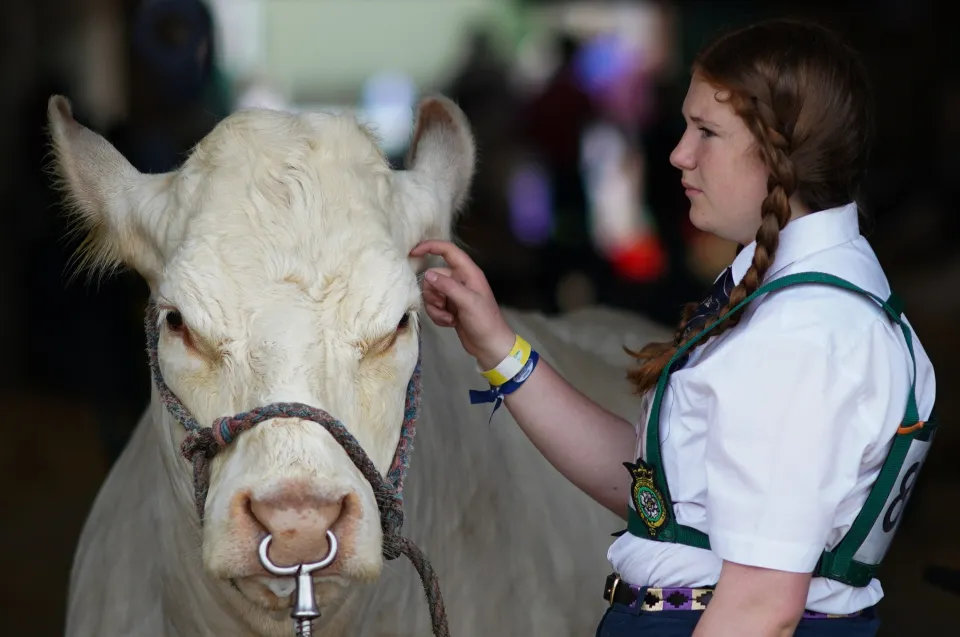
Why do bulls have nose rings? The answer is pure practicality rooted in thousands of years of livestock management.
A bull can weigh over 2,000 pounds and move with explosive, unpredictable force.
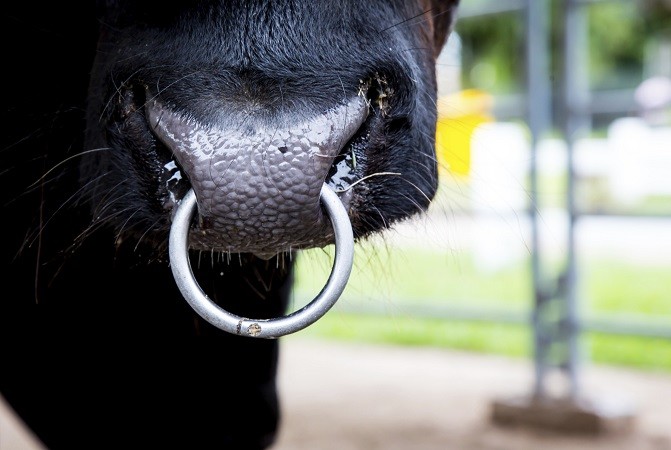
The nasal septum — the thin tissue dividing the two nostrils — is packed with sensitive nerve endings.
A ring placed through that septum gives a farmer or handler enormous leverage with almost no physical force.
One gentle pull redirects the entire animal.
The Science Behind Why It Works
Cows
The nasal septum of a bull is one of the most nerve-dense areas on the animal’s body. This concentration of nerve endings means that even the slightest pressure through a ring sends a strong, immediate signal to the brain.
This is not about pain. A properly used nose ring requires only a light tug to communicate direction. The bull responds not because it is being hurt but because the sensation is sharp, specific, and impossible to ignore.
The head controls the body. When a handler redirects a bull’s nose slightly, the shoulders and hips follow naturally. A 150-pound farmer can guide a 2,000-pound bull in any direction with minimal effort — that is the physics of nose ring control.
A Brief History of Bull Nose Rings
Bull nose rings are not a modern farming invention. Evidence of their use goes back to the earliest recorded human civilizations.
The Standard of Ur, an artifact from ancient Sumer in Mesopotamia dating to around 2500 BCE, clearly depicts bovines and equines being led with nose rings. Ancient Egyptian agricultural records also show cattle being managed with nasal rings as far back as 4,000 BCE.
The practice spread across Asia, Africa, India, and eventually medieval Europe. In many early cultures, the size and material of a bull’s nose ring also indicated the wealth and status of the owner.
By the time modern agriculture developed, nose rings had already been refined over millennia into the reliable livestock tool farmers use today.
The Main Reason — Control and Handler Safety
The number one reason bulls have nose rings is handler safety. No other reason comes close.
A mature bull is one of the most physically dangerous animals a farmer encounters regularly. Even a bull with a calm temperament can injure or kill a handler in a split second through an unexpected kick, charge, or sudden body movement.
The nose ring solves this by giving the handler a direct, sensitive control point. A rope or chain attached to the ring allows a single person to lead, restrain, or redirect the bull without needing several helpers or physical force.
In organized settings like cattle shows and veterinary exams, the ring is connected to a bull staff — a metal pole with a hook at the end. The staff keeps several feet of distance between the handler and the bull’s head, providing even greater safety margin.
Reason 2 — Preventing Aggressive Behavior
Bulls are territorial animals. When threatened, challenged, or agitated, they can charge, headbutt, or gore without warning. The nose ring functions as a behavioral deterrent.
Some farmers attach a short chain or rope to the ring and allow it to hang freely. If the bull attempts to charge or lower its head aggressively, it steps on the hanging chain. This produces sudden discomfort at the nose, interrupting the aggressive behavior before it escalates.
This self-correction mechanism is particularly useful when bulls are kept in paddocks where humans work nearby. The ring and chain combination teaches the bull over time that aggressive posturing leads to immediate discomfort, discouraging the behavior without requiring direct human intervention.
Reason 3 — Breeding and Veterinary Management
Bulls are bred year-round on large cattle operations. Every breeding session, health check, and veterinary procedure requires the bull to be restrained safely.
The nose ring allows a veterinarian to examine a bull closely — checking teeth, eyes, hooves, and reproductive health — without sedation in most cases. A controlled tug on the ring keeps the bull still during procedures that would otherwise require multiple handlers or chemical restraint.
During breeding, bulls are sometimes guided between pastures or to specific cows using the ring and a lead rope. This minimizes stress on the animal and reduces the risk of injury to the handler during transport.
Reason 4 — Transportation and Show Cattle
Moving a bull between pastures, onto trailers, or across a property is one of the highest-risk tasks in cattle farming. A bull that refuses to load onto a trailer or breaks loose during transport creates a serious safety hazard.
The nose ring gives handlers a reliable control point during these moments. Combined with a halter (a headstall that fits around the skull), the ring provides dual-point control that makes loading, unloading, and leading far safer.
At agricultural shows and cattle competitions, bulls are led before judges and audiences by handlers using a ring and bull staff combination. This allows the animal to be presented safely in close proximity to spectators, judges, and other animals.
Reason 5 — Weaning Calves
Not all cattle nose rings are for bulls. Calves are fitted with a different style of nose ring specifically for weaning.
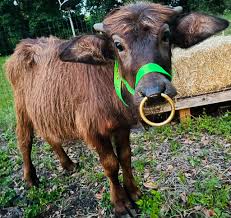
When a calf reaches 9 to 12 months old, farmers often want to stop it from nursing from the mother. Rather than full separation (which causes stress to both the calf and the cow), a plastic spiked weaning ring is clipped onto the calf’s nose.
When the calf tries to suckle, the spikes press against the mother’s udder, causing her discomfort. She moves away, and the calf is naturally discouraged from nursing without requiring the animals to be physically separated.
These weaning rings are temporary, do not pierce the nose, and are removed once the weaning process is complete. They are a much lower-stress alternative to abrupt separation.
Reason 6 — Reduces Need for Excessive Physical Force
Without a nose ring, controlling a bull requires more people, more equipment, and more physical confrontation — all of which increase the risk of injury to both the animal and the handler.
A single handler with a nose ring lead rope can manage tasks that would otherwise require three or four people and physical restraint systems. This reduces handler fatigue, lowers the risk of workplace injury on farms, and minimizes the stress placed on the bull during handling.
Research in animal behavior and stockmanship consistently shows that low-force, targeted-sensitivity control methods like nose ring leading produce calmer animals over time. Bulls that are handled regularly with nose rings tend to be less reactive than those managed through brute force or constant physical restraint.
Types of Bull Nose Rings
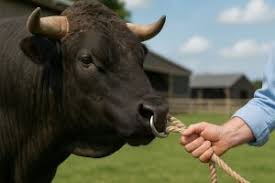
Not all bull nose rings are the same. Different designs serve different purposes and suit different breeds and ages.
Permanent screw-lock rings are the most common type for breeding bulls. A hinged ring is inserted through the pierced nasal septum and secured with a screw that requires a key to open. This ring stays in place indefinitely.
Spring-type rings snap open and closed using a spring mechanism. These are used for temporary control during shows or veterinary procedures without requiring a permanent installation.
Bull-holders (bull tongs) are temporary plier-style devices that grip the septum for short-duration tasks like drenching or examination. They do not pierce the nose.
Weaner rings are plastic non-piercing clips used on calves during the weaning process. They are temporary and removed after 2 to 3 weeks.
Common ring materials and properties:
| Material | Properties | Best For |
|---|---|---|
| Stainless Steel | Durable, rust-resistant, easy to sterilize | Adult bulls, long-term wear |
| Copper | Naturally antimicrobial, good biocompatibility | Healing period after piercing |
| Copper-Bronze Alloy | High tensile strength, self-piercing options available | Field installation, shows |
| Aluminum | Lightweight, low cost | Temporary use, shows |
| Plastic | Soft, non-piercing | Calf weaning rings only |
Ring Sizes — What Diameter Do Bulls Need?
Ring size varies by breed, age, and body size. Getting the right diameter is important — a ring that is too small restricts airflow; one that is too large snags on fences and equipment.
Standard bull nose ring sizes:
| Bull Size / Breed | Recommended Ring Diameter |
|---|---|
| Small breeds / young bulls | 2.0–2.5 inches (internal) |
| Medium breeds (Hereford, Angus) | 2.5–3.0 inches |
| Large breeds (Limousin, Simmental) | 3.0–3.5 inches |
| Very large breeds (Charolais, Brahman) | 3.5–4.0 inches |
Most commercial rings are sold in 2.5-inch and 3-inch internal diameter as standard sizes. The ring should sit comfortably through the septum with a small gap on each side — not pressing against the nostrils.
The Nose Ring Insertion Procedure
The procedure is typically performed by a veterinarian or an experienced farmer on bulls between 6 and 12 months of age. Doing it young means faster healing and better adaptation before the bull reaches full adult weight.
Step 1 — Restraint. The bull is secured in a head gate or cattle crush to prevent movement during the procedure.
Step 2 — Sedation. A local anesthetic is applied to the nasal septum. For younger calves this may be sufficient; for older bulls, mild sedation is sometimes used.
Step 3 — Site selection. The soft cartilage of the nasal septum is located — the thin tissue between the two nostrils. This area has fewer large blood vessels than the surrounding tissue, making it the safest piercing site.
Step 4 — Piercing. A self-piercing ring is pressed through the septum, or a specialized piercing tool creates a hole first. Self-piercing copper-bronze rings are popular in field settings because they do not require additional surgical tools.
Step 5 — Securing. The ring is closed and locked with a screw or snap mechanism. The insertion point is cleaned and monitored for several days post-procedure.
Healing time: The nasal septum typically heals around the ring within 2 to 6 weeks. During this time, the bull may show changed behavior and reduced appetite due to post-procedure discomfort.
Does It Hurt the Bull?
This is one of the most frequently asked questions about bull nose rings, and the answer has two parts.
The insertion procedure causes temporary pain. Even with anesthetic, bulls often show behavioral changes — reduced eating, increased sensitivity around the nose — for days to weeks after the ring is placed. This is unavoidable with any piercing.
However, once healed, a properly installed and correctly used nose ring should not cause ongoing pain. The ring sits through healed tissue. Discomfort only occurs when pressure is applied through a lead rope — and that pressure is the point. It is a targeted, controlled signal, not constant suffering.
Misuse causes pain. A ring that is too small, not properly sealed, or pulled with excessive force causes injury and chronic pain. The ethics of nose ring use hinge entirely on correct installation, appropriate sizing, and low-force handling technique.
Animal Welfare Debate — Are Nose Rings Ethical?
Modern farming has an ongoing debate about whether nose rings are the most ethical method of bull control. Views are split between traditional farmers, animal welfare organizations, and veterinary researchers.
Arguments in favor of nose rings:
They replace the need for physical force, multiple handlers, and sedation during routine tasks. When used correctly, they are one of the lowest-stress control methods available. Alternative management without nose rings often results in more dangerous handling situations, which can injure the animal more seriously.
Arguments against nose rings:
The piercing procedure causes pain. Even with anesthesia, the healing period involves discomfort. Some animal welfare advocates argue that selective breeding for calmer temperament combined with positive reinforcement training can replace nose rings for many purposes.
Alternative management methods being explored:
| Alternative | How It Works | Adoption Level |
|---|---|---|
| Temperament breeding | Selecting genetically calmer bulls | Growing — used by major beef programs |
| Positive reinforcement training | Reward-based handling desensitization | Niche — requires significant time investment |
| Hydraulic squeeze chutes | Mechanical restraint for procedures | Widely used alongside nose rings |
| Halter training from birth | Habituates bull to being led by head | Common on smaller farms |
Most mainstream veterinary and farming organizations agree that nose rings remain the most practical safety tool for managing large breeding bulls, but encourage low-force handling techniques and proper installation standards.
Do All Bulls Have Nose Rings?
No. Not every bull on every farm wears a nose ring. The decision depends on several factors.
Breed temperament plays a large role. Some breeds like Angus are generally calmer and easier to manage without nose rings on smaller operations. More aggressive breeds or large breeding bulls on commercial operations almost always have them.
Operation size matters. A small family farm with a single pasture bull and experienced handlers may manage without one. A large commercial breeding operation with multiple bulls, frequent veterinary visits, and less experienced farm workers almost certainly requires nose rings for safety.
Age and use factor in as well. A young bull being raised primarily for beef may never receive a ring. A breeding bull who will be handled regularly for years almost always does.
Regulations vary by country. In some regions, nose rings are legally required for bulls above a certain age or weight that are handled in public or transported. Always check local agricultural regulations.
Bull Nose Rings Around the World
The practice exists globally but with regional variation in materials, timing, and methods.
United Kingdom — UK agricultural guidelines generally recommend nose rings for all bulls over 10 months of age that are handled. Most UK dairy and beef operations use permanent screw-lock rings.
United States — No federal requirement, but many state agricultural guidelines and farm safety programs recommend nose rings for breeding bulls. Commercial beef operations widely use them.
India — Bulls used in draft work and religious festivals are commonly ringed. Nose rings are deeply integrated into traditional livestock culture across much of rural India.
Australia and New Zealand — Widely used on beef and dairy operations. The New Zealand Code of Welfare requires that nose rings be inserted by a veterinarian or under veterinary supervision.
Mongolia and Central Asia — Traditional cattle herding cultures have used nose leads and rings for centuries as standard control tools.
How Long Does a Bull Wear a Nose Ring?
Once inserted, a permanent nose ring typically stays in place for the bull’s entire working life. This can range from 5 to 10 years for a breeding bull on a commercial operation.
The ring is inspected periodically for corrosion, cracking, or improper fit. Copper and stainless steel rings are highly durable under normal conditions and rarely need replacement unless damaged.
If a bull is sold, the ring typically stays in place and transfers with the animal. The new owner simply uses the existing ring for handling.
Cost of Bull Nose Rings
The actual hardware is inexpensive. The cost variation comes from the type of ring, material, and whether professional veterinary insertion is required.
| Item | Cost Range |
|---|---|
| Basic copper bull ring (single) | $5–$20 |
| Stainless steel screw-lock ring | $10–$35 |
| Copper-bronze self-piercing ring | $8–$25 |
| Professional veterinary insertion fee | $25–$75 (varies by vet and region) |
| Bull staff (handling pole) | $30–$120 |
| Calf weaning ring (plastic) | $3–$15 |
A complete nose ring setup for a single bull — ring plus professional installation plus a handling staff — typically costs under $150 total. For a tool that protects the safety of both the handler and the animal for years, it represents excellent value per use.
Tips for Farmers — Best Practices for Nose Ring Management
Inspect rings regularly. Check for cracking, corrosion, or loose screws at least every 3 months. A ring that fails during handling creates a dangerous situation.
Never use excessive force. A nose ring lead requires only light pressure to work. Jerking or pulling hard on the ring damages the septum tissue and teaches the bull to resist rather than follow.
Combine with a halter. A halter over the bull’s head used together with the nose ring gives two-point control, which is far safer than the ring alone for high-risk tasks like trailer loading.
Use a bull staff at all times with unknown bulls. Never assume a bull with a nose ring is safe to approach without a staff providing distance and leverage.
Schedule insertion at the right age. Bulls ringed between 6 and 12 months heal faster, adapt better, and are easier to restrain for the procedure than older animals.
Keep records. Note the date of ring insertion, the material and size used, and any post-procedure complications. This information is useful for veterinary follow-ups and if the animal is sold.
Frequently Asked Questions (FAQs)
Why do bulls have nose rings?
Bulls have nose rings to give farmers and handlers safe, low-force control over an extremely powerful animal. The sensitive nasal septum responds strongly to gentle pressure, allowing one person to guide a 2,000-pound bull with minimal effort.
Does it hurt a bull to have a nose ring?
The insertion procedure causes temporary pain during and after piercing. Once healed — typically within 2 to 6 weeks — a well-fitted ring causes no ongoing pain unless pressure is applied, which serves as a brief directional signal.
At what age is a nose ring put in a bull?
Most bulls are ringed between 6 and 12 months of age. This timing allows faster healing and better adaptation before the bull reaches full adult size and strength, making the procedure easier and safer.
Do all bulls have nose rings?
No. Whether a bull needs a nose ring depends on breed temperament, farm size, how frequently the bull is handled, and local regulations. Calmer breeds on small farms may be managed without one, while large breeding bulls on commercial operations almost always have them.
What are bull nose rings made of?
Most permanent bull nose rings are made of stainless steel, copper, or copper-bronze alloy. Copper is favored for its antimicrobial properties during healing. Stainless steel is preferred for long-term durability. Calf weaning rings are plastic and non-piercing.
Can a bull be dangerous even with a nose ring?
Yes. A nose ring significantly improves control but does not make a bull safe to approach carelessly. Handlers should always use a bull staff for distance and combine the ring with a halter for maximum safety.
What is a bull staff and how does it work with a nose ring?
A bull staff is a metal pole 3 to 6 feet long with a hook at the end that clips onto the nose ring. It allows the handler to guide and restrain the bull while staying at a safe distance, reducing the risk of being struck or gored.
Why do calf weaning rings look different from bull nose rings?
Calf weaning rings are plastic, temporary, and non-piercing. They clip onto the calf’s nose and use small spikes to discourage suckling by making the mother uncomfortable when the calf tries to nurse. They are removed once weaning is complete.
Are bull nose rings cruel or ethical?
Most veterinary and livestock welfare organizations consider correctly installed and properly used nose rings ethical. They reduce the need for physical force and sedation during routine handling. The debate centers on the piercing procedure itself and the importance of low-force handling technique.
How long does a bull nose ring last?
A quality stainless steel or copper-bronze ring lasts the bull’s entire working life — typically 5 to 10 years. Rings should be inspected regularly for damage or corrosion and replaced if they show signs of cracking or a faulty seal.
Conclusion
Why do bulls have nose rings? Because centuries of practical farming experience, backed by basic animal nerve biology, prove that it is the safest and most efficient way to manage one of agriculture’s most powerful animals.
The nasal septum gives handlers extraordinary leverage with minimal force — a small pull communicates instantly to an animal that can weigh over a ton.
From ancient Sumer to modern commercial beef operations in 2026, the nose ring has remained a cornerstone of livestock management because nothing else matches its combination of simplicity, safety, and effectiveness.
When installed correctly, used with low-force technique, and combined with a bull staff and halter, a nose ring protects both the farmer and the bull.
Understanding the real reason behind this practice replaces curiosity or concern with genuine appreciation for one of farming’s oldest and most practical tools.