Why Do Catholics Eat Fish on Friday During Lent? 2026
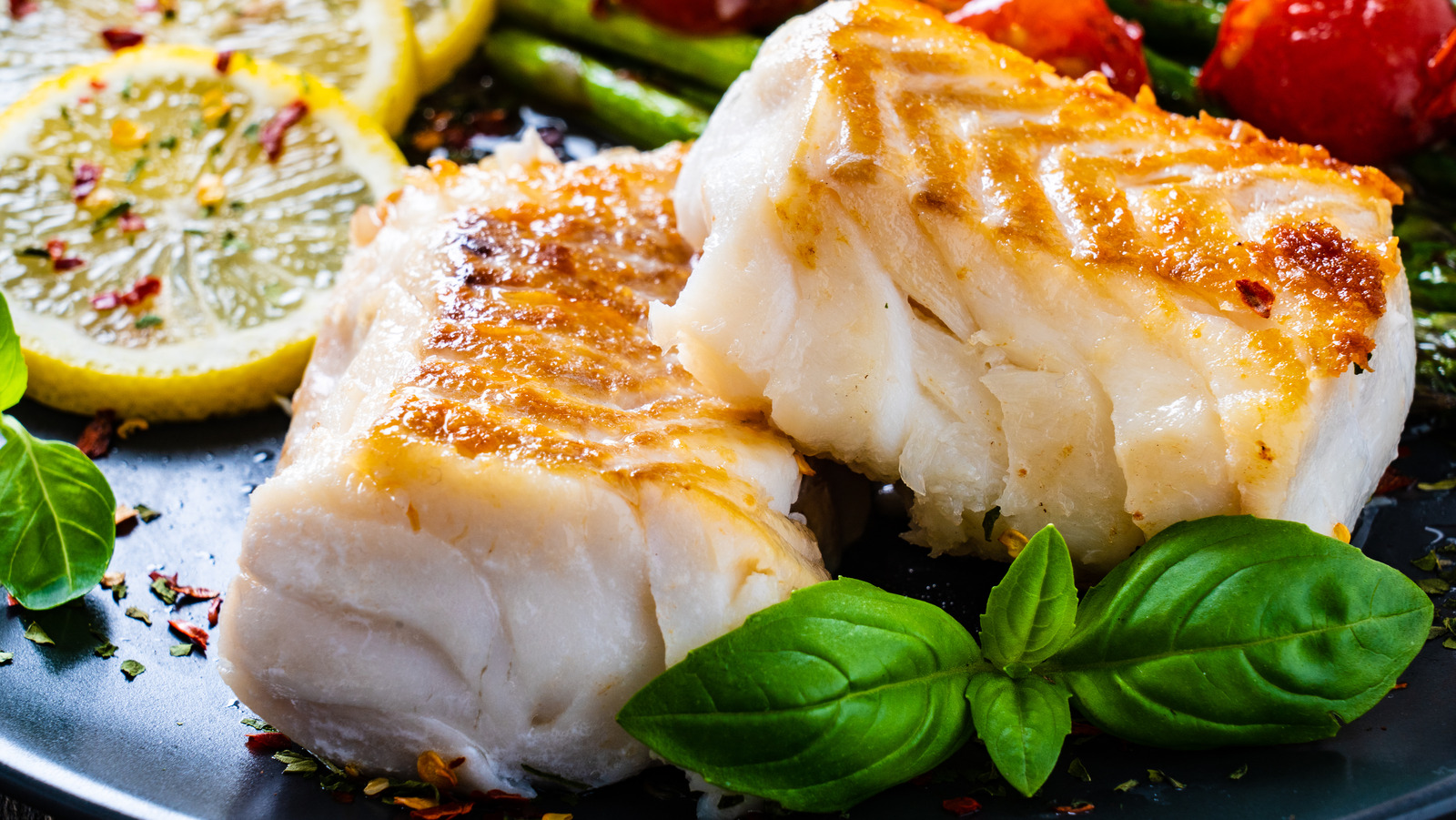
Why do Catholics eat fish on Friday is one of the most common questions asked every Lenten season. The honest answer is that Catholics are not actually required to eat fish at all. The real rule is abstinence from meat on Fridays, and fish has simply become the easiest, tastiest replacement over the centuries.
In 2026, Lent runs from Ash Wednesday on February 18 to Holy Thursday on April 2, with Good Friday falling on April 3 and Easter Sunday on April 5. During this stretch, Catholic households, parish halls, and even fast-food chains lean into fish fries, seafood specials, and meatless dinners every single Friday.
Why Do Catholics Eat Fish on Friday The Real Reason: Abstinence, Not a Fish Requirement
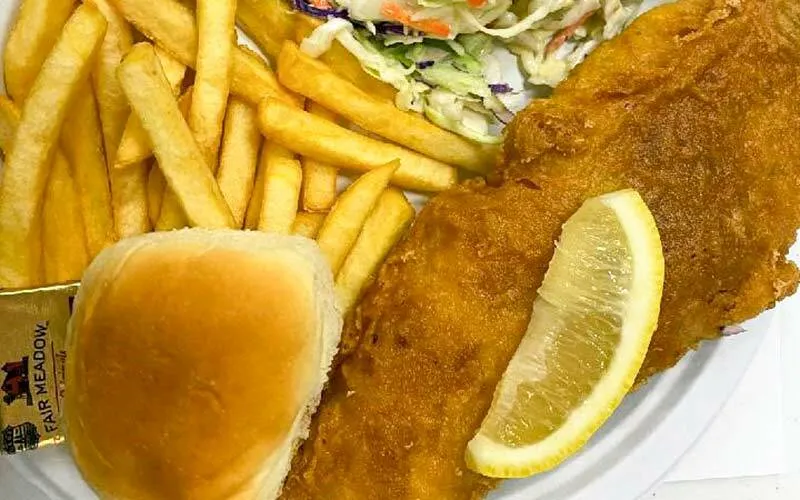
Catholics are asked to abstain from meat on Fridays, not specifically to eat fish. Meat in this context means the flesh of warm-blooded land animals like beef, pork, chicken, and lamb.
Fish and other cold-blooded, water-dwelling creatures were historically excluded from this “meat” category under Church law. That technical distinction is the entire reason fish became the default substitute.
So when someone asks why Catholics eat fish on Fridays, the more accurate framing is that Catholics abstain from meat, and fish happens to be what remains as a convenient, widely available option.
This misunderstanding has persisted for generations, partly because fish fries, fish sandwiches, and seafood specials are so visible during Lent. The visible habit overshadowed the actual rule, leading many people to assume fish is mandatory rather than optional.
In reality, a Catholic could skip seafood entirely on every Friday of Lent and remain perfectly compliant with Church law, as long as no meat from a land animal touches the plate.
What Canon Law Actually Says
The Code of Canon Law is specific about this obligation. Canon 1251 states that abstinence from meat, or another food determined by the bishops’ conference, must be observed on all Fridays unless a major feast falls on that day.
Canon 1250 adds that every Friday of the year, plus the entire season of Lent, are official days of penance for Catholics. Ash Wednesday and Good Friday additionally require fasting, which limits the quantity of food eaten, not just the type.
| Canon Law Rule | What It Requires |
|---|---|
| Canon 1250 | Every Friday and all of Lent are penance days |
| Canon 1251 | Abstinence from meat on all Fridays |
| Ash Wednesday & Good Friday | Fasting plus abstinence |
| Solemnities on Friday | Abstinence rule may be lifted |
These canons were updated and simplified after the Second Vatican Council in the 1960s, replacing the much stricter pre-conciliar fasting rules that applied to nearly every day of Lent. The modern version is far more lenient but still binding for Fridays.
Local bishops’ conferences also have some flexibility under canon law to substitute a different food restriction in place of meat, though in practice almost every English-speaking country has kept the traditional meat abstinence rule intact.
Who Is Actually Required to Follow This Rule
Church law sets specific age brackets for fasting and abstinence so families know exactly who the rule applies to.
| Practice | Age Requirement |
|---|---|
| Abstinence from meat | Age 14 and older |
| Fasting (limited food quantity) | Ages 18 to 59 |
| Exemptions | Pregnant women, the sick, and those with medical needs |
Notice there is no upper age limit on the abstinence rule itself; only the fasting requirement caps out at age 59. A healthy 70-year-old Catholic is still expected to skip meat on Lenten Fridays even though fasting is no longer obligatory for them.
Parents and godparents are also encouraged to model the practice for children younger than 14, even though it is not strictly required, so the habit becomes second nature by the time the obligation kicks in.
Why Friday Specifically?
Friday is the day Christians believe Jesus was crucified, so it became a weekly day of penance from the earliest centuries of the Church. Abstaining from meat on Fridays is a small, repeated act of solidarity with Christ’s suffering on the cross.
This is why Friday abstinence is not limited to Lent in official Church teaching; it applies year-round, though many bishops’ conferences allow substitutes outside of Lent. During Lent specifically, meat abstinence on Fridays is mandatory with no substitution allowed.
This weekly rhythm mirrors the larger pattern of the Christian calendar, where Sunday is treated as a small Easter and Friday is treated as a small Good Friday. Repeating this cycle every week, all year, keeps the Crucifixion and Resurrection present in ordinary daily life rather than confined to one holiday season.
Friday Penance Outside of Lent
In the United States, the bishops issued a Pastoral Statement in 1966 allowing Catholics to substitute another penance, like extra prayer or giving up a treat, for meat abstinence on Fridays outside of Lent. During Lent, however, this substitution option disappears, and Friday meat abstinence becomes mandatory again.
The 1966 statement specifically noted that changing economic and dietary circumstances made meat abstinence less universally meaningful as a penance, which is why American bishops opened the door to alternatives outside of Lent while still preserving the rule during the Lenten season itself.
Some countries took a different path. In England and Wales, for example, bishops reinstated mandatory Friday meat abstinence year-round in 2011, showing that local conferences can tighten as well as loosen these requirements depending on pastoral needs.
How Fish Became the Go-To Substitute
The word “meat” in the original Latin Church documents is “carnis,” referring to the flesh of warm-blooded land animals. Fish, being cold-blooded and aquatic, fell outside that definition, making it an automatically acceptable Friday food.
One medieval theory traced back to a 15th-century Augustinian priest connects this to the Genesis story of the Fall. God’s curse after Adam and Eve’s sin fell on the land and earth, but the waters were left untouched, so creatures of the water remained “less cursed” and acceptable.
Beyond theology, there was also a practical, economic dimension to this choice. For much of history, meat from cattle, pigs, and poultry was expensive and considered a luxury, while fish from rivers, lakes, and coastlines was widely available and affordable to ordinary people.
That economic reality made fish an easy, natural substitute long before anyone formalized a theological explanation. Giving up an expensive luxury food for a humble, common one fit perfectly with the spirit of penance the Church intended.
The Fish Fry Tradition
Friday fish fries became a beloved Catholic and Midwestern American tradition, especially in parishes with strong German and Eastern European immigrant roots. These community dinners combined the religious obligation with fellowship, comfort food, and fundraising for the parish.
Many parishes still run Lenten fish fries every Friday from Ash Wednesday through Good Friday, often staffed entirely by volunteers from the Knights of Columbus or parish council. The proceeds frequently fund scholarships, building repairs, or local charity programs.
The Filet-O-Fish Story
McDonald’s franchise owner Lou Groen struggled to sell burgers on Fridays in a heavily Catholic Cincinnati neighborhood in the early 1960s. His solution, a fried fish sandwich, became the Filet-O-Fish, one of the most enduring items on the McDonald’s menu today.
Debunking the Myth: Did a Pope Make a Secret Deal With Fishermen?
A popular legend claims a medieval pope mandated fish on Fridays to financially support struggling Italian fishermen. This story makes for a fun conspiracy, but historians have found zero documentation to support it, and no one can even name the supposed pope.
The real timeline disproves the myth entirely. Christian fasting and meat abstinence on Fridays date back to the first and second centuries, long before the medieval era when this legend supposedly took place.
Historians who have searched papal records have never been able to identify the pope supposedly behind this fish-industry deal. No name, no date, and no document has ever surfaced, which is usually the strongest sign that a popular story is folklore rather than fact.
The Henry VIII Connection
There is a genuine historical episode tying fish to politics, just not the one in the myth. When King Henry VIII broke from Rome and founded the Church of England, fish abstinence briefly fell out of favor, hurting English fishermen.
His son, Edward VI, later reinstated fish days by law specifically to support the fishing trade and coastal economy, showing that economics and religious practice have long been intertwined around this tradition.
This episode is a useful reminder that while the religious motivation for Friday abstinence is ancient and theological, governments and economies have repeatedly found practical reasons to either support or suppress the custom depending on who benefited.
The Symbolism of Fish in Christianity
Fish carry deep symbolic weight in Christian history that goes far beyond a dietary technicality. Early Christians used the fish as a secret identifying symbol during periods of persecution by the Roman Empire.
The Greek word for fish, “ichthys,” forms an acronym for “Iesous Christos, Theou Yios, Soter,” meaning “Jesus Christ, Son of God, Savior.” This hidden meaning made the fish a powerful, quiet symbol of faith carved into walls and used as a sign between believers.
Archaeologists have found the ichthys symbol carved into the walls of the Roman catacombs, where early Christians buried their dead and sometimes gathered in secret during periods of intense persecution under various Roman emperors.
Fish in the Gospels
Jesus called his apostles to be “fishers of men,” multiplied loaves and fish to feed thousands, and cooked fish for his disciples after the Resurrection. These repeated gospel images reinforced fish as a natural symbol of nourishment, ministry, and divine provision.
Several of the original apostles, including Peter, Andrew, James, and John, were working fishermen by trade before Jesus called them. That detail gave the fish symbol an even deeper resonance, tying the imagery directly to the daily lives of the men who built the early Church.
What Counts as Meat and What Doesn’t

Church guidance on abstinence focuses specifically on the flesh of warm-blooded land animals, leaving several food categories open for Friday meals.
| Food Category | Allowed on Fridays in Lent? |
|---|---|
| Beef, pork, lamb, chicken | Not allowed |
| Fish and seafood | Allowed |
| Eggs and dairy | Allowed |
| Animal-derived fats and gravies made from meat | Generally avoided |
| Vegetables, grains, and fruit | Allowed |
Popular Meatless Lenten Friday Meals
Catholics are not limited to seafood on Fridays during Lent. Cheese pizza, bean soup, vegetable stew, egg-based dishes, and salads are all acceptable, fully meeting the Church’s actual requirement.
With the rise of vegetarian and vegan eating, many younger Catholics now skip fish altogether and lean on plant-based proteins like lentils, beans, and tofu, which were never part of the historical tradition but satisfy the same rule perfectly well.
Lent 2026 Key Dates to Remember
Knowing the 2026 Lenten calendar helps Catholic families plan their Friday meatless meals and parish fish fry schedules in advance.
| Lenten Date for 2026 | Day |
|---|---|
| Fat Tuesday | February 17 |
| Ash Wednesday (Lent begins) | February 18 |
| Palm Sunday | March 29 |
| Holy Thursday (Lent ends) | April 2 |
| Good Friday | April 3 |
| Easter Sunday | April 5 |
Easter’s date shifts every year because it follows a lunar-based formula tied to the first full moon after the spring equinox, which is why Lent can start anywhere from early February to early March depending on the year.
How Many Fridays Fall During Lent 2026
Counting from Ash Wednesday through Good Friday, there are six Fridays that require meat abstinence during the 2026 Lenten season, including Good Friday itself as the most solemn of those days.
Those six Fridays fall on February 20, February 27, March 6, March 13, March 20, and April 3, giving Catholic families a clear weekly checklist for planning meatless dinners well ahead of time.
Is It a Sin to Eat Meat on Friday During Lent?
Deliberately and knowingly eating meat on a Lenten Friday without a valid exemption is considered a sin against Church law, since this is one of the few precepts the Church classifies as binding for all Catholics over 14.
That said, the Church also recognizes legitimate exceptions, such as illness, pregnancy, heavy manual labor, or situations where no other food option exists, where the obligation does not strictly apply.
Catholic moral theology generally treats this as a matter of degree. Accidentally eating something containing meat, or eating meat once out of genuine forgetfulness, is treated far more gently than a deliberate, repeated refusal to follow the precept.
Why This Tradition Still Matters Today
The point of Friday abstinence has never been about controlling diet for its own sake. It is meant to be a regular, repeated act of self-denial that keeps Catholics spiritually attentive to Christ’s sacrifice every single week of the year, not only during Lent.
Modern Catholics often describe the practice as small but meaningful, a weekly reminder that faith involves tangible action, not only belief. Whether the Friday meal is a fish sandwich, a bowl of soup, or simply eggs and toast, the simplicity itself becomes a form of quiet prayer.
For many families, the Friday meal also becomes a teaching moment, a chance to explain to children why the household skips meat that day and what the Crucifixion means within the rhythm of ordinary weekly life rather than just once a year at Easter.
Parishes often reinforce this teaching moment publicly as well, posting Lenten fish fry schedules on bulletin boards and church websites weeks in advance, turning a private dietary choice into a shared communal rhythm that strengthens parish life during the season.
How This Compares to Other Christian Traditions

Catholics are not the only Christians who avoid meat on Fridays, though the specific rules and enforcement vary widely between denominations and regions.
Eastern Orthodox Christians
Eastern Orthodox Christianity actually maintains a stricter fasting discipline than modern Catholicism. Orthodox Lent, called Great Lent, often asks the faithful to avoid meat, dairy, eggs, fish, and even olive oil on many days, not only on Fridays.
Protestant Denominations
Most Protestant denominations do not have a binding Church-wide rule about Friday meat abstinence, since they generally reject the idea of Church law functioning as a binding precept the way Catholicism does. Many Protestants who give up meat for Lent do so as a personal devotional choice rather than an obligation.
Anglican and Episcopal Practice
Anglicans and Episcopalians inherited much of the Friday abstinence tradition from their Catholic roots before the English Reformation. Some Anglican parishes still encourage Friday fasting or abstinence, though it functions more as an encouraged custom than a strict requirement today.
This comparison helps explain why fish fries and meatless Fridays feel distinctly Catholic in popular culture, even though the broader idea of penitential fasting exists across nearly every branch of Christianity in some form.
Frequently Asked Questions (FAQs)
Do Catholics have to eat fish on Fridays?
No, Catholics are required to abstain from meat, not to eat fish specifically. Vegetables, eggs, and dairy are equally acceptable substitutes.
Why is fish allowed when other meat isn’t?
Fish is cold-blooded and aquatic, which falls outside the traditional Latin definition of “carnis,” or meat from warm-blooded land animals.
What age does Friday abstinence start at?
Catholics are bound by the abstinence rule starting at age 14, with no upper age limit specified by canon law.
Is eating meat on a Lenten Friday a sin?
Yes, knowingly and deliberately eating meat without a valid exemption is considered a sin under current Church law.
Do all Fridays of the year require abstinence, not just Lent?
Yes, technically every Friday is a day of penance, though outside Lent Catholics in many countries may substitute another penance instead.
What are the Lent 2026 dates?
Lent 2026 runs from Ash Wednesday on February 18 to Holy Thursday on April 2, with Easter Sunday on April 5.
Did a pope really create the fish-on-Friday rule to help fishermen?
No, this is a popular myth with no historical documentation, and the tradition actually dates back to the first century.
Can Catholics eat eggs and dairy on Lenten Fridays?
Yes, eggs and dairy products are not classified as meat and remain fully allowed on Fridays during Lent.
Why does the fish symbol matter in Christianity?
The Greek word for fish, ichthys, forms an acronym for “Jesus Christ, Son of God, Savior,” making it an ancient secret symbol of faith.
Are there exemptions from Friday abstinence?
Yes, exemptions generally include pregnant or nursing women, the sick, and those whose health or work requires a different diet.
Conclusion
Why do Catholics eat fish on Friday ultimately comes down to one simple Church rule: abstain from meat, not a strict requirement to eat seafood. Fish became the natural, widely available substitute because it falls outside the traditional definition of meat used in canon law for centuries.
The custom carries layers of meaning beyond diet, touching on penance, the symbolism of Christ’s death on a Friday, and the ancient Christian use of fish as a secret sign of faith. In 2026, Lent stretches from February 18 to April 2, giving Catholics six Fridays to observe this practice before Easter Sunday on April 5.
Whether the Friday plate holds fried fish, cheese pizza, or a simple vegetable soup, the underlying purpose stays the same: a small, weekly act of sacrifice that keeps believers spiritually connected to their faith throughout the entire Lenten season and beyond.