Why Do Cats Pupils Get Big? Mood & Health 2026
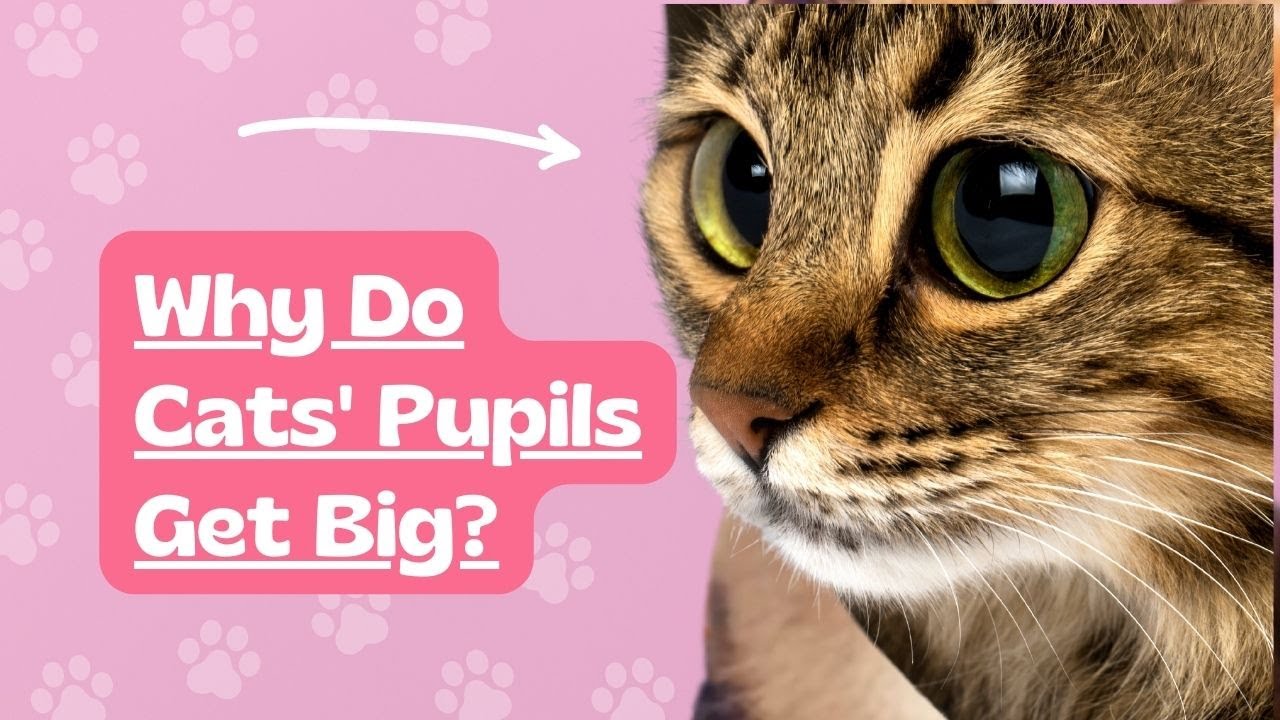
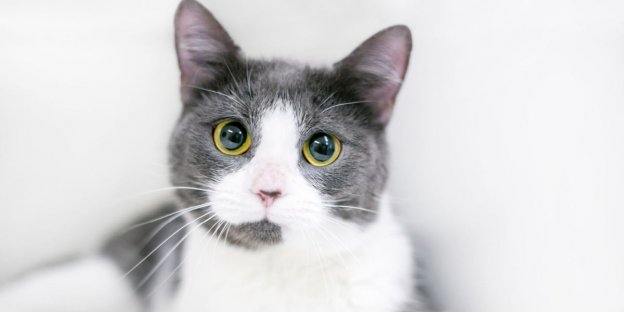
Why do cats pupils get big is a question every cat owner has wondered at least once while staring into their pet’s wide, striking eyes. One moment your cat’s pupils are narrow vertical slits, and the next they balloon into giant black circles that take over the entire eye.
It looks dramatic — and it is meaningful. Cat pupils change size constantly in response to light, emotion, and health. Understanding exactly why this happens helps you read your cat’s mood more accurately and catch early warning signs of serious medical conditions.
How a Cat’s Pupil Actually Works
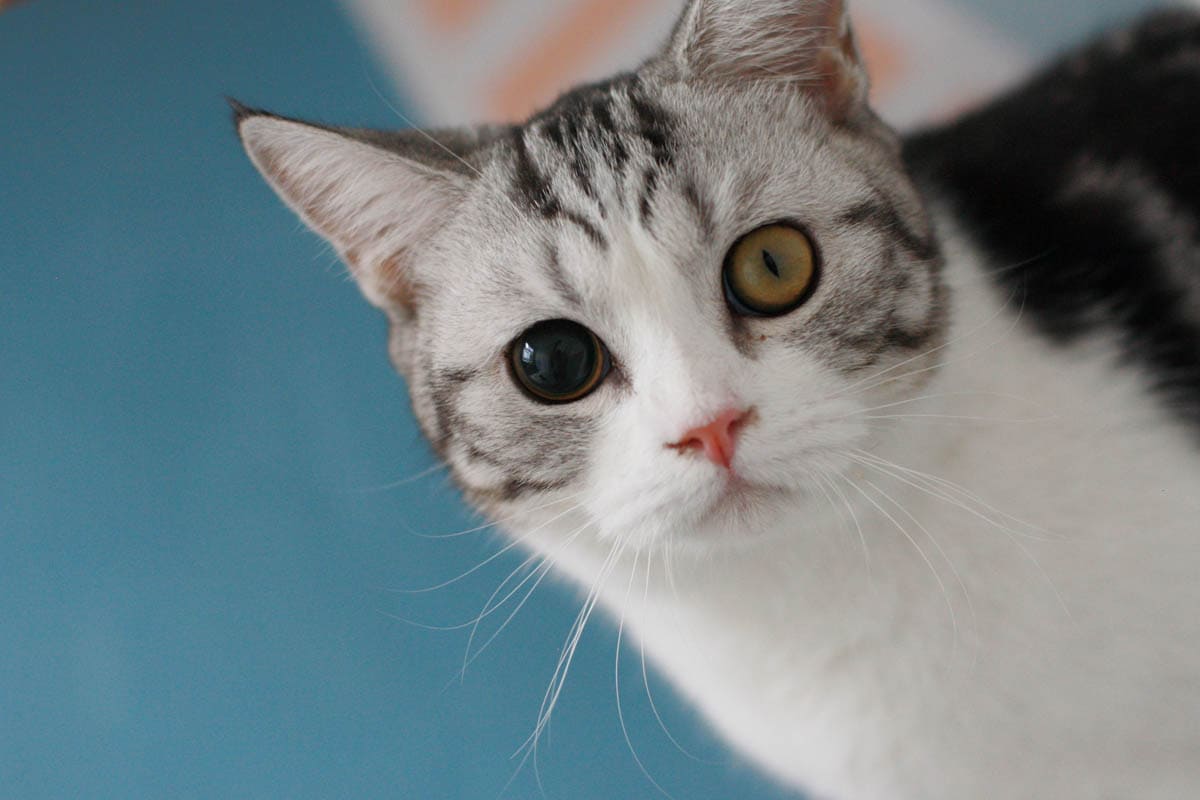
A cat’s pupil is the dark opening in the center of the colored iris. It controls how much light enters the eye by expanding or contracting.
Unlike the round pupils humans have, cats have vertical slit-shaped pupils at rest. This shape gives them extraordinary control over light intake — far more precision than a round pupil can achieve.
The muscles in the iris are directly connected to the nervous system. They respond automatically — the cat does not think about it. Changes happen instantly in response to lighting, emotional state, and neurological signals from the brain.
The Science Behind Cat Pupil Dilation
Cat pupils can dilate up to 135 times their smallest constricted size. For comparison, human pupils can only manage about 15 times their minimum size.
This extreme range exists because cats are crepuscular hunters — most active at dawn and dusk. They need their vision to work perfectly in both bright midday sunlight and near-total darkness.
The vertical slit design also helps cats judge distances for hunting with incredible accuracy. The shape creates a natural rangefinder effect that helps them calculate exactly when to pounce on prey.
Why Do Cats Pupils Get Big: All the Normal Reasons
1. Low Light and Darkness
The most straightforward reason why cats’ pupils get big is dim or absent light. In low lighting, the iris muscles relax and the pupil opens wide to let in as much available light as possible.
This is called the pupillary light reflex and it is completely automatic. The darker the room, the wider the pupils. When you turn bright lights on, the pupils should rapidly shrink back to narrow slits.
If your cat’s pupils stay large even after bright lights are switched on, that is a signal that something other than light is driving the dilation and warrants closer attention.
2. Excitement and Playfulness
Cats’ pupils dilate visibly when they are excited. Before they pounce on a toy, chase a laser dot, or spot a bird through the window, their pupils expand to large, round circles.
This is the hunting instinct activating. Dilated pupils let in maximum light so the cat can track fast-moving prey objects with maximum clarity and detail.
Kittens especially tend to walk around with very wide pupils during play because everything is new and stimulating to them. Wide pupils during energetic, playful behavior are completely normal and healthy.
3. Fear and Anxiety
Fear is one of the most reliable triggers for large pupils in cats. When a cat is frightened — by a loud noise, a stranger, a vacuum cleaner, or an unfamiliar animal — the pupils dilate rapidly as part of the fight-or-flight response.
Dilated pupils during fear mean the brain is flooding the body with adrenaline. The cat needs maximum visual information to assess the threat and decide whether to flee, freeze, or fight.
Watch for companion signals: a hunched back, flattened ears, a puffed tail, or a crouched low posture alongside big pupils almost always means your cat is scared rather than just excited.
4. Surprise and Startle Response
Even minor surprises cause a quick burst of pupil dilation in cats. A sudden sound, an unexpected movement, or something appearing suddenly in their environment triggers an instant widening of the pupils.
This is a protective reflex. The more visual data the cat can collect in a split second, the better equipped it is to respond appropriately to whatever just happened.
This type of dilation is brief. Pupils usually return to their normal size within seconds to a minute once the cat determines there is no real threat.
5. Aggression
Cats can have dilated pupils when feeling aggressive, but this one is more nuanced. Sometimes aggressive cats have very narrow, constricted pupils. Other times they have wide ones.
The key is to look at the whole picture. Wide pupils combined with flattened ears, a rigid body, a twitching tail, hissing, or growling indicates the cat is working up to aggression.
Narrow, constricted pupils with squinted eyes and a stiff body can also mean aggression — this is the focused pre-attack look. Never try to pick up or handle a cat showing these combined signals.
6. Affection and Social Bonding
When your cat looks at you with softly dilated pupils accompanied by slow blinking and relaxed body language, they are communicating trust and affection — not fear or excitement.
This is sometimes called the slow blink or cat smile. It is a sign of emotional openness and vulnerability. A cat worried about a threat will not close their eyes even briefly.
If your cat holds eye contact with you, blinks slowly, and has moderately dilated pupils with a relaxed body, they feel completely safe and bonded with you. You can slow blink back — it reinforces the bond.
7. Catnip Response
Catnip (Nepeta cataria) causes a well-known euphoric response in about 50 to 70 percent of cats. Part of this response includes noticeably dilated pupils.
The active compound nepetalactone binds to receptors in the cat’s nose and triggers a response in the brain similar to a pheromone reaction. The result looks like excitement, rolling, rubbing, and yes — big round pupils.
The catnip response is harmless and typically lasts 5 to 15 minutes before the cat becomes temporarily immune to the effect. Dilated pupils during catnip exposure are no cause for concern.
8. Overstimulation
When petting sessions go on too long or become too intense, cats can reach a state of overstimulation. Their pupils will dilate as tension builds in the body.
This is a warning signal. Other signs of overstimulation include a twitching tail, skin rippling along the back, flattened ears, and the cat turning to look at your hand.
If you see sudden pupil dilation mid-petting session along with these other cues, stop petting immediately. Many cat bites happen because owners miss this critical warning sign.
Cat Pupil Size and What It Communicates: Quick Reference
| Pupil Shape or Size | Likely Emotional State | Body Language to Watch |
|---|---|---|
| Large, round, wide | Fear, excitement, surprise, dark environment | Hunched, ears back, alert posture |
| Narrow vertical slits | Content, relaxed, or focused aggression | Purring, relaxed posture, or stiff body |
| Moderately dilated | Playful, curious, interested | Animated, tail up, engaged |
| Wide with slow blink | Affectionate and trusting | Relaxed, loose body, may purr |
| Rapidly changing size | Overstimulated or stressed | Tail twitching, skin rippling |
| One pupil large, one small | Medical emergency (anisocoria) | Any, regardless of mood |
| Permanently dilated in all light | Medical concern | May or may not show other symptoms |
Why Do Cats Pupils Get Big: Medical and Health Causes
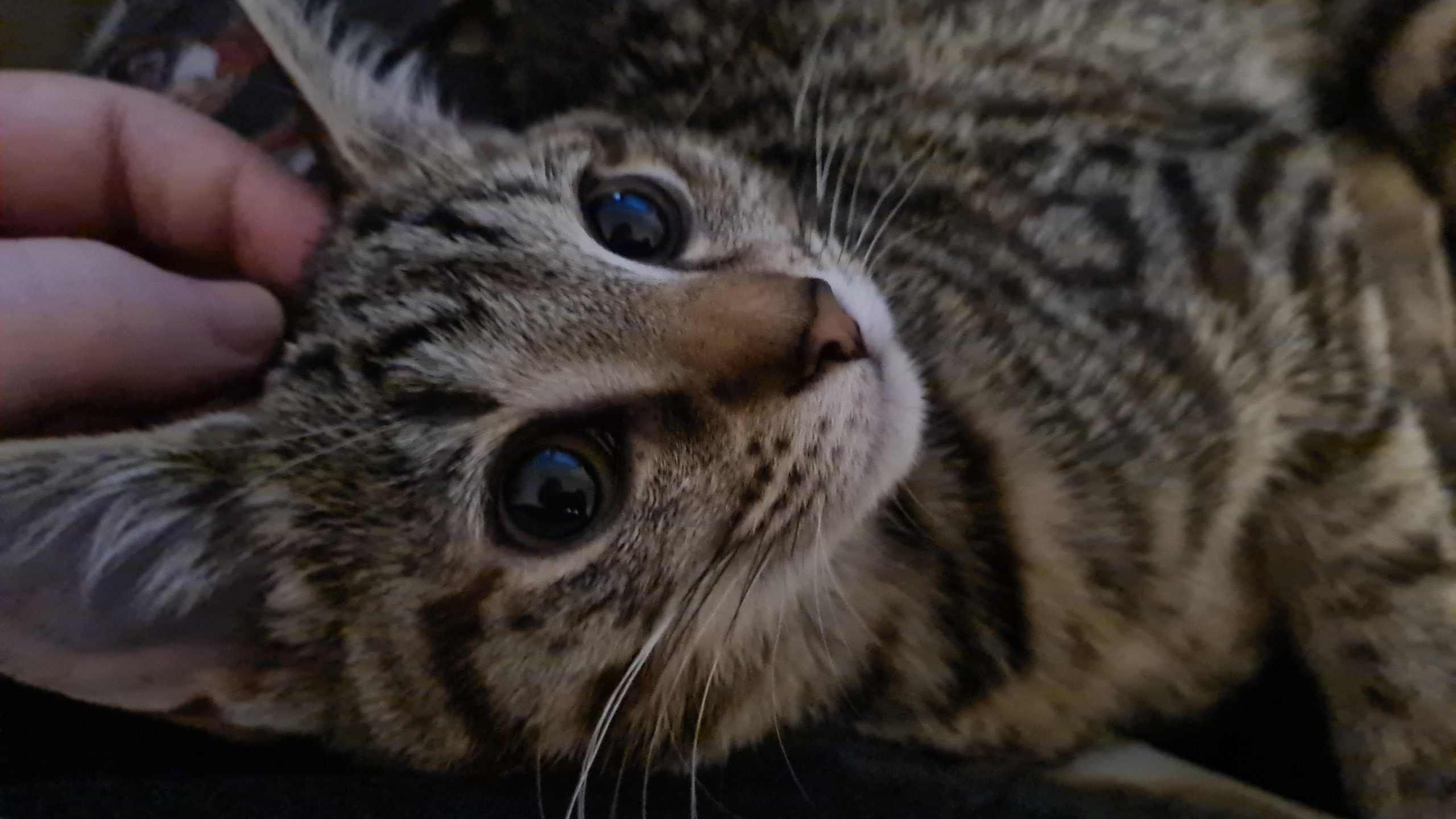
This is where pupil dilation becomes a serious topic. When a cat’s pupils stay large in bright light, stay large all the time, or are different sizes, a health problem is very likely involved.
High Blood Pressure (Feline Hypertension)
Feline hypertension is one of the most common medical causes of persistently dilated pupils, especially in older cats. High blood pressure damages the small blood vessels supplying the eye and optic nerve.
The result is chronically dilated pupils that do not respond normally to light. Hypertension is often secondary to kidney disease, hyperthyroidism, or heart disease in cats.
If left untreated, high blood pressure causes retinal detachment and sudden, permanent blindness. It is entirely treatable with daily oral medication once diagnosed. Older cats should be screened for hypertension at every annual exam.
Retinal Detachment
Retinal detachment is a medical emergency. When the retina separates from the back of the eye, the result is sudden dramatic pupil dilation combined with rapid vision loss.
The cat may suddenly bump into furniture, appear disoriented, or seem confused about familiar spaces. This is often caused by severely elevated blood pressure.
Same-day veterinary attention is critical. Early treatment can sometimes reattach the retina and restore partial vision. Every hour of delay reduces the chance of recovery.
Glaucoma
Glaucoma means increased pressure inside the eye (intraocular pressure). This pressure causes the pupil to dilate and remain dilated because normal pupil function is being overridden by the mechanical pressure.
Glaucoma is painful. Cats with glaucoma often rub at their eye, squint, tear up, or show sensitivity to touch around the eye socket. The affected eye may look cloudier or slightly larger than the other.
It can affect one or both eyes and can occur in cats of any age. Treatment includes pressure-reducing eye drops and sometimes surgery. Untreated glaucoma leads to permanent blindness in the affected eye.
Progressive Retinal Atrophy (PRA)
Progressive retinal atrophy is a genetic condition where the rod and cone cells of the retina gradually degenerate over time. As the retina loses function, it sends fewer signals to the brain, and the pupils compensate by staying wide open to try to capture more light.
Cats with PRA typically show increasing difficulty seeing in low light first, then gradual loss of day vision as the disease progresses. There is currently no cure for PRA.
Veterinary support focuses on monitoring the progression and helping owners adapt the home environment to support a visually impaired cat as safely as possible.
Dysautonomia (Key-Gaskell Syndrome)
Dysautonomia is a rare but serious neurological disorder that attacks the autonomic nervous system — the system that controls all automatic body functions including pupil size.
The result is persistently dilated pupils alongside a range of other alarming symptoms: elevated third eyelids, vomiting, difficulty swallowing, weight loss, a slow heart rate, and breathing problems. The cause remains unknown.
It is uncommon but severe. There is no specific cure. Treatment is supportive and aims to manage symptoms. The prognosis varies significantly between cats depending on how severely the nervous system is affected.
Anisocoria: Unequal Pupil Size
Anisocoria means one pupil is significantly larger than the other. In cats, this is always a medical concern. It is never a normal variation.
| Possible Cause of Anisocoria | Urgency Level |
|---|---|
| Glaucoma | Emergency — same day |
| Retinal disease or detachment | Emergency — same day |
| Head trauma or brain bleed | Emergency — same day |
| Uveitis (eye inflammation) | Urgent — within 24 hours |
| Horner’s Syndrome | Urgent — within 24 hours |
| FeLV or FIV infection | Urgent — within 24 hours |
| Toxoplasmosis | Urgent — within 24 hours |
| Iris atrophy (age-related) | Non-urgent — routine vet appointment |
| Corneal ulcer | Urgent — within 24 hours |
| Cancer within the eye | Urgent — within 24 hours |
If you notice uneven pupils in your cat, contact your vet immediately. Delaying treatment for anisocoria significantly increases the risk of permanent vision loss.
Iris Atrophy
Iris atrophy is an age-related thinning and degeneration of the iris tissue. As the iris thins, it loses some of its ability to contract the pupil fully in bright light.
The result is that older cats may have pupils that appear slightly wider than expected in bright conditions, or that have an irregular or lacy appearance around the edges of the iris.
Iris atrophy is not painful and does not cause blindness on its own. It is considered a normal part of aging in older cats and does not require specific treatment, just routine monitoring.
Poisoning and Toxin Exposure
Many common household substances cause sudden, dramatic pupil dilation in cats. This is called drug-induced or toxin-induced mydriasis.
| Common Toxins Causing Pupil Dilation in Cats | Source |
|---|---|
| Certain flea and tick products (pyrethrins) | Topical treatments |
| ADHD medications (amphetamines) | Left on counters |
| Muscle relaxants | Human medications |
| Marijuana or cannabis | Plants or edibles |
| Certain toxic plants (lilies, nightshade) | Household or garden plants |
| Venomous insect or snake bites | Outdoor exposure |
Signs of poisoning alongside dilated pupils include vomiting, drooling, tremors, weakness, excessive salivation, and difficulty walking. If you suspect poisoning, contact your vet or an animal poison control hotline immediately. Do not wait for symptoms to worsen.
Brain Tumors and Ocular Tumors
A tumor inside the eye or in the brain can press on the structures that control pupil size and light response. This causes one or both pupils to remain dilated or fail to respond normally to light.
Additional warning signs alongside dilated pupils may include behavior changes, circling, loss of coordination, head tilting, seizures, or vision changes. These are serious neurological red flags.
Diagnosis requires advanced imaging — MRI or CT scan — to visualize the tumor’s location and size. Treatment options depend on the tumor type, location, and how early it is caught.
Pain
Cats hide pain extremely well — it is an evolutionary survival strategy inherited from their wild ancestors. But their eyes often give clues that they are hurting.
Persistent pupil dilation without an obvious emotional cause such as fear, excitement, or low lighting can indicate that your cat is in pain from an internal condition, injury, dental disease, or chronic illness.
If your cat’s pupils stay wide in normal lighting and they are also quieter than usual, less interested in food, more withdrawn, or reluctant to be touched, pain is a real possibility. A vet examination is warranted.
Normal vs. Concerning Pupil Dilation: How to Tell the Difference
This is the question most cat owners really want answered. Here is a clear guide.
| Situation | Normal or Concerning? | What to Do |
|---|---|---|
| Big pupils in a dim room | Normal | Observe — should shrink in bright light |
| Big pupils during active play | Normal | Enjoy — this is healthy excitement |
| Big pupils when startled | Normal | Reassure — resolves in seconds to minutes |
| Big pupils with catnip | Normal | No action needed |
| Big pupils in bright light that don’t shrink | Concerning | Call your vet |
| Big pupils all day, every day | Concerning | Schedule a vet appointment |
| One pupil bigger than the other | Emergency | Call your vet immediately |
| Big pupils with vomiting or weakness | Emergency | Call your vet immediately |
| Sudden loss of vision with dilated pupils | Emergency | Emergency vet visit now |
| Big pupils in a cat that seems confused | Concerning | Call your vet today |
The golden rule: if dilation persists in bright light, is always present, or is unequal between the two eyes — those are the three warning signs that require professional evaluation.
How Vets Diagnose the Cause of Abnormal Pupil Dilation
When you bring your cat to the vet for persistently dilated pupils, here is what a typical diagnostic workup looks like.
Complete Physical Exam: The vet assesses overall body condition, weight, coat quality, and general health signs.
Ophthalmic Exam: A detailed eye exam checks pupil light response, retinal health, intraocular pressure (for glaucoma), lens clarity, and the presence of any masses or inflammation.
Blood Pressure Measurement: High blood pressure is checked using a non-invasive cuff test, often one of the first tests run on a middle-aged or older cat with dilated pupils.
Blood Panel and Urinalysis: Tests check kidney function, thyroid levels, blood glucose, liver enzymes, and overall metabolic health to identify underlying systemic disease.
Retroviral Testing: FeLV and FIV tests may be recommended, especially for outdoor cats or cats with unknown history.
Advanced Imaging: If a neurological or tumor cause is suspected, MRI or CT imaging of the head and brain may be recommended.
How Cat Pupils Differ From Human Pupils
Understanding why cat pupils look so different from ours helps explain the extreme range of their dilation.
| Feature | Cats | Humans |
|---|---|---|
| Resting pupil shape | Vertical slit | Round |
| Maximum dilation range | Up to 135x minimum size | Up to 15x minimum size |
| Vision type specialization | Low light, motion detection | Color, detail in daylight |
| Photoreceptor dominance | Rod-heavy (low light) | Cone-heavy (color vision) |
| Reflective layer | Yes (tapetum lucidum) | No |
| Night vision ability | Excellent | Limited |
The tapetum lucidum is a reflective layer behind the retina that bounces light back through the photoreceptors a second time. This is why cats’ eyes glow in the dark and why they need such precise pupil control — without it, bright light would overwhelm their extremely sensitive retinas.
Reading Your Cat’s Mood From Their Pupils: Practical Guide
Pupils are just one piece of the communication puzzle. They work together with ears, whiskers, tail, and body posture to tell the full story.
Wide pupils plus relaxed, open body posture: Your cat is curious and interested. Approach gently and let them investigate.
Wide pupils plus arched back, puffed tail, flattened ears: Your cat is frightened. Give them space and remove the stressor if possible.
Wide pupils plus stiff body, growling, hissing: Your cat is feeling aggressive. Back away and give them time to calm down before interacting.
Narrow slits plus relaxed posture and purring: Your cat is content and comfortable. This is the happiest pupil signal.
Narrow slits plus stiff posture, twitching tail: Your cat is intensely focused and potentially irritated. Stop what you are doing.
Half-closed eyes plus slow blinking: Your cat is completely relaxed and expressing trust and affection toward you.
When to Call the Vet About Your Cat’s Pupils
Use this as a quick reference for when action is needed.
Call immediately or go to an emergency vet if: Your cat has one pupil noticeably larger than the other. Your cat suddenly cannot see or is bumping into things. Your cat has dilated pupils alongside vomiting, weakness, or tremors. You suspect your cat has eaten or been exposed to a toxin.
Schedule a same-week vet appointment if: Your cat’s pupils stay wide in bright light consistently. Your cat’s pupils appear permanently dilated without emotional cause. Your cat is older and showing any changes in pupil behavior. You notice cloudiness, color change, or irregular edges around the iris.
Monitor at home if: Dilation happens during play, fear, low light, or catnip — and resolves normally. Your cat is otherwise eating, drinking, playing, and behaving normally.
Frequently Asked Questions (FAQs)
Why do cats pupils get big when they see me?
Your cat may be excited to see you, especially at mealtime. Dilation during social interaction with relaxed body language means positive excitement or trust, not fear.
Is it normal for a cat’s pupils to be big all the time?
No. Persistently dilated pupils in all lighting conditions is abnormal and warrants a vet visit, as it can indicate high blood pressure, retinal disease, or neurological conditions.
Why does one of my cat’s pupils look bigger than the other?
Unequal pupil size is called anisocoria and is always a medical concern in cats. It can signal glaucoma, retinal damage, head trauma, or infection and should be evaluated by a vet immediately.
Do cats pupils get big when they are happy?
Not specifically for happiness. Big pupils appear with excitement, fear, surprise, and low light. Contentment in cats is usually shown by narrow, relaxed pupils combined with slow blinking and a relaxed body.
Why do my cat’s pupils get big after catnip?
Catnip triggers a euphoric neurological response in cats that causes a rush of excitement, which dilates the pupils. This is harmless and resolves within 5 to 15 minutes on its own.
Can pain cause a cat’s pupils to dilate?
Yes. Persistent dilation without an obvious environmental cause can be a sign that your cat is in pain. If your cat is also quieter, less interested in food, or withdrawing, see a vet.
Why do cats pupils get big in the dark?
The pupil dilates in low light to let in more light and improve vision. Cats’ retinas are extremely light-sensitive and can use this expanded pupil to see far better in darkness than humans can.
What does it mean if my cat’s pupils are always big?
Permanent dilation regardless of lighting can indicate hypertension, retinal atrophy, dysautonomia, glaucoma, or other serious conditions. Do not ignore this — book a veterinary examination.
Do dilated pupils in cats always mean something is wrong?
No. Dilated pupils during play, fear, surprise, or low light are completely normal. The concern is when dilation is persistent in bright light, constantly present, or unequal between the two eyes.
Can certain medications cause big pupils in cats?
Yes. Certain toxins and medications — including pyrethrins in some flea products, ADHD medications, muscle relaxants, and some plants — cause mydriasis (forced dilation) in cats. Suspect poisoning if dilation is sudden and accompanied by other symptoms.
Conclusion
Why do cats pupils get big covers a wide and fascinating range of explanations — from the completely normal to the genuinely urgent. In most everyday situations, large pupils simply mean your cat is navigating a dark room, feeling playful, reacting to a sudden sound, or enjoying the effects of catnip. These are natural, healthy responses that reflect how brilliantly evolved feline vision truly is.
The key is knowing when to shift from curiosity to concern. Pupils that stay large in bright lighting, pupils that are permanently dilated regardless of environment, or pupils that differ in size between the two eyes are the three warning patterns that require prompt veterinary attention.
Conditions like feline hypertension, glaucoma, retinal detachment, and dysautonomia are all serious but highly manageable when caught early.
Pay attention to your cat’s eyes regularly as part of your normal bonding routine. Combined with body language reading — ears, tail, whiskers, posture — pupil observation is one of the most powerful tools you have for understanding your cat’s emotional state and protecting their long-term health. The eyes really do tell you everything, if you know how to look.