Why Do Guys Try to Get a Reaction Out of You on Purpose? 2026
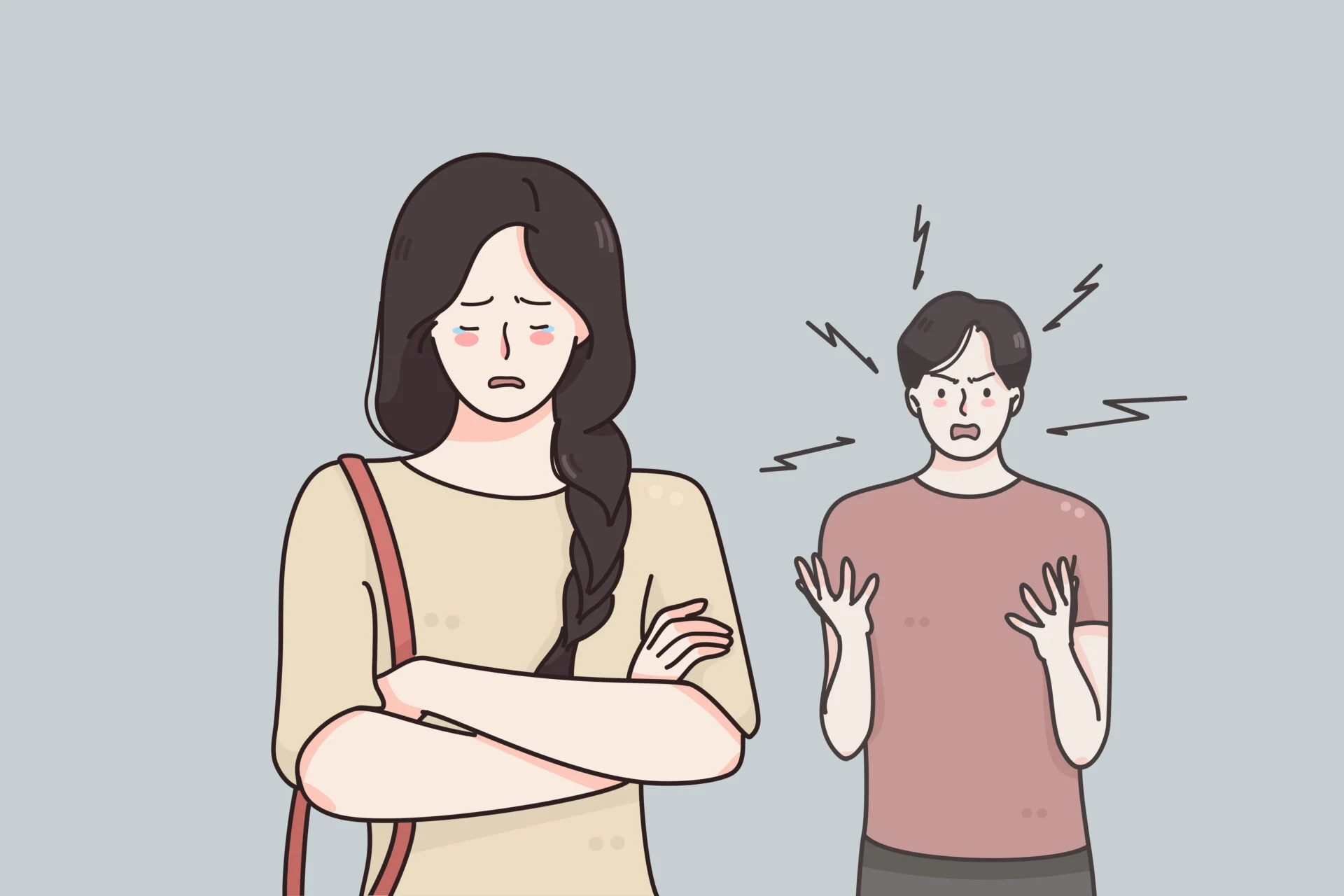
Why do guys try to get a reaction out of you is one of the most searched relationship questions of 2026, and for good reason.
It happens in texting, in person, on social media, and even in long-term relationships.
One minute things feel normal, and the next he says or does something that seems designed purely to make you feel something strong.
It can feel confusing, frustrating, or even a little exciting depending on the situation.
This guide breaks down the real psychology behind the behavior, the most common reasons guys do it, and exactly how to respond in a way that protects your peace and your power.
Why This Question Comes Up So Often in 2026

Texting, social media, and constant digital contact have made provocation easier and more frequent than ever before.
A guy no longer needs to wait for a phone call to trigger a reaction. A single story post, a delayed reply, or a vague caption can do the job instantly.
This is part of why so many women are searching for clarity on this exact behavior right now.
The core psychology has not changed, but the tools available to act on it have multiplied.
What It Means When a Guy Tries to Get a Reaction Out of You
When a guy tries to get a reaction out of you, he is doing or saying something on purpose to trigger an emotional response.
That response could be anger, jealousy, laughter, sadness, or even confusion.
The behavior itself is neutral. It is the intent behind it that matters most.
Sometimes it is harmless flirting. Other times it points to insecurity, control, or emotional immaturity that needs a closer look.
It also helps to remember that one isolated incident rarely tells the full story.
A single comment that stings could be a clumsy joke. A repeated pattern across weeks or months is a much clearer signal of intent.
The Psychology Behind Reaction-Seeking Behavior
At its core, getting a reaction out of someone is about connection and proof of impact.
When he sees you react, he learns that he matters to you on some level.
This is rooted in basic human wiring. Our brains are wired to crave attention and social feedback, even when that feedback is negative.
That is why “negging,” teasing, and provocation can feel oddly addictive for the person doing it, and confusing for the person on the receiving end.
Researchers who study attention-seeking behavior note that any response, even frustration or anger, can reinforce the action because it confirms the person was noticed.
This is the same basic principle that explains why children sometimes misbehave for attention rather than risk being ignored entirely.
Adults are not immune to this pattern. Many men simply repeat habits that worked for them earlier in life, without ever questioning whether the habit is actually healthy.
Top Reasons Guys Try to Get a Reaction Out of You
There is rarely one single explanation. Most reaction-seeking behavior falls into one of the categories below.
He Wants to Know If You Actually Care
This is one of the most common and least harmful reasons.
He is curious about your feelings but does not want to ask directly and risk rejection.
By saying or doing something provocative, he gets an answer without exposing himself emotionally.
A strong reaction from you tells him he matters. Silence tells him something too.
He Is Testing Your Boundaries
Some guys provoke you to learn what you will and will not tolerate.
This can be innocent curiosity in a new relationship, or it can be a calculated move to see how far he can push.
A respectful guy backs off the moment you set a limit.
A guy who keeps pushing after you have made your boundary clear is showing you who he really is.
He Is Seeking Attention and Validation
Attention-seeking is one of the most documented drivers of provocative behavior in psychology.
When someone feels unseen or undervalued, they often act out to be noticed.
A strong reaction, even a negative one, can feel better to him than being ignored completely.
This pattern is frequently tied to low self-esteem or unmet emotional needs from earlier in life.
He Likes You and Doesn’t Know How to Show It
Teasing the person you like is a habit many people never outgrow from childhood.
He might challenge your opinions, joke at your expense, or push your buttons just to keep the interaction going.
The reaction he wants is engagement, not anger. He wants to see a spark.
This style of flirting can feel fun when it is mutual and stops being fun if it does not.
He Feels Insecure and Needs Reassurance
A man who secretly doubts his own value may provoke jealousy or worry just to feel needed again.
If your reaction shows that you still want him, his anxiety eases temporarily.
This is not healthy communication. It is an indirect substitute for saying “I need reassurance” out loud.
He Wants to Make You Jealous on Purpose
Jealousy induction is one of the most deliberate forms of reaction-seeking behavior.
He may bring up other women, post certain things online, or act extra friendly with someone else while you are watching.
He is not always trying to hurt you. Often he is testing how much you still care.
He Wants to Feel in Control of the Dynamic
For some guys, triggering your emotions on command feels like power.
If he can make you upset, jealous, or anxious whenever he wants, it gives him a sense of control over the relationship.
This pattern shows up most in men with controlling or manipulative tendencies.
He Has Emotional Immaturity
Many men were never taught how to name or express their feelings directly.
Instead of saying “I feel hurt,” he goes quiet for two days.
Instead of saying “I’m jealous,” he flirts in front of you to see what happens.
The table below shows how this plays out in real conversations.
| Mature Communication | Immature Substitute Behavior |
|---|---|
| “I felt hurt when plans changed last minute” | Goes silent for days with no explanation |
| “I am jealous and want to talk about it” | Flirts with someone else to provoke you |
| “I need more reassurance right now” | Pulls away to test your reaction |
| “That comment upset me” | Makes sarcastic jabs instead |
| “I want more of your attention” | Does something bold and watches your face |
He Is Dealing With Something Internal
Sometimes the behavior has little to do with you specifically.
Anxiety, past trauma, or an unstable attachment history can all show up as provocation.
If he grew up in an unpredictable home, creating predictable emotional chaos can feel oddly safer than calm.
He Enjoys Drama and Emotional Intensity
Some personalities genuinely thrive on chaos and mistake intensity for passion.
If things feel too calm or stable for too long, they stir something up just to feel a charge.
This type tends to escalate when the first attempt does not work.
He Is Testing Your Emotional Stability
Especially early on, some guys provoke you to see how you handle pressure.
He wants to know if you stay calm, get defensive, or spiral when things get tense.
This is not always a red flag. Some men have been burned by volatile partners before and are quietly assessing compatibility.
Common Tactics Guys Use to Get a Reaction

The table below shows the most frequent tactics and what they are usually designed to test.
| Tactic | What It Looks Like | What He’s Testing |
|---|---|---|
| Going silent | No replies for hours or days | Whether you will chase him |
| Mentioning other women | Talking about female friends often | Your jealousy or insecurity |
| Hot and cold behavior | Warm one day, distant the next | Your emotional stability |
| Public social media posts | Photos or comments meant to be seen | If you notice and react |
| Picking small arguments | Starting fights over minor things | How you handle conflict |
| Backhanded compliments | Compliments with a slight insult | Your self-esteem |
| Bringing up exes | Talking about past relationships | Your reaction and confidence |
Signs He Is Deliberately Trying to Provoke You
Some provocation is unconscious. Some is fully calculated. These signs point toward intent.
- He watches your face closely right after saying something provocative
- He pushes harder if you do not react the first time
- He repeats the same triggering topic again and again
- He seems satisfied or smirks when you get visibly upset
- His mood shifts the moment you give him attention
- He goes cold right after a genuinely close, warm moment
- His timing always lines up with when things are going well
The more of these you recognize, the more deliberate the pattern likely is.
How Relationship Type Changes the Meaning
The same provoking behavior can mean very different things depending on who is doing it.
| Relationship Type | Likely Reason Behind It |
|---|---|
| New crush or early dating | Nervous flirting, testing mutual interest |
| Long-term partner | Insecurity, need for reassurance, habit |
| Ex-boyfriend | Wanting control back, lingering jealousy |
| Close friend | Unspoken attraction or boundary testing |
| Casual acquaintance | Boredom, attention-seeking, social habit |
| Controlling partner | Power, manipulation, emotional leverage |
Context does not excuse hurtful behavior, but it does help you interpret it accurately.
Playful Teasing vs Harmful Provocation
Not every reaction-seeking moment is a problem. The difference comes down to impact, not intent alone.
| Playful Teasing | Harmful Provocation |
|---|---|
| Both people end up laughing | One person consistently feels worse |
| Stops the moment you ask | Escalates when you push back |
| Comes from warmth and fun | Comes from control or contempt |
| Leaves you feeling closer | Leaves you feeling drained or anxious |
| He adjusts to your feelings | He dismisses or mocks your feelings |
If interactions consistently leave you feeling worse rather than connected, the line has already been crossed.
What His Attachment Style Might Reveal
Attachment theory offers useful context for why some men provoke far more than others.
Anxiously attached men often provoke reactions when they feel uncertain about your feelings, since constant reassurance soothes their fear of abandonment.
Avoidantly attached men sometimes create conflict on purpose, because distance feels safer than real closeness.
Men with disorganized attachment patterns, often shaped by chaotic childhoods, may provoke without fully understanding their own motives.
None of this excuses harmful behavior, but it can help you respond with clarity instead of self-blame.
How to Respond When a Guy Tries to Get a Reaction Out of You

Responding well does not mean shutting down emotionally or pretending you feel nothing.
It means choosing your response on purpose instead of reacting automatically.
Pause Before You Respond
A short pause of just a few seconds interrupts the automatic reaction he is hoping for.
That brief space gives you room to choose your words instead of firing back instantly.
Use Calm, Neutral Language
Short, steady replies like “okay” or “noted” remove the emotional payoff he was looking for.
Matching his intensity only feeds the cycle and keeps the pattern going.
Name the Pattern Directly
Saying something like “I notice this happens right when things are going well” is hard to argue with.
Naming the behavior calmly removes the deniability that provocation depends on.
Set Clear, Consistent Boundaries
A boundary is simply a statement of what you will and will not engage with going forward.
Following through every single time is what actually makes the boundary mean something.
Practical Response Strategies at a Glance
| Strategy | How to Use It | Why It Works |
|---|---|---|
| Pause first | Count to five before replying | Breaks the automatic reaction loop |
| Stay neutral | Short, calm responses only | Removes the emotional reward |
| Name it | “I notice you do this when…” | Makes the pattern visible |
| Hold the boundary | State it once, then follow through | Removes his leverage over time |
| Build self-regulation | Journaling, breathing, slow breaths | Lowers overall reactivity |
When Reaction-Seeking Becomes a Red Flag
Most provocation is harmless, but certain patterns deserve closer attention.
Watch for escalation when you do not react, mocking your emotions, calling you “too sensitive,” or denying behavior you clearly witnessed.
If interactions consistently leave you anxious, confused, or emotionally drained, this has likely moved past simple immaturity.
That combination of patterns usually points toward manipulation rather than nervous flirting or insecurity.
Should You Talk to Him About It?
If the relationship matters and the behavior is not clearly manipulative, an honest conversation is almost always worth having.
Pick a calm moment, not the middle of a heated exchange.
Describe what you noticed and how it made you feel, using “I” statements instead of accusations.
A guy who genuinely cares will listen and adjust. One who deflects or turns it back on you is telling you something important.
Long-Term Effects of Constant Reaction-Seeking on a Relationship
When provocation becomes a regular pattern instead of an occasional moment, it slowly reshapes how a relationship feels day to day.
You may start anticipating conflict before it even happens, which keeps your nervous system on alert far more often than it should be.
Trust erodes gradually, since every interaction starts to feel like it could be a setup for another emotional test.
Over time, this can train you to either over-react out of exhaustion or shut down completely, neither of which supports a healthy connection.
Recognizing this pattern early protects your long-term emotional wellbeing, not just your reaction in the moment.
Quick Self-Check: Are You Reacting in a Way That Helps You?
Before changing how you respond, it helps to notice your current default pattern.
Ask yourself if you tend to reply instantly, match his tone, or explain yourself repeatedly when he provokes you.
Ask whether you feel more in control after the interaction, or more drained and second-guessing yourself.
If your usual response leaves you feeling worse, that is a strong sign it is time to adjust your approach rather than the relationship itself just yet.
This kind of honest self-check is often the first real step toward breaking an exhausting cycle.
Frequently Asked Questions (FAQs)
Why do guys try to get a reaction out of you by going silent?
Silence is often used to make you anxious or prove how much you care.
It lets him test your investment without directly asking or risking rejection.
Does provoking you mean he actually likes you?
It can, especially early in dating when nervous flirting is common.
The deeper meaning always depends on the pattern and the relationship’s overall context.
Why do guys mention other girls to get a reaction?
This usually triggers jealousy as a way to confirm you still care.
It can also stem from insecurity or a need to feel desirable.
What’s the best way to react when he’s clearly provoking you?
Pause, stay calm, and respond with neutral, short language.
A big emotional reaction is usually the exact reward he was hoping for.
Is reaction-seeking always a form of manipulation?
No, it can also reflect nervousness, attraction, or emotional immaturity.
Manipulation specifically involves a repeated pattern of control and disregard for your feelings.
Why do guys go hot and cold to get a reaction?
Hot and cold behavior creates uncertainty, which keeps your focus locked on him.
It is often linked to avoidant attachment or a desire to stay in emotional control.
What does it mean if he provokes you, then acts innocent afterward?
This is a classic case of plausible deniability designed to make you question yourself.
Over time, this pattern can shift into a subtler form of gaslighting.
Can you actually make him stop trying to provoke you?
You cannot control his choices, but you can control what you reward with attention.
Once provocation stops working, most men either drop it or shift to direct communication.
Why do guys try to get a reaction out of you on social media?
Social media adds visibility, which makes jealousy and insecurity tactics feel more powerful.
Posting where you’ll see it is often a calculated, low-risk way to provoke you.
When should you walk away from someone who constantly provokes you?
Walk away once the pattern is consistent and your feelings are repeatedly dismissed.
If most interactions leave you drained or anxious, that is a signal worth taking seriously.
Conclusion
Why do guys try to get a reaction out of you rarely comes down to one single, simple reason.
Sometimes it is nervous flirting or genuine curiosity about your feelings.
Other times it reflects insecurity, emotional immaturity, or a deliberate need for control.
What matters most is recognizing that your reaction holds real value, since it shows him exactly how much access he has to your emotions.
Pausing before you respond, speaking in calm and neutral language, and holding firm boundaries are not cold tactics.
They are simple acts of self-respect that protect your peace.
Not every guy who teases you is a problem, but a guy who repeats the pattern without ever caring how it affects you is showing you precisely who he is.
Pay attention to that pattern, trust what you consistently observe, and remember that the right person will never need to provoke you just to feel close to you.