Why Do My Gums Bleed When I Brush My Teeth? Fixes 2026
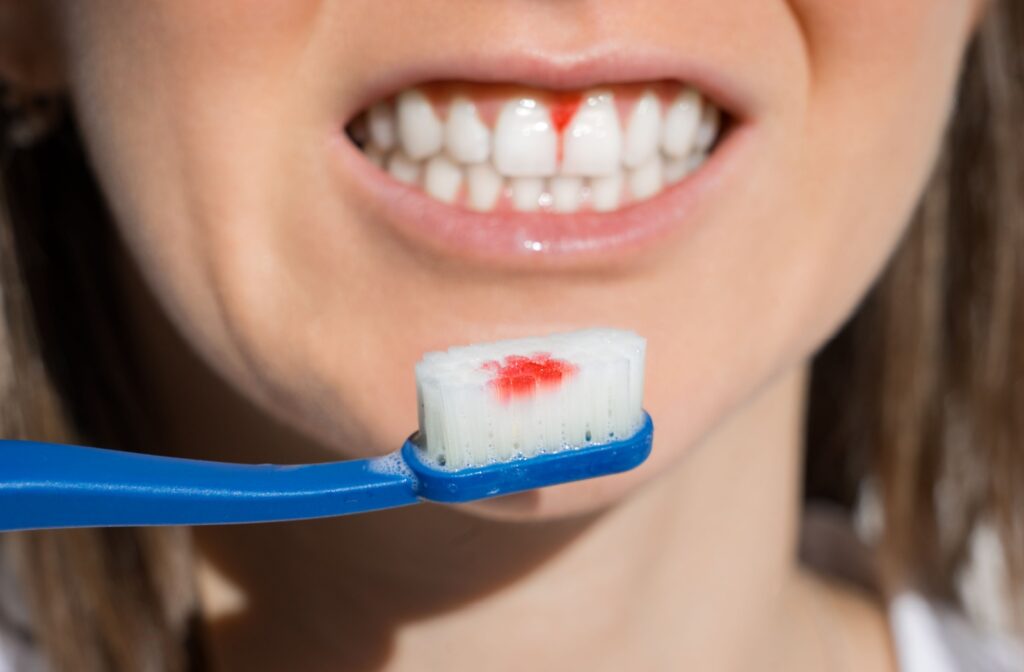
Why do my gums bleed when I brush my teeth is one of the most common dental questions asked every year, and the answer matters more than most people realize.
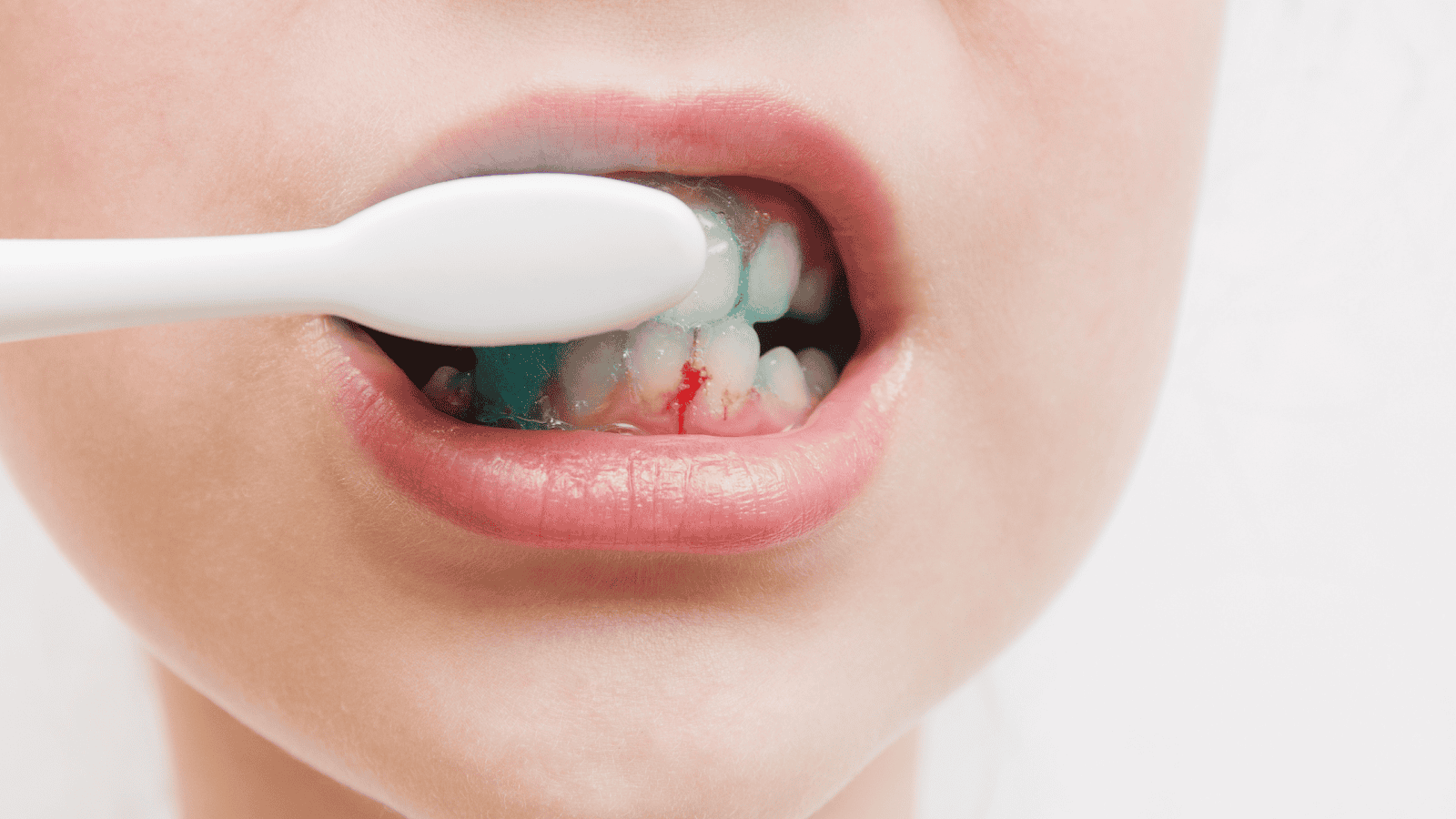
Bleeding gums are not normal, and they are rarely something you should ignore.
In most cases, bleeding is your body signaling that something is wrong, whether it is plaque buildup, gum disease, a vitamin deficiency, or a medication side effect.
Are Bleeding Gums Normal?
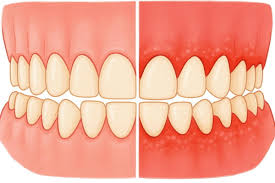
The short answer is no. Healthy gums do not bleed during routine brushing or flossing.
If you see pink or red in the sink regularly after brushing, your gums are inflamed and trying to tell you something. Occasional bleeding from a one-time aggressive brush or a new flossing habit settling in is generally fine. But consistent bleeding is always worth investigating.
The earlier you identify the cause, the easier and less expensive the fix will be.
How Common Is This Problem?
Bleeding gums are one of the most widespread oral health complaints worldwide. Studies estimate that nearly half of adults over 30 have some form of gum disease, and bleeding is almost always the first visible symptom.
The good news is that the most common cause, gingivitis, is completely reversible with the right care. The bad news is that ignoring it allows it to progress into periodontitis, which causes permanent bone loss and can lead to tooth loss.
Cause 1: Gingivitis (The Most Common Reason)
What Gingivitis Actually Is
Gingivitis is the earliest and most common stage of gum disease. It happens when plaque, a sticky film of bacteria, builds up along the gum line and irritates the soft gum tissue.
The bacteria in plaque produce toxins that cause the gums to become inflamed, red, and swollen. This inflamed tissue bleeds easily when you brush or floss because the blood vessels in it become engorged and fragile.
How Plaque Turns Into Tartar
If plaque is not removed by daily brushing and flossing, it hardens within 24 to 72 hours into tartar, also called calculus. Tartar is a hard, rough deposit that sticks firmly to teeth and cannot be removed by a toothbrush alone.
Tartar provides a rough surface where even more plaque accumulates, creating a cycle of inflammation that makes gum bleeding worse over time. Only a professional dental cleaning can remove tartar.
The Good News About Gingivitis
Gingivitis is the only stage of gum disease that is fully reversible. With improved brushing, daily flossing, and a professional cleaning, inflamed gums can return to full health, usually within two to four weeks.
This is why acting early matters so much. Once gingivitis advances into periodontitis, the damage to bone and connective tissue is permanent.
Cause 2: Periodontitis (Advanced Gum Disease)
How Gingivitis Becomes Periodontitis
When gingivitis is left untreated, bacteria seep below the gum line and begin attacking the bone and connective tissue that hold teeth in place. This is periodontitis, and the damage it causes cannot be reversed.
Dentists measure this progression by checking periodontal pocket depth, the gap between your tooth and the gum around it.
| Pocket Depth | Gum Health Status |
|---|---|
| 1 to 3 mm | Healthy gums |
| 4 to 5 mm | Early to moderate periodontitis |
| 6 mm or deeper | Severe periodontitis, bone loss present |
Symptoms of Periodontitis
Beyond bleeding, periodontitis causes persistent bad breath, receding gums, pus around the gum line, and teeth that feel loose or shift in position. In severe cases, teeth may need to be extracted.
This is why the answer to “why do my gums bleed when I brush my teeth” should never be dismissed as harmless. Bleeding is an early warning. Catching it at the gingivitis stage prevents a lifetime of dental complications.
Gum Disease Stages at a Glance
| Stage | Bone Loss | Reversible | Treatment |
|---|---|---|---|
| Gingivitis | None | Yes | Professional cleaning + hygiene |
| Mild Periodontitis | Early | No | Scaling and root planing |
| Moderate Periodontitis | Moderate | No | Deep cleaning + antibiotics |
| Severe Periodontitis | Significant | No | Surgery, possible tooth loss |
Cause 3: Brushing Too Hard or With the Wrong Toothbrush
Hard Brushing Damages Gum Tissue
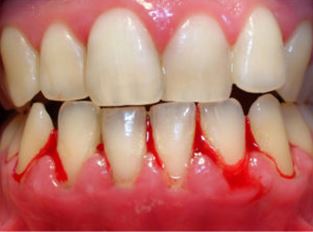
One of the most fixable causes of bleeding gums is the brushing technique itself. Many people assume that brushing harder means brushing cleaner. The opposite is true.
Aggressive brushing with too much pressure, or using a medium or hard-bristled toothbrush, physically damages the delicate gum tissue and causes it to bleed. Over time it can also cause gum recession, exposing the sensitive root surface of the tooth.
The Right Technique
Use a soft-bristled toothbrush and hold it at a 45-degree angle to the gum line. Apply only light pressure and use small circular or gentle back-and-forth strokes.
Think of it as massaging the gums, not scrubbing a floor. The goal is to dislodge plaque, not to scrub through tissue. Replacing your toothbrush every three to four months ensures the bristles stay effective without becoming splayed and potentially rough.
Electric vs Manual Toothbrushes
Electric toothbrushes with pressure sensors are particularly helpful for people who tend to brush too hard. The sensor alerts you when you are applying excessive force, helping you retrain your brushing habit.
Studies consistently show that oscillating electric toothbrushes remove more plaque than manual brushing and reduce gum bleeding more effectively over time.
Cause 4: Infrequent or Incorrect Flossing
Why Flossing Matters for Gum Bleeding
Your toothbrush only cleans about 60% of your tooth surfaces. The 40% between teeth and just under the gum line can only be reached by flossing.
When you skip flossing, plaque and bacteria accumulate in those hidden spaces and cause gum inflammation right at the point where bleeding is most likely during brushing.
Why Starting to Floss Causes Temporary Bleeding
If you have not flossed consistently, your gums may bleed when you start or resume the habit. This is because the gum tissue is already mildly inflamed from the accumulated plaque.
This initial bleeding is normal and should decrease within seven to ten days of daily flossing. If it does not improve or gets worse, it signals active gum disease rather than simple re-adjustment.
How to Floss Correctly
Use about 45 cm of floss and wrap it around your middle fingers, leaving a short working section. Slide it gently between teeth using a C-shape around each tooth, dipping just under the gum line without snapping it into the gums.
Interdental brushes and water flossers are good alternatives for people who find traditional flossing difficult or who have wider gaps between teeth.
Cause 5: Hormonal Changes
Why Hormones Affect Gum Health
Hormonal fluctuations significantly change how gum tissue behaves. Rising levels of estrogen and progesterone during pregnancy, puberty, menstruation, and menopause increase blood flow to the gums and make them more sensitive and reactive to plaque.
This creates a condition where even a small amount of plaque that would not normally cause bleeding suddenly triggers strong inflammation and gum bleeding.
Pregnancy Gingivitis
Between 60 and 75% of pregnant women develop pregnancy gingivitis, typically in the second trimester. Progesterone increases the permeability of blood vessels in the gums, making them engorged and far more likely to bleed during brushing.
Pregnancy gingivitis is manageable with excellent oral hygiene and regular dental cleanings. Most dentists recommend at least one or two professional cleanings during pregnancy. Left unmanaged, pregnancy gingivitis can progress to periodontitis, which has been linked to preterm birth and low birth weight.
Menopause and Gum Changes
During menopause, falling estrogen levels cause gum tissue to become drier, thinner, and more sensitive. This can lead to burning sensations, increased bleeding, and faster progression of gum disease.
Postmenopausal women may benefit from discussing local estrogen therapy options with their doctor if vaginal and oral dryness are affecting quality of life, alongside maintaining careful oral hygiene.
Cause 6: Vitamin Deficiencies
Vitamin C and Gum Health
Vitamin C is essential for collagen production, and collagen is what gives gum tissue its structure and resilience. Without enough vitamin C, gum tissue becomes fragile, wounds heal slowly, and the gums bleed easily.
Severe vitamin C deficiency causes scurvy, which is rare today but produces extreme gum bleeding and tooth loss. Mild deficiency is more common and still contributes to gum fragility and bleeding.
Foods rich in vitamin C include oranges, strawberries, kiwi, bell peppers, broccoli, and leafy greens. Getting enough of these daily supports gum tissue health noticeably.
Vitamin K and Clotting
Vitamin K is essential for blood clotting. Without enough of it, even minor gum trauma from brushing produces more bleeding than usual because the blood cannot clot efficiently.
Vitamin K is found in leafy green vegetables like spinach, kale, and Brussels sprouts. If you eat a very restricted diet, a vitamin K deficiency may be contributing to your bleeding gums.
| Vitamin | Role in Gum Health | Best Food Sources |
|---|---|---|
| Vitamin C | Collagen production, tissue strength | Citrus, strawberries, bell peppers |
| Vitamin K | Blood clotting, wound healing | Spinach, kale, Brussels sprouts |
| Vitamin D | Immune function, inflammation control | Sunlight, fatty fish, fortified foods |
| Calcium | Bone density supporting teeth | Dairy, almonds, leafy greens |
Cause 7: Medications That Cause Gum Bleeding
Blood Thinners
Blood-thinning medications like warfarin, aspirin, clopidogrel, and newer anticoagulants reduce the blood’s ability to clot. Any minor irritation to gum tissue during brushing produces more bleeding than it would in someone not on these medications.
Never stop a prescribed blood thinner because of gum bleeding. Instead, inform your dentist that you take blood thinners so they can adjust treatment planning accordingly. Gentle brushing and meticulous soft-tissue care are especially important for people on anticoagulant therapy.
Blood Pressure and Seizure Medications
Certain blood pressure medications (amlodipine, nifedipine) and anticonvulsants (phenytoin) can cause gingival hyperplasia, abnormal overgrowth of gum tissue. Overgrown gum tissue is harder to keep clean and bleeds more easily.
Immunosuppressants taken by organ transplant patients can also cause gum overgrowth. If your gums appear swollen or enlarged alongside bleeding, tell your dentist about all medications you take.
Common Medications Linked to Gum Bleeding
| Medication Type | Examples | Effect on Gums |
|---|---|---|
| Blood thinners | Warfarin, aspirin, rivaroxaban | Increased bleeding |
| Blood pressure | Amlodipine, nifedipine | Gum overgrowth |
| Anticonvulsants | Phenytoin | Gum overgrowth |
| Immunosuppressants | Cyclosporine | Gum overgrowth |
| Antidepressants | Some SSRIs | Dry mouth, increased plaque |
Cause 8: Smoking and Tobacco Use
How Smoking Hides Gum Disease
Smoking is one of the most significant risk factors for gum disease, but it creates a dangerous deception. Nicotine restricts blood flow to the gums, which actually masks the bleeding symptom that would otherwise alert someone to a problem.
Smokers often have more advanced gum disease than non-smokers but show less bleeding, giving a false sense of security. When a smoker quits, gum bleeding may temporarily increase as blood flow returns to normal.
The Long-Term Damage
Tobacco weakens the immune system’s ability to fight bacterial infection in the mouth. It slows healing, reduces saliva production (which normally protects gums), and dramatically increases the risk of periodontitis, tooth loss, and oral cancer.
Quitting smoking is one of the most impactful things you can do for gum health. Within weeks of quitting, circulation to the gums improves and the risk of gum disease progression drops significantly.
Cause 9: Systemic Health Conditions
Diabetes and Gum Disease
Diabetes and gum disease have a two-way relationship. Uncontrolled blood sugar increases susceptibility to gum infections by impairing immune response. At the same time, chronic inflammation from gum disease worsens insulin resistance and makes blood sugar harder to control.
People with periodontitis face a 26% higher risk of developing type 2 diabetes compared to those with healthy gums. Treating gum disease has been shown to reduce a key blood sugar marker (HbA1c) by about 0.43% within three to four months, comparable to some diabetes medications.
Blood Disorders
Conditions that affect how blood clots, including hemophilia, thrombocytopenia, leukemia, and anemia, can all cause gum bleeding. In these cases the bleeding is often more pronounced and may occur even without brushing.
If your gums bleed spontaneously or you notice unusual bruising alongside gum bleeding, seek medical evaluation rather than just dental care.
Stress and Immune Function
Chronic stress suppresses immune function, making it harder for the body to fight the bacterial load in the mouth. Stress also increases levels of the hormone cortisol, which promotes inflammation throughout the body, including in gum tissue.
People going through periods of high stress often notice a worsening of gum inflammation and bleeding even without any change in their oral hygiene habits.
Cause 10: New Dental Appliances or Ill-Fitting Dentures
Braces, Retainers, and Aligners
Orthodontic appliances make thorough cleaning more difficult. Plaque accumulates around brackets, wires, and attachment points if extra care is not taken to clean around them.
This increased plaque load leads to gum inflammation and bleeding at the gum line around brackets and between teeth. Using an interdental brush or water flosser alongside regular brushing is essential when wearing orthodontic appliances.
Ill-Fitting Dentures
Dentures or partial dentures that do not fit properly create pressure points that irritate and damage gum tissue. This localized trauma causes bleeding and soreness at specific points where the appliance rubs.
If your dentures are causing gum bleeding or soreness, see your dentist for a refitting or adjustment. Poorly fitting dentures also increase the risk of fungal infections under the appliance.
How to Fix Bleeding Gums: What Actually Works
Step 1: Improve Your Brushing and Flossing
The foundation of fixing bleeding gums is consistent, correct oral hygiene. Brush twice daily for a full two minutes using a soft-bristled toothbrush and gentle circular strokes.
Floss once daily, reaching under the gum line on both sides of every tooth. If traditional floss is difficult, use a water flosser or interdental brushes as an alternative.
Step 2: Use an Antibacterial Mouthwash
An antibacterial mouthwash containing chlorhexidine or essential oils (like Listerine) helps reduce the bacterial load in areas your toothbrush and floss cannot fully reach.
Swish for the full recommended time after brushing. Do not use mouthwash as a substitute for brushing and flossing; use it as an add-on to your routine.
Step 3: Salt Water Rinse for Immediate Relief
Mix half a teaspoon of salt in a cup of warm water and swish for 30 seconds, two to three times daily. Salt water is a natural antiseptic that reduces bacterial activity, soothes inflamed tissue, and draws out some of the fluid causing swelling.
This will not cure gum disease on its own, but it provides meaningful short-term relief while your oral hygiene improvements take effect.
Step 4: Book a Professional Dental Cleaning
If you have tartar buildup, no amount of home care will fully resolve the inflammation until a professional removes it. A standard dental cleaning (prophylaxis) removes plaque and tartar above the gum line.
Most adults should have a professional cleaning every six months. People with a history of gum disease or who are already showing signs of periodontitis may need cleanings every three to four months.
Step 5: Scaling and Root Planing for Active Disease
If gingivitis has progressed to periodontitis, a standard cleaning is not enough. Scaling and root planing (SRP) is a deeper procedure where the dentist or hygienist removes plaque and tartar from below the gum line and smooths the root surface to help gums heal and reattach.
SRP is performed under local anesthetic and may require multiple appointments. It is the most effective non-surgical treatment for active periodontitis.
Professional Treatments for Bleeding Gums
What Your Dentist May Recommend
| Treatment | When It Is Used | What It Does |
|---|---|---|
| Professional cleaning | Gingivitis, routine care | Removes plaque and tartar above gum line |
| Scaling and root planing | Mild to moderate periodontitis | Deep cleans below the gum line |
| Antibiotic therapy | Moderate periodontitis | Controls bacterial infection |
| Laser therapy | Moderate to severe disease | Removes infected tissue precisely |
| Gum grafting | Recession, severe tissue loss | Restores lost gum tissue |
| Flap surgery | Severe periodontitis | Cleans deep pockets surgically |
| Periodontal maintenance | After active disease treatment | Every 3–4 month cleanings to prevent recurrence |
Diet Changes That Help Bleeding Gums
Foods That Support Gum Health
What you eat directly affects how resilient your gum tissue is and how well it fights off bacterial infection. A diet rich in vitamins C and K, antioxidants, and calcium gives gums the nutrients they need to stay healthy.
Load up on oranges, strawberries, kiwi, broccoli, spinach, kale, almonds, and dairy products. These provide vitamin C for collagen, vitamin K for clotting, calcium for bone density, and antioxidants to fight inflammation.
Foods and Habits That Worsen Bleeding Gums
Sugary foods and drinks feed the bacteria that produce plaque. Sticky sweets are particularly damaging because they cling to the gum line and create prolonged acid and bacterial exposure.
Alcohol dries out the mouth and reduces saliva flow, which normally helps neutralize acids and wash bacteria away. If you are dealing with bleeding gums, cutting back on sugar and alcohol while increasing water intake makes a measurable difference.
When to See a Dentist About Bleeding Gums
Warning Signs That Need Prompt Attention
| Sign | What It Could Mean |
|---|---|
| Bleeding that does not improve after 2 weeks of better hygiene | Likely active gum disease |
| Spontaneous bleeding without brushing | Severe inflammation or blood disorder |
| Persistent bad breath despite brushing | Bacterial infection below gum line |
| Loose or shifting teeth | Advanced periodontitis |
| Gum recession (teeth look longer) | Bone loss under the gum |
| Pus around the gum line | Periodontal abscess |
| Swollen, painful gums with fever | Infection needing urgent care |
Do Not Wait Too Long
Gum disease progresses silently. Many people have moderate periodontitis and feel no pain at all. Bleeding is often the only early warning you get before irreversible damage sets in.
If your gums have been bleeding consistently for more than two weeks despite improved oral hygiene, book a dental appointment. A gum assessment takes less than 15 minutes and gives you a clear picture of where you stand.
Prevention: How to Keep Your Gums Healthy Long-Term
Daily Habits That Make a Real Difference
Brush twice daily with a soft toothbrush. Floss every single day. Use an antibacterial mouthwash three to four times a week. Drink plenty of water, especially fluoridated tap water if available in your area. Replace your toothbrush every three months.
Eat a balanced diet rich in vegetables and low in added sugar. Do not smoke or use any tobacco product. Manage systemic conditions like diabetes carefully, since blood sugar control directly impacts gum health.
Professional Care Schedule
| Risk Level | Recommended Cleaning Frequency |
|---|---|
| Low risk (healthy gums, good hygiene) | Every 6 months |
| Moderate risk (mild gingivitis, smoker) | Every 4 months |
| High risk (active periodontitis, diabetes) | Every 3 months |
| Post-treatment maintenance | Every 3 months minimum |
Frequently Asked Questions (FAQs)
Why do my gums bleed when I brush my teeth?
Bleeding gums when brushing are most commonly caused by gingivitis, the early stage of gum disease triggered by plaque buildup at the gum line. Other causes include brushing too hard, vitamin deficiencies, hormonal changes, and certain medications.
Is it normal for gums to bleed a little when brushing?
Occasional very mild bleeding from a new flossing habit settling in can be temporary, but healthy gums should not bleed regularly during brushing. Consistent bleeding is a sign of inflammation that needs attention.
How do I stop my gums from bleeding when I brush?
Improve your brushing technique using a soft toothbrush and gentle circular strokes, floss daily, and use an antibacterial mouthwash. See a dentist for a professional cleaning if bleeding does not improve within two weeks.
Can bleeding gums heal on their own?
Gingivitis-related bleeding can reverse fully with improved oral hygiene and professional cleaning. Advanced gum disease (periodontitis) cannot reverse but can be managed. Bleeding caused by vitamin deficiency improves once the deficiency is corrected.
What vitamin deficiency causes bleeding gums?
Vitamin C deficiency weakens gum tissue and collagen structure, causing gums to bleed easily. Vitamin K deficiency impairs blood clotting, leading to prolonged bleeding after even minor gum irritation.
Can stress cause gum bleeding?
Yes. Chronic stress suppresses immune function, making gum tissue less able to fight bacterial infection. Stress also increases inflammatory hormones that worsen gum inflammation and bleeding.
Do blood thinners cause gums to bleed when brushing?
Yes. Blood-thinning medications like warfarin and aspirin reduce the blood’s ability to clot, causing more bleeding from even minor brushing trauma. Never stop a prescribed blood thinner without medical advice; instead inform your dentist.
How long does it take for bleeding gums to stop?
With improved oral hygiene and a professional cleaning, gingivitis-related bleeding typically improves within one to two weeks and resolves fully within four weeks. More advanced disease takes longer and requires professional treatment.
Can pregnancy cause bleeding gums?
Yes. Between 60 and 75% of pregnant women develop pregnancy gingivitis due to hormonal changes that increase blood flow to gum tissue and make it more reactive to plaque. Regular brushing, flossing, and dental cleanings during pregnancy are essential.
When should I see a dentist for bleeding gums?
See a dentist if gum bleeding persists for more than two weeks despite improved hygiene, if you notice spontaneous bleeding, loose teeth, gum recession, bad breath, or any pus around the gum line. Early treatment prevents serious long-term damage.
Conclusion
Why do my gums bleed when I brush my teeth comes down to one core message: bleeding gums are your body’s earliest and clearest warning that something is wrong, and that warning is worth acting on immediately.
In most cases the cause is gingivitis, which is completely reversible with better oral hygiene and a professional dental cleaning.
But it can also signal advanced gum disease, vitamin deficiencies, hormonal shifts, medication side effects, or systemic conditions like diabetes that need attention beyond the dental chair.
The fix almost always starts at home: a soft-bristled toothbrush, gentle technique, daily flossing, and consistent habits.
Add a professional cleaning every six months and you eliminate the most common cause entirely.
The longer you wait, the more complex and costly the treatment becomes. Gingivitis takes two weeks to reverse.
Periodontitis takes a lifetime to manage. Act now, protect your gums, and protect your overall health at the same time.