Why Do People Drool in Their Sleep? Common Causes 2026
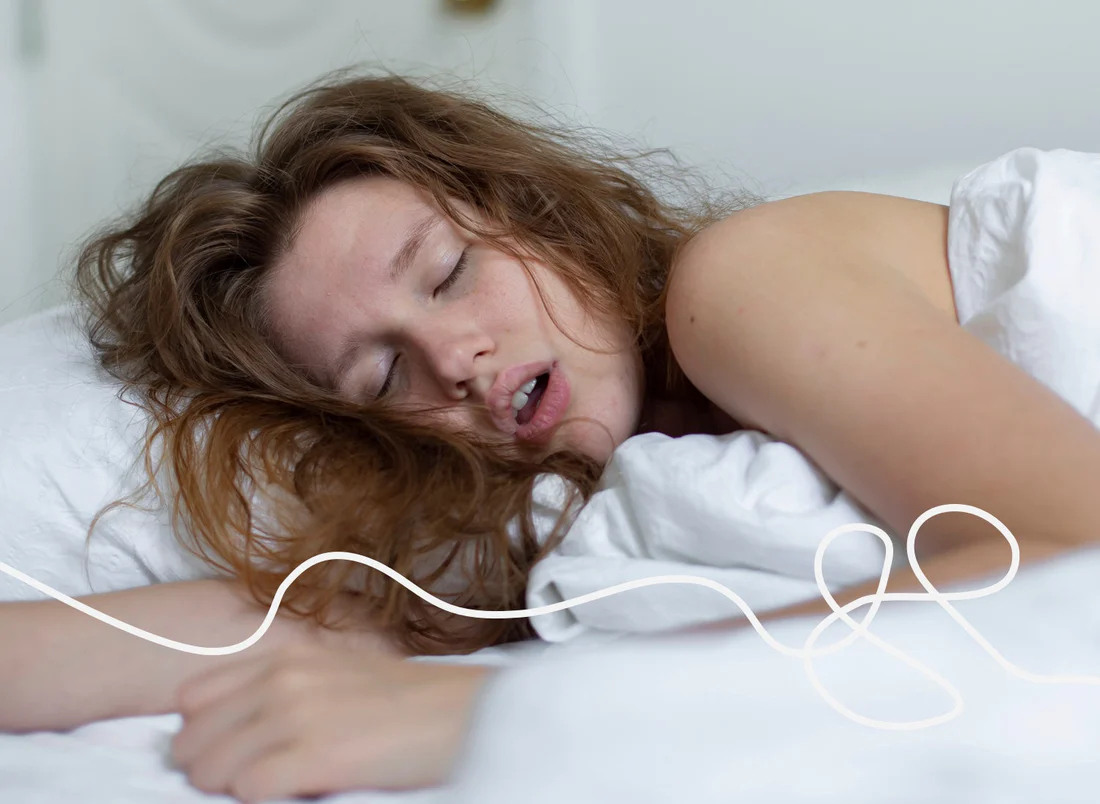
Why do people drool in their sleep? It happens because saliva keeps flowing even while you rest, and gravity, sleep position, and muscle relaxation make it easy for some of that saliva to escape your mouth. Most people experience this at some point, and a wet pillow in the morning is usually nothing to worry about.
But sometimes drooling is a clue that something else is going on, like allergies, acid reflux, or sleep apnea.
Quick Facts About Why Do People Drool in Their Sleep?
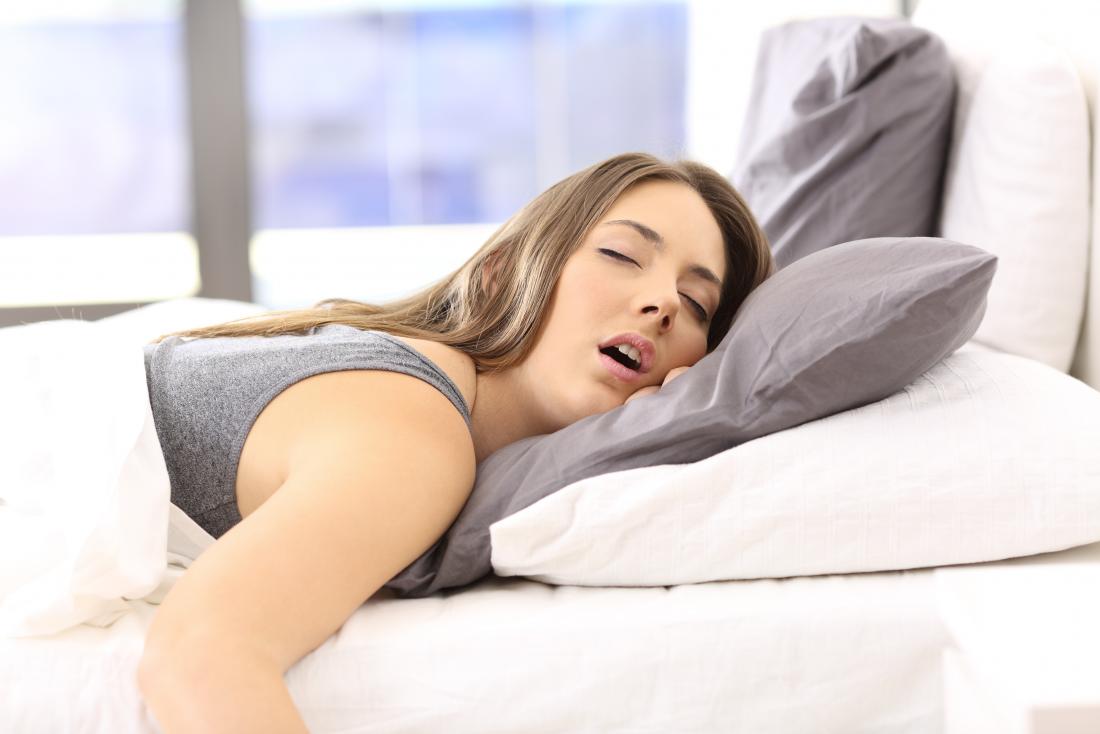
Before diving into causes, here’s a fast snapshot of what research and sleep experts say about this condition.
| Fact | Detail |
|---|---|
| Medical term | Sialorrhea or ptyalism |
| Who it affects | Children, adults, and especially older adults |
| Most common cause | Sleep position (side or stomach sleeping) |
| Linked sleep disorder | Obstructive sleep apnea (OSA) |
| When it’s usually harmless | Occasional, mild drooling during deep sleep |
| When to see a doctor | Sudden, severe, or one-sided drooling |
This table gives you a baseline understanding. Now let’s look at why drooling actually happens in the first place.
What Is Drooling and Why Does It Happen?
Drooling is the unintentional flow of saliva out of your mouth. Your salivary glands produce saliva all day and all night, even when you’re fast asleep.
During waking hours, you swallow automatically and keep your lips sealed without thinking about it. At night, your facial muscles relax, your swallowing reflex slows down, and saliva can pool instead of being swallowed.
When that pooled saliva has nowhere else to go, it simply leaks out past your lips. This is the basic mechanism behind almost every case of sleep drooling, regardless of the underlying trigger.
Interestingly, saliva production doesn’t stop at night, it just changes pace. Your body still needs saliva to keep your mouth and throat lubricated, protect against bacteria, and ease swallowing.
The Science of Saliva During Sleep
Saliva production tends to follow a natural rhythm tied to your body’s internal clock. You typically produce more saliva during the day and less at night, but it never fully stops.
This lower nighttime production is still enough to cause drooling if it isn’t managed properly. Combine that with relaxed muscles and an open mouth, and the conditions are ideal for saliva to escape.
Researchers also point to tiny, repetitive mouth movements called oromotor activity that occur during sleep. These movements normally help shift saliva toward your throat so it can be swallowed.
When these movements are disrupted, whether by sleep position, illness, or a medical condition, saliva is more likely to build up and spill out instead of being cleared away naturally.
Common Causes of Drooling During Sleep
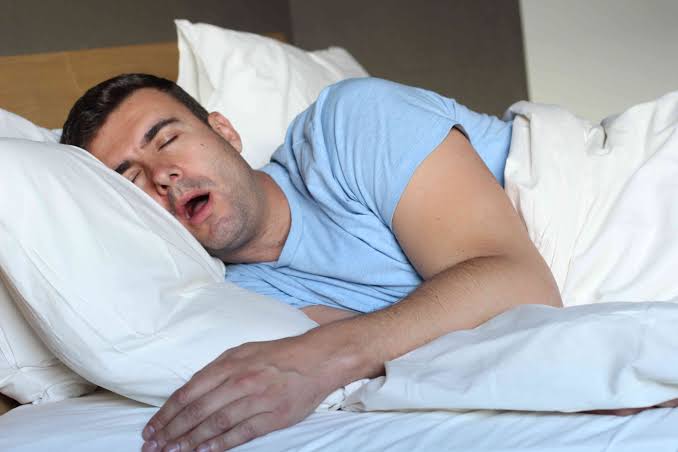
There isn’t just one reason people drool at night. Below are the most frequent causes identified across sleep and medical research.
1. Sleep Position
Your sleep position plays the biggest role in whether you wake up with a wet pillow. Side and stomach sleepers are far more likely to drool than back sleepers.
When you lie on your back, gravity generally keeps saliva in your mouth or lets it travel down your throat instead of out. When you lie on your side or stomach, gravity pulls saliva forward and out of your mouth instead.
If you also sleep with your mouth open, which is common for side and stomach sleepers, the chances of drooling increase even more. This combination is the single most common explanation for nighttime drool.
Switching positions isn’t always easy, especially if you’ve slept a certain way your whole life. Still, this is usually the first and easiest change to test before exploring other causes.
2. Mouth Breathing
Breathing through your mouth instead of your nose is one of the most common drooling triggers. It happens when your nasal passages are blocked, swollen, or naturally narrow.
Mouth breathing keeps your lips parted for hours at a time, giving saliva an easy and direct path to escape. People with narrower sinus passages than average tend to mouth-breathe more often during sleep, even without an illness present.
This habit can also contribute to snoring, dry mouth, and morning sore throats. Identifying and treating the root cause of mouth breathing often reduces drooling as a side benefit.
3. Allergies and Sinus Congestion
Seasonal allergies, colds, and sinus infections can inflame your nasal passages and block normal airflow. This forces you to breathe through your mouth at night instead of your nose.
Conditions like sinusitis, tonsillitis, and even mononucleosis can trigger temporary increases in saliva production alongside nighttime drooling. Your body produces extra saliva partly as a natural response to irritation and infection.
Once the underlying allergy or infection clears up, drooling related to congestion usually resolves on its own without further treatment.
4. GERD and Acid Reflux
Gastroesophageal reflux disease, commonly called GERD, can also be behind your nighttime drool. Stomach acid backing up into your esophagus often triggers extra saliva production as a protective response.
This happens because saliva helps neutralize stomach acid and ease swallowing discomfort, sometimes referred to as dysphagia. The body produces more of it to try to soothe irritation in your throat.
People with GERD often notice drooling alongside heartburn, a sour taste, or a sensation of a lump in the throat. Managing reflux symptoms typically helps reduce the associated drooling as well.
5. Obstructive Sleep Apnea (OSA)
Sleep apnea is one of the more serious causes of excessive drooling and shouldn’t be ignored. It happens when your airway becomes partially or fully blocked repeatedly throughout the night.
To compensate for the blocked airway, your body switches to mouth breathing, which significantly increases saliva pooling and drooling. This can happen dozens or even hundreds of times per night in severe cases.
Loud snoring, gasping for air, morning headaches, and daytime fatigue often accompany this condition. Left untreated, sleep apnea is linked to higher risks of heart disease, high blood pressure, and stroke.
6. Medications
Certain medications increase saliva production as a known side effect. This includes some sedatives, antipsychotic drugs, and certain antibiotics commonly prescribed for infections.
This effect is sometimes referred to medically as drug-induced sialorrhea. Medications used for conditions like Alzheimer’s disease or myasthenia gravis are also known to increase saliva production in some patients.
If your drooling started shortly after beginning a new prescription, your medication is a likely culprit. This is worth mentioning at your next doctor’s appointment rather than stopping medication on your own.
7. Dental and Oral Issues
Misaligned teeth, an improper bite, or nighttime teeth grinding can affect how well your mouth closes during sleep. This makes it physically harder to keep saliva contained inside your mouth.
Mouth ulcers, tooth decay, and gum infections can also stimulate extra saliva flow as your body responds to irritation or pain. A dental exam can quickly rule these factors in or out.
In some cases, an oral appliance prescribed by a dentist can correct bite alignment and reduce drooling as a side benefit.
8. Neurological Conditions
In some cases, drooling is linked to conditions affecting muscle control or nerve signals around the mouth. These include Parkinson’s disease, Bell’s palsy, cerebral palsy, and Guillain-Barré syndrome.
These conditions can weaken the muscles around the mouth or disrupt the swallowing reflex entirely, making it harder for the body to manage saliva normally. This is different from the occasional, harmless drooling most people experience.
Sudden, one-sided drooling paired with other symptoms like facial drooping, slurred speech, or difficulty walking should always be checked by a doctor right away.
9. Teething in Babies and Toddlers
Drooling is extremely common and completely normal in infants and toddlers. It usually increases noticeably around the time teething begins, often starting around four to six months of age.
Young children haven’t fully developed control over their mouth muscles yet, which makes managing saliva more difficult for them than for adults. This naturally improves as their muscle coordination develops over time.
Parents generally don’t need to worry about teething-related drooling unless it’s paired with fever, rash, or signs of significant discomfort.
Drooling Across Different Age Groups
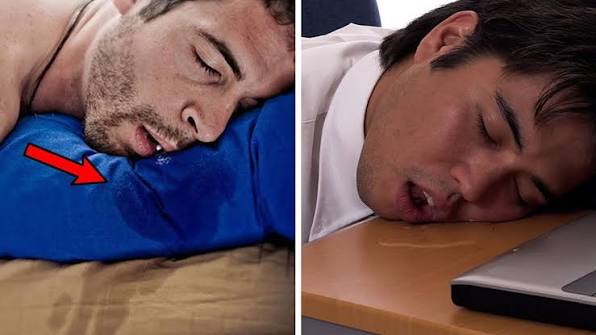
Drooling looks a little different depending on age, and understanding this context can ease unnecessary worry. Babies and toddlers drool the most, largely due to teething and developing muscle control.
School-age children and adults usually drool far less, with sleep position and mouth breathing being the leading causes. Occasional drooling at this stage is rarely a sign of a medical issue.
Older adults sometimes experience more frequent drooling due to weaker muscle tone, medication use, or underlying health conditions. In this age group, persistent or sudden drooling is more worth monitoring closely.
Causes at a Glance
Here’s a simple comparison table summarizing the causes covered above.
| Cause | Typically Serious? | Common Fix |
|---|---|---|
| Sleep position | No | Sleep on your back |
| Mouth breathing | Sometimes | Treat congestion, try mouth tape |
| Allergies | No | Allergy medication |
| GERD | Sometimes | Diet changes, raise head while sleeping |
| Sleep apnea | Yes | CPAP, oral appliance |
| Medications | Sometimes | Talk to your doctor |
| Dental issues | Sometimes | Dental evaluation |
| Neurological conditions | Yes | Medical evaluation |
| Teething | No | Time and normal development |
Myths vs Facts About Drooling
There’s a lot of misinformation floating around about nighttime drooling. Here’s a quick table to clear up common misconceptions.
| Myth | Fact |
|---|---|
| Drooling means poor hygiene | It’s related to sleep position and saliva flow, not cleanliness |
| Only babies drool in sleep | Adults and older adults drool too, often due to position or health factors |
| Drooling always means sleep apnea | It’s one possible cause, not the only one |
| You can’t reduce drooling | Simple changes like sleep position often help significantly |
| Drooling is always harmless | Sudden or one-sided drooling can sometimes signal a medical issue |
How to Stop Drooling in Your Sleep
Once you know the likely cause, reducing nighttime drool is usually manageable. Here are practical steps that sleep experts commonly recommend.
Sleep On Your Back
This is the simplest fix for most people and costs nothing to try. It uses gravity to keep saliva in your mouth or moving toward your throat instead of out onto your pillow.
If staying on your back feels uncomfortable at first, give it a few nights before giving up. Your body often adjusts within a week or two.
Use a Supportive Pillow
Back sleepers typically need a thinner pillow than side sleepers to maintain proper neck alignment. Placing pillows along your sides can also help you physically stay in position throughout the night.
A pillow that’s too thick can tilt your head forward, which may actually make mouth breathing and drooling worse rather than better.
Treat Nasal Congestion
Clearing your sinuses before bed reduces the need to breathe through your mouth while you sleep. Saline rinses, allergy medication, or a bedroom humidifier can all help open up your airways.
If congestion is a recurring nightly issue, it’s worth identifying whether allergies, dry air, or a sinus condition is the underlying trigger.
Try Mouth Tape With Caution
Some people use gentle mouth tape to encourage nasal breathing throughout the night. This should only be tried if you don’t have any breathing conditions, and ideally after checking with a doctor first.
Mouth tape isn’t appropriate for everyone, particularly those with nasal blockages or diagnosed sleep apnea, since it could restrict airflow further.
Address GERD Symptoms
Avoiding spicy, acidic, or heavy meals late at night can reduce reflux-related saliva production significantly. Elevating your head slightly while sleeping may also help keep stomach acid where it belongs.
Smaller, earlier dinners give your digestive system more time to settle before you lie down for the night.
Get Evaluated for Sleep Apnea
If you snore loudly, gasp for air, or feel exhausted despite sleeping enough hours, ask a doctor about a sleep study. Treatments like CPAP therapy or custom oral appliances can significantly reduce drooling tied to this condition.
Addressing sleep apnea isn’t just about drooling, it also protects your long-term heart and brain health.
Review Your Medications
If drooling started after beginning a new medication, mention it to your prescribing doctor rather than stopping treatment on your own. They may be able to adjust your dosage or suggest an alternative option.
Never discontinue a prescribed medication without medical guidance, even if you suspect it’s causing drooling.
Consider a Dental Check-Up
A dentist can identify bite issues, teeth grinding, or oral appliances that might help control saliva flow during sleep. Custom mandibular devices are sometimes recommended for managing both drooling and snoring together.
This option is particularly useful if your drooling is linked to how your jaw and teeth align while you sleep.
Products and Remedies That Can Help
Beyond lifestyle changes, several products are commonly recommended to help manage nighttime drooling. Here’s a quick breakdown of what each one does.
| Product | What It Helps With |
|---|---|
| Body or side pillows | Encourages back sleeping |
| Saline nasal spray | Reduces congestion and mouth breathing |
| Humidifier | Keeps nasal passages from drying out |
| Mandibular device | Supports jaw position and reduces drooling |
| CPAP machine | Treats sleep apnea-related drooling |
| Mouth tape | Encourages nasal breathing in suitable candidates |
These tools work best when matched to your specific cause of drooling rather than used randomly. A doctor or dentist can help you choose the right one.
When to See a Doctor About Drooling
Occasional drooling is rarely a concern, but certain signs deserve medical attention. Watch for drooling that’s sudden, severe, or paired with other noticeable symptoms.
These warning signs include facial drooping, difficulty swallowing, slurred speech, or drooling that only happens on one side of your mouth. These can sometimes point to neurological issues such as Bell’s palsy or, in rare and urgent cases, stroke.
If drooling is affecting your sleep quality, your relationships, or your confidence, it’s also worth bringing up with a healthcare provider. They can run simple tests to pinpoint the exact cause and recommend an appropriate treatment plan.
Don’t dismiss a sudden change in drooling patterns, especially in older adults. Catching an underlying condition early often leads to better outcomes and easier treatment.
Frequently Asked Questions (FAQs)
1. Is drooling in sleep normal?
Yes, occasional drooling during deep sleep is completely normal. It only becomes a concern if it’s frequent, severe, or sudden.
2. Why do I drool more on one side?
This usually happens because that side is facing down due to your sleep position. If it happens even while sleeping on your back, it may signal a muscle or nerve issue.
3. Can stress cause drooling at night?
Yes, stress and fatigue can affect muscle tone and swallowing reflexes. This can make drooling more frequent during sleep.
4. Does drooling always mean I have sleep apnea?
No, drooling has many possible causes, including sleep position and allergies. Sleep apnea is just one possibility, especially if paired with snoring or gasping.
5. Why do babies drool more than adults during sleep?
Babies haven’t developed full control over their mouth muscles yet. This is completely normal and improves with age.
6. Can certain foods increase drooling at night?
Yes, spicy, acidic, or sour foods can stimulate extra saliva production. Eating a large meal close to bedtime can also contribute.
7. Is excessive drooling a sign of a stroke?
In rare cases, sudden one-sided drooling combined with facial drooping or slurred speech can indicate a stroke. This requires emergency medical attention immediately.
8. How can I stop drooling if I’m a side sleeper?
Try gradually training yourself to sleep on your back using supportive pillows. Treating nasal congestion can also reduce mouth breathing on your side.
9. Can allergies cause drooling at night?
Yes, allergies often block your nasal passages and force mouth breathing. Treating the allergy usually reduces the drooling as well.
10. When should I see a doctor about drooling?
See a doctor if drooling is sudden, severe, one-sided, or paired with swallowing or speech difficulty. It’s also worth a visit if it’s affecting your daily life.
Key Takeaways
Before wrapping up, here’s a short recap of the most important points covered in this guide.
- Drooling happens because saliva production continues during sleep while swallowing slows down.
- Sleep position is the single most common cause of a wet pillow.
- Mouth breathing, allergies, and GERD are frequent but usually harmless triggers.
- Sleep apnea and certain medications can cause more noticeable, excessive drooling.
- Sudden, one-sided drooling paired with other symptoms always warrants medical attention.
- Most cases improve with simple changes like switching sleep position or treating congestion.
Keeping these points in mind makes it much easier to figure out whether your own drooling is just a normal part of sleep or a sign worth discussing with a doctor.
Conclusion
Drooling in your sleep is usually a harmless side effect of how your body manages saliva while you rest. Sleep position, mouth breathing, allergies, and occasional GERD flare-ups are the most common and least concerning causes behind a wet pillow in the morning.
In some cases, though, drooling can point to something that needs attention, like sleep apnea, medication side effects, or a neurological condition. Paying attention to when it started, how severe it is, and whether other symptoms are present can help you figure out which category you fall into.
For most people, simple changes like adjusting sleep position, treating congestion, or reviewing medications are enough to wake up with a dry pillow again. If drooling is sudden, one-sided, or accompanied by other warning signs, don’t wait to check in with a healthcare provider. A quick evaluation can give you peace of mind and the right path forward.