Why Does My Jaw Keep Locking? Warning Signs 2026
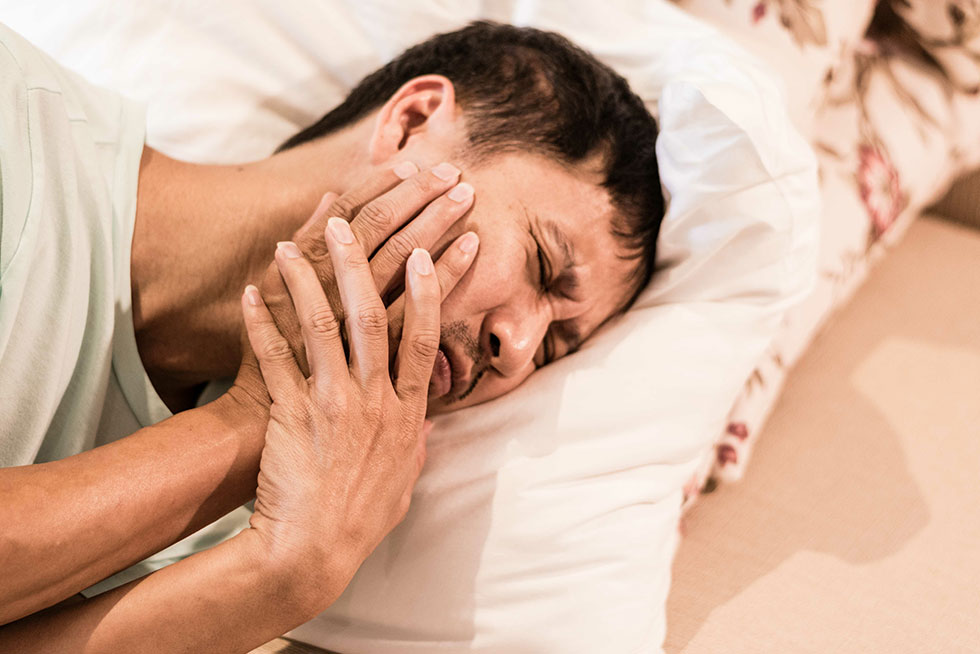
Why does my jaw keep locking is one of the most alarming questions a person can ask about their own body. A jaw that repeatedly gets stuck, clicks, or refuses to open or close properly is not a quirk to ignore.
It is a clear signal from your temporomandibular joint — the complex hinge connecting your jawbone to your skull — that something is wrong. The cause may be as straightforward as stress-driven teeth grinding or as serious as disc displacement and joint degeneration.
Understanding the Temporomandibular Joint
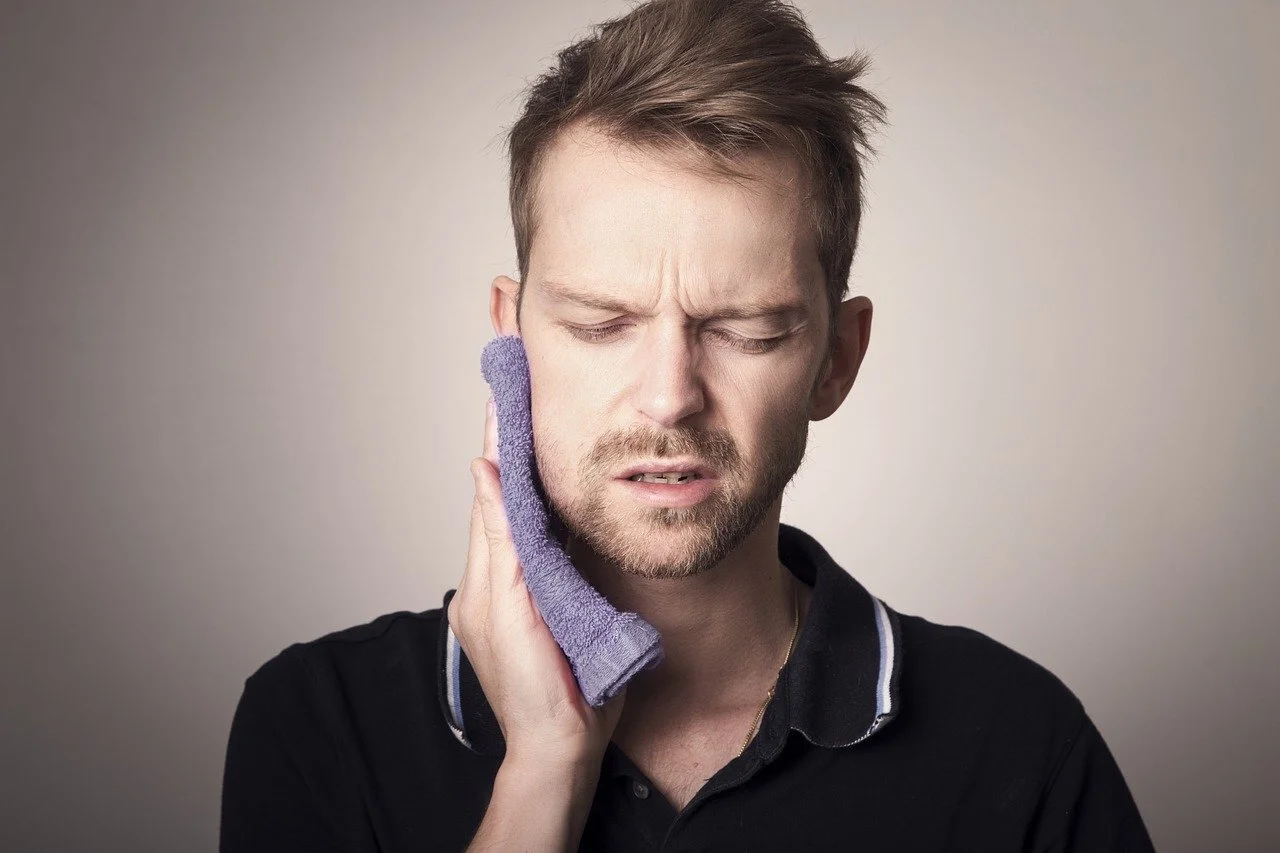
The temporomandibular joint, commonly called the TMJ, is one of the most heavily used joints in the human body. It allows you to open and close your mouth, chew, speak, yawn, and make facial expressions.
Each person has two TMJs — one on either side of the face, directly in front of the ears. They work in perfect coordination. When one joint is stressed or damaged, the entire system feels it.
Inside each TMJ is a small cartilage disc that acts like a shock absorber. It keeps bone from rubbing directly against bone and allows the joint to glide smoothly. When this disc shifts, wears down, or becomes inflamed, the jaw can catch, click, pop — or lock entirely.
What Does It Mean When Your Jaw Keeps Locking
Jaw locking means the normal gliding motion of the temporomandibular joint is being blocked or restricted. The jaw either cannot open past a certain point or, less commonly, opens wide and cannot close again.
There are two types of jaw lock. A closed lock means the jaw gets stuck in a partially closed position and cannot open fully. An open lock means the jaw opens but cannot return to a closed position — this is a dislocation.
Both types involve the articular disc inside the TMJ shifting out of its proper position. When the disc blocks the joint’s movement, you feel that characteristic resistance, clicking, grinding, or sudden inability to move your jaw at all.
How Common Is Jaw Locking
Jaw locking is more common than most people realize. Temporomandibular disorders affect up to 12 million people in the United States alone, and jaw locking is one of the most frequently reported symptoms.
The condition is most common in adults between the ages of 20 and 40. Women are approximately twice as likely as men to experience TMJ-related jaw locking.
The good news is that the vast majority of cases — around 90% according to research cited by Johns Hopkins Medicine — improve with non-surgical treatment when addressed early.
The 8 Most Common Causes of a Jaw That Keeps Locking
Understanding why your jaw keeps locking is the single most important step toward fixing it. Here are the eight most common root causes.
Cause 1: TMJ Disc Displacement
Disc displacement is the leading cause of jaw locking. Inside each TMJ, the articular disc normally sits between the ball of the lower jaw (condyle) and the socket in the skull. It provides cushioning and enables smooth movement.
When this disc slips forward or to one side — due to injury, inflammation, or overuse — the ball of the jaw can no longer glide freely through the socket. The displaced disc acts as a physical barrier, causing the jaw to catch or lock.
You will often hear a clicking or popping sound just before the jaw locks. This is the disc momentarily shifting back into position before being displaced again.
Cause 2: Bruxism (Teeth Grinding and Clenching)
Bruxism is the habitual clenching or grinding of teeth. It is one of the most common contributors to jaw locking and TMJ disorder. Research shows bruxism is present in over 87% of TMJ patients with disc displacement and myofascial pain.
The problem with bruxism is that most people do it at night, during sleep, completely unaware. The jaw muscles — the masseter and temporalis — are powerful. Hours of unconscious grinding generate enormous force on the TMJ, fatiguing muscles, irritating the disc, and eventually causing joint dysfunction.
Morning jaw stiffness, headaches, worn teeth, and jaw soreness are the most common signs that bruxism is occurring during sleep.
Cause 3: Stress and Muscle Tension
Stress is a powerful driver of jaw locking. When people are anxious, tense, or emotionally overwhelmed, they unconsciously clench their jaw muscles. This constant contraction strains the TMJ and surrounding muscles over time.
Even without full bruxism, chronic jaw tension causes the muscles around the joint to tighten and lose flexibility. Restricted muscle movement then limits how far and how smoothly the jaw can open or close.
Reducing stress through relaxation techniques, mindfulness, and breathing exercises is not just a lifestyle suggestion — it is a legitimate and effective part of TMJ treatment.
Cause 4: Jaw Trauma or Injury
A direct blow to the jaw, face, or chin can damage the TMJ immediately or cause problems that develop in the weeks and months following the injury. Car accidents, sports injuries, falls, and dental procedures requiring the mouth to stay open for long periods are all common causes.
Trauma can fracture the condyle, tear ligaments that hold the disc in place, or cause internal bleeding in the joint that leads to scarring and adhesion — all of which restrict movement and cause locking.
Even old injuries that seemed to heal at the time can lead to recurring jaw locking years later, especially when combined with other risk factors like bruxism.
Cause 5: Arthritis of the TMJ
Both osteoarthritis and rheumatoid arthritis can affect the temporomandibular joint. Osteoarthritis involves the gradual wearing down of the cartilage disc. Rheumatoid arthritis is an autoimmune condition that inflames joint tissue throughout the body, including the jaw.
As cartilage breaks down or joint tissue becomes inflamed, the smooth gliding motion of the jaw is disrupted. Bone begins to contact bone. The joint loses normal range of motion, and locking or severe restriction becomes increasingly common.
TMJ arthritis tends to worsen gradually. Early signs include morning stiffness, an aching jaw, and crackling or grating sounds (crepitus) during jaw movement — different from the sharper clicking of disc displacement.
Cause 6: Malocclusion (Misaligned Bite)
When the upper and lower teeth do not align properly, the jaw muscles have to compensate with every bite and every movement. This constant compensation overloads the TMJ over time.
Missing teeth, poorly fitted dental restorations, teeth shifted by orthodontic treatment, or a naturally uneven bite can all create the kind of uneven pressure that stresses the joint and leads to muscle tension, disc irritation, and eventually jaw locking.
Treating the underlying bite problem — through orthodontics, dental splints, or restorative dentistry — is often necessary to fully resolve jaw locking driven by malocclusion.
Cause 7: Wisdom Teeth Problems
Impacted or infected wisdom teeth can create pressure on the surrounding jaw structures, irritating the TMJ and causing limited jaw movement or locking. The pressure from a wisdom tooth trying to erupt in an overcrowded jaw can push other teeth out of alignment and alter bite mechanics.
Jaw locking associated with wisdom tooth problems often appears during the late teens and early twenties — the typical period of wisdom tooth emergence. Extraction usually resolves this specific trigger.
Cause 8: Tetanus (Rare but Serious)
Tetanus is a rare bacterial infection — made even rarer by widespread vaccination — but it remains a cause of jaw locking that no one should overlook. The bacteria produce a neurotoxin that causes severe muscle spasms and stiffness throughout the body, with jaw locking being one of the first and most distinctive symptoms.
If your jaw is locking and you have a wound or injury you have not had treated, and your tetanus vaccination is more than 10 years old, seek immediate medical attention. TMJ-related jaw locking is not life-threatening. Tetanus is.
Warning Signs You Should Never Ignore
Jaw locking ranges from mildly inconvenient to medically urgent. These warning signs indicate you need professional evaluation without delay.
| Warning Sign | Possible Cause | What to Do |
|---|---|---|
| Jaw locks and will not reopen | Closed disc lock or dislocation | See a dentist or specialist today |
| Jaw locking with facial swelling and fever | Infection (abscess or tetanus) | Emergency medical care immediately |
| Jaw locking with chest pain or arm pain | Jaw pain can mimic cardiac events | Call emergency services immediately |
| Jaw locking after a head or face injury | Condyle fracture or joint damage | Emergency evaluation required |
| Locking spreads to difficulty swallowing or breathing | Severe muscle spasm or serious infection | Emergency medical care immediately |
| Sudden severe jaw pain with no prior history | Acute disc dislocation | Urgent dental or TMJ evaluation |
| Jaw locking with numbness in the face | Nerve involvement | See a specialist promptly |
| Locking in a child or teenager | Joint developmental issue | Pediatric dental evaluation |
Symptoms That Accompany Jaw Locking
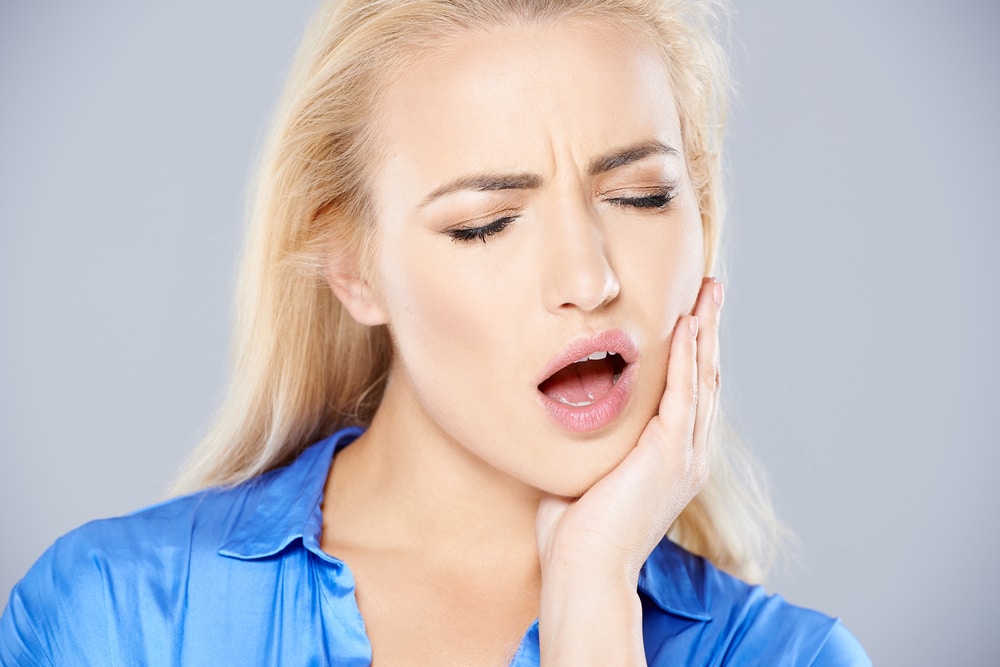
Jaw locking rarely appears on its own. Understanding the full picture of symptoms helps you explain the condition accurately to a healthcare provider and get a faster diagnosis.
Clicking and popping sounds when opening or closing the mouth are among the most common early signs of TMJ disc displacement — often appearing before locking begins.
Jaw pain or facial pain that radiates into the cheek, ear, temple, or neck is very common with TMJ disorders. The pain often worsens when chewing, yawning, or talking for extended periods.
Headaches — particularly tension headaches that begin in the temples or behind the eyes — are frequently reported by people with jaw locking and TMJ disorders.
Ear symptoms including ringing in the ears (tinnitus), a sensation of fullness in the ear, and even partial hearing changes can occur because the TMJ sits directly adjacent to the ear canal.
Morning jaw stiffness that gradually loosens during the day is a hallmark sign of nocturnal bruxism. The jaw feels tight, achy, or difficult to open when waking up.
Limited mouth opening — measured as the distance between the upper and lower front teeth when the mouth is fully open — is a key clinical sign. Normal mouth opening is 35 to 50 millimeters. Anything below 35 millimeters indicates restricted movement.
How to Diagnose the Cause of Jaw Locking
A proper diagnosis starts with a clinical examination by a dentist, orofacial pain specialist, or oral and maxillofacial surgeon. No single test definitively diagnoses all TMJ disorders, which is why a thorough history and physical examination are the starting point.
Clinical examination includes palpating the joint and surrounding muscles while the patient performs different jaw movements. The examiner feels and sometimes hears irregularities in joint motion. Range of motion is measured. Muscle tenderness is assessed.
Dental X-rays show the bony structures of the jaw and can reveal arthritis, fractures, or degenerative changes in the joint.
MRI (Magnetic Resonance Imaging) is the gold standard for visualizing the soft tissues inside the TMJ — particularly the articular disc. It can confirm whether the disc is displaced and in which direction.
CBCT (Cone Beam CT Scan) provides detailed three-dimensional imaging of the bony joint structure, useful for assessing bone erosion, arthritis changes, or fractures.
What to Do If Your Jaw Locks Right Now
If your jaw locks in the moment, the instinct is to panic and force it. Resist that urge completely. Forcing a locked jaw can cause additional injury to the joint, ligaments, and surrounding muscles.
Stay calm and relax your jaw muscles. Tension makes jaw locking worse. Take slow, deep breaths and consciously release tension from your face and neck.
Apply a warm compress. Place a warm, moist cloth over the jaw and cheek for 10 to 15 minutes. Heat relaxes the muscles around the joint and can allow the disc to shift back into position.
Gently massage the jaw muscles. Using your fingertips, apply medium pressure in circular motions over the masseter muscle (the large muscle just below the cheekbone). This can help release muscle spasm that is holding the joint locked.
Try gentle side-to-side movement. Very slowly and without force, attempt to move your jaw from side to side. Do not push through sharp pain. If the jaw is simply restricted rather than fully dislocated, gentle movement may help the disc reposition.
Take an over-the-counter NSAID. Ibuprofen or naproxen can reduce inflammation in the joint and ease muscle tension. Take as directed on the package. Consult a doctor before using NSAIDs if you have medical conditions that limit their use.
If these steps do not resolve the lock within a few hours, or if you are in severe pain, contact your dentist or an emergency dental clinic.
Home Remedies and Self-Care for Recurring Jaw Locking
For people dealing with recurring jaw locking, consistent self-care between episodes can significantly reduce both frequency and severity.
Soft Diet During Flare-Ups
When the jaw is irritated and prone to locking, give it a rest. Switch temporarily to soft foods — yogurt, mashed potatoes, scrambled eggs, smoothies, pasta, and soft cooked vegetables.
Avoid hard, crunchy, or chewy foods that require wide jaw opening or sustained chewing force. No raw apples, bagels, hard candy, thick sandwiches, or chewing gum during flare-ups.
Heat and Ice Therapy
Apply heat (a warm compress or heating pad on low) to relax tight muscles and improve blood flow to the joint. Use ice packs wrapped in a cloth to reduce acute inflammation and swelling.
Many people benefit from alternating heat and ice — 10 to 15 minutes each, several times per day. Find which works best for your specific symptoms.
Jaw Exercises
Gentle, consistent jaw exercises help restore normal movement, strengthen supporting muscles, and prevent locking episodes. These are typically guided by a physical therapist or dentist.
Tongue-up exercise: Press the tip of your tongue to the roof of your mouth just behind the front teeth. Slowly open your mouth as wide as comfortable, hold for 5 seconds, then slowly close. Repeat 10 times.
Resisted mouth opening: Place your thumb under your chin for gentle resistance. Slowly open your mouth against this resistance. Hold for 3 to 6 seconds. Slowly close. Repeat 6 times.
Side-to-side jaw movement: Open your mouth slightly. Move your jaw slowly to the left, hold 5 seconds, return to center. Move to the right, hold 5 seconds, return. Repeat 10 times each direction.
Important: Do not perform any exercise that causes sharp pain. Mild tension or discomfort is normal; pain is not.
Posture Correction
Poor posture — particularly forward head posture, which is extremely common in people who work at desks or use smartphones heavily — places abnormal strain on the cervical spine, neck muscles, and jaw.
When the head juts forward, the jaw has to compensate to maintain normal bite function. This compensation increases tension in the masticatory muscles and stresses the TMJ. Simply correcting posture can provide meaningful relief for many people with recurring jaw locking.
Keep your ears aligned over your shoulders. Keep your chin slightly tucked. Use ergonomic seating and position screens at eye level.
Stress Management
Because stress is a direct driver of jaw clenching and muscle tension — the two biggest contributors to recurring jaw locking — stress management is a genuine and effective treatment tool.
Mindfulness meditation, progressive muscle relaxation, yoga, regular aerobic exercise, and adequate sleep all reduce the physiological stress response that drives jaw clenching. Even 10 minutes of conscious relaxation per day makes a measurable difference over time.
Professional Treatment Options for Jaw Locking
When self-care is insufficient, professional treatment provides targeted relief and long-term protection.
| Treatment | What It Does | Best For |
|---|---|---|
| Custom Night Guard | Prevents tooth contact, reduces clenching force during sleep | Bruxism, mild to moderate TMJ |
| Occlusal Splint (Bite Splint) | Repositions the jaw to reduce joint stress | Disc displacement, malocclusion |
| Physical Therapy | Stretches and strengthens jaw muscles, corrects posture | Muscle-driven jaw locking |
| NSAIDs / Muscle Relaxants | Reduces inflammation and muscle spasm | Acute flare-ups |
| Trigger Point Injections | Relieves tight muscle knots causing jaw restriction | Myofascial pain and muscle spasm |
| Botox Injections | Temporarily weakens overactive jaw muscles | Severe bruxism, muscle-driven pain |
| Arthrocentesis | Flushes inflammation from the joint using sterile fluid | Disc adhesion and acute closed lock |
| Arthroscopy | Minimally invasive camera-guided joint repair | Disc repositioning, scar removal |
| Open Joint Surgery | Structural repair or joint replacement | Severe structural damage after all else fails |
Night Guards and Occlusal Splints
A custom-fitted night guard is one of the most consistently effective treatments for TMJ-related jaw locking driven by bruxism. It creates a barrier between the upper and lower teeth, preventing the destructive contact of tooth-on-tooth grinding.
An occlusal splint goes further — it repositions the jaw slightly to reduce stress on the disc and joint. This repositioning can allow an inflamed or mildly displaced disc to rest and recover.
Custom-fitted devices from a dentist are significantly more effective than over-the-counter night guards from a pharmacy. A poorly fitted device can actually worsen jaw symptoms.
Physical Therapy for Jaw Locking
Physical therapy is highly effective for jaw locking with a significant muscle component. A therapist trained in orofacial conditions uses manual techniques, specific jaw exercises, ultrasound therapy, and electrical stimulation to reduce muscle tension and restore normal joint mechanics.
Postural correction is a central component of TMJ physical therapy. Many patients experience dramatic improvement in jaw locking simply by correcting forward head posture and re-educating the muscles of the neck and jaw to work in proper coordination.
Regular physical therapy over 6 to 12 weeks produces lasting improvements in most patients with muscle-driven jaw locking.
Botox for Jaw Locking
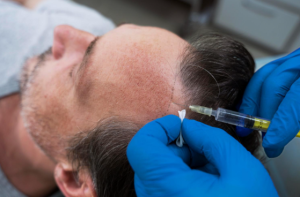
Botulinum toxin (Botox) injected into the masseter and temporalis muscles is an increasingly effective treatment for jaw locking driven by severe bruxism and muscle overactivity.
Botox temporarily reduces the force these muscles can generate, breaking the cycle of excessive clenching that strains the TMJ. Patients typically notice improvement within days, with full effects developing over one to two weeks.
Results last approximately three to four months, after which re-treatment is required. Research suggests patients with chronic bruxism can achieve a 70 to 80% reduction in grinding-related pain and morning jaw stiffness with Botox treatment.
Botox for TMJ is not a first-line treatment — it is typically recommended after night guards and physical therapy have been tried — but for the right patient, it can be genuinely life-changing.
Surgical Options
Surgery for jaw locking is uncommon and always a last resort. It is reserved for cases where the joint is severely damaged, where conservative treatment has genuinely failed over an extended period, and where imaging confirms structural problems that cannot be addressed any other way.
Arthrocentesis is the least invasive surgical option. A needle is inserted into the joint and sterile fluid is used to flush out inflammatory substances and break up adhesions that are causing the jaw to lock. It is performed under local anesthesia and has a good success rate for disc adhesion cases.
Arthroscopy uses a tiny camera inserted into the joint to diagnose the exact problem and perform minimally invasive repairs, such as repositioning the disc or removing adhesions.
Open joint surgery and joint replacement are reserved for the most severe cases involving complete disc destruction, severe arthritis, or joint ankylosis (fusion).
Jaw Locking in Specific Situations
Jaw Locks When Yawning
Yawning requires the widest jaw opening of any common activity. If the TMJ disc is even slightly displaced or the jaw muscles are tight, a wide yawn can push the disc completely out of position — resulting in an open lock where the mouth cannot close.
This is particularly common in people who already have mild, undiagnosed TMJ disorder. The yawn becomes the triggering event.
If this happens to you regularly, practice controlled yawning — pressing your fist gently under your chin as you yawn to limit how wide the mouth opens. Treating the underlying TMJ condition prevents the pattern from continuing.
Jaw Locking During Sleep or Upon Waking
Waking up with a stiff, restricted, or momentarily locked jaw is a classic sign of nocturnal bruxism. During sleep, the jaw muscles clench with force the conscious mind never generates during waking hours.
The jaw joints endure hours of sustained pressure through the night, leaving them inflamed, stiff, and poorly lubricated by morning. The synovial fluid inside the joint that normally allows smooth movement becomes thicker and less effective after extended bruxism episodes.
A custom night guard is the most effective intervention for morning jaw stiffness and sleep-related jaw locking.
Jaw Locking After Dental Work
Extended dental procedures that require the mouth to stay open for a prolonged period can trigger jaw locking in susceptible individuals. The prolonged stretch fatigues the jaw muscles, irritates the joint, and can push an already compromised disc out of position.
Inform your dentist about any history of TMJ disorder before dental procedures. Request regular breaks to rest the jaw during long appointments. Ask whether a bite block can be used to give the muscles a rest rather than requiring the patient to actively hold the mouth open.
Jaw Locking in Children and Teenagers
Jaw locking in younger people is less common but does occur. It can be associated with developing bite problems, orthodontic treatment, wisdom tooth eruption, or juvenile arthritis.
Stress-driven bruxism is increasingly common in children and adolescents. Academic pressure, social anxiety, and electronic device use before sleep all contribute to sleep bruxism in young people.
Any child or teenager experiencing jaw locking should be evaluated by a pediatric dentist or orofacial pain specialist. Early intervention produces the best outcomes and prevents chronic TMJ changes from developing.
Prevention: How to Stop Jaw Locking From Coming Back
| Prevention Strategy | How It Helps |
|---|---|
| Wear a custom night guard | Prevents grinding damage during sleep |
| Practice jaw exercises daily | Keeps muscles flexible and balanced |
| Manage stress actively | Reduces unconscious jaw clenching |
| Maintain correct posture | Reduces neck-jaw muscle strain |
| Eat a jaw-friendly diet | Reduces daily joint stress |
| Avoid chewing gum | Prevents repetitive joint overuse |
| Rest your jaw after hard use | Allows joint to recover |
| Get regular dental check-ups | Catches early TMJ changes |
| Treat bruxism promptly | Prevents progressive joint damage |
| Stay hydrated | Supports healthy synovial fluid in the joint |
When to See a Doctor or Dentist
See a dentist or orofacial pain specialist if your jaw locking episodes are becoming more frequent, if they last longer than a few hours, if they are causing you pain severe enough to interfere with eating or speaking, or if you have tried home remedies for two to four weeks without meaningful improvement.
See a doctor or go to an emergency room immediately if jaw locking is accompanied by fever, facial swelling, difficulty breathing, difficulty swallowing, chest pain, or a wound that may be contaminated.
Do not wait if symptoms are escalating. The earlier TMJ-related jaw locking is treated, the less likely it is to cause permanent joint changes, scar tissue formation, or chronic pain that becomes much harder to manage over time.
Conclusion
Why does my jaw keep locking is a question that deserves a clear, honest answer: your temporomandibular joint is under stress, and it is sending you a signal you cannot afford to ignore. Whether the cause is disc displacement, nocturnal bruxism, stress-driven muscle tension, arthritis, or bite misalignment, jaw locking is a progressive condition — the earlier you address it, the better your outcome. Most cases respond well to conservative care. Night guards, physical therapy, stress management, jaw exercises, and dietary adjustments resolve the majority of TMJ-related locking without any surgery at all. In 2026, with advanced imaging tools, custom orthotics, Botox therapy, and targeted physical rehabilitation all widely available, there is every reason to seek evaluation and treatment rather than waiting for occasional locking to become a chronic, debilitating problem. Your jaw works constantly. It deserves proper care.
Frequently Asked Questions
Why does my jaw keep locking?
Recurring jaw locking is most often caused by disc displacement inside the TMJ, bruxism, or chronic muscle tension from stress. All three disrupt the normal smooth movement of the joint and require targeted treatment to stop the pattern.
Is jaw locking serious?
In most cases it is not life-threatening, but it is a sign of an underlying TMJ disorder that will likely worsen without treatment. Jaw locking with fever, swelling, or difficulty breathing is a medical emergency.
Can jaw locking go away on its own?
A single episode may resolve without treatment. Recurring jaw locking rarely resolves on its own and tends to worsen over time as the underlying joint problem progresses.
What is the fastest way to unlock a locked jaw?
Apply a warm compress for 10 to 15 minutes, gently massage the jaw muscles, take an OTC NSAID, and avoid forcing the jaw. If the lock does not release within a few hours, contact a dentist.
What is the difference between jaw locking and lockjaw?
Jaw locking is a TMJ disorder symptom caused by disc displacement or muscle dysfunction. Lockjaw refers specifically to tetanus, a bacterial infection that causes life-threatening muscle spasms — a completely different and far more serious condition.
Can stress cause my jaw to keep locking?
Yes. Stress drives unconscious jaw clenching, which fatigues and strains the TMJ over time. Stress management is a clinically recognized part of TMJ treatment.
Is a night guard effective for jaw locking?
Yes, for locking driven by bruxism or nighttime clenching, a custom-fitted night guard is one of the most consistently effective treatments available. It prevents grinding and reduces joint stress during sleep.
When should I see a doctor about jaw locking?
See a dentist or specialist if jaw locking is recurring, lasts more than a few hours, causes significant pain, or interferes with eating and speaking. Seek emergency care if it is accompanied by fever, swelling, or breathing difficulty.
Can jaw locking be cured permanently?
Many people achieve complete, lasting resolution of jaw locking with proper conservative treatment — especially when caught early. Chronic cases with significant joint degeneration may require ongoing management rather than a one-time cure.
How much does TMJ treatment for jaw locking cost?
Costs vary widely. A custom night guard typically ranges from $300 to $800. Physical therapy sessions run $75 to $150 each. Botox injections cost $300 to $700 per treatment session. Surgical options range from $1,500 for arthrocentesis to $50,000 or more for full joint replacement.