Why Does My Tongue Have Cracks? Health Warning Signs 2026
Why does my tongue have cracks is a question millions of people ask when they notice grooves, fissures, or deep lines on their tongue’s surface.
This condition — medically called fissured tongue or lingua plicata — affects between 2% and 20% of the general population and is more common than most people realize.
While a cracked tongue is usually harmless, it can sometimes point to underlying health conditions like vitamin deficiencies, autoimmune disorders, or systemic syndromes.
What Does a Cracked Tongue Look Like?

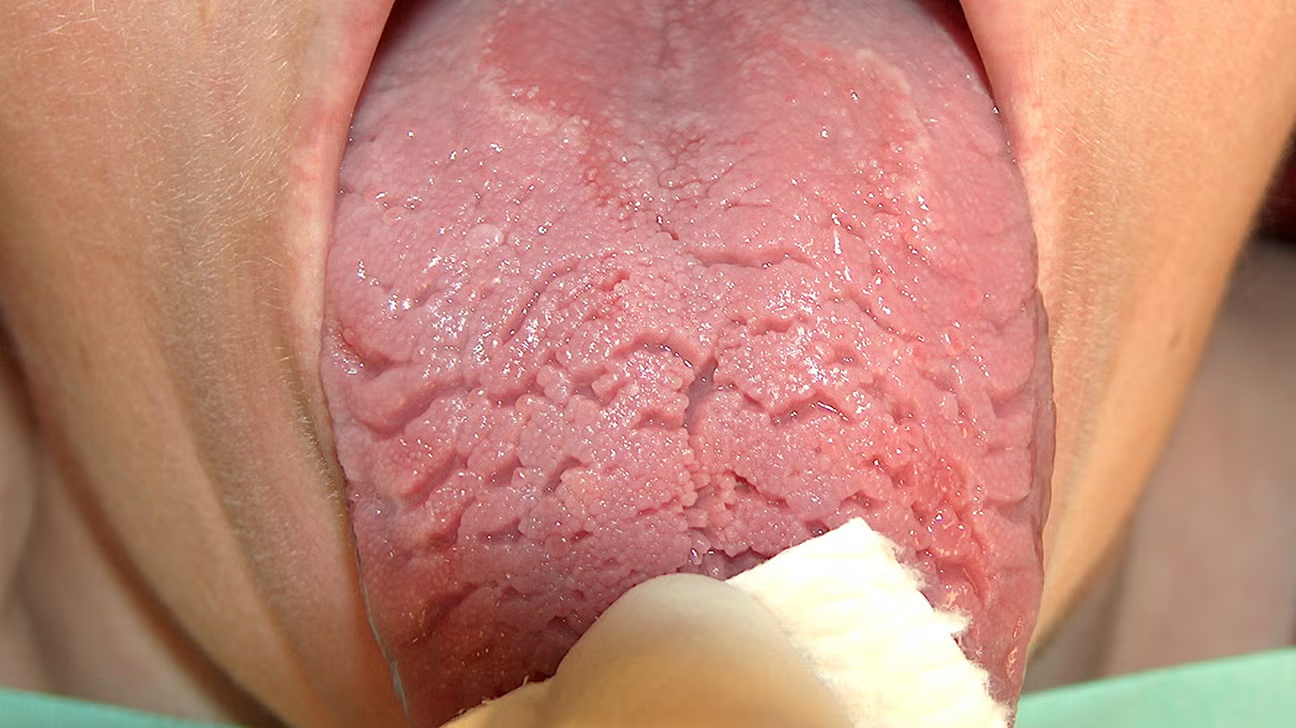
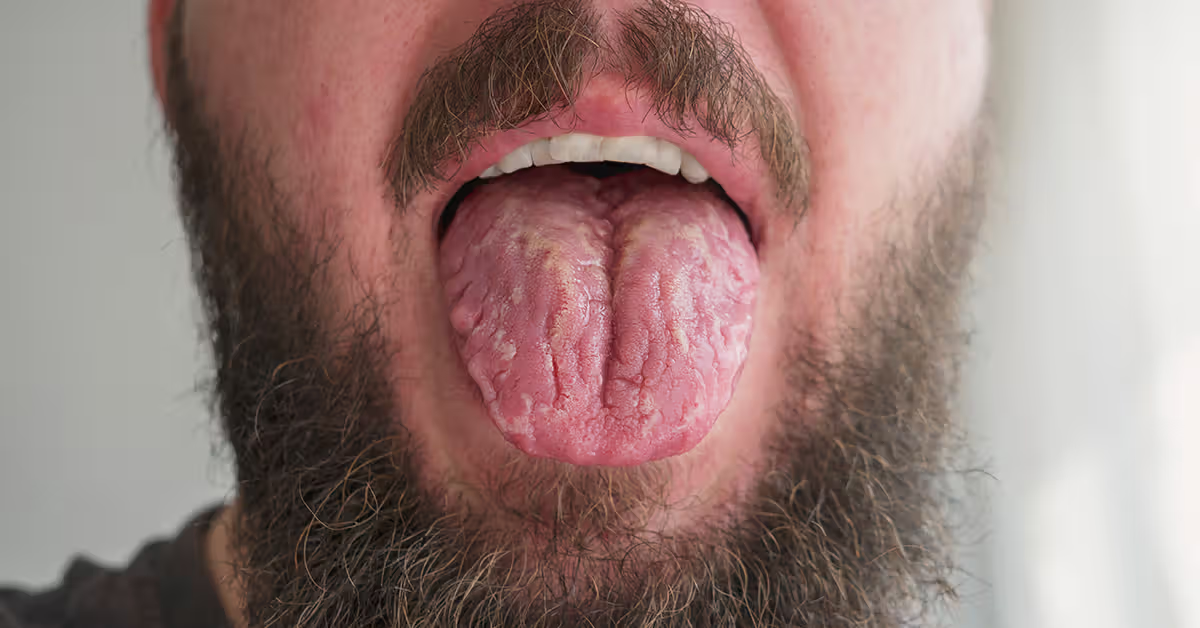
A cracked tongue — also called fissured tongue or lingua plicata — appears as visible grooves, furrows, or deep lines on the surface of the tongue. These cracks vary in size and depth.
Some fissures are shallow and barely noticeable. Others can be up to 6 millimeters deep and may connect with each other, giving the tongue a lobed or sectioned appearance.
The cracks typically appear on the top surface (dorsum) of the tongue and may extend to the edges. In some people, there is one central deep groove running down the midline with smaller grooves branching outward from it.
Is a Cracked Tongue Normal?
For many people, a cracked tongue is simply a normal variation of tongue anatomy. The American Academy of Oral Medicine estimates that around 5% of the US population has this condition, while other research places the prevalence as high as 10% to 20%.
The condition tends to become more noticeable and prominent with age. Men are slightly more likely to have a fissured tongue than women, and the appearance often worsens over decades.
In most cases, a cracked tongue is benign — meaning it is not dangerous, not contagious, and does not require specific medical treatment unless complications arise.
Why Does My Tongue Have Cracks? 12 Causes Explained
There are multiple reasons why cracks appear on the tongue. Some are simple and harmless. Others signal underlying health conditions that need medical attention.
1. Genetics and Hereditary Factors
Research consistently points to a genetic component as one of the strongest contributors to a fissured tongue. Studies show that the condition runs in families, suggesting a polygenic or autosomal dominant inheritance pattern.
If one or both parents have a cracked tongue, there is a significantly higher chance their children will develop the same pattern. This type of tongue fissuring is considered a normal inherited variant of tongue anatomy.
No treatment is needed for genetically inherited tongue cracks unless debris accumulates in the grooves and causes secondary problems.
2. Vitamin Deficiencies
Nutritional deficiencies are a well-documented trigger for tongue abnormalities including cracking, soreness, and changes in surface texture. The most commonly linked vitamins and minerals are vitamin B12, iron, zinc, and folate.
A 2016 study found a specific link between tongue cracks with burning sensation and vitamin B12 deficiency. Research from 2015 also found connections between painful cracked tongue and deficiencies in iron and zinc. Vitamin A deficiency has been noted in clinical association as well.
A simple blood test ordered by a doctor can identify which nutrients are low. Supplementing the deficient nutrient often reduces the burning sensation associated with cracked tongue in these cases.
3. Dehydration and Dry Mouth (Xerostomia)
When the body is chronically dehydrated, saliva production drops. Without adequate saliva to keep the tongue moist and lubricated, the surface of the tongue can dry out and develop cracks and fissures over time.
Dry mouth (xerostomia) is a closely related condition. It can result from dehydration, breathing through the mouth, sleeping with the mouth open, or as a side effect of dozens of commonly prescribed medications including antihistamines, antidepressants, and blood pressure drugs.
Staying well hydrated, using alcohol-free mouth moisturizing rinses, and addressing medication-related dry mouth with your doctor can help reduce tongue cracking associated with low saliva.
4. Geographic Tongue (Benign Migratory Glossitis)
Geographic tongue is a condition where irregular smooth patches — often bordered by white or yellow lines — appear on the tongue’s surface and change position over time. It is one of the most common conditions found alongside a fissured tongue.
Research shows that many people who have geographic tongue also develop tongue fissures, and some scientists believe the two conditions may be related or progress from one to the other over time.
Geographic tongue is harmless but may cause sensitivity to spicy, acidic, or hot foods. When combined with tongue fissures, food debris is more likely to accumulate and cause irritation.
5. Psoriasis
Psoriasis is a chronic autoimmune skin condition that causes red, scaly patches on the skin. Research consistently shows a significant association between psoriasis — especially pustular psoriasis — and the presence of a fissured tongue.
The connection suggests that the same inflammatory and immune mechanisms that affect the skin can also affect the mucous membranes of the mouth, including the tongue surface.
People with psoriasis who notice a cracked tongue should mention it to their dermatologist or physician. It is an oral sign of a systemic inflammatory condition rather than a separate oral disease.
6. Sjögren Syndrome
Sjögren syndrome is an autoimmune disorder that primarily attacks the moisture-producing glands of the body, causing dry eyes and dry mouth. The severe lack of saliva in Sjögren syndrome leads to chronic oral dryness that promotes tongue cracking over time.
People with Sjögren syndrome may notice their tongue feels rough, cracked, or sticky, especially upon waking. They may also experience difficulty swallowing and speaking due to persistent dryness.
Sjögren syndrome requires diagnosis by a rheumatologist and treatment with saliva substitutes, prescription medications, and close monitoring of oral health.
7. Down Syndrome
Fissured tongue is significantly more prevalent in individuals with Down syndrome compared to the general population. The anatomical differences associated with Down syndrome — including a larger tongue relative to the size of the mouth — contribute to this higher rate.
The tongue in Down syndrome may protrude slightly and have a furrowed or cracked surface from early childhood. Careful oral hygiene, including regular tongue cleaning, is especially important in this population to prevent debris buildup and infection in the fissures.
8. Melkersson-Rosenthal Syndrome
Melkersson-Rosenthal syndrome (MRS) is a rare neurological condition characterized by a clinical triad of three features: recurring facial swelling (particularly of the lips), facial nerve palsy (weakness or paralysis of facial muscles), and a fissured tongue.
A fissured tongue is seen in 30% to 80% of people with MRS and may be one of the first signs of the syndrome. If tongue cracks are accompanied by unexplained facial swelling or episodes of facial muscle weakness, Melkersson-Rosenthal syndrome must be considered.
MRS requires evaluation by a neurologist and may be managed with corticosteroids or other treatments targeting the granulomatous inflammation of the face and lips.
9. Age-Related Changes
The prevalence and severity of tongue fissuring increases significantly with age. Research shows that tongue cracks tend to become deeper, more numerous, and more prominent as people grow older.
This age-related worsening is thought to occur due to cumulative changes in tongue tissue, reduced saliva production that naturally decreases with age, and the accumulation of years of minor tongue surface trauma.
Older adults are more likely to develop secondary complications in tongue fissures — including bacterial and fungal infections — because the immune system becomes less efficient with age.
10. Poor Oral Hygiene
When oral hygiene is neglected, food debris, dead cells, and bacteria accumulate in the grooves and cracks of a fissured tongue. This buildup becomes a breeding ground for bacterial and fungal overgrowth.
While poor oral hygiene does not directly cause tongue fissures, it significantly worsens the symptoms and complications. People with tongue cracks who do not clean the grooves may develop bad breath, a burning sensation, taste changes, and oral infections.
Regular tongue brushing or scraping — done gently to avoid damaging the tissue — is the single most effective way to manage a cracked tongue day to day.
11. Sarcoidosis and Orofacial Granulomatosis
Sarcoidosis is a systemic inflammatory disease that causes granulomas — small clusters of inflammatory cells — to form in various organs including the lungs, skin, and sometimes oral tissues. Orofacial granulomatosis is a closely related condition affecting the face and mouth.
Both conditions can cause chronic swelling of oral tissues and have been associated with tongue fissuring. When tongue cracks appear alongside persistent lip swelling, gum changes, or facial puffiness, these systemic granulomatous conditions should be considered.
Diagnosis involves biopsy, imaging, and specialist evaluation. Treatment targets the underlying inflammatory process.
12. Diabetes and Other Systemic Conditions
Diabetes is associated with increased rates of oral complications including dry mouth, oral infections, and altered tongue surface texture. Chronically elevated blood sugar impairs saliva production and immune function, which promotes both tongue dryness and fissuring.
Other systemic conditions that have been associated with fissured tongue in research include acromegaly (excess growth hormone), hypertension, pernicious anemia, and macroglossia (enlarged tongue from various causes).
Managing the underlying systemic condition — such as achieving good blood sugar control in diabetes — often reduces the oral manifestations including tongue changes.
Symptoms That Come With a Cracked Tongue
Most people with a fissured tongue experience no pain or other symptoms. The cracks themselves are the primary finding, and many people only notice them by looking in a mirror or during a dental checkup.
However, secondary symptoms can develop, particularly when food debris or bacteria accumulate in the fissures.
| Symptom | When It Occurs | Likely Trigger |
|---|---|---|
| Burning sensation | Common with acidic or spicy food | Debris in fissures, vitamin deficiency |
| Bad breath (halitosis) | Persistent or after eating | Bacterial buildup in cracks |
| Sore or inflamed tongue | If infection develops | Fungal or bacterial overgrowth |
| Taste changes | Uncommon | Deep fissures disrupting taste buds |
| Dry or rough texture | Common | Dehydration, xerostomia |
| White coating in cracks | Sign of oral thrush | Candida overgrowth in fissures |
| Swelling of tongue | Rare, needs attention | Infection or systemic condition |
Health Warning Signs You Should Never Ignore
While a cracked tongue alone is usually harmless, certain symptoms alongside tongue fissures are genuine health warning signs requiring medical evaluation.
Facial swelling combined with tongue cracks can indicate Melkersson-Rosenthal syndrome or orofacial granulomatosis. These conditions need specialist assessment and should not be dismissed.
Facial muscle weakness or drooping on one side of the face accompanied by tongue fissuring may indicate Melkersson-Rosenthal syndrome and requires urgent neurological evaluation.
Tongue cracks with persistent pain, swelling, redness, or visible pus are signs of a secondary infection — bacterial or fungal — that requires treatment.
White patches inside the tongue cracks that do not wipe away easily may indicate oral thrush (Candida infection) or in rare cases oral leukoplakia, which needs a professional assessment.
A suddenly cracked or sore tongue that appears rapidly — rather than developing gradually over years — may signal an acute nutritional deficiency or systemic illness and warrants blood tests.
Burning mouth syndrome with tongue cracks and no identifiable debris or infection may indicate a neurological or hormonal issue that needs investigation.
When Is a Cracked Tongue a Health Warning Sign?
Not all cracked tongues carry health implications. Here is how to interpret what you are seeing.
| Situation | What It Likely Means |
|---|---|
| Cracks present since childhood, no pain | Likely genetic, normal variant |
| Cracks appeared in adulthood, no other symptoms | Common age-related change or dehydration |
| Cracks with burning when eating acidic food | Debris buildup — needs cleaning, not treatment |
| Cracks with persistent burning regardless of food | Possible vitamin B12, iron, or zinc deficiency |
| Cracks with facial swelling or nerve issues | Possible Melkersson-Rosenthal syndrome — see doctor |
| Cracks with chronic dry mouth | Sjögren syndrome or medication side effect |
| Cracks with psoriasis elsewhere on body | Oral manifestation of systemic psoriasis |
| Cracks in someone with Down syndrome | Expected, manage with good oral hygiene |
| Cracks with white patches inside grooves | Possible oral thrush — needs antifungal treatment |
| Cracks with rapidly worsening pain | Possible infection — dental or medical visit needed |
How Is a Fissured Tongue Diagnosed?
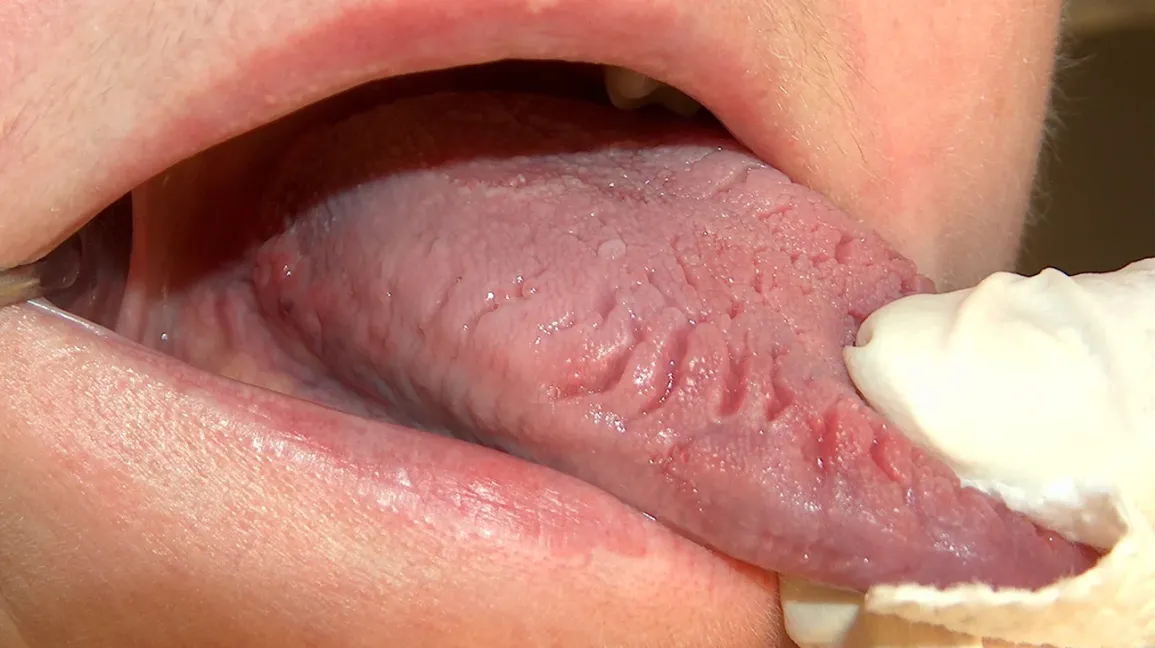
A fissured tongue is typically diagnosed by a dentist or physician through a straightforward visual examination. No biopsy or imaging is usually required for an uncomplicated case.
The clinician will look at the number, depth, and pattern of the fissures and assess whether any secondary complications such as infection, inflammation, or debris accumulation are present.
If an underlying condition is suspected — such as Sjögren syndrome, psoriasis, or vitamin deficiency — blood tests, autoimmune panels, or specialist referrals may be ordered to identify and address the root cause.
In rare cases where Melkersson-Rosenthal syndrome is suspected, a neurological exam and biopsy of affected oral tissue may be performed to look for granulomatous inflammation.
Treatment Options for Cracked Tongue
There is no specific cure required for a fissured tongue in most cases because the condition itself is benign. Treatment is focused on managing symptoms and preventing complications.
Tongue Cleaning
The most important daily practice for anyone with tongue cracks is thorough but gentle tongue cleaning. Use a soft-bristled toothbrush or a tongue scraper to clean the top surface of the tongue after brushing teeth.
Pay attention to the grooves themselves — gently cleaning inside the fissures removes food debris, dead cells, and bacteria that would otherwise accumulate and cause burning, bad breath, or infection.
Do this once or twice daily as part of a regular oral hygiene routine.
Salt Water Rinses
Rinsing the mouth with a warm salt water solution helps reduce bacteria in the fissures, reduce minor inflammation, and keep the tongue environment clean.
Mix half a teaspoon of salt into one cup of warm water. Swish gently for 30 seconds, allowing the solution to reach the tongue grooves. Spit and repeat once or twice daily.
This is particularly helpful after meals when food is most likely to have settled into the tongue’s cracks.
Antifungal Medications
If Candida albicans (oral thrush) has developed in the tongue fissures, a dentist or doctor will prescribe an antifungal medication. Options include nystatin oral suspension or clotrimazole troches.
Oral thrush in fissured tongue typically appears as white or yellowish patches inside the grooves that cannot be wiped away. It may cause soreness, altered taste, and a cottony feeling in the mouth.
Completing the full course of antifungal treatment and improving tongue hygiene prevents recurrence.
Vitamin and Mineral Supplementation
When blood tests confirm a deficiency in vitamin B12, iron, zinc, or folate, supplementing these nutrients is an important part of treatment for cracked tongue with associated burning or soreness.
Supplementation should be guided by a healthcare provider based on test results rather than taken blindly. Correcting the deficiency typically reduces the burning sensation and may improve tongue surface health.
Dietary changes — such as eating more leafy greens, legumes, eggs, dairy, meat, and fortified foods — also support long-term nutrient levels.
Hydration and Saliva Support
For cracked tongue caused or worsened by dehydration or dry mouth, the priority is improving oral moisture. Drink enough water throughout the day to maintain adequate hydration.
Use alcohol-free moisturizing mouth rinses specifically designed for dry mouth. Avoid alcohol-based mouthwashes which dry out the mouth further. Chewing sugar-free gum stimulates saliva production between meals.
If dry mouth is caused by a medication, speak to your doctor about adjusting the dose or switching to an alternative that has less of a drying effect.
Treating Underlying Conditions
When tongue cracks are associated with a systemic condition — such as Sjögren syndrome, psoriasis, diabetes, or Melkersson-Rosenthal syndrome — treatment of that underlying condition is the primary path to oral improvement.
For Sjögren syndrome, a rheumatologist may prescribe medications to stimulate saliva production or manage the immune activity driving the dryness.
For psoriasis, dermatological treatment including biologics or topical therapies may reduce the systemic inflammatory load that affects oral tissues.
For diabetes, achieving better blood sugar control reduces oral complications including tongue surface changes.
Comparison of Treatments by Cause
| Cause of Cracked Tongue | Recommended Treatment |
|---|---|
| Genetics / normal variant | Tongue hygiene, monitoring |
| Vitamin B12 deficiency | B12 supplementation, dietary changes |
| Iron or zinc deficiency | Iron/zinc supplementation, dietary review |
| Dehydration / dry mouth | Increased water intake, saliva substitutes |
| Sjögren syndrome | Rheumatology management, saliva support |
| Oral thrush in fissures | Antifungal medication (nystatin or clotrimazole) |
| Psoriasis-related | Dermatology management, oral hygiene |
| Melkersson-Rosenthal syndrome | Neurology/specialist management |
| Geographic tongue + fissures | Oral hygiene, avoiding trigger foods |
| Down syndrome | Regular tongue cleaning, dental monitoring |
| Diabetes-related | Blood sugar control, hydration |
Foods That Irritate a Cracked Tongue
Certain foods and drinks aggravate the symptoms of a cracked tongue — especially burning, soreness, and irritation — by interacting with the exposed grooves.
Acidic foods and drinks are the most common irritants. These include citrus fruits, tomatoes, vinegar-based sauces, fruit juices, and carbonated sodas.
Spicy foods containing chili, pepper, or capsaicin activate pain receptors in inflamed tongue tissue and significantly worsen burning sensations.
Alcohol is both dehydrating and acidic, making it doubly problematic for people with tongue cracks. Alcohol-based mouthwashes should also be avoided.
Very salty or sour snacks, including chips, pickles, and fermented foods, can also cause stinging if the tongue grooves are already irritated or infected.
Foods That Support Tongue Health
Supporting tongue health through diet is a practical and evidence-based approach to reducing the symptoms of a cracked tongue over time.
Foods rich in vitamin B12 include eggs, dairy products, meat, poultry, fish, and shellfish. Plant-based eaters may need fortified foods or a B12 supplement to meet daily requirements.
Foods high in iron include red meat, lentils, beans, spinach, and fortified cereals. Pairing iron-rich foods with vitamin C improves iron absorption significantly.
Zinc-rich foods include meat, shellfish, legumes, seeds, nuts, and whole grains. Zinc supports immune function and tissue repair in the tongue and throughout the body.
Water remains the single most important nutritional element for tongue health. Consistent hydration throughout the day keeps saliva levels adequate and prevents the dryness that worsens tongue fissuring.
Prevention: How to Reduce Tongue Cracking and Complications
While genetic tongue fissures cannot be prevented, you can prevent the complications that make a cracked tongue symptomatic and uncomfortable.
Clean your tongue daily. Use a soft toothbrush or a tongue scraper to remove debris from the grooves every morning. This prevents bacterial and fungal buildup, bad breath, and secondary infection.
Stay well hydrated. Drink at least 6 to 8 glasses of water per day to maintain saliva flow and keep tongue tissue moist.
Avoid tobacco. Smoking and chewing tobacco dry out the mouth, increase bacterial load, and are associated with greater severity of tongue fissuring.
Eat a balanced, nutrient-rich diet. Adequate levels of B vitamins, iron, zinc, and folate protect tongue tissue from becoming sore, inflamed, or more deeply fissured.
See your dentist twice a year. Regular dental visits allow for early detection of complications — including oral thrush, debris buildup, and signs of underlying conditions — before they progress.
Manage systemic health. Keeping conditions like diabetes, psoriasis, and autoimmune disorders well controlled through medical care reduces their impact on oral health and tongue integrity.
Avoid irritating foods when the tongue is sore. Temporarily eliminating acidic, spicy, and salty foods gives the tongue tissue a chance to settle and reduces pain during flare-ups.
Cracked Tongue vs. Other Tongue Conditions
It is important to know what a cracked tongue is and what it is not. Several other tongue conditions can look similar or occur alongside it.
| Condition | Key Appearance | Differs From Cracked Tongue |
|---|---|---|
| Fissured tongue | Deep grooves on top and sides | No raised patches, no migration |
| Geographic tongue | Smooth red patches with white borders that move | Patches change position; often coexists |
| Oral thrush | White creamy patches inside cracks or on surface | Patches wipe off; indicates infection |
| Oral leukoplakia | Thick white patches that do not wipe away | Does not follow groove pattern; may need biopsy |
| Hairy tongue | Dark or black coating on tongue | Color change, not groove formation |
| Glossitis | Swollen, smooth, red inflamed tongue | Surface is smooth rather than cracked |
Frequently Asked Questions (FAQs)
Why does my tongue have cracks all of a sudden?
Sudden tongue cracks may signal an acute vitamin deficiency — particularly B12 or iron — or may be a first noticeable sign of a condition like Sjögren syndrome. A blood test and dental consultation can identify the cause.
Is a cracked tongue a sign of something serious?
In most cases no — a cracked tongue is a benign and common condition. It becomes concerning when accompanied by facial swelling, facial nerve weakness, painful white patches, or burning that does not improve with good hygiene.
Can dehydration cause a cracked tongue?
Yes. Chronic dehydration reduces saliva production and dries out tongue tissue, promoting the formation and worsening of tongue fissures over time. Increasing water intake can help.
Does a fissured tongue go away on its own?
If it is genetically inherited, it will not go away but it does not need to. If cracks are linked to a nutritional deficiency or dry mouth, addressing those causes often reduces the severity of symptoms even if the fissures remain.
Can poor oral hygiene cause tongue cracks?
Poor oral hygiene does not directly cause fissures but worsens them significantly. Debris, bacteria, and fungi accumulate in the grooves and cause burning, bad breath, and infection when tongue cleaning is neglected.
Is a cracked tongue related to vitamin deficiency?
Yes. Deficiencies in vitamin B12, iron, zinc, and folate are all linked to a cracked or sore tongue. A simple blood test ordered by a doctor can confirm which nutrient is lacking.
Can a cracked tongue lead to infection?
Yes. If food debris and bacteria are not regularly cleaned from the fissures, Candida albicans (oral thrush) or bacterial infections can develop in the grooves. Signs include white patches, soreness, and bad taste.
What is the difference between a cracked tongue and geographic tongue?
A cracked tongue has fixed grooves and fissures. Geographic tongue has smooth red patches with white or yellow borders that change position over time. The two conditions frequently coexist in the same person.
Should I see a dentist or doctor for a cracked tongue?
A dentist is the right first stop for most people. If the dentist suspects an underlying systemic condition — such as Sjögren syndrome, Melkersson-Rosenthal syndrome, or diabetes — a referral to a physician or specialist will follow.
How do I clean a cracked tongue properly?
Use a soft-bristled toothbrush or tongue scraper and gently clean the tongue surface including the grooves once or twice daily. Rinse with a salt water solution or alcohol-free mouthwash afterward to remove loosened debris and bacteria.
Conclusion
Why does my tongue have cracks is a question that deserves a thorough and reassuring answer. For most people, a cracked tongue — also known as fissured tongue or lingua plicata — is a completely benign condition that is either inherited or develops naturally with age.
It affects up to 20% of the population and requires no specific treatment in uncomplicated cases. However, it can sometimes signal important health conditions including vitamin deficiencies, Sjögren syndrome, psoriasis, Down syndrome, or the rare Melkersson-Rosenthal syndrome.
The key health warning signs to watch for are facial swelling, nerve weakness, persistent burning that does not respond to cleaning, white patches inside the grooves, and sudden onset of tongue changes.
Daily tongue cleaning, adequate hydration, a nutrient-rich diet, and twice-yearly dental visits are the best tools for keeping a cracked tongue symptom-free and your overall oral health in excellent condition throughout 2026 and beyond.