Why Does the Tip of My Tongue Hurt? How to Treat It (2026 Guide)
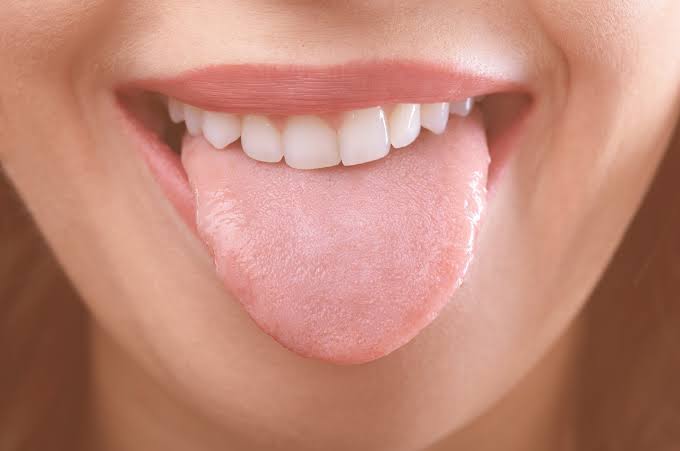
Why does the tip of my tongue hurt? This is one of the most common oral health questions people search for, and the answer almost always comes down to a handful of everyday causes.
From accidental bites and spicy food to nutrient gaps and nerve irritation, tongue tip pain has many possible triggers. Most cases are harmless and heal within a week or two. S
ome, however, need a dentist’s attention.
What Does It Mean When the Tip of Your Tongue Hurts?
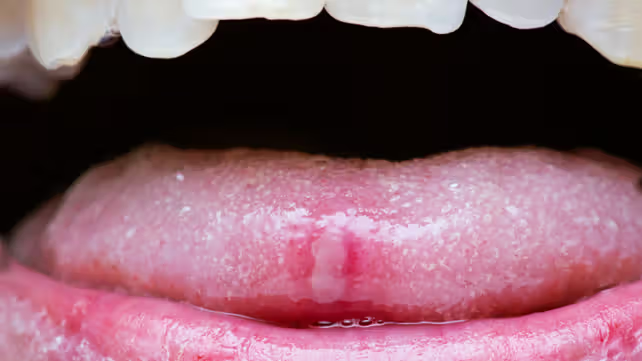
The tip of your tongue is packed with nerve endings and taste buds. This makes it more sensitive to pain than other parts of your mouth.
A sore tongue tip usually points to surface-level irritation. Think bites, burns, ulcers, or acidic foods rubbing against tender tissue.
Less often, ongoing tongue tip pain signals something deeper, like a vitamin shortage, a nerve condition, or an infection that needs treatment.
Why the Tip of the Tongue Specifically?
The front and tip of the tongue carry a dense cluster of taste buds, especially the ones responsible for sensing sweetness.
Because this area works constantly during eating, talking, and swallowing, it is exposed to more friction, heat, and acidity than other tongue regions.
This is also why burning mouth syndrome and canker sores so often show up right at the tip instead of spreading evenly across the whole tongue.
Common Causes of Tip-of-Tongue Pain
Most sore tongue tips trace back to one of these everyday triggers. Each one has a slightly different feel, duration, and fix.
Accidental Bites and Burns
Biting your tongue while chewing or talking is one of the simplest explanations for sudden tongue tip pain.
Sipping a hot drink or eating food straight from the oven can scald the tip almost instantly, leaving it tender for a few days.
Both injuries usually heal on their own within three to seven days without any special treatment.
Canker Sores (Aphthous Ulcers)
Canker sores are small, round, white or yellow ulcers that often appear on or near the tip of the tongue.
They are triggered by minor trauma, stress, hormonal shifts, or acidic foods, and they are not contagious.
Pain is usually sharp when eating and tends to fade within one to two weeks as the sore heals.
Allergic Reactions
Certain foods, toothpaste ingredients, or mouthwash chemicals can trigger a mild allergic response on the tongue tip.
This often shows up as localized swelling, redness, or a stinging sensation shortly after exposure.
Switching products or avoiding the trigger food usually resolves the discomfort within a day or two.
Acidic or Spicy Foods
Citrus fruits, tomatoes, vinegar-based sauces, and spicy dishes can irritate the thin tissue at the tongue’s tip.
People with already-sensitive tongues, or existing micro-cuts, feel this irritation more intensely than others.
The sting typically fades soon after eating, but frequent exposure can keep the tip chronically tender.
Dental Appliances and Sharp Teeth
Braces, retainers, dentures, or a chipped tooth can repeatedly rub against the tip of your tongue.
This constant friction creates a sore spot that won’t fully heal until the source of irritation is fixed.
A dentist can smooth rough edges or adjust an appliance to stop the ongoing rubbing.
Transient Lingual Papillitis (Lie Bumps)
These are small, painful red or white bumps that often appear right on the tip of the tongue.
They are linked to stress, certain foods, or minor irritation, and usually show up suddenly.
Lie bumps are harmless and typically disappear within a few days without any treatment.
Vitamin and Mineral Deficiencies
Low levels of vitamin B12, iron, or folate are a well-documented cause of tongue soreness, including at the tip.
A deficiency can also cause the tongue to look smooth, pale, or unusually red.
Correcting the deficiency through diet or supplements, guided by a doctor, usually improves symptoms within weeks.
Burning Mouth Syndrome (BMS)
Burning mouth syndrome causes a persistent burning or scalding feeling, often concentrated at the tip and sides of the tongue.
It’s more common in middle-aged and older adults, particularly women going through hormonal changes like menopause.
There’s no single cure, but cold foods, hydration, and stress reduction often bring noticeable relief.
Oral Thrush (Candidiasis)
Oral thrush is a fungal infection that creates white patches in the mouth, sometimes accompanied by tongue tenderness.
It is more common in babies, older adults, and people with weakened immune systems.
Antifungal medication prescribed by a doctor usually clears thrush within one to two weeks.
Stress and Teeth Grinding
Some people unconsciously press or grind their tongue against their teeth when anxious or stressed.
Over time, this habit creates small sore spots, particularly toward the front and tip of the tongue.
Stress management techniques and a nightguard, if grinding happens during sleep, can reduce this kind of irritation.
Cold Sores (Oral Herpes)
Cold sores are caused by the herpes simplex virus and usually appear on the lips, but they can occasionally affect the tongue.
They often start with tingling or itching before developing into a small, fluid-filled blister that stings when touched.
Cold sores are contagious and tend to clear up in seven to ten days, sometimes faster with antiviral cream.
Geographic Tongue
Geographic tongue causes smooth, red patches with a white border to appear on the tongue’s surface, giving it a map-like look.
These patches can shift location over time and may feel sore or sensitive, especially with spicy or acidic foods.
The exact cause is unknown, and there’s no cure, but avoiding trigger foods usually keeps discomfort manageable.
Hand-Foot-and-Mouth Disease
This viral infection, common in young children, causes small painful sores inside the mouth, including on the tongue.
It often comes with a mild fever and small spots on the hands and feet, making it easy to recognize.
Most people recover within seven to ten days with rest, fluids, and soft foods, since there’s no specific antiviral treatment.
Less Common but Serious Causes
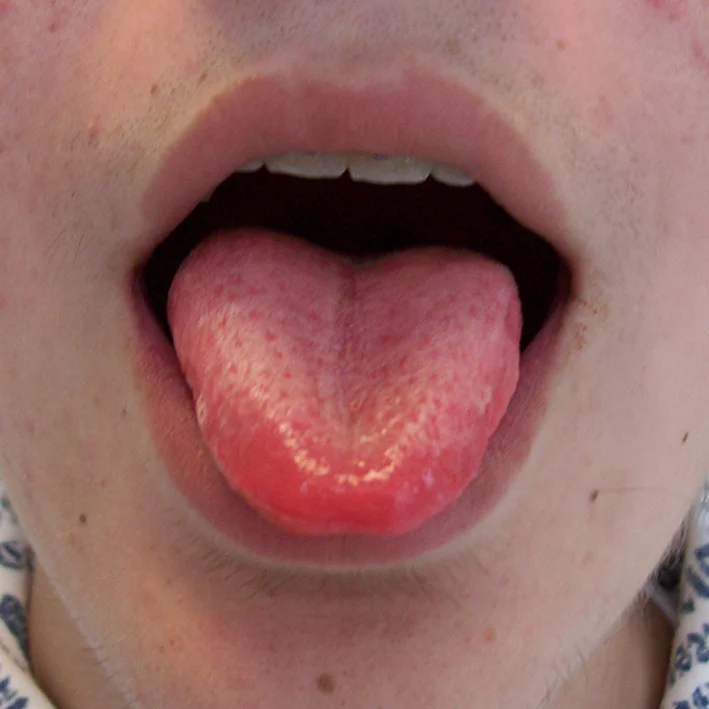
A small number of tongue tip pain cases come from conditions that need medical evaluation rather than home care.
Glossopharyngeal Neuralgia
This rare nerve condition causes sudden, severe, electric-shock-like pain that can affect the tongue, throat, or ear.
Episodes are often triggered by swallowing, talking, or chewing, and they require neurological evaluation for proper management.
Oral Lichen Planus
This chronic inflammatory condition produces lacy white patches or painful red areas on the tongue and inside the cheeks.
There is no outright cure, but topical steroids can control flare-ups and reduce discomfort significantly.
Leukoplakia
Leukoplakia appears as thick white patches that cannot be scraped off, most often linked to tobacco use.
A small percentage of these patches can become precancerous, so a dentist may recommend a biopsy for any that don’t go away.
Oral Cancer
A persistent sore, lump, or red and white patch on the tongue that doesn’t heal within two weeks deserves prompt medical attention.
Many early oral cancers are not painful, so the absence of pain should never be used to rule it out.
Common Causes at a Glance
| Cause | Typical Feeling | Usual Duration | What Helps |
|---|---|---|---|
| Bite or burn | Sharp, tender | 3–7 days | Rest, saltwater rinse |
| Canker sore | Stinging ulcer | 7–14 days | OTC gels, avoid acidic food |
| Allergic reaction | Stinging, swelling | 1–2 days | Avoid trigger, antihistamine |
| Acidic/spicy food | Burning sting | Minutes to hours | Avoid trigger foods |
| Dental appliance rub | Constant soreness | Until adjusted | Dental adjustment |
| Lie bumps | Small painful bumps | 2–4 days | Usually none needed |
| Vitamin deficiency | Dull, raw soreness | Weeks | Supplementation |
| Burning mouth syndrome | Persistent burning | Months to years | Cold foods, stress care |
| Oral thrush | Soreness with white patches | 1–2 weeks | Antifungal medicine |
| Nerve conditions | Sharp, shock-like | Episodic | Neurology referral |
Symptoms That Often Come With Tongue Tip Pain
Tongue tip pain rarely shows up alone. Watching the accompanying symptoms can help narrow down the cause.
Common companions include redness, white or yellow patches, swelling, a burning sensation, or sensitivity to hot, cold, or acidic foods.
Some people also notice a temporary change in taste, especially for sweet flavors, since sweetness receptors cluster near the tip.
When Should You See a Doctor or Dentist?
Most sore tongue tips heal on their own and never need professional care. A few signs, though, mean it’s time to get checked.
| Warning Sign | Why It Matters |
|---|---|
| Pain or sore lasting more than 2 weeks | May signal infection or a more serious condition |
| Lump or patch that doesn’t heal | Classic warning sign for oral cancer |
| Severe, worsening pain | Could indicate infection or nerve involvement |
| Trouble eating, talking, or swallowing | Suggests significant swelling or tissue damage |
| Fever alongside tongue pain | May point to a viral or bacterial infection |
| Tongue swelling with breathing difficulty | Medical emergency, seek care immediately |
If you notice any of these, schedule a visit with a dentist or doctor rather than waiting it out at home.
How to Treat a Sore Tongue Tip
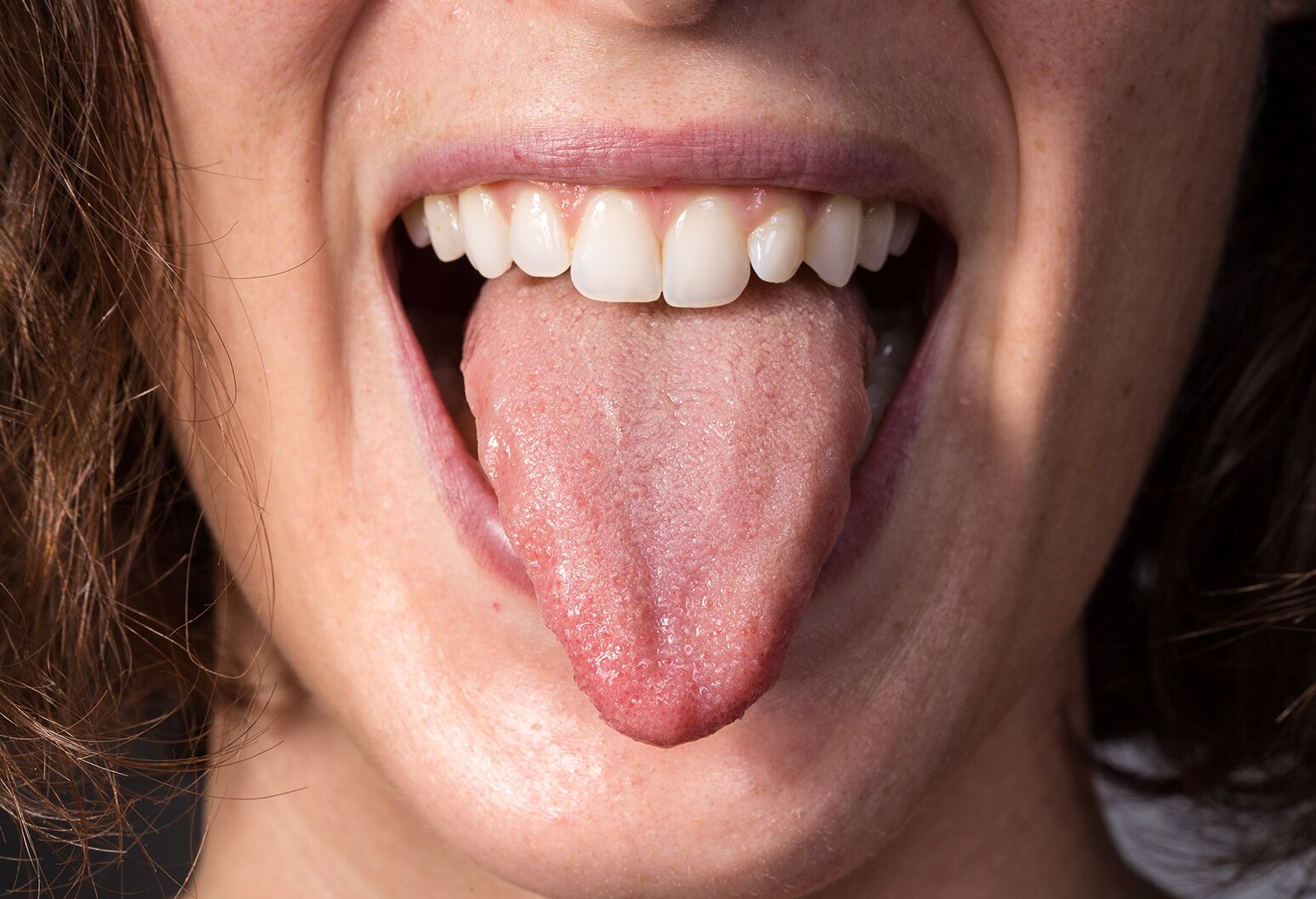
Treatment depends heavily on the underlying cause, but several strategies offer relief regardless of what’s triggering the pain.
Home Remedies for Quick Relief
A warm saltwater rinse, made with half a teaspoon of salt in a cup of water, can soothe minor sores and reduce bacteria.
Sucking on ice chips or sipping cold water numbs the area and calms burning or stinging sensations quickly.
Over-the-counter oral gels containing benzocaine can temporarily numb a painful tongue tip before meals.
Medical Treatments Based on Cause
For canker sores or lichen planus, a dentist may prescribe topical corticosteroids to speed healing and ease pain.
If a vitamin deficiency is the culprit, a doctor will usually recommend B12, iron, or folate supplementation.
Oral thrush requires antifungal medication, while bacterial infections like syphilis are treated with targeted antibiotics.
Foods and Drinks to Avoid While Healing
Spicy, salty, acidic, and very hot foods all tend to aggravate a sore tongue tip and slow down healing.
Carbonated drinks and alcohol-based mouthwashes can also sting irritated tissue and should be paused temporarily.
Soft, cool, mild foods like yogurt, mashed potatoes, or smoothies are easier on a tender tongue while it recovers.
How to Prevent Tongue Tip Pain in the Future
Good oral hygiene habits go a long way toward preventing repeat episodes of tongue tip soreness.
Brushing gently twice a day, flossing daily, and scraping the tongue helps remove bacteria before it causes irritation.
Routine dental visits catch sharp teeth, ill-fitting dentures, or early decay before they start damaging your tongue.
Eating a balanced diet rich in B12, iron, and folate also lowers your risk of deficiency-related tongue soreness.
Managing stress through relaxation techniques can reduce unconscious habits like tongue pressing or teeth grinding.
Tip-of-Tongue Pain Quick Reference
| If You Notice | It’s Likely | Next Step |
|---|---|---|
| Pain right after eating hot food | Minor burn | Cool rinse, wait it out |
| Round white sore, stings with food | Canker sore | OTC gel, saltwater rinse |
| Pain after a new toothpaste or food | Allergic reaction | Stop using the product |
| Constant rubbing feeling | Dental appliance issue | See your dentist |
| Burning with no visible sore | Possible BMS or deficiency | See a doctor for testing |
| Sore lasting over 2 weeks | Needs evaluation | Book a dental or medical exam |
How Doctors and Dentists Diagnose Tongue Tip Pain
Diagnosis usually starts with a simple visual exam, where the dentist or doctor checks the color, texture, and shape of your tongue.
They will also ask about your diet, recent injuries, medications, and how long the pain has lasted.
If a deficiency or infection is suspected, blood tests can check vitamin B12, iron, and folate levels, or identify fungal or bacterial causes.
In rare cases involving a stubborn patch or lump, a small biopsy may be taken to rule out precancerous or cancerous changes.
Tongue Tip Pain in Children
Kids often get sore tongue tips from biting their tongue while eating, talking, or playing, much like adults do.
Hand-foot-and-mouth disease and canker sores are also especially common in young children and toddlers.
Watch for refusal to eat, drooling, or fussiness, since young children may not be able to describe tongue pain clearly.
Most childhood cases resolve within a week with rest, soft foods, and plenty of fluids, but a pediatrician should check anything lasting longer.
Tongue Tip Pain at Night or After Sleep
Some people notice their tongue tip feels sore specifically after waking up, which often points to nighttime teeth grinding or tongue pressing.
Acid reflux that happens while lying down can also irritate the tongue and mouth overnight, leading to morning soreness.
A nightguard, reflux management, or simply staying hydrated before bed can reduce this pattern of waking up with tongue discomfort.
Tongue Tip Pain vs. Pain in Other Tongue Areas
Where your tongue hurts can offer clues about the likely cause, since different areas are exposed to different triggers.
The tip deals with the most friction from speaking and eating, so bites, burns, and lie bumps cluster there most often.
The sides are more prone to irritation from teeth, braces, or dentures, while the underside is a common spot for canker sores.
| Location | Common Causes |
|---|---|
| Tip of tongue | Bites, burns, lie bumps, burning mouth syndrome |
| Sides of tongue | Dental appliance friction, sharp teeth, canker sores |
| Underside of tongue | Canker sores, minor trauma |
| Whole tongue | Vitamin deficiency, glossitis, oral thrush, allergic reaction |
Myths and Facts About Tongue Pain
Misunderstandings about tongue pain are common, and clearing them up helps you respond appropriately instead of overreacting or ignoring real warning signs.
| Myth | Fact |
|---|---|
| Tongue pain always means cancer | Most tongue pain is from minor, harmless causes like bites or canker sores |
| No pain means no oral cancer risk | Many early oral cancers are painless, so absence of pain isn’t reassuring on its own |
| Tongue sores are always contagious | Canker sores and bites aren’t contagious, though cold sores and thrush can be |
| Only spicy food causes tongue burning | Vitamin deficiencies, dry mouth, and nerve issues can cause burning without any food trigger |
| Tongue pain always needs medication | Many mild cases heal on their own with rest and basic home care |
Frequently Asked Questions (FAQs)
1. Why does the tip of my tongue hurt for no reason?
It’s often a tiny, unnoticed bite, a mild allergic reaction, or early-stage burning mouth syndrome. If it persists past two weeks, get it checked.
2. Why does my tongue tip hurt when I eat acidic or spicy food?
Acidic and spicy foods irritate sensitive nerve endings concentrated at the tongue’s tip. This is more noticeable if there’s already a tiny cut or sore present.
3. How long does tip-of-tongue pain usually last?
Minor bites, burns, or canker sores typically heal within three to fourteen days. Pain lasting longer than two weeks needs professional evaluation.
4. Can stress or anxiety cause my tongue tip to hurt?
Yes, stress can trigger tongue pressing, grinding, or lie bumps, all of which cause soreness at the tip. Managing stress often reduces these flare-ups.
5. Why does my tongue tip burn even though it looks normal?
This is a classic sign of burning mouth syndrome, a condition with no visible lesions but real, persistent burning pain. A doctor can help confirm the diagnosis.
6. Which vitamin deficiency causes tongue tip pain?
Low vitamin B12, iron, or folate levels are the most common nutritional causes of tongue soreness. Blood tests can confirm a deficiency.
7. Why does the tip of my tongue hurt after I bite it?
Biting damages the surface tissue, causing a sore similar to a small cut elsewhere on the body. It usually heals within a week without treatment.
8. Can braces or dentures make the tip of my tongue sore?
Yes, repeated friction from braces, retainers, or ill-fitting dentures commonly irritates the tongue tip. A dental adjustment usually resolves the problem.
9. When should I see a doctor about tongue tip pain?
See a doctor if pain lasts more than two weeks, worsens, or comes with a lump, white patch, fever, or trouble swallowing. These signs warrant prompt evaluation.
10. What is the fastest home remedy for tongue tip soreness?
A warm saltwater rinse combined with cold water or ice chips offers the quickest relief for minor soreness. Avoiding spicy or acidic foods speeds up healing too.
Conclusion
Tongue tip pain is uncomfortable, but in most cases it’s a temporary problem caused by a bite, burn, canker sore, or irritation from food or a dental appliance. Simple home care, like saltwater rinses, cold water, and avoiding harsh foods, clears up the majority of cases within one to two weeks.
Persistent pain, an unhealed sore, a lump, or symptoms like fever and swallowing trouble are signals that deserve a dentist or doctor’s attention rather than more waiting.
Understanding the difference between everyday irritation and a sign of something deeper, like a vitamin deficiency, infection, or nerve condition, helps you respond appropriately instead of worrying unnecessarily. If your tongue tip pain doesn’t improve with basic care, don’t hesitate to schedule a checkup for a proper diagnosis and targeted treatment plan.