Why Does the Top of My Mouth Hurt When I Eat? Causes Explained 2026

Why does the top of my mouth hurt when I eat is one of the most common oral health questions people search for.
The roof of the mouth, also called the palate, is sensitive tissue that comes into direct contact with everything you consume.
Pain in this area can range from a mild sting to a sharp, persistent ache that makes eating feel difficult.
Some causes are simple and resolve within days. Others point to infections, dental problems, or underlying health conditions that need attention.
Understanding the Roof of Your Mouth
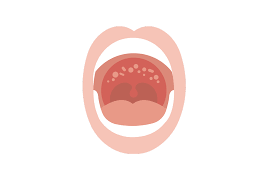
The top of your mouth is divided into two parts. The hard palate is the firm, bony front section. The soft palate is the flexible tissue at the back.
Both areas contain sensitive mucous membranes that react quickly to heat, pressure, sharp edges, chemicals, and infections. Because food and liquid pass directly over this surface with every bite and sip, the palate is exposed to more physical contact than almost any other part of the mouth.
Hard Palate vs Soft Palate: What Hurts Where
| Location | Structure | Common Pain Triggers |
|---|---|---|
| Front roof (hard palate) | Bony, covered by thin mucosa | Burns, cuts from chips/bread, canker sores, dental appliances |
| Back roof (soft palate) | Soft, flexible tissue | Infections, strep throat, sinus pressure, postnasal drip |
| Behind front teeth | Junction of hard palate | Burns, friction from dental retainers, trauma |
| Entire palate | Both hard and soft | Oral thrush, allergic reactions, acid reflux, vitamin deficiency |
Understanding which part of the palate hurts helps narrow down the cause significantly.
1. Burns From Hot Food or Drinks
Thermal burns are the most common reason the top of your mouth hurts when eating. This is sometimes called pizza palate because eating hot pizza is a frequent trigger.
Hot cheese, soup, coffee, tea, or any food consumed before it cools enough can instantly damage the delicate tissue of the hard palate. The tissue becomes raw, tender, and inflamed, making everything you eat afterward feel painful.
Burns typically feel like a stinging or raw sensation. The tissue may look slightly red or feel rough when touched with your tongue. Most burns heal on their own within three to five days without any treatment.
What to Do for a Burned Palate
Rinse immediately with cool water after a burn. Eating cold or room-temperature foods like yogurt, smoothies, or ice cream can soothe the area.
Avoid hot drinks, spicy food, and acidic items like citrus or tomato sauce while healing. These will irritate the already damaged tissue and extend recovery time. Over-the-counter pain relievers like ibuprofen can reduce inflammation if the pain is significant.
2. Physical Trauma From Hard or Sharp Foods
Hard foods with sharp edges are a very common cause of palate pain that many people overlook. Tortilla chips, crackers, crusty bread, baguette, pretzels, and hard taco shells can all scratch or cut the roof of the mouth.
These micro-abrasions are small cuts or scrapes in the mucosa. They may not be noticeable during eating but become sore and tender in the hours that follow.
The pain typically worsens when you eat similar foods again or consume anything hot or acidic. Healing takes two to four days if you avoid re-injuring the area. Slowing down while chewing and breaking hard foods into smaller pieces reduces risk significantly.
3. Canker Sores (Aphthous Ulcers)
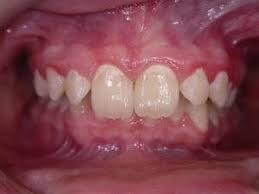
Canker sores are small, shallow ulcers that develop on the soft tissues inside the mouth, including the palate. They appear as round or oval lesions with a white or yellow center surrounded by a red border.
They are not contagious and are not caused by a virus. Common triggers include stress, hormonal changes, acidic or spicy foods, minor mouth injuries, and certain nutrient deficiencies.
Canker sores affect around 20% of the population and are more common in women. They typically heal on their own within one to two weeks but can be extremely painful while present, especially when eating.
How to Manage Canker Sore Pain
Saltwater rinses two to three times daily help reduce inflammation and speed healing. Mix half a teaspoon of salt in a cup of warm water and rinse gently for 30 seconds.
Over-the-counter topical gels containing benzocaine can numb the area temporarily and make eating more comfortable. Avoiding spicy, acidic, and rough-textured foods while the sore is healing is important.
If sores are unusually large, extremely painful, or appear frequently, a dentist may prescribe a stronger topical steroid or recommend testing for underlying nutritional deficiencies.
4. Cold Sores on the Palate
Cold sores are caused by the herpes simplex virus type 1 (HSV-1). While they most commonly appear on or around the lips, they can develop inside the mouth including on the palate.
Intraoral cold sores look like clusters of small fluid-filled blisters that break open and become painful ulcers. They are highly contagious and typically heal within seven to ten days.
Triggers include stress, illness, sun exposure, fatigue, and changes in the immune system. Unlike canker sores, cold sores are caused by a virus and can recur throughout life. Antiviral medications like acyclovir can shorten the duration if taken early.
Canker Sore vs Cold Sore: Key Differences
| Feature | Canker Sore | Cold Sore |
|---|---|---|
| Cause | Non-infectious (stress, injury, diet) | Herpes simplex virus (HSV-1) |
| Location | Inside mouth only | Lips, around mouth, occasionally inside |
| Contagious | No | Yes |
| Appearance | Yellow/white center, red border | Fluid-filled blisters that crust |
| Healing time | 1–2 weeks | 7–10 days |
| Treatment | Topical gels, saltwater rinse | Antiviral medication |
5. Oral Thrush (Candida Infection)
Oral thrush is a fungal infection caused by an overgrowth of Candida albicans, a yeast that normally lives in small amounts in the mouth. When the balance of oral bacteria is disrupted, Candida multiplies and causes infection.
It presents as creamy white or yellowish patches on the tongue, inner cheeks, and the roof of the mouth. These patches may wipe off, leaving a raw, red, or bleeding surface underneath. The affected area feels sore and tender, making eating and swallowing uncomfortable.
Common triggers include recent antibiotic use, a weakened immune system, uncontrolled diabetes, inhaled corticosteroids (like asthma inhalers), denture wearing, or chemotherapy.
Treatment requires antifungal medication prescribed by a doctor or dentist, typically nystatin rinse or fluconazole tablets. Without treatment, the infection will not resolve on its own.
6. Sinus Infection and Sinus Pressure
A sinus infection may not seem like a dental problem, but it is a surprisingly common cause of pain in the roof of the mouth. The maxillary sinuses sit directly above the hard palate, separated by only a thin layer of bone.
When these sinuses become inflamed or infected, the pressure and swelling radiate downward and create pain that feels like it is coming from the top of the mouth. This pain often worsens when bending forward, eating, or chewing.
Sinus infections also cause postnasal drip, which can irritate the soft palate at the back of the throat. Congestion, facial pressure, and headaches usually accompany the palate discomfort, helping identify the source.
Treating the sinus infection with a doctor-recommended antibiotic, decongestant, or nasal rinse typically resolves the palate pain as well.
7. Dental Abscess and Tooth Infections
A dental abscess is a pocket of infection that forms around the root of a tooth. Upper tooth abscesses, particularly in the back upper molars, can cause pain that radiates directly into the roof of the mouth.
This type of pain is usually deeper, more persistent, and throbbing compared to surface-level soreness. It does not go away with time and typically gets worse. Swelling, a bad taste in the mouth, fever, and sensitivity to hot or cold may accompany it.
Dental abscesses require immediate professional treatment. A dentist will drain the abscess and may prescribe antibiotics. In some cases, a root canal or extraction is needed. Leaving an abscess untreated allows the infection to spread, which can become a serious health emergency.
8. Gum Disease (Periodontitis)
Advanced gum disease does not only affect the gums along the lower teeth. In its more severe stages, periodontitis can cause inflammation that spreads beyond the gumline into the upper palate area.
The infection and bacterial activity involved in gum disease can create generalized mouth pain, soreness in the palate, and a persistent bad taste. Bleeding gums, loose teeth, and gum recession are accompanying signs.
Treating gum disease through professional deep cleaning, scaling and root planing, and improved oral hygiene usually reduces palate-related discomfort over time.
9. Food Allergies and Oral Allergy Syndrome
Eating certain foods can trigger an immune response that causes swelling, tingling, itching, or burning in the soft tissues of the mouth, including the palate.
Oral allergy syndrome (OAS) is a mild allergic reaction to certain raw fruits, vegetables, and nuts in people who are also allergic to pollen. Common triggers include apples, peaches, celery, carrots, almonds, and hazelnuts. The reaction typically causes tingling or mild swelling in the lips, tongue, and roof of the mouth immediately after eating.
More severe food allergies to shellfish, peanuts, tree nuts, or eggs can also cause palate discomfort as part of a broader allergic reaction. If swelling, difficulty breathing, or hives accompany the oral symptoms, this is a medical emergency requiring immediate attention.
10. Ill-Fitting Dentures, Retainers, or Dental Appliances
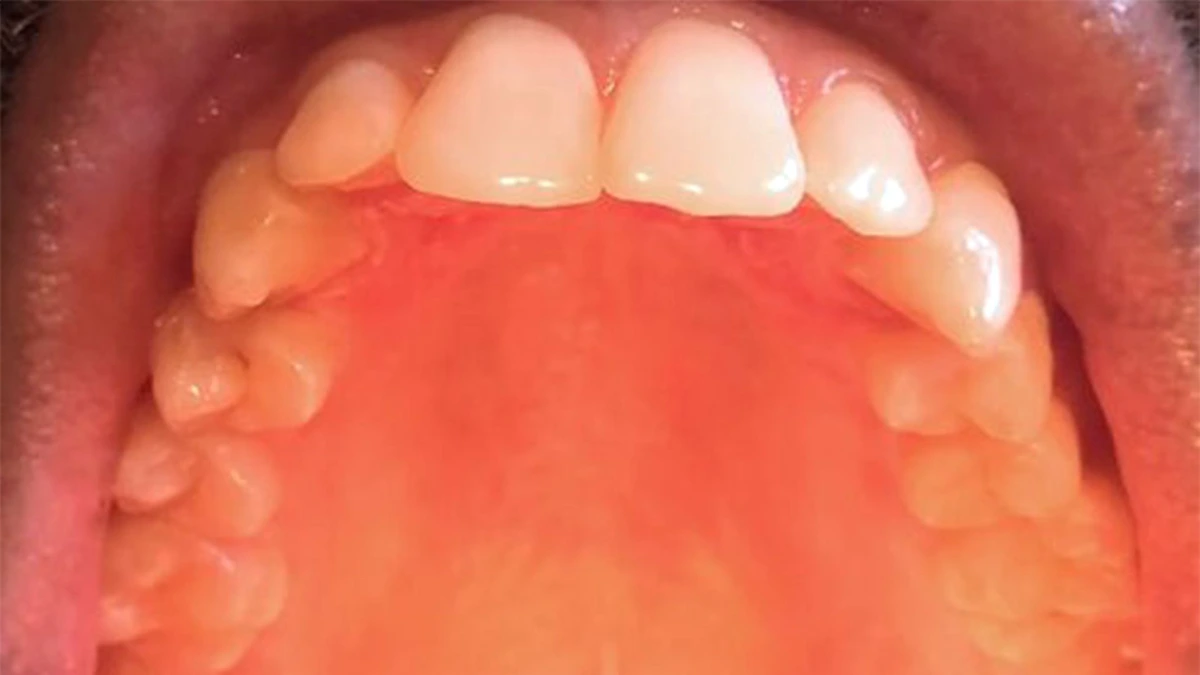
Any removable dental appliance that sits against the roof of the mouth can cause pain if it does not fit correctly. Dentures, retainers, night guards, and palate expanders all contact the palate directly.
Friction from an ill-fitting appliance creates chronic irritation, redness, and sometimes ulcers on the hard palate. The pain worsens during eating and drinking when the appliance shifts or presses unevenly against the tissue.
If an appliance is new, some mild adjustment soreness is normal for the first few days. Persistent or worsening pain after that point means the fit needs to be evaluated by your dentist or prosthodontist. Continuing to wear an ill-fitting appliance accelerates tissue damage.
11. Dry Mouth (Xerostomia)
Saliva plays a critical protective role in oral health. It keeps tissues moist, neutralizes acids, washes away food particles, and contains antibacterial properties. When saliva production drops significantly, the palate becomes dry, more sensitive, and prone to irritation.
Dry mouth can be caused by certain medications, dehydration, mouth breathing, Sjogren’s syndrome, diabetes, chemotherapy, or radiation to the head and neck area. The palate feels sticky, rough, and sore, especially when eating foods that require significant chewing or that are dry in texture.
Staying well hydrated, using alcohol-free mouth rinse, and chewing sugar-free gum can stimulate saliva flow. If medication is the cause, speaking to your prescribing doctor about alternatives may help.
12. Acid Reflux and GERD
Gastroesophageal reflux disease (GERD) causes stomach acid to travel upward into the throat and mouth. This acid exposure irritates and erodes the soft tissues of the mouth, including the soft palate at the back.
Chronic acid exposure can cause a burning sensation in the mouth, soreness when eating, and a feeling of rawness in the throat and upper palate. It also damages tooth enamel over time and reduces saliva quality.
People with GERD may notice palate pain is worse after eating trigger foods like fatty meals, caffeine, alcohol, citrus, tomato-based foods, and chocolate. Managing reflux through dietary changes, avoiding lying down after eating, and using acid-reducing medication typically reduces oral symptoms.
13. Vitamin and Nutritional Deficiencies
Deficiencies in certain vitamins and minerals are a well-documented but often missed cause of recurring mouth pain. The lining of the mouth is highly dependent on adequate nutrition to maintain its integrity.
Key deficiencies linked to palate and mouth pain include:
| Nutrient | Effect of Deficiency |
|---|---|
| Vitamin B12 | Painful mouth sores, burning sensation, glossitis |
| Iron | Mouth ulcers, pale and sore oral tissues |
| Folate (B9) | Recurring canker sores, inflamed mouth lining |
| Zinc | Impaired wound healing, mouth soreness |
| Vitamin C | Fragile gum and palate tissue, slow healing |
If you experience frequent, unexplained mouth pain without an obvious cause, a simple blood test ordered by your doctor can identify deficiencies. Correcting them with supplements or dietary changes often resolves chronic oral discomfort.
14. Tobacco and Smoking
Smoking and the use of smokeless tobacco products significantly damage the soft tissues of the mouth over time. The heat from smoking irritates the palate directly, while the chemicals in tobacco cause chronic inflammation and reduce the mouth’s ability to heal.
Smokers are more prone to oral thrush, gum disease, canker sores, and a condition called smoker’s palate, where the palate develops a white, leathery appearance with red inflamed spots around the minor salivary gland openings.
Smokeless tobacco rubbed against the palate causes direct chemical burns and raises the risk of oral cancer. Any persistent white or red patch in the mouth associated with tobacco use should be evaluated by a dentist promptly.
15. Oral Cancer Warning Signs
While the vast majority of causes of palate pain are benign, oral cancer affecting the palate is a serious possibility that should not be ignored when pain persists or symptoms are unusual.
Warning signs that warrant urgent dental or medical evaluation include:
A sore or ulcer that does not heal within two to three weeks. A red or white patch on the palate that cannot be scraped off. A lump, thickening, or unexplained swelling inside the mouth. Unexplained bleeding, numbness, or difficulty swallowing. Persistent pain that does not respond to home treatment.
Early detection of oral cancer dramatically improves outcomes. Dentists screen for oral cancer during routine check-ups, which is another reason regular dental visits matter.
Home Remedies for Palate Pain Relief
Most minor causes of top-of-mouth pain respond well to simple home care. These strategies help manage discomfort while the tissue heals naturally.
Saltwater Rinse
Dissolve half a teaspoon of salt in one cup of warm water. Swish gently around the mouth for 30 seconds and spit. Repeat two to three times daily. Salt water reduces inflammation, kills surface bacteria, and promotes healing of minor ulcers and burns.
Avoid Irritating Foods While Healing
Hot, spicy, acidic, and rough-textured foods all worsen existing palate irritation. Temporarily switching to soft, cool, mild-flavored foods like yogurt, oatmeal, mashed potatoes, and smoothies allows the tissue to recover without repeated trauma.
Topical Oral Gels
Over-the-counter products containing benzocaine, like Orajel, can be applied directly to the sore area to numb it temporarily. These are particularly helpful before meals when the discomfort makes eating difficult.
Stay Hydrated
Drinking adequate water throughout the day keeps oral tissues moist, supports saliva production, and prevents the dryness that makes irritation worse.
When to See a Dentist or Doctor
Most cases of palate pain resolve within a few days with basic home care. However, certain situations require professional evaluation.
Seek care if pain persists beyond ten to fourteen days without improvement. A dentist should also be seen if you notice white patches that do not wipe off, unexplained swelling, bleeding, difficulty swallowing, or fever. Any pain that is deep, throbbing, and does not improve is a potential sign of abscess or serious infection requiring prompt treatment.
Pain Duration Guide
| Duration of Pain | Likely Cause | Recommended Action |
|---|---|---|
| 1–3 days | Burn, minor cut, food trauma | Home care, cool foods, salt rinse |
| 4–7 days | Canker sore, cold sore | Topical gel, saltwater rinse, avoid triggers |
| 7–14 days | Canker sore (healing), mild infection | Monitor; see dentist if not improving |
| More than 14 days | Abscess, thrush, nutritional deficiency, or serious condition | See dentist or doctor promptly |
| Recurring frequently | Deficiency, allergy, appliance, systemic condition | Full dental and medical evaluation |
Foods and Habits That Protect Your Palate
Protecting the roof of your mouth from repeated irritation involves a few consistent habits.
Letting hot foods cool for two to three minutes before eating prevents thermal burns. Chewing slowly and breaking hard foods into smaller pieces before biting down reduces the risk of cuts and abrasions. Staying well hydrated supports the saliva that keeps oral tissues healthy and resilient.
Maintaining good oral hygiene, attending regular dental check-ups, and eating a nutrient-rich diet all contribute to a healthier oral environment where the palate heals quickly and resists infection.
Frequently Asked Questions (FAQs)
Why does the top of my mouth hurt when I eat?
The most common causes are burns from hot food, cuts from sharp-edged snacks, canker sores, or a dental appliance irritating the palate. Most cases resolve within a few days with simple home care.
How do I know if I burned the roof of my mouth?
A burn feels like a raw, stinging sensation that starts immediately after eating something very hot. The tissue may feel rough or slightly swollen and is sensitive to hot and acidic foods for several days after.
Can a sinus infection cause roof of mouth pain?
Yes. The maxillary sinuses sit directly above the hard palate. Sinus inflammation creates downward pressure that produces real pain in the top of the mouth, often accompanied by congestion and facial pressure.
What does oral thrush feel like on the palate?
Oral thrush causes creamy white patches on the palate that may wipe off to reveal raw, sore tissue underneath. It creates a persistent soreness that worsens when eating spicy or acidic foods.
Can a tooth infection cause pain in the roof of the mouth?
Yes. An abscess in an upper back tooth can radiate pain into the palate. This pain is usually deep, throbbing, and persistent, unlike the surface soreness caused by burns or canker sores.
How long should palate pain last?
Minor burns and cuts typically heal in three to five days. Canker sores take one to two weeks. Pain lasting longer than two weeks without improvement should be evaluated by a dentist or doctor.
Can vitamin deficiency cause mouth roof pain?
Yes. Deficiencies in vitamin B12, iron, folate, and zinc are linked to recurring mouth sores and a sore, inflamed palate. A blood test can identify these deficiencies and guide treatment.
Can acid reflux cause pain at the top of the mouth?
Yes. Stomach acid traveling into the mouth from GERD irritates the soft palate and oral tissues. People with chronic reflux often notice a burning sensation in the mouth and throat, especially after meals.
Is roof of mouth pain a sign of oral cancer?
Rarely, but it can be. A sore or ulcer on the palate that does not heal within two to three weeks, a white or red patch, or unexplained swelling should always be professionally evaluated to rule out oral cancer.
What home remedy helps roof of mouth pain the fastest?
A warm saltwater rinse two to three times daily is the most effective general home remedy. Cool foods, avoiding irritants, and topical numbing gel applied directly to a sore area also provide quick relief.
Conclusion
Why does the top of my mouth hurt when I eat is a question with many possible answers, and most of them are manageable once you identify the cause.
The majority of cases come down to a thermal burn from hot food, a small cut from a hard snack, a canker sore, or irritation from a dental appliance.
These resolve within days with basic care: saltwater rinses, cool soft foods, and avoiding the foods that make it worse.
When pain is deeper, comes with swelling, includes white patches, or simply does not go away after two weeks, that is your signal to see a dentist or doctor.
Underlying causes like abscess, oral thrush, sinus infection, nutritional deficiency, or acid reflux all have effective treatments once properly identified.
Paying attention to where the pain is, what triggers it, and how long it lasts will help you and your provider find the right solution quickly.