Why Does Water Give Me Heartburn? Simple Answer 2026
Why does water give me heartburn? It sounds impossible — water is plain, neutral, and one of the healthiest things you can put in your body.
Yet thousands of people experience a real burning sensation in their chest or throat after drinking it. The truth is that water itself is rarely the villain.
How you drink it, what temperature it is, what type it is, and what is already happening inside your digestive system all play a role.
If plain water keeps triggering that uncomfortable burn.
What Is Heartburn and Why Does It Happen
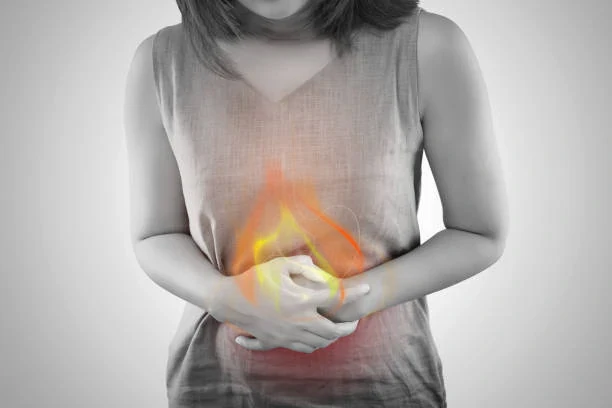
Before blaming water, it helps to understand what heartburn actually is.
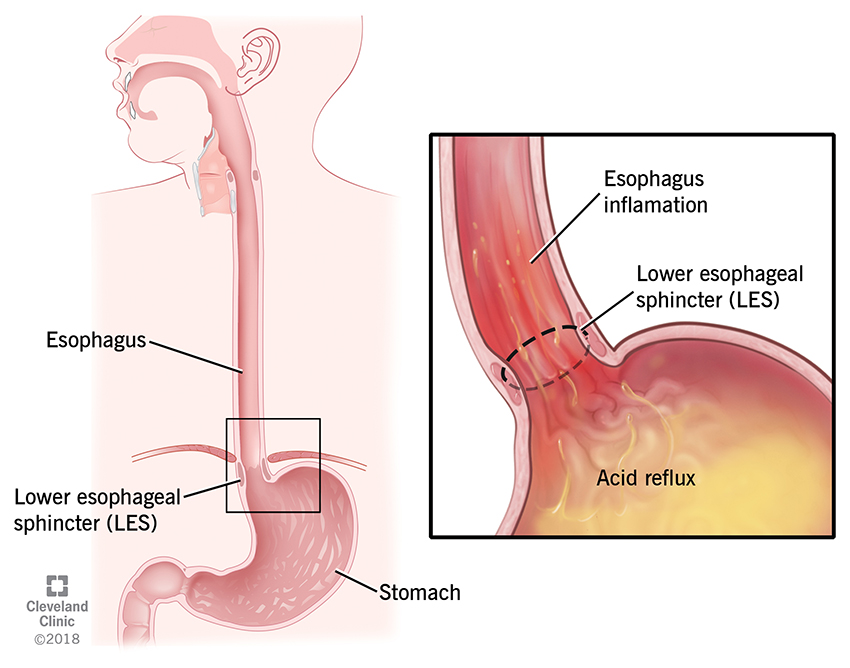
Heartburn is a burning sensation in the chest or throat caused by stomach acid flowing backward into the esophagus. The esophagus does not have the same protective mucous lining as the stomach, so when acid touches it, you feel that familiar sting.
The key player is a muscle called the lower esophageal sphincter (LES). Think of the LES as a gate between your stomach and esophagus. When it works correctly, it opens to let food pass into the stomach, then snaps shut to keep acid locked in. When it is weak, damaged, or relaxed at the wrong time, acid escapes upward and heartburn begins.
Why Water Can Trigger Heartburn
Water is chemically neutral with a pH of 7. It does not produce acid. But the way you drink it, the temperature, the type, and your body’s condition can all cause the LES to malfunction — and that is what sends acid into the esophagus.
There are seven main reasons water gives people heartburn, and most people are dealing with more than one at the same time.
Reason 1: Drinking Too Much Water at Once
This is the most common cause of water-induced heartburn, and the fix is the simplest.
When you gulp down a large amount of water quickly, your stomach fills up fast. This causes gastric distension — your stomach physically expands with the volume of liquid. Research shows that gastric distension increases pressure on the LES and forces stomach acid directly upward into the esophagus.
Think of your stomach like a water balloon. The more you fill it rapidly, the more pressure builds at the top. That pressure is what pushes acid past the LES valve.
Sipping water slowly throughout the day, rather than downing large glasses at once, is often enough to completely eliminate this type of heartburn.
Reason 2: Cold Water Forcing the Stomach to Work Harder
Very cold water is harder for your digestive system to process than room temperature water.
When ice-cold water enters the stomach, the body must warm it up before it can be properly processed. This extra digestive effort can stimulate increased stomach acid production. The extra acid, combined with the fluid volume already putting pressure on the LES, can easily trigger reflux.
Cold water may also cause the esophagus to react sensitively, especially if your esophageal lining is already irritated from past acid exposure. Even small amounts of cold water can cause a noticeable burn in these cases.
Room temperature or slightly warm water is consistently recommended by gastroenterologists as the gentler option for people with a sensitive digestive system.
Reason 3: Hot Water Relaxing the LES
Cold water is not the only temperature problem — very hot water causes a different kind of trouble.
According to gastroenterological research, drinking very hot water can relax the lower esophageal sphincter. A relaxed LES does not close tightly, which allows stomach acid to flow freely back into the esophagus.
This is why the extremes — both very cold and very hot — tend to cause more heartburn than lukewarm or room temperature water. The safe zone for most people with heartburn is water that is somewhere between cool and warm, never iced or steaming.
Reason 4: Carbonated Water and Sparkling Water
If your heartburn is triggered by sparkling water, mineral water, or seltzer, the carbonation is almost certainly the culprit.
The bubbles in carbonated water release carbon dioxide gas in the stomach. This gas rapidly increases intragastric pressure — the pressure inside the stomach — which then pushes upward against the LES. The result is acid reflux, burping, and that burning sensation in the chest and throat.
Many people switch from sugary sodas to sparkling water thinking it is a safer option. For most people it is, but for anyone with acid reflux or GERD, even unsweetened carbonated water can be a consistent heartburn trigger.
Still, non-carbonated water is always the safer choice for people dealing with reflux symptoms.
Reason 5: Drinking Water Around Meals
Timing matters as much as quantity.
Drinking a large glass of water immediately before, during, or right after a meal raises stomach pressure significantly. Your stomach is already working hard to digest food. Adding a large volume of liquid on top of that pushes the total contents — acid included — up against the LES.
Functional nutritionist Ma’an Romana, who specializes in treating heartburn and acid reflux, notes that sipping small amounts of water during a meal can actually help digestion by diluting food and improving motility. But taking big gulps while eating makes heartburn considerably worse.
The recommended approach is to space water intake throughout the day and avoid drinking large amounts within 30 minutes before or after a meal.
Reason 6: Hard Water and Mineral Content
The type of water you drink matters more than most people realize.
Hard water has a high mineral content — particularly calcium and magnesium. While these minerals are not harmful in general, they can disrupt digestion in sensitive individuals. Some people report significantly more heartburn after drinking hard tap water compared to filtered water.
Additionally, some bottled waters have added minerals for flavor enhancement. Carbonation and added minerals combined can raise acidity levels in the water and trigger symptoms in people with existing sensitivities.
Some brands of bottled water also come in plastic bottles containing BPA (bisphenol A), an industrial chemical that may promote gut inflammation and irritate pre-existing conditions like GERD.
Filtered water or natural spring water without carbonation tends to be better tolerated by people with frequent heartburn.
Reason 7: A Weak or Damaged LES
Sometimes the real problem is not how you drink water — it is the valve itself.
For people with a consistently weak lower esophageal sphincter, even a small sip of water can trigger reflux. The water adds just enough volume and pressure to push acid through a LES that is already failing to close properly.
This is the core mechanism behind GERD (gastroesophageal reflux disease) — a chronic condition where the LES is persistently weakened, causing acid reflux to occur frequently and sometimes with little provocation. If you get heartburn from water regularly and nothing about how you drink seems to explain it, a weak LES is likely involved and warrants medical attention.
Underlying Conditions That Make Water Cause Heartburn
Several health conditions make people far more susceptible to water-triggered heartburn.
Hiatal Hernia
A hiatal hernia occurs when part of the stomach pushes upward through the diaphragm into the chest cavity. This disrupts the normal position of the LES and weakens its ability to prevent acid reflux.
Hiatal hernias are extremely common. Studies show they are present in 10–80% of the U.S. population, and among people aged 60 and older, the rate is around 60%. Most cases have no symptoms, but when heartburn is a problem, a hiatal hernia is often a contributing factor.
GERD (Gastroesophageal Reflux Disease)
GERD affects up to 20% of the adult population in the United States. It is defined as acid reflux occurring more than twice a week and is closely linked to a chronically weakened LES.
For someone with GERD, water can trigger heartburn precisely because the LES is already compromised. Even neutral fluids can create enough pressure to cause acid escape.
Obesity
Excess body weight increases abdominal pressure, which pushes stomach contents upward against the LES. Obesity is one of the strongest independent risk factors for both GERD and hiatal hernia.
Research published in Bariatric Times confirms a direct correlation between obesity and increased incidence of hiatal hernia — which then worsens GERD symptoms by further reducing LES pressure.
Pregnancy
Pregnancy increases intra-abdominal pressure as the uterus grows, compressing the stomach and pushing acid toward the esophagus. Hormonal changes during pregnancy also relax the LES. These two factors together make heartburn — sometimes from even a sip of water — extremely common during the second and third trimesters.
Aging
As people age, digestive system muscles naturally weaken — including the LES. This is why acid reflux and heartburn become increasingly common after age 50. For older adults, even mild triggers like cold water or a large glass at once can produce significant symptoms.
Risk Factors Summary
| Risk Factor | How It Causes Water-Related Heartburn |
|---|---|
| Weak LES | Fails to seal properly, acid escapes easily |
| GERD | Chronic LES dysfunction, even small volumes trigger reflux |
| Hiatal hernia | Displaces LES, reduces pressure at the valve |
| Obesity | Raises abdominal pressure, compresses stomach upward |
| Pregnancy | Physical compression plus hormonal LES relaxation |
| Aging | General muscle weakening including LES tissue |
| High-fat or spicy diet | Worsens existing LES weakness and acid production |
| Smoking | Directly weakens LES and increases acid production |
Water Type Comparison: What Is Best for Heartburn
Not all water is equal when it comes to acid reflux. Here is how different types compare.
| Water Type | Effect on Heartburn |
|---|---|
| Room temperature still water | Best choice — gentle, neutral, no pressure increase |
| Warm water | Good — aids digestion, relaxes muscles mildly |
| Cold/iced water | May worsen — stimulates acid production, irritates esophagus |
| Very hot water | May worsen — can relax LES and allow acid escape |
| Carbonated/sparkling water | Avoid — increases gastric pressure via CO2 gas |
| Hard tap water (high minerals) | May worsen — mineral content can disrupt digestion |
| Alkaline water (pH 8.8) | Potentially helpful — may neutralize pepsin in esophagus |
| Filtered still water | Good choice — removes minerals and contaminants |
| Bottled water (BPA plastic) | May irritate — BPA may promote gut inflammation |
Can Alkaline Water Help Heartburn?
This is one of the most searched questions related to water and heartburn — and there is actual science behind the answer.
A study published in The Annals of Otology, Rhinology, and Laryngology (2012) found that alkaline water with a pH of 8.8 can help neutralize pepsin, a digestive enzyme produced in the stomach that becomes harmful when it reaches the esophagus during reflux. Unlike stomach acid, pepsin can become lodged in the esophageal tissues and continue causing damage.
UCLA Health has confirmed that alkaline water at pH 8.8 can reduce the activity of this enzyme. Studies on hydrogen carbonate-rich mineral water also show it can buffer gastric acid, with approximately 1.5 liters per day potentially reducing the frequency of heartburn episodes.
However, alkaline water is not a cure for GERD. It can help manage symptoms but does not address the underlying LES weakness or structural issues like hiatal hernia.
Symptoms That Tell You Water Is Triggering Heartburn
Recognizing heartburn from water versus other causes helps you narrow down the problem faster.
Common symptoms of water-triggered heartburn include a burning sensation in the chest after drinking, a sour or acidic taste at the back of the throat, a feeling of chest pressure or fullness shortly after drinking, and mild difficulty swallowing or a sensation of liquid stuck in the throat.
If these symptoms appear consistently after drinking — especially after large amounts, cold water, or carbonated water — the connection is almost certainly real.
How to Stop Water From Giving You Heartburn: 8 Practical Fixes
The good news is that most water-induced heartburn can be managed with simple habit changes. No medication required in many cases.
Sip Slowly, Do Not Gulp
Replace large, fast drinks with small, steady sips throughout the day. Slowing your intake reduces the pressure spike in the stomach that triggers acid reflux.
Switch to Room Temperature Water
Ditch iced water and very hot beverages. Room temperature or slightly warm water is the least disruptive to the LES and digestive system.
Avoid Carbonated Water
Even unflavored sparkling water raises gastric pressure through CO2 buildup. Still water is always the safer option for heartburn sufferers.
Do Not Drink Large Amounts With Meals
Space your water intake across the day. Avoid drinking a full glass immediately before or after eating when your stomach is already under pressure from food.
Stay Upright After Drinking
Gravity helps keep stomach acid in the stomach. Remaining upright for at least 30 minutes after drinking (and eating) gives the LES time to function without fighting pressure from a full stomach.
Try Filtered Water
If you notice a difference between tap water brands, consider using a quality water filter to remove excess minerals, chlorine, and other compounds that may irritate a sensitive digestive system.
Consider Alkaline Water
If standard water consistently causes symptoms, pH 8.8 alkaline water may help neutralize pepsin in the esophagus and reduce the burn. It is worth trying as a low-risk intervention.
See a Doctor If It Is Happening Frequently
The Mayo Clinic advises seeing a doctor if heartburn symptoms persist more than twice a week, if you experience difficulty swallowing, or if you notice unexplained weight loss. Frequent water-triggered heartburn may indicate GERD, a hiatal hernia, or another condition that benefits from proper diagnosis and treatment.
What Medications and Treatments Help
When lifestyle changes are not enough, several treatment options exist.
Antacids (like Tums or Alka-Seltzer) neutralize stomach acid quickly but do not address the underlying cause. They work short-term.
H2 blockers (like Pepcid or Zantac) reduce the amount of acid the stomach produces. They last longer than antacids.
Proton pump inhibitors or PPIs (like Prilosec or Nexium) are the most powerful acid-reduction medications and are used for chronic GERD. Functional nutritionist Ma’an Romana notes that people who experience frequent heartburn often have too little stomach acid rather than too much, which is why PPIs and acid suppressors do not always provide lasting relief — they treat the symptom but not the underlying dysfunction.
For severe cases involving hiatal hernia or a structurally damaged LES, surgical options exist and may be recommended by a gastroenterologist.
When to See a Doctor
Occasional heartburn from water is usually a habit issue and easy to fix. But certain signs indicate you need professional evaluation.
See a doctor if heartburn from water happens more than twice per week, if you experience pain when swallowing, if you have a persistent sore throat or hoarseness that does not resolve, if you notice unexplained weight loss, or if over-the-counter medications are not controlling your symptoms.
Untreated chronic GERD can lead to more serious complications including esophageal stricture (narrowing), Barrett’s esophagus (precancerous changes to the esophageal lining), and in rare cases, esophageal adenocarcinoma. These outcomes are preventable when heartburn is properly managed early.
Quick Summary: Causes and Fixes
| Cause | Fix |
|---|---|
| Drinking too fast | Sip slowly throughout the day |
| Cold water | Switch to room temperature water |
| Very hot water | Avoid extremes, stay in the warm-cool range |
| Carbonated water | Switch to still water |
| Drinking with meals | Space water away from mealtimes |
| Hard tap water | Use a water filter |
| Weak LES | Medical evaluation, lifestyle changes |
| Hiatal hernia | Doctor assessment and management plan |
| GERD | Diagnosis and treatment by a gastroenterologist |
Frequently Asked Questions (FAQs)
Why does water give me heartburn if it has no acid?
Water itself has no acid, but drinking too much too fast increases stomach pressure and forces existing stomach acid through a weak lower esophageal sphincter into the esophagus — causing that familiar burn.
Can cold water cause heartburn?
Yes. Very cold water stimulates extra stomach acid production as the body works to warm the liquid, and that additional acid can trigger reflux, especially in people with a sensitive or weakened LES.
Does sparkling water cause heartburn?
Yes, frequently. The carbon dioxide in carbonated water increases gastric pressure, which pushes stomach acid upward. Still water is always a safer choice for people prone to heartburn.
Is alkaline water good for heartburn?
Alkaline water at pH 8.8 can help neutralize pepsin — a digestive enzyme that causes esophageal irritation during reflux. Research from UCLA Health supports its use as a supplemental aid, though it is not a cure for GERD.
How much water should I drink if I have heartburn?
There is no one-size-fits-all amount. The key is spreading intake across the day in small sips rather than large gulps. Avoid drinking large amounts around meal times, and stay hydrated steadily throughout the day.
Can drinking water help heartburn or make it worse?
Both are possible. Small sips of room temperature water can dilute stomach acid and temporarily ease heartburn. But large amounts consumed quickly, cold water, or carbonated water can worsen it significantly.
Does the type of water I drink matter for heartburn?
Yes. Still, filtered, room temperature water is the best option. Carbonated, very cold, very hot, and high-mineral hard water all have greater potential to trigger or worsen heartburn symptoms.
Could my heartburn from water be a sign of GERD?
Possibly. If water consistently triggers heartburn more than twice a week, this may indicate a weakened LES or GERD. A gastroenterologist can properly diagnose the underlying cause and recommend appropriate treatment.
Does drinking water right after eating cause heartburn?
It can. Drinking a large amount of water right after a meal increases stomach pressure at a time when the stomach is already full and working hard. Space your water intake across the day to reduce this risk.
What is the best water to drink if you have heartburn?
Room temperature, still, filtered water is the best choice. Alkaline water at pH 8.8 may also help reduce symptoms. Avoid carbonated water, very cold water, very hot water, and heavily mineralized hard water.
Conclusion
Why does water give me heartburn? Now you have the full picture. Water is not the enemy — but the way you drink it, the temperature, the type, and what is going on inside your digestive system can turn a neutral liquid into a heartburn trigger.
The most common causes are drinking too fast, cold or carbonated water, and drinking large amounts around mealtimes.
Underlying conditions like GERD, a hiatal hernia, obesity, pregnancy, and a weakened LES make all of these triggers hit harder.
The solutions are straightforward. Sip slowly, choose room temperature still water, filter your tap water if needed, and space your intake away from meals. If symptoms persist despite these changes, do not ignore them.
Frequent heartburn — even from water — can signal a condition that benefits enormously from early medical attention.
Small changes to your drinking habits can make a significant difference, and your digestive health is absolutely worth protecting.