Why Is Cashmere So Expensive? Quality and Cost 2026

Why Is Cashmere So Expensive? Cashmere is one of the most expensive natural fibers in the world, and for good reason. This ultra-soft textile comes from the fine undercoat of cashmere goats living in the harshest mountain climates on Earth.
Every step in its journey — from a remote Mongolian plateau to a finished sweater — adds cost, craft, and rarity. In 2026, the global cashmere market is valued at nearly $1.91 billion and growing.
If you have ever wondered why a cashmere sweater costs $300 or even $1,000, this complete guide breaks down every single reason behind that price tag.
What Is Cashmere and Where Does It Come From?
Cashmere is not wool. It is the fine, downy undercoat grown by the Capra hircus goat to survive brutal winters where temperatures can drop to -40°F (-40°C).
These goats live primarily in Mongolia, China, Inner Mongolia, Afghanistan, Iran, and the Himalayan highlands. The extreme cold forces the goats to develop an extraordinary insulating layer beneath their coarse outer coat.
This inner layer — the cashmere — is what the world covets. It is incredibly fine, measuring just 14–19 microns in diameter. For comparison, human hair measures around 50–100 microns.
Why Is Cashmere So Expensive? The 7 Core Reasons
1. Extremely Low Yield Per Goat
Each cashmere goat produces only about 150–250 grams of usable fiber per year. That is less than half a pound.
After cleaning and processing, impurities and guard hairs are removed. The final usable cashmere can be as little as 50–100 grams per animal.
It takes fiber from 4 to 6 goats to produce a single lightweight cashmere sweater. A coat may require 8 or more.
2. Harvesting Happens Only Once a Year
Cashmere is collected during spring molting, between March and May. This is the only window in the entire year.
Unlike sheep, which can be sheared multiple times annually, cashmere goats have a single seasonal shed. Miss that window and there is no second chance until the following year.
This strict annual cycle permanently limits global supply regardless of how much demand grows.
3. The Collection Process Is Entirely by Hand
Cashmere must be carefully hand-combed, not sheared. Shearing damages the delicate fibers and mixes coarse guard hairs with the precious undercoat.
Skilled herders comb each goat gently, preserving the length and fineness of every strand. This process is time-consuming and cannot be industrialized at scale.
The hand-combing tradition has been passed down through generations across Mongolia, Kashmir, and Nepal.
4. Labor-Intensive Sorting and De-Hairing
After collection, the raw fiber is a mixture of soft undercoat, coarse guard hairs, and natural debris. Everything must be separated by hand.
The de-hairing process is critical. Even a few coarse fibers left behind can make a garment scratchy and lower-grade.
Sorting is done strand by strand. This meticulous work adds significant labor cost long before any spinning or weaving begins.
5. Cashmere Is Exceptionally Rare on a Global Scale
Total global cashmere production sits at roughly 6,500 metric tons per year. In contrast, global wool production exceeds 1.2 million metric tons annually.
That means cashmere represents less than 0.5% of total world wool output. It is roughly 200 times rarer than regular sheep’s wool.
With such a tiny global supply, even a small spike in demand causes prices to rise sharply.
6. Fiber Fineness and Grading Drive Up Premium Prices
Not all cashmere is equal. The industry uses a grading system — Grade A, B, and C — based on micron diameter and fiber length.
| Grade | Micron Diameter | Feel | Price Range |
|---|---|---|---|
| Grade A | 14–15.5 microns | Supremely soft, luxurious | Highest |
| Grade B | 16–19 microns | Soft, good quality | Mid-range |
| Grade C | 20–30+ microns | Slightly rough | Budget |
Grade A cashmere from the Himalayan highlands can cost significantly more per kilogram than standard fiber. Higher altitude = finer fiber = higher price.
Every 1,000 meters of altitude reduces the fiber diameter by approximately 0.7 microns, which directly increases market value.
7. Processing, Dyeing, and Craftsmanship Add Multiple Cost Layers
Once sorted, cashmere fibers go through washing, carding or combing, spinning, knitting or weaving, and finishing. Each stage adds cost.
Dyeing cashmere is a more delicate process than dyeing regular wool. Aggressive dye baths damage the fine fibers. Lighter-colored cashmere requires less dye and suffers less damage, which is why neutral tones dominate the luxury market.
Handmade cashmere garments use far more fiber and time than machine-made alternatives, but they last a decade or more with proper care.
The Supply Chain Behind Every Cashmere Garment
Understanding the journey from goat to garment helps explain the layered cost structure.
Step 1 — Herder: Goats are raised in extreme climates in Mongolia, China, or Kashmir. Hand-combing takes place once a year.
Step 2 — Raw Fiber Trader: Herders sell unprocessed fiber to local traders. Raw greasy cashmere currently fetches approximately $25–$60 per kilogram at farm level.
Step 3 — Processing Facility: De-hairing, washing, and grading push the price up to roughly $150+ per kilogram for quality processed fiber.
Step 4 — Spinning Mill: Fiber is spun into yarn. Combed cashmere yarn (which preserves fiber integrity) costs more than carded yarn.
Step 5 — Manufacturer or Artisan: Yarn is knitted or woven into garments. Handmade adds more cost. Brand markup is applied.
Step 6 — Retailer or Brand: Luxury brands add positioning, packaging, and reputation costs. A $30 cost of goods sweater can retail for $500 at a prestigious label.
The Cashmere Market in 2026: Key Data
The cashmere industry continues to grow despite its price premium. Here is a snapshot of the current market:
| Metric | 2026 Data |
|---|---|
| Global Market Value | ~$1.91 Billion (2026) |
| Projected Value by 2035 | ~$3.34 Billion |
| Annual Growth Rate (CAGR) | 6.42% |
| Annual Global Cashmere Production | ~6,500 metric tons |
| Top Producing Countries | China, Mongolia (combined ~90%) |
| Europe Market Share | ~39.9% of global consumption |
| Women’s Segment Share | ~58.8% of total demand |
Europe leads in consumption, while Asia-Pacific dominates raw material supply. The women’s segment accounts for the majority of global demand.
Cashmere vs. Regular Wool: Side-by-Side Comparison
| Feature | Cashmere | Regular Wool |
|---|---|---|
| Fiber Diameter | 14–19 microns | 20–40+ microns |
| Warmth | 8x warmer than wool | Standard |
| Weight | Ultra-lightweight | Heavier |
| Annual Production | ~6,500 tons | 1.2 million tons |
| Harvest Frequency | Once per year | Multiple times/year |
| Collection Method | Hand-combed | Machine-sheared |
| Average Garment Cost | $150–$1,000+ | $30–$150 |
| Lifespan (with care) | 20–30 years | 5–10 years |
Cashmere Grades Explained
Grade A Cashmere
Grade A is the finest quality available. Fibers average around 14–15.5 microns in diameter and come from the softest regions of the goat’s undercoat, often the neck area.
Grade A garments have a buttery, almost weightless feel. They pill less and last longer than lower grades.
Brands like Loro Piana, Brunello Cucinelli, and Johnstons of Elgin use Grade A or higher specifications.
Grade B Cashmere
Grade B fibers measure around 16–19 microns. They still feel soft and comfortable but may not match the silky touch of Grade A.
This is the standard used in most mid-range cashmere products. Many well-known department store brands sell Grade B cashmere at more accessible prices.
Grade C Cashmere
Grade C fibers can be 20–30+ microns or more. At this diameter, cashmere begins to feel rough or itchy on sensitive skin.
Grade C is often used in blended products or cheaper imports. If your cashmere sweater itches, it is likely Grade C or a blend.
The Geographic Impact on Cashmere Price
Where the goat lives matters enormously to the fiber’s quality and cost.
Himalayan Cashmere from Kashmir and Ladakh is considered the world’s finest. High altitude, extreme cold, and slower fiber growth produce the narrowest microns. This is sometimes called Pashmina when it refers to the very finest grades.
Mongolian Cashmere provides over 40% of the world’s supply. Quality is generally excellent, though not always as fine as Himalayan fiber. Mongolia’s Inner Mongolia region alone produces approximately 6,600 tonnes, around 26% of global production.
Chinese Cashmere dominates volume production. China processes the vast majority of the world’s raw cashmere fiber, even if the goats originate elsewhere.
Afghan and Iranian Cashmere tends to be coarser but is still used in blended luxury products.
Machine-Made vs. Handmade Cashmere
The choice of production method dramatically affects both price and longevity.
Handmade cashmere uses slower, careful processes that preserve fiber integrity. Fiber breakage during production stays as low as 2–4%. Garments maintain softness for years.
Machine-processed cashmere is faster and cheaper to produce. However, fiber breakage can be significantly higher, meaning garments may pill or soften faster.
Tighter weaves and higher ply counts also add cost. A 3-ply cashmere sweater uses three times the fiber of a single-ply garment, directly increasing the raw material cost.
Ply Count and Weave Density
Ply count refers to how many strands of yarn are twisted together to form the final thread.
2-ply cashmere offers the best balance of warmth, weight, and durability. It is the standard for most quality cashmere knitwear.
3-ply and above creates heavier, more durable garments but requires significantly more cashmere fiber, driving up the cost further.
Weave density also matters. Tighter weaves require 20–40% more cashmere fiber per garment and provide better shape retention over years of wear.
Environmental and Ethical Factors Increasing Cashmere Costs
Cashmere production has significant environmental implications. Cashmere goats have sharp hooves and graze intensively, which can lead to pastureland degradation.
Mongolia’s grasslands have suffered from overgrazing as global demand has pushed herders to expand their flocks. As pastureland quality declines, fiber yield per goat has also decreased, further tightening supply.
The rise of sustainable and ethical cashmere production — with regenerative grazing practices, fair-trade certification, and blockchain supply chain traceability — adds cost but is increasingly demanded by conscious consumers.
Climate change is also reducing per-goat fiber yields in some regions, further straining the global supply chain.
Why Does Cheap Cashmere Exist?
You will see cashmere sweaters for $50–$80 at fast-fashion retailers. Here is what that usually means:
Blended fiber. Many budget products mix cashmere with wool, cotton, or synthetic fibers. A garment labeled “cashmere blend” may contain as little as 3–10% actual cashmere.
Grade C fiber. Lower-grade cashmere still meets the technical definition but lacks the fineness and durability of premium grades.
Shorter fibers. Cheaper cashmere often uses shorter fiber lengths, which pill faster and lose shape more quickly after washing.
Mass machine processing. High fiber breakage during production weakens the final garment.
A $50 cashmere sweater and a $500 cashmere sweater are technically both cashmere. The difference in feel, longevity, and quality is enormous.
Is Cashmere Worth the Price?
From a cost-per-wear perspective, quality cashmere is often one of the best investments in a wardrobe.
A well-made Grade A cashmere sweater, cared for properly, can last 20–30 years. That turns a $400 purchase into roughly $13–$20 per year of use.
A cheap $50 version that pills within two seasons costs far more per wear over time.
Cashmere is also naturally temperature-regulating, biodegradable, and hypoallergenic compared to synthetic alternatives.
How to Identify Real Quality Cashmere
Check the micron count. Reputable brands will disclose the fiber fineness. Anything under 16 microns is excellent.
Rub it gently. High-quality cashmere should not pill immediately. If it pills during a gentle rub in the store, the fibers are likely short or low-grade.
Look at the ply count. 2-ply is standard for a good sweater. Single-ply can work for lightweight scarves but is fragile in heavy garments.
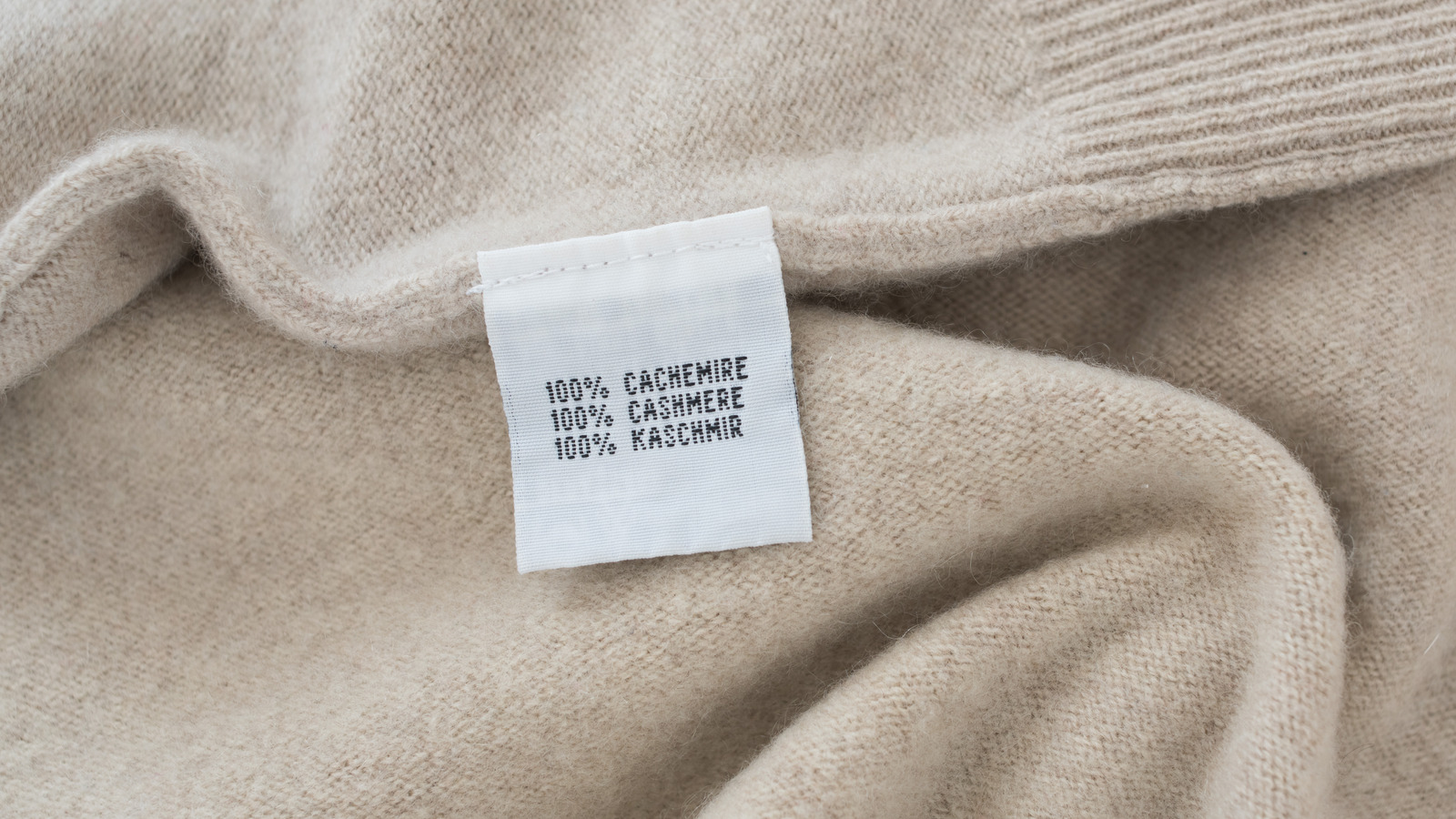
Check the label. Look for “100% cashmere” with a country of origin. Vague labels like “cashmere blend” offer no guarantee of quality or quantity.
Research the brand. Established heritage brands with transparent sourcing are a safer investment than unknown labels with suspiciously low prices.
Cashmere Care Tips to Protect Your Investment
Proper care extends the life of cashmere dramatically and justifies the original purchase price.
Hand wash in cold water with a gentle wool wash. Avoid machine washing unless the label specifically allows it.
Never wring or twist. Lay flat to dry on a clean towel. Hanging causes the fabric to stretch permanently.
Store folded, not hung. Hangers distort the shape of cashmere knitwear over time.
Use a cashmere comb to gently remove pilling. Pilling is natural and does not mean the garment is low quality — it can be maintained.
Keep in a breathable cotton bag during off-season storage. Cedar blocks deter moths naturally without the harshness of chemical repellents.
Cashmere Price Ranges in 2026
| Product Type | Budget Range | Mid-Range | Luxury Range |
|---|---|---|---|
| Cashmere Scarf | $40–$80 | $100–$250 | $300–$800 |
| Cashmere Sweater | $50–$120 | $200–$500 | $600–$2,000+ |
| Cashmere Cardigan | $60–$150 | $250–$600 | $700–$2,500+ |
| Cashmere Coat | $150–$400 | $500–$1,200 | $1,500–$5,000+ |
| Cashmere Blanket | $100–$250 | $350–$800 | $1,000–$3,000+ |
Budget options may be blends or lower grades. Mid-range often offers genuine quality at accessible prices. Luxury pricing reflects Grade A fiber, heritage craftsmanship, and brand positioning.
Frequently Asked Questions (FAQs)
Why does cashmere cost so much compared to regular wool?
Cashmere is 200 times rarer than sheep’s wool, requires hand-combing once a year, and takes 4–6 goats’ annual yield just to make one sweater — all of which drive the price far above regular wool.
How many goats does it take to make one cashmere sweater?
It takes fiber from 4 to 6 goats to produce a single lightweight cashmere sweater, since each goat yields only 150–250 grams of usable fiber per year.
Is expensive cashmere actually better than cheap cashmere?
Yes, in most cases. Higher-priced cashmere typically uses Grade A fiber with finer micron counts, longer fiber lengths, and more careful processing, which results in a softer, more durable garment.
What is the difference between Grade A and Grade C cashmere?
Grade A cashmere measures 14–15.5 microns and feels silky soft, while Grade C can exceed 30 microns and may feel itchy — both are technically cashmere, but the quality difference is significant.
Why is Mongolian cashmere more common than Himalayan cashmere?
Mongolia produces over 40% of the world’s cashmere supply at scale, making it more commercially available. Himalayan cashmere is rarer, finer, and commands higher prices.
Can you wash cashmere at home?
Yes, by hand in cold water with a gentle wool detergent. Lay it flat to dry. Avoid machine washing, wringing, or tumble drying as these damage the delicate fibers.
Does cashmere pill and is that a quality defect?
Light pilling is natural and does not indicate poor quality in genuine cashmere. It can be removed with a cashmere comb. Excessive pilling early on suggests shorter, lower-grade fibers.
What is the difference between cashmere and pashmina?
Pashmina refers specifically to the finest cashmere from Himalayan goats, often under 16 microns. All pashmina is cashmere, but not all cashmere is pashmina — the term indicates a higher-grade, geographically specific fiber.
Is cashmere ethical and sustainable?
It depends on sourcing. Cashmere is biodegradable and renewable, but overgrazing has damaged Mongolian pastureland. Ethical and sustainable cashmere brands use regenerative farming, fair-trade practices, and traceable supply chains.
How long does quality cashmere last?
A well-made, Grade A cashmere garment, cared for properly, can last 20–30 years. This makes it one of the most cost-effective luxury investments on a cost-per-wear basis.
Conclusion
Cashmere is so expensive because everything about it defies industrial production.
It comes from a rare goat, in extreme climates, producing a tiny amount of fiber once a year, which must be collected and sorted entirely by hand. The fiber itself is a biological marvel — extraordinarily fine, lightweight, and 8 times warmer than regular wool.
In 2026, global demand continues to rise while supply remains permanently constrained by nature.
Whether you are buying your first cashmere piece or building a lasting wardrobe, understanding the true cost of cashmere helps you invest wisely, identify quality, and care for it in a way that makes every penny worth it.