Why is Mounjaro Better Than Ozempic? What Studies Say 2026
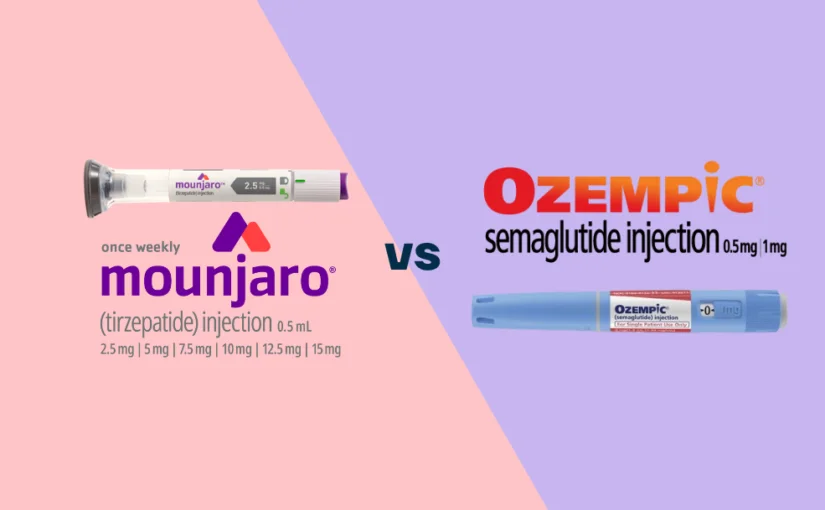
Why is Mounjaro better than Ozempic is one of the most searched questions in diabetes and weight loss care right now — and the clinical evidence gives a clear, data-backed answer.
Mounjaro (tirzepatide) works on two hormone receptors instead of one, producing greater weight loss, stronger blood sugar control, and superior A1C reductions in every major head-to-head trial published to date. But the full picture is more nuanced than a simple winner-takes-all verdict.
What Are Mounjaro and Ozempic?
Before comparing the two drugs, it helps to understand what each one is and how it was developed.
Mounjaro (Tirzepatide)
Mounjaro is the brand name for tirzepatide, manufactured by Eli Lilly. The FDA approved it in May 2022 for blood sugar management in adults with type 2 diabetes. Tirzepatide is also sold under the brand name Zepbound, which received FDA approval for chronic weight management in November 2023.
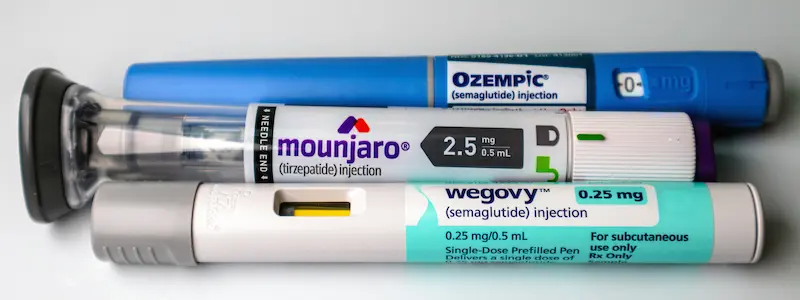
Mounjaro is injected once weekly. Available doses are 2.5 mg, 5 mg, 7.5 mg, 10 mg, 12.5 mg, and 15 mg. Treatment typically starts at 2.5 mg and escalates every four weeks.
Ozempic (Semaglutide)
Ozempic is the brand name for semaglutide, manufactured by Novo Nordisk. The FDA approved it in December 2017 for type 2 diabetes management. The same active ingredient is sold as Wegovy for weight loss and as Rybelsus, an oral daily tablet for diabetes.
Ozempic is also injected once weekly. Available doses are 0.25 mg, 0.5 mg, 1 mg, and 2 mg. It also carries additional FDA approvals for reducing the risk of major cardiovascular events and — since 2025 — for slowing the progression of kidney disease in patients with type 2 diabetes and chronic kidney disease.
The Core Difference: One Receptor vs. Two
The single most important reason why Mounjaro outperforms Ozempic in clinical trials is its mechanism of action.
How Ozempic Works
Ozempic is a GLP-1 receptor agonist. GLP-1 (glucagon-like peptide-1) is a naturally occurring gut hormone that is released after eating. It stimulates insulin secretion, suppresses glucagon release, slows gastric emptying, and signals the brain to reduce hunger.
Ozempic mimics this hormone, binding exclusively to GLP-1 receptors. The result is improved blood sugar control and reduced appetite — both clinically meaningful effects.
How Mounjaro Works
Mounjaro is a dual GIP/GLP-1 receptor agonist. In addition to activating GLP-1 receptors, it also targets GIP (glucose-dependent insulinotropic polypeptide) receptors. GIP is another gut hormone that further boosts insulin secretion and may improve how fat cells store and release energy.
This twin-targeting approach is what makes Mounjaro the first of its kind in diabetes pharmacology. Activating both receptors creates a synergistic hormonal effect that is more powerful than either pathway alone.
Why the Dual Mechanism Matters
The GIP pathway appears to amplify the weight loss signal beyond what GLP-1 can achieve on its own. Research published in Nature Reviews Endocrinology in December 2025 confirmed that patients on tirzepatide achieved approximately 6% greater weight loss than those on semaglutide and were more likely to reach 10%, 15%, and 20% body weight reduction thresholds.
Patients taking Mounjaro are 3.2 times more likely to achieve 15% weight loss compared to Ozempic users, according to data from the JAMA Internal Medicine analysis published in July 2024.
Head-to-Head Clinical Trial Results
Multiple large clinical trials and real-world studies now allow a direct, evidence-based comparison. These are the most important data sets.
SURPASS-2 Trial (Type 2 Diabetes, Head-to-Head)
SURPASS-2 was a Phase 3, 40-week randomized controlled trial with over 1,870 participants. It directly compared Mounjaro to Ozempic in adults with type 2 diabetes who were not well controlled on metformin alone.
Key findings from SURPASS-2:
| Outcome Measured | Mounjaro 5 mg | Mounjaro 10 mg | Mounjaro 15 mg | Ozempic 1 mg |
|---|---|---|---|---|
| A1C Reduction | 2.01% | 2.24% | 2.30% | 1.86% |
| Average Weight Lost | 17 lbs | 21 lbs | 25 lbs | 13 lbs |
| Patients Reaching A1C Below 7% | 82% | 86% | 86% | 79% |
Every dose of Mounjaro outperformed Ozempic on both A1C reduction and weight loss.
JAMA Internal Medicine Real-World Study (July 2024)
This landmark study analyzed 41,222 adults with overweight or obesity treated for type 2 diabetes using electronic health records. It directly compared tirzepatide to semaglutide in a real-world clinical setting over 12 months.
Key findings:
- 81.8% of patients on Mounjaro lost at least 5% of body weight within one year
- 66.5% of patients on Ozempic achieved the same 5% threshold
- The absolute difference in weight loss at 12 months was 6.9%, favoring Mounjaro
- Mounjaro achieved 15.3% average weight loss vs 8.3% for Ozempic at 12 months
SURMOUNT-5 Trial (Published in NEJM, May 2025)
SURMOUNT-5 was the definitive Phase 3b head-to-head trial comparing Zepbound (tirzepatide) to Wegovy (semaglutide) — the weight loss branded versions of Mounjaro and Ozempic respectively. The study enrolled 751 adults with obesity but without type 2 diabetes over 72 weeks.
Key findings from SURMOUNT-5:
- Tirzepatide group lost an average of 20.2% of body weight
- Semaglutide group lost an average of 13.7% of body weight
- Tirzepatide users achieved 47% greater relative weight loss by week 72
- Tirzepatide was more likely to help patients reach 20%+ body weight reduction
This study is the most definitive direct comparison published to date and strongly confirms tirzepatide’s superiority for weight loss.
Blood Sugar (A1C) Control Compared
For people with type 2 diabetes, A1C reduction is the primary therapeutic goal. A lower A1C means lower average blood glucose over the past two to three months and reduced risk of long-term complications like nerve damage, kidney failure, and vision loss.
Mounjaro’s A1C Advantage
In clinical trials, Mounjaro at its maximum 15 mg dose reduced A1C by up to 2.30% from baseline. Ozempic at the 2 mg dose — the highest approved dose — achieved a maximum reduction of approximately 2.1%. The higher the dose of Mounjaro, the larger the A1C reduction observed.
For patients who need to achieve aggressive A1C targets, Mounjaro’s dual mechanism provides a meaningful clinical advantage. Research from BODYWELLE summarizing pivotal trial data notes Mounjaro showed the largest A1C reductions of any GLP-1 or GIP-based therapy studied to date.
When Both Drugs Are Close
In patients who need modest A1C reductions from near-target starting levels, the clinical difference between the two drugs narrows. Both drugs are highly effective at lowering A1C. The gap widens most noticeably in patients with high baseline A1C levels and significant insulin resistance.
Weight Loss Results: The Numbers at a Glance
This table consolidates the major weight loss data from all key studies comparing Mounjaro and Ozempic.
| Study / Source | Mounjaro Weight Loss | Ozempic Weight Loss | Advantage |
|---|---|---|---|
| SURPASS-2 (40 weeks, T2D) | 17–25 lbs (dose dependent) | 13 lbs | Mounjaro |
| JAMA Internal Medicine 2024 (real world, 12 months) | 15.3% body weight | 8.3% body weight | Mounjaro |
| SURMOUNT-5 (72 weeks, obesity, NEJM 2025) | 20.2% body weight | 13.7% body weight | Mounjaro |
| Patients losing ≥5% in one year (EHR study) | 81.8% | 66.5% | Mounjaro |
| Patients 3.2x more likely to reach 15% loss | Yes | Reference group | Mounjaro |
Across every major study, Mounjaro produces greater weight loss. The advantage is consistent and statistically significant, not a statistical anomaly.
Side Effects: How the Two Drugs Compare
Both medications belong to the same drug class and produce similar categories of side effects. However, the incidence and severity profiles differ in some important ways.
Shared Side Effects
The most common side effects of both Mounjaro and Ozempic are gastrointestinal in nature. They include nausea, vomiting, diarrhea, constipation, abdominal pain, and decreased appetite. These effects are most pronounced when starting the medication or increasing the dose and typically diminish over weeks as the body adjusts.
Both drugs carry a boxed warning about a potential risk of thyroid C-cell tumors observed in animal studies. Neither should be used by people with a personal or family history of medullary thyroid carcinoma (MTC) or in patients with Multiple Endocrine Neoplasia syndrome type 2 (MEN 2).
Where Side Effect Profiles Differ
| Side Effect | Mounjaro | Ozempic |
|---|---|---|
| Nausea | Common (reported in 12–18%) | More common (reported in 16–20%) |
| Vomiting | ~5% | ~5% |
| Diarrhea | More common (12–17%) | Less common |
| Constipation | Reported | Reported |
| Injection site reactions | Mild, occasional | Mild, occasional |
| Severity of GI effects overall | Potentially more intense | Generally well tolerated |
Ozempic tends to cause more nausea, while Mounjaro is associated with a higher incidence of diarrhea. In the SURPASS-2 trial, the overall side effect profiles were not significantly different between the two drugs at comparable doses, though individual tolerance varies widely.
Serious but Rare Risks
Both drugs are associated with rare cases of pancreatitis, gallbladder disease (including gallstones), and hypoglycemia particularly when combined with insulin or sulfonylureas. Neither drug is recommended during pregnancy. Both should be discontinued at least two months before a planned pregnancy.
Where Ozempic Still Has an Edge
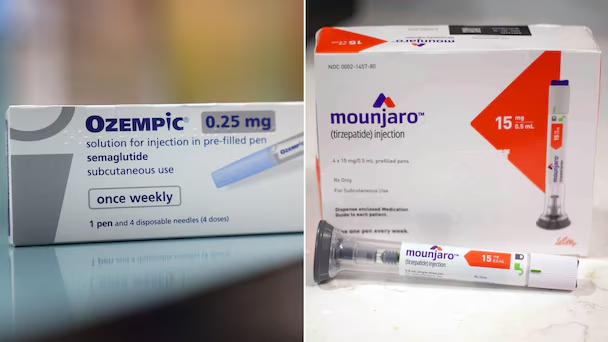
Despite Mounjaro’s superior weight loss and A1C data, Ozempic holds clear advantages in specific clinical situations.
Proven Cardiovascular Benefits
The SELECT trial demonstrated that semaglutide reduced the risk of major adverse cardiovascular events — heart attack, stroke, and cardiovascular death — by 20% in overweight and obese adults with established cardiovascular disease. This result led to an FDA approval in March 2024 specifically for cardiovascular risk reduction.
Mounjaro’s cardiovascular data (SURPASS-CVOT) showed it was non-inferior to dulaglutide but does not yet carry an FDA indication for cardiovascular risk reduction in the same way Ozempic does. Cardiovascular outcomes trials for tirzepatide in patients without type 2 diabetes are still ongoing as of 2026.
For patients with a history of heart attack, stroke, or established coronary artery disease, many cardiologists currently lean toward semaglutide because of this specific FDA-backed evidence base.
Kidney Protection Approval
In 2025, the FDA approved Ozempic to reduce the risk of worsening kidney disease and cardiovascular death in adults with type 2 diabetes and chronic kidney disease. This is a specific indication backed by clinical trial data that Mounjaro does not yet share.
For patients with both type 2 diabetes and chronic kidney disease, Ozempic’s nephroprotective indication makes it the medically preferred choice until equivalent Mounjaro data exists.
Oral Option Available
Semaglutide is available as Rybelsus, a once-daily oral tablet for type 2 diabetes management. Tirzepatide is currently only available as a weekly injection. For patients with needle phobia or strong preference for a non-injectable option, semaglutide offers a path that tirzepatide cannot.
Drug Approval and Labeling: Key Facts
| Feature | Mounjaro (Tirzepatide) | Ozempic (Semaglutide) |
|---|---|---|
| Manufacturer | Eli Lilly | Novo Nordisk |
| FDA Approval (Diabetes) | May 2022 | December 2017 |
| Active Ingredient | Tirzepatide | Semaglutide |
| Mechanism | Dual GLP-1 + GIP agonist | GLP-1 agonist only |
| Weight Loss Brand | Zepbound (FDA approved 2023) | Wegovy (FDA approved 2021) |
| Oral Form Available | No | Yes (Rybelsus) |
| Cardiovascular Indication | Not yet approved | FDA approved (SELECT trial) |
| Kidney Disease Indication | Not yet approved | FDA approved (2025) |
| Weekly Injection | Yes | Yes |
| Approved Age Range | 10 years and older (diabetes) | Adults only |
Dosage Comparison
Both medications use a gradual dose escalation strategy to minimize side effects. Starting low and titrating up over months is standard practice with both drugs.
| Dose Stage | Mounjaro (Tirzepatide) | Ozempic (Semaglutide) |
|---|---|---|
| Starting Dose | 2.5 mg weekly | 0.25 mg weekly |
| Escalation Interval | Every 4 weeks | Every 4 weeks |
| Intermediate Doses | 5 mg, 7.5 mg, 10 mg, 12.5 mg | 0.5 mg, 1 mg |
| Maximum Dose | 15 mg weekly | 2 mg weekly |
| Dose Forms | Prefilled auto-injector pen | Prefilled pen |
Cost and Insurance: What You Will Actually Pay
Price is a significant barrier for both medications, and the difference between list price and actual out-of-pocket cost can be enormous depending on your insurance coverage and eligibility for manufacturer savings programs.
List Prices in 2026
The average retail list price for a 28-day supply of Mounjaro is approximately $1,112–$1,493 depending on dose and pharmacy. Ozempic’s retail list price is approximately $1,027–$1,384 per fill. Neither medication is cheap at full price.
Manufacturer Savings Programs
Eli Lilly’s savings program for Mounjaro can reduce costs to as low as $25 per fill for eligible commercially insured patients. Novo Nordisk offers a similar program for Ozempic, also with $25 per fill options for qualifying patients. Both companies offer patient assistance programs for uninsured patients who meet income requirements.
Insurance Coverage Realities
Insurance coverage for both drugs is most straightforward when prescribed for type 2 diabetes. Coverage for weight loss is more variable and often requires prior authorization, proof of body mass index above 30, and documentation of at least one weight-related comorbidity. Most state Medicaid programs do not cover either drug for weight loss alone.
For patients using Medicare, the 2026 out-of-pocket cap of $2,100 under Medicare Part D provides meaningful protection against catastrophic drug costs. A Medicare GLP-1 Bridge program announced effective July 1, 2026 may further expand access.
Compounding Pharmacies
Some patients obtain compounded versions of semaglutide or tirzepatide at significantly lower cost through compounding pharmacies. However, compounded drugs are not FDA-approved, and their safety, sterility, and potency are not guaranteed. Both Eli Lilly and Novo Nordisk have actively discouraged the use of compounded alternatives.
Who Should Choose Mounjaro?
Based on the current clinical evidence, Mounjaro is likely the better choice for several patient profiles.
Patients Prioritizing Maximum Weight Loss
If your primary goal is losing the most body weight possible, Mounjaro’s SURMOUNT-5 data showing 20.2% body weight loss at 72 weeks compared to 13.7% for semaglutide makes a compelling case. The gap is clinically meaningful and consistently reproduced across multiple studies.
Patients with Poorly Controlled Blood Sugar
If your A1C is significantly above target and you need aggressive glycemic reduction, Mounjaro’s maximum dose achieves A1C reductions of up to 2.30% compared to around 1.86–2.1% for Ozempic. For patients starting with A1C values above 9%, this difference can matter considerably.
Patients Who Have Tried Ozempic Without Enough Results
Real-world practice shows that some patients who plateau on semaglutide respond well to tirzepatide. The dual mechanism accesses a different hormonal pathway that may be more effective for patients who are partial non-responders to GLP-1 agonism alone.
Who Should Choose Ozempic?
Ozempic remains the preferred or equally appropriate choice for specific patient groups.
Patients With Established Heart Disease
If you have a history of heart attack, stroke, peripheral artery disease, or established coronary artery disease, Ozempic’s FDA-approved cardiovascular indication — backed by the SELECT trial’s 20% event reduction — currently gives it a specific clinical advantage.
Patients With Chronic Kidney Disease
For patients with both type 2 diabetes and chronic kidney disease, Ozempic’s 2025 FDA approval for slowing kidney disease progression makes it the evidence-backed standard of care until Mounjaro obtains equivalent data.
Patients Who Prefer or Need an Oral Medication
If injections are not tolerable or feasible, semaglutide’s oral formulation Rybelsus provides an option that tirzepatide cannot currently match.
Patients Responding Well on Ozempic Already
If you are already achieving A1C targets and satisfactory weight loss on Ozempic without significant side effects, there is no clinical reason to switch. Stability and tolerability matter as much as theoretical superiority.
Frequently Asked Questions (FAQs)
Why is Mounjaro better than Ozempic for weight loss?
Mounjaro activates both GLP-1 and GIP receptors while Ozempic targets only GLP-1, producing a stronger hormonal effect. In SURMOUNT-5, patients on Mounjaro lost 20.2% of body weight versus 13.7% on Ozempic over 72 weeks.
Is Mounjaro more effective than Ozempic for blood sugar control?
Yes. In the SURPASS-2 trial, Mounjaro reduced A1C by up to 2.30% compared to 1.86% for Ozempic, with every tested dose of Mounjaro outperforming the semaglutide comparator.
Does Mounjaro have worse side effects than Ozempic?
Both drugs cause similar GI side effects including nausea, vomiting, and diarrhea. Ozempic tends to cause more nausea while Mounjaro is associated with slightly more diarrhea, but overall tolerability is comparable.
Is Ozempic better than Mounjaro for heart health?
Currently yes. Ozempic holds an FDA approval to reduce major cardiovascular events backed by the SELECT trial. Mounjaro’s heart benefits are being studied but this specific indication is not yet approved as of 2026.
Which drug is FDA approved for weight loss — Mounjaro or Ozempic?
Neither Mounjaro nor Ozempic is directly approved for weight loss. Their weight-loss-approved counterparts are Zepbound (tirzepatide) and Wegovy (semaglutide), respectively, which are the same active ingredients at different dosing.
How much more weight can I lose on Mounjaro vs Ozempic?
Real-world data shows Mounjaro users lose approximately 6.9% more body weight at 12 months than Ozempic users. In the SURMOUNT-5 trial over 72 weeks, the gap was 6.5 percentage points (20.2% vs 13.7%).
Can I switch from Ozempic to Mounjaro?
Yes, switching is possible under medical supervision, but the two drugs are not interchangeable dose-for-dose. Your doctor will determine the appropriate starting dose and escalation schedule for your health profile.
Is Mounjaro or Ozempic covered by insurance?
Both may be covered for type 2 diabetes management, though coverage requires prior authorization at most plans. Coverage for weight loss alone is far less common and varies significantly by insurer and state.
Which drug is cheaper — Mounjaro or Ozempic?
Ozempic has a slightly lower list price ($1,027 vs $1,112 per fill in 2026). Both offer manufacturer savings programs that can reduce costs to $25/month for eligible commercially insured patients.
Should I take Mounjaro or Ozempic for type 2 diabetes?
If your primary goals are maximum weight loss and aggressive A1C reduction, Mounjaro is generally more effective. If you have established cardiovascular disease or chronic kidney disease, Ozempic’s specific FDA indications for those conditions make it the recommended choice.
Conclusion
Why is Mounjaro better than Ozempic comes down to one core pharmacological fact: tirzepatide activates two hormone receptors while semaglutide activates one.
That dual GIP and GLP-1 mechanism consistently produces greater weight loss, stronger A1C reductions, and broader metabolic improvements in every major head-to-head trial published through 2026.
The SURMOUNT-5 study published in the New England Journal of Medicine confirmed a 47% greater relative weight loss with tirzepatide over semaglutide.
For most patients prioritizing weight and blood sugar outcomes, Mounjaro is the more powerful drug.
However, Ozempic retains meaningful advantages — particularly its FDA-approved indications for cardiovascular risk reduction and kidney disease progression — that make it the better choice for specific patient profiles.
The right medication is always the one your doctor recommends based on your full clinical picture, not just headline trial results.