Why Is My Dog Coughing After Drinking Water? 2026
Why is my dog coughing after drinking water is one of the most common pet health questions dog owners search for in 2026, and it deserves a thorough, vet-informed answer.
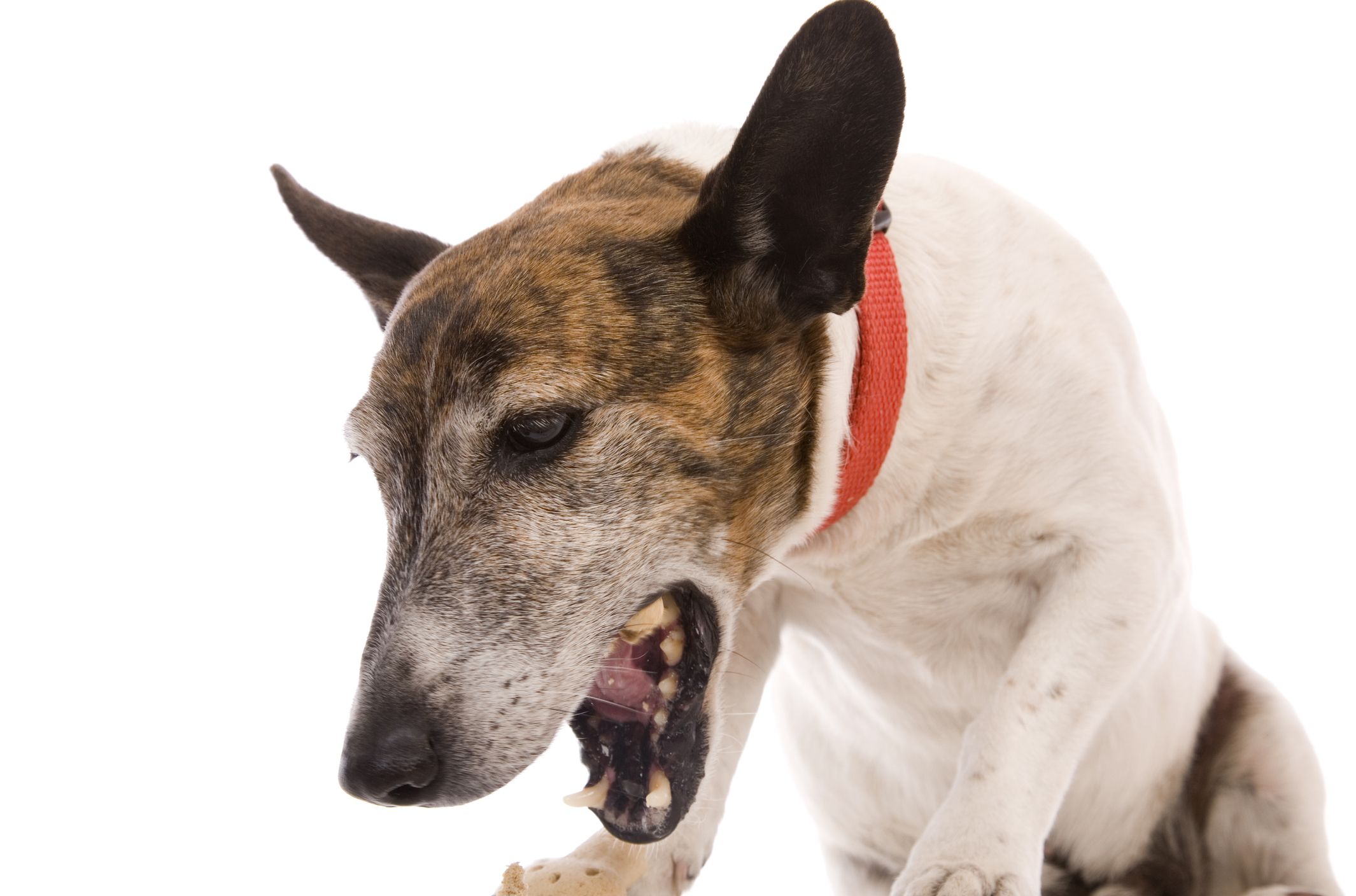
A single cough after drinking is usually harmless — it is your dog’s cough reflex clearing a small amount of water that went the wrong way.
But when the coughing is frequent, persistent, or getting worse over time, it can signal a serious underlying condition like tracheal collapse, kennel cough, laryngeal paralysis, megaesophagus, or heart disease.
Knowing the difference between a harmless reflex and a medical red flag could save your dog’s life.
How a Dog’s Airway Works During Drinking
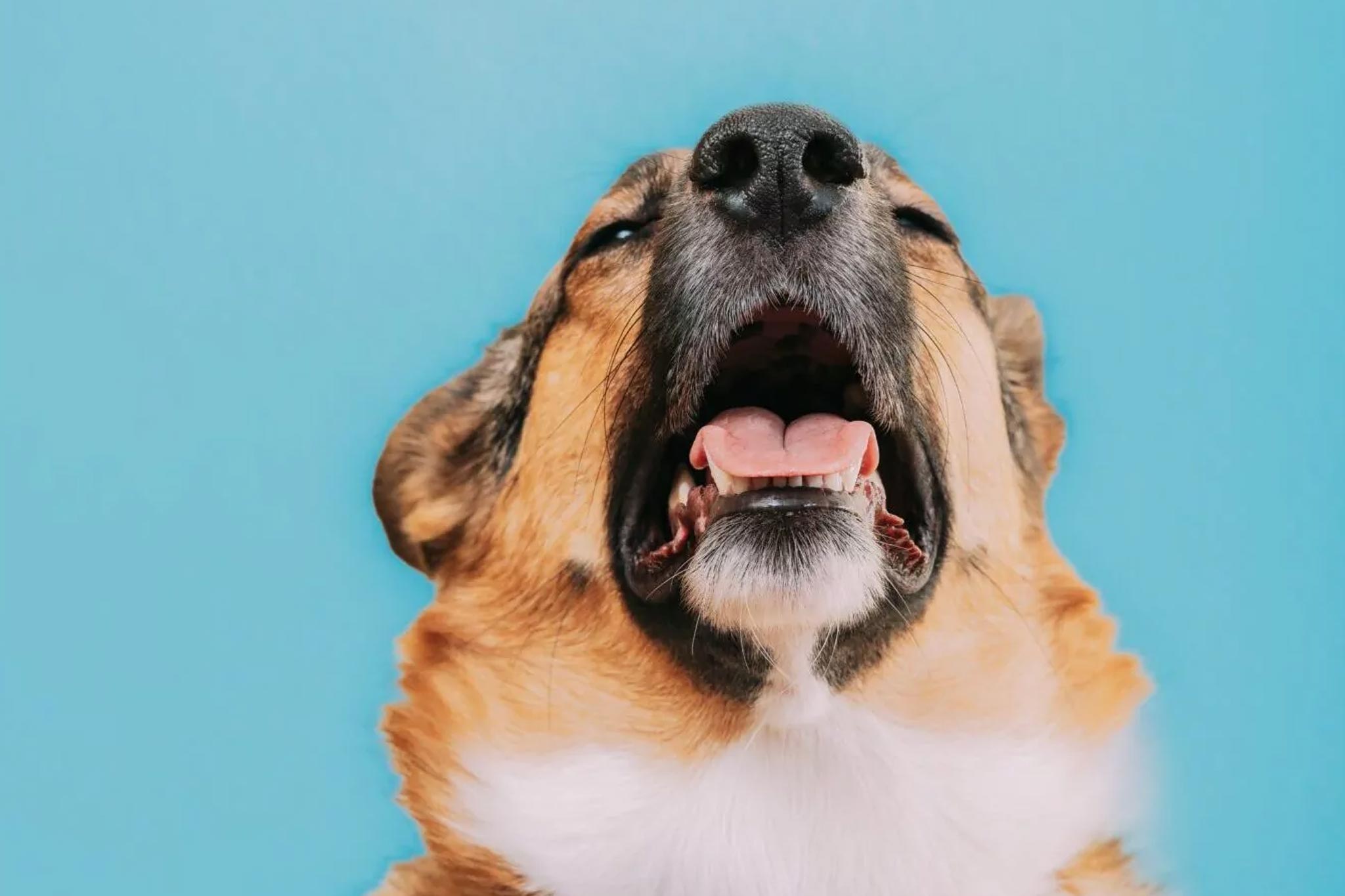
Before diving into the causes, it helps to understand why dogs cough after drinking water at all.
When a dog swallows, a small flap of cartilage called the epiglottis folds down to cover the trachea (windpipe), directing water and food into the esophagus and toward the stomach. When this process works correctly, not a drop enters the airway.
When the epiglottis does not close fast enough — due to drinking speed, anatomy, illness, or nerve damage — water slips into the trachea. The cough reflex fires immediately to clear the airway. This is exactly the same mechanism that makes humans cough when water goes down the wrong pipe.
The concern is not the occasional cough. The concern is when it happens consistently, forcefully, or alongside other symptoms.
Is It Normal for Dogs to Cough After Drinking Water?
Yes and no. A single, brief cough after drinking — especially if the dog was drinking quickly or had just exercised — is completely normal in most healthy dogs.
What is not normal is persistent coughing after every drink, a hacking or honking sound that gets louder over time, coughing combined with gagging, retching, or nasal discharge, or any signs of breathing difficulty after drinking.
The frequency, intensity, and combination of symptoms are what separate a harmless reflex from a veterinary emergency.
Cause 1: Drinking Too Fast
This is the single most common reason why a dog coughs after drinking water, and it is almost always harmless.
When a dog gulps water rapidly, air and water enter the throat together. The epiglottis cannot respond quickly enough to seal the trachea completely. A small amount of water reaches the upper airway and triggers an immediate cough.
This is especially common in young dogs, athletic dogs after exercise, dogs in hot weather, and dogs that compete with other household pets for water access.
Fix it: Use a slow-feeder water bowl, a wide shallow bowl, or a water fountain designed to slow the drinking pace. These simple changes resolve drinking-speed coughs in most cases within days.
Cause 2: Kennel Cough (Infectious Tracheobronchitis)
Kennel cough is a highly contagious respiratory infection caused by a combination of pathogens, most commonly Bordetella bronchiseptica bacteria and canine parainfluenza virus.
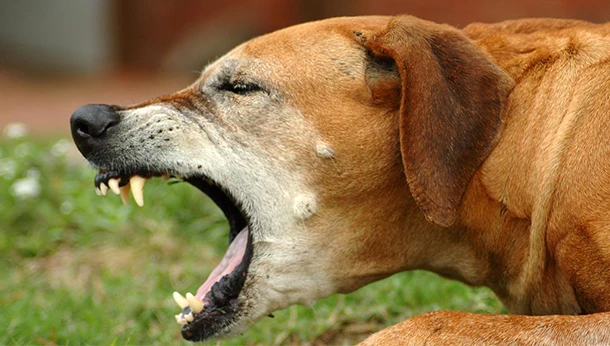
A dog with kennel cough has an already-inflamed, irritated trachea. When cold or cool water contacts that inflamed tissue, it triggers a loud, harsh, honking cough. Kennel cough is often described as sounding like a goose honk.
The cough from kennel cough typically worsens after drinking water, exercise, or pulling on a leash. Other signs include a runny nose, mild lethargy, and occasional retching after coughing fits.
Most healthy adult dogs recover from kennel cough in 1 to 2 weeks without treatment. Puppies, senior dogs, and immunocompromised dogs need veterinary care promptly.
Common signs of kennel cough:
| Sign | Description |
|---|---|
| Sound | Loud, harsh, honking cough |
| Trigger | Worsens after drinking water or exercise |
| Nasal discharge | Clear to white mucus |
| Behavior | Usually still eating and active |
| Duration | 1 – 3 weeks in healthy adults |
| Contagion | Highly contagious to other dogs |
Cause 3: Tracheal Collapse
Tracheal collapse is a structural condition where the cartilage rings that support the trachea weaken and cause the airway to partially flatten or collapse during breathing or swallowing.
This condition is most common in small and toy breeds. Dogs affected include Yorkshire Terriers, Chihuahuas, Pomeranians, Pugs, Shih Tzus, and Maltese. It typically becomes noticeable in middle age or later and tends to worsen progressively over time.
When a dog with tracheal collapse drinks water, the swallowing motion and the pressure of water passing through the narrowed airway can trigger a dry, honking cough. The cough often sounds different from kennel cough — it has a distinct mechanical quality sometimes described as a goose honk.
According to Today’s Veterinary Practice, tracheal collapse is one of the most common causes of chronic cough in small breed dogs and often coexists with other airway issues like chronic bronchitis or mainstem collapse.
Signs that suggest tracheal collapse:
- Honking cough that worsens after drinking, excitement, or exercise
- Breathing difficulty in warm weather or during activity
- Blue-tinged gums in severe episodes
- Cough triggered by gentle pressure on the throat
- History of small or toy breed parentage
Mild to moderate tracheal collapse is managed with cough suppressants, anti-inflammatories, weight management, and avoiding collar pressure. Severe cases may require tracheal stent surgery.
Cause 4: Laryngeal Paralysis
Laryngeal paralysis is a condition where the nerves and muscles controlling the larynx (voice box) stop functioning correctly. The laryngeal cartilages fail to open properly during inhalation, partially blocking the airway.
According to VCA Animal Hospitals, the most common form in dogs is acquired laryngeal paralysis, most often seen as part of a degenerative neurological condition called Geriatric Onset Laryngeal Paralysis and Polyneuropathy (GOLPP). This primarily affects large and giant breeds in their senior years.
Breeds most commonly affected include Labrador Retrievers, Golden Retrievers, St. Bernards, and Irish Setters.
When a dog with laryngeal paralysis drinks water, the compromised larynx may spasm or fail to protect the airway adequately. This causes coughing, gagging, and sometimes aspiration of water into the lungs.
A study cited by PawSafe found that 19% of dogs presenting with a cough had laryngeal paralysis or weakness of the laryngeal muscles as the underlying cause.
Signs suggesting laryngeal paralysis:
- Changes in bark tone (hoarser or weaker)
- High-pitched wheezing sound during inhalation (inspiratory stridor)
- Coughing and gagging when drinking or eating
- Exercise intolerance, especially in warm weather
- Hind leg weakness in advanced GOLPP cases
Treatment typically involves surgical correction called a laryngeal tie-back (arytenoid lateralization), which permanently opens one side of the airway.
Cause 5: Megaesophagus
Megaesophagus is a condition where the esophagus becomes abnormally dilated and loses the muscular motility needed to move food and water down toward the stomach.
Instead of being pushed forward efficiently, food and water pool in the enlarged esophagus. This leads to regurgitation, aspiration of fluid into the trachea, and coughing. Dogs with megaesophagus often cough immediately after or during drinking as water backs up and spills into the airway.
Megaesophagus can be congenital (present from birth) or acquired, and it is associated with neuromuscular diseases, hypothyroidism, Addison’s disease, myasthenia gravis, and GOLPP.
According to VCA Animal Hospitals, dogs with GOLPP are approximately 21 times more likely to develop megaesophagus than dogs without the condition.
Management of megaesophagus:
| Management Strategy | Purpose |
|---|---|
| Bailey chair feeding (upright position) | Uses gravity to help food reach the stomach |
| Small, frequent meals | Reduces volume pooling in esophagus |
| Raised water bowl | Assists flow toward stomach |
| Soft or liquid food consistency | Easier to move through esophagus |
| Regular monitoring for aspiration pneumonia | Early detection of the most dangerous complication |
Cause 6: Aspiration Pneumonia
Aspiration pneumonia is one of the most serious complications associated with a dog that repeatedly coughs after drinking water. It occurs when water, food, or regurgitated material is inhaled into the lungs, causing a bacterial infection.
Dogs with megaesophagus, laryngeal paralysis, or any significant swallowing dysfunction are at the highest risk. However, any dog that consistently aspirates water during drinking can develop it over time.
According to the Dallas Veterinary Surgical Center, symptoms of aspiration pneumonia include coughing (often with a wet or gurgling quality), difficulty breathing, lethargy, fever, loss of appetite, and exercise intolerance. Blue or pale gum color indicates a respiratory emergency requiring immediate veterinary care.
Aspiration pneumonia is treated with hospitalization, aggressive antibiotic therapy, oxygen support, and in severe cases, IV fluids. It can be life-threatening if not caught early.
Emergency signs that need immediate vet attention:
- Blue, purple, or pale gum color
- Gasping or labored breathing after drinking
- Wet or gurgling cough that sounds productive
- Collapse or sudden extreme weakness
- Fever above 39.5°C (103.1°F) with coughing
Cause 7: Heart Disease
Dogs with heart disease, particularly congestive heart failure, can develop fluid accumulation in and around the lungs. This fluid buildup causes a cough that is often triggered or worsened by activity, excitement, and drinking water.
This type of coughing is distinct. It tends to be softer and more persistent than the honking cough of tracheal collapse, often occurring at night or after the dog lies down, in addition to after drinking.
Heart disease is more common in middle-aged to older dogs and certain breeds including Cavalier King Charles Spaniels, Doberman Pinschers, Boxers, and small breeds prone to mitral valve disease.
If the cough sounds wet, if your dog has been gaining weight around the belly, or if exercise tolerance has declined alongside the coughing, a cardiac evaluation by your vet is essential.
Cause 8: Brachycephalic Airway Syndrome
Brachycephalic breeds — dogs with flat faces and shortened noses — have anatomically compressed airways that make normal breathing, swallowing, and drinking significantly more challenging.
Affected breeds include Bulldogs, French Bulldogs, Pugs, Boston Terriers, Shih Tzus, Boxers, and Pekingese. Their shortened soft palate, narrow nostrils, and tracheal abnormalities all contribute to a higher likelihood of coughing when drinking water.
Water does not always flow cleanly past the compromised anatomy of a brachycephalic dog’s throat. Even routine drinking can trigger coughing and gagging, especially in hot weather or after activity when breathing is already labored.
Mild cases are managed with environmental modifications. Severe brachycephalic airway syndrome may require surgical correction of the soft palate and nostrils to improve airway function.
Cause 9: Esophageal Irritation or Foreign Body
An irritated esophagus — from acid reflux, repeated vomiting, an ingested foreign object, or a small bone fragment — can make swallowing uncomfortable and trigger coughing when water passes over the irritated tissue.
Foreign bodies lodged in the throat or esophagus are a less common but serious cause of post-drinking coughing. If your dog suddenly started coughing after drinking with no prior history, especially if accompanied by difficulty swallowing, drooling, pawing at the mouth, or loss of appetite, a foreign body must be ruled out.
A veterinary examination including X-rays or endoscopy is the only way to definitively identify or rule out an esophageal foreign body.
Cause 10: Cold Water Triggering Throat Spasms
In some dogs, particularly those already prone to airway sensitivity, very cold water can cause a brief spasm in the throat muscles that triggers a short coughing episode.
This is not a structural or infectious cause — it is a simple physiological reaction to temperature. It is most noticeable in small breeds, senior dogs with reduced muscle tone, and dogs that drink rapidly.
Fix it: Offer room-temperature or slightly cooled water rather than ice-cold water, especially for small breeds or older dogs that cough occasionally when drinking.
Cause 11: Kennel Cough vs Tracheal Collapse vs Heart Disease: How to Tell the Difference
The cough sound itself provides important diagnostic clues, even before visiting a vet.
| Condition | Cough Sound | Main Triggers | Age / Breed Pattern |
|---|---|---|---|
| Drinking too fast | Brief, single cough | Fast drinking only | Any age, any breed |
| Kennel cough | Loud honking, goose-like | Drinking, exercise, leash | Any age, unvaccinated |
| Tracheal collapse | Dry honking, mechanical | Drinking, excitement, heat | Small breeds, middle-age+ |
| Laryngeal paralysis | Gagging, raspy, stridor | Drinking, eating, heat | Large breeds, seniors |
| Megaesophagus | Coughing with regurgitation | Immediately after drinking | Any breed, any age |
| Heart disease | Soft, wet, persistent | Night, lying down, after drinking | Middle-age+, certain breeds |
| Aspiration pneumonia | Wet, gurgling, productive | Throughout the day | Any dog with swallowing issues |
| Brachycephalic syndrome | Snorting, gagging, wet | Eating, drinking, heat | Flat-faced breeds |
Breed-Specific Risks You Should Know
Not all dogs face the same risk level. Breed anatomy and genetics play a major role in how likely a dog is to cough after drinking water.
High-risk small breeds (tracheal collapse): Yorkshire Terriers, Chihuahuas, Pomeranians, Toy Poodles, Shih Tzus, Maltese, Pugs
High-risk large breeds (laryngeal paralysis/GOLPP): Labrador Retrievers, Golden Retrievers, St. Bernards, Irish Setters, Newfoundlands
High-risk flat-faced breeds (brachycephalic syndrome): English Bulldogs, French Bulldogs, Pugs, Boston Terriers, Boxers, Pekingese
High-risk cardiac breeds: Cavalier King Charles Spaniels, Doberman Pinschers, Boxers, Cocker Spaniels
If your dog falls into one of these breed categories and is coughing consistently after drinking, the bar for seeking a vet evaluation should be lower, not higher.
Practical Solutions by Cause
Many cases of dog coughing after drinking water are manageable with simple changes once the cause is identified.
| Cause | Practical Solution |
|---|---|
| Drinking too fast | Use slow-feeder or wide shallow water bowl |
| Cold water sensitivity | Offer room temperature water |
| Bowl height | Lower bowl for small breeds, raise for megaesophagus |
| Kennel cough | Vet visit, rest, vaccination going forward |
| Tracheal collapse | Weight management, harness over collar, cough suppressants |
| Laryngeal paralysis | Surgical consultation with vet |
| Megaesophagus | Bailey chair, upright feeding, soft diet |
| Heart disease | Veterinary cardiac management and medication |
| Brachycephalic syndrome | Surgical correction in moderate to severe cases |
| Aspiration pneumonia | Emergency vet care, antibiotics, hospitalization |
When to See a Vet Immediately
Some coughing episodes after drinking water are genuine emergencies. Do not wait for a scheduled appointment if your dog shows any of the following:
- Gums or tongue are blue, purple, gray, or pale white
- The dog is gasping or visibly struggling to breathe
- Coughing has a wet, gurgling, or productive sound
- Your dog collapsed or became suddenly very weak
- There is visible swelling around the throat or neck
- Coughing has been present for more than 2 weeks
- Your dog is a senior, and the cough has changed in frequency or character
- Coughing is accompanied by fever, significant lethargy, or refusal to eat
Any combination of two or more of these signs is a reason to go to an emergency veterinary clinic immediately.
What a Vet Will Do to Diagnose the Cause
A vet diagnosing why your dog is coughing after drinking water will typically follow a structured evaluation process.
Typical diagnostic steps:
Physical examination: The vet checks the throat, trachea, chest, and lymph nodes. Gentle tracheal palpation that triggers coughing is a classic sign of tracheal collapse.
Chest X-rays: Essential for identifying fluid in the lungs, heart enlargement, tracheal collapse, or pneumonia.
Laryngeal examination under sedation: Required to confirm or rule out laryngeal paralysis.
Barium swallow study: Used when megaesophagus or significant swallowing dysfunction is suspected.
Blood work: Identifies infection, inflammation, hypothyroidism, or other systemic diseases contributing to the cough.
Bronchoscopy: In complex or unresolved cases, a camera is used to visualize the airway directly.
How to Slow Down a Dog That Drinks Too Fast
If fast drinking is the culprit, the fix is simple and inexpensive. These are the most effective tools and techniques:
Slow-feeder water bowls have interior ridges or obstacles that interrupt rapid gulping. They are widely available and effective for most fast drinkers.
Wide, shallow bowls spread the water surface, forcing the dog to lap rather than gulp.
Water fountains with a gentle flow encourage slower, more measured drinking for many dogs.
Ice cubes in the water force the dog to navigate around them, naturally slowing intake.
Multiple smaller bowl refills throughout the day prevent extreme thirst-driven gulping from a single large bowl.
Exercise timing matters. Never let your dog drink a large amount of water immediately after intense exercise. Allow 10 to 15 minutes of rest first.
Living with a Dog That Has a Chronic Cough Condition
For dogs diagnosed with tracheal collapse, laryngeal paralysis, megaesophagus, or heart disease, managing post-drinking cough becomes part of daily life.
Using a harness instead of a collar removes pressure from the trachea and reduces coughing episodes in tracheal collapse cases. Weight management is critical — even mild obesity significantly worsens tracheal collapse and laryngeal paralysis symptoms.
Avoid stressful situations, extreme heat, and overexcitement in dogs with tracheal collapse or laryngeal paralysis. Both conditions worsen rapidly when a dog is overheated or distressed.
Work closely with your vet to establish a monitoring plan. Regular check-ins allow early detection of progression before a manageable condition becomes a crisis.
Frequently Asked Questions (FAQs)
Why is my dog coughing after drinking water every single time?
If your dog coughs after every drink, this is beyond a normal reflex and likely indicates a structural issue such as tracheal collapse, laryngeal paralysis, or megaesophagus — all of which require veterinary evaluation.
Is it dangerous if my dog coughs after drinking water?
Occasional single coughs are harmless, but frequent, persistent, or worsening coughing after drinking can lead to aspiration pneumonia, which is a serious and potentially life-threatening condition.
What breeds are most likely to cough after drinking water?
Small breeds like Yorkshire Terriers and Chihuahuas are prone to tracheal collapse, flat-faced breeds like Pugs face brachycephalic airway issues, and large senior breeds like Labradors are at risk for laryngeal paralysis.
Can kennel cough cause my dog to cough after drinking water?
Yes. Kennel cough inflames the trachea, and cool water contacting that irritated tissue triggers a strong, honking cough. Kennel cough typically resolves in 1 to 3 weeks with rest and sometimes veterinary medication.
How do I stop my dog from coughing after drinking too fast?
Use a slow-feeder water bowl, wide shallow dish, or water fountain. These tools reduce gulping speed and eliminate the cough caused by water entering the airway during rapid drinking.
Could heart disease be why my dog is coughing after drinking water?
Yes. Heart disease can cause fluid accumulation in the lungs, producing a cough that worsens after drinking, exercise, or lying down. A vet cardiac examination including chest X-rays is needed to diagnose this.
When should I take my dog to the vet for coughing after drinking?
Visit a vet if the coughing happens every time your dog drinks, lasts more than 2 weeks, sounds wet or productive, or is accompanied by breathing difficulty, lethargy, blue gums, or weight loss.
What is aspiration pneumonia and how does it relate to drinking water?
Aspiration pneumonia develops when water or fluid is inhaled into the lungs during drinking. It causes a wet, productive cough, fever, and breathing difficulty and requires emergency veterinary hospitalization and antibiotics.
Can I treat my dog’s coughing after drinking at home?
If drinking speed is the cause, yes — a slow-feeder bowl often resolves it. But if the cough is persistent, worsening, or accompanied by other symptoms, home treatment is not sufficient and veterinary diagnosis is essential.
Does cold water make dogs cough more?
Yes, for some dogs. Cold water can trigger brief throat muscle spasms in small breeds, senior dogs, and airway-sensitive dogs. Offering room-temperature water is a simple fix worth trying before investigating more complex causes.
Conclusion
Why is my dog coughing after drinking water is not a question with a single simple answer — it has a spectrum of causes ranging from completely harmless to medically urgent.
A brief cough when your dog drinks too fast is nothing to worry about.
Persistent coughing after every drink, a worsening honking or wet sound, breathing difficulty, or any change in gum color is a reason to act without delay.
The most common causes — drinking speed, kennel cough, tracheal collapse, laryngeal paralysis, and megaesophagus — each have specific diagnostic criteria and treatment paths.
Your job as a dog owner is to observe, track the pattern, and describe it accurately to your vet.
The sooner a cause is identified, the sooner it can be treated, and the better your dog’s quality of life will be. When in doubt, a vet visit is always the right call.