Why Is My Dog Salivating So Much All of a Sudden? Causes 2026
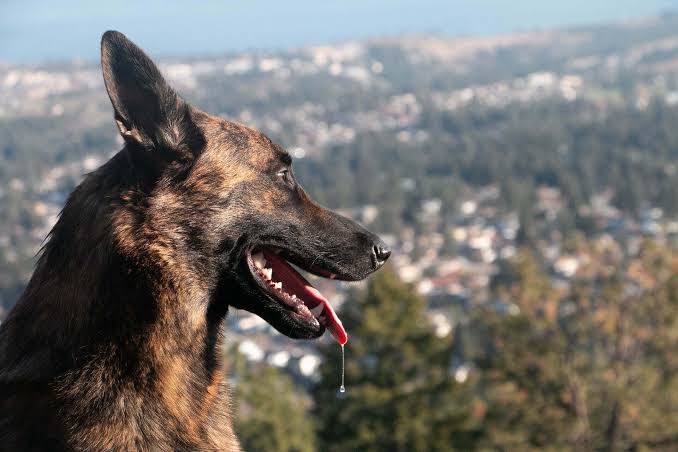
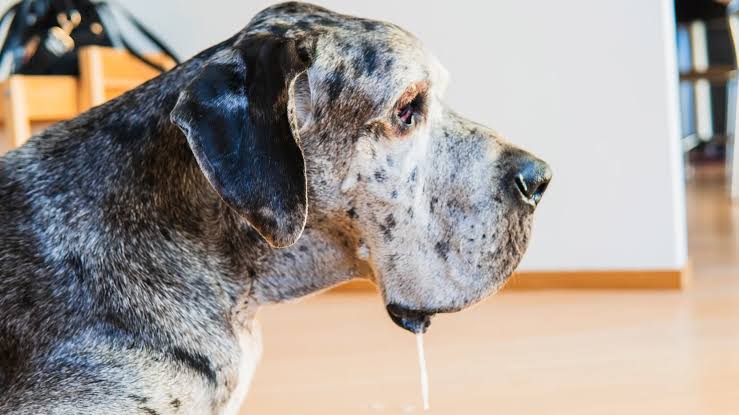
Why is my dog salivating so much all of a sudden? In most cases it’s linked to nausea, food excitement, anxiety, or dental pain, but sometimes it signals a real emergency.
Every dog drools a little, but a sudden jump in saliva is your dog’s way of telling you something has changed.
Why Is My Dog Salivating So Much All of a Sudden?
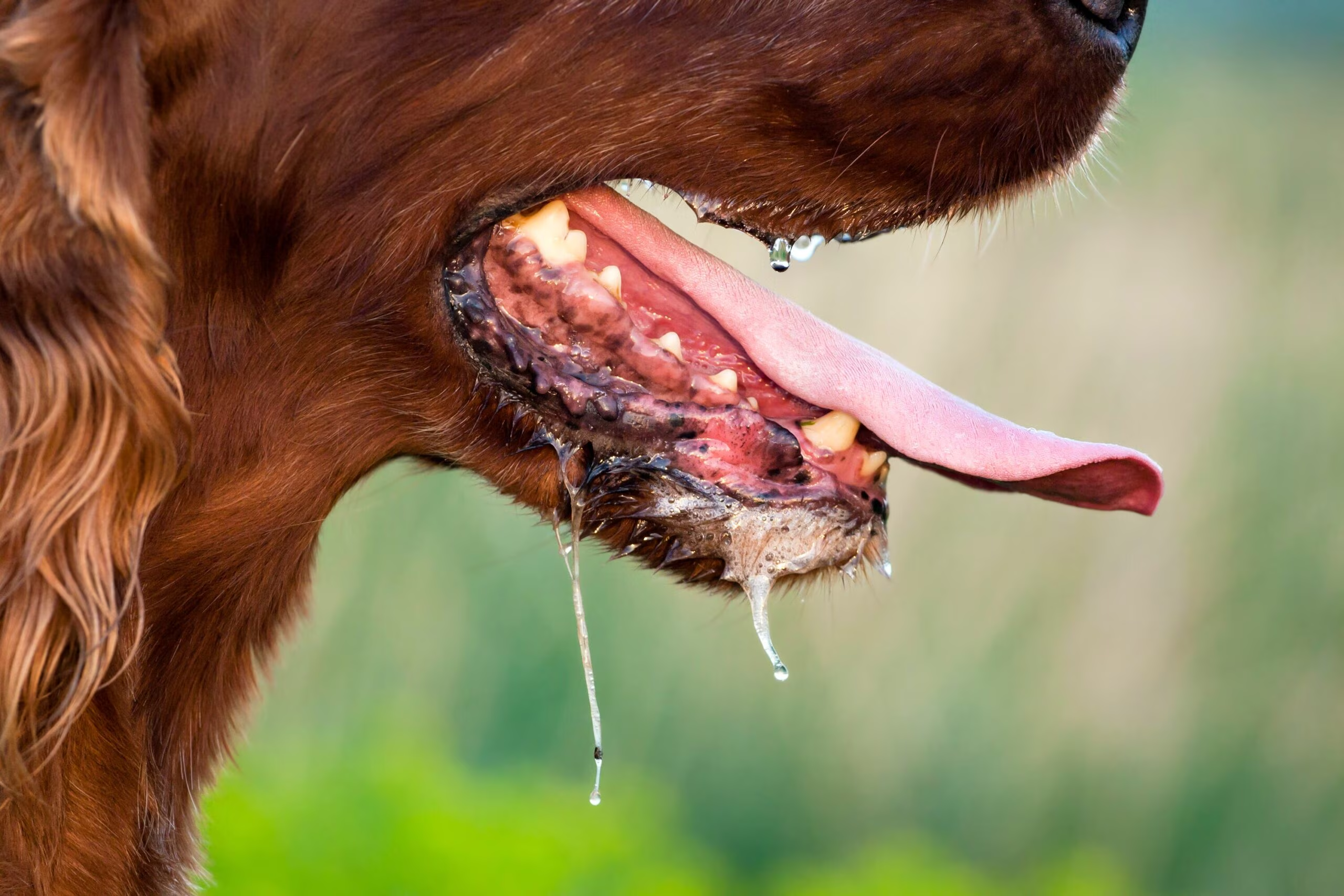
A little drool during mealtime or play is completely normal for dogs.
Saliva helps dogs digest food, keep their mouth healthy, and cool down when they pant.
Sudden excessive drooling means your dog is producing far more saliva than they can swallow, and it often starts without warning.
If your dog rarely drools and suddenly can’t stop, that change matters more than the drool itself.
Quick Overview Table: Common Causes of Sudden Drooling
| Cause Category | Example Triggers | Urgency Level |
|---|---|---|
| Nausea or GI upset | Car rides, spoiled food, upset stomach | Low to Moderate |
| Dental or oral pain | Broken tooth, gum infection, abscess | Moderate |
| Anxiety or stress | Vet visits, fireworks, new environment | Low |
| Heatstroke | Hot car, exercise in heat | Emergency |
| Toxin or poison exposure | Chocolate, xylitol, plants, chemicals | Emergency |
| Foreign object in mouth | Bone, toy, splinter, stick | Moderate to Emergency |
| Bloat (GDV) | Twisted stomach in large breeds | Emergency |
| Seizures | Neurological episodes | Emergency |
| Rabies or infection | Viral exposure, unvaccinated dogs | Emergency |
Common Causes of Sudden Drooling in Dogs
Nausea and Digestive Upset
An upset stomach is one of the most common reasons for a sudden increase in saliva.
Car rides, motion sickness, and eating something that disagreed with your dog can all trigger this response.
Drooling from nausea usually settles once the stomach calms down or the car ride ends.
Dental and Oral Problems
Broken teeth, gum disease, and mouth abscesses are painful and often cause noticeable drooling.
You may also notice bad breath, reluctance to chew, or pawing at the mouth.
Dental pain tends to build gradually, but it can look “sudden” once it crosses a pain threshold.
Motion Sickness
Many dogs drool heavily as soon as a car starts moving, even before nausea sets in.
This is a very common and usually harmless cause of sudden drooling.
Talk to your vet about anti-nausea options if travel drooling happens often.
Anxiety or Stress
Vet visits, loud noises, and new environments can all trigger stress-related drooling.
You’ll often see other signs too, like lip licking, yawning, panting, or pacing.
This type of drooling usually stops once your dog feels safe again.
Excitement Around Food or People
The smell of a treat or the sound of a food bag can make almost any dog’s mouth water instantly.
This kind of drooling is short-lived and completely normal.
It’s one of the few “sudden” drooling causes that never needs a vet visit.
Heatstroke
Overheating causes dogs to drool heavily as their body tries to cool itself down.
This is common after exercise in hot weather or time spent in a hot car.
Heatstroke is a true emergency and needs immediate veterinary care.
Toxin or Poison Exposure
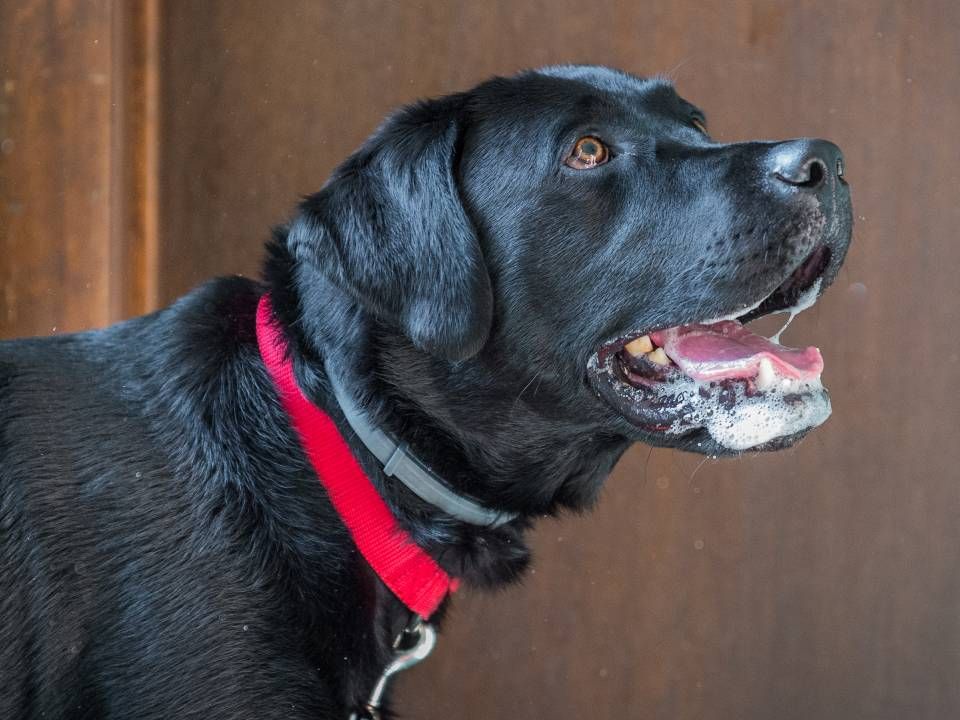
Chocolate, xylitol, certain houseplants, and household chemicals can all cause sudden hypersalivation.
Drooling from poisoning often comes on fast and may be paired with vomiting or shaking.
If you suspect poisoning, call your vet or an emergency line right away.
Foreign Object Stuck in the Mouth
Sticks, bones, and small toys can get lodged between teeth or in the throat.
Your dog may paw at their mouth, gag, or refuse to eat when this happens.
Removing the object quickly often stops the drooling completely.
Bloat (Gastric Dilatation-Volvulus)
Bloat is a life-threatening emergency where the stomach fills with gas and can twist.
Dogs with bloat often drool heavily while retching without actually vomiting.
Large, deep-chested breeds are at higher risk and need emergency treatment fast.
Seizures
Many dogs drool excessively before, during, or right after a seizure episode.
This drooling is often paired with muscle twitching, disorientation, or temporary collapse.
Any seizure activity should be reported to your veterinarian as soon as possible.
Kidney or Liver Disease
Systemic illnesses like kidney failure can cause a buildup of toxins that leads to drooling.
You may also notice increased thirst, lethargy, or changes in appetite.
Bloodwork from your vet can confirm or rule out these internal issues.
Rabies and Viral Infections
Rabies is a rare but serious cause of sudden, heavy drooling, especially in unvaccinated dogs.
Other symptoms include behavior changes, aggression, or difficulty swallowing.
Keeping vaccinations current is the best way to rule this cause out entirely.
Breeds That Naturally Drool More
| Breed | Why They Drool More |
|---|---|
| Saint Bernard | Loose jowls and large upper lips |
| Mastiff | Heavy facial skin folds |
| Newfoundland | Deep flews that trap saliva |
| Bloodhound | Droopy lips built for scent tracking |
| Bulldog | Short muzzle and loose skin |
| Bernese Mountain Dog | Large jowls |
If your dog is on this list, some drooling is simply part of their anatomy.
A sudden increase beyond their normal baseline is still worth watching closely.
Emergency Warning Signs to Watch For
Difficulty breathing or swallowing is always an emergency sign.
A swollen or tense abdomen can point to bloat and needs immediate care.
Pale, blue, or white gums signal a serious circulatory problem.
Repeated retching without vomiting is a classic bloat symptom in large breeds.
Sudden collapse, tremors, or loss of coordination should never be ignored.
What To Do If Your Dog Suddenly Starts Drooling
Stay calm and check your dog’s breathing and gum color first.
Look inside the mouth for visible objects, swelling, or bleeding if it’s safe to do so.
Offer a small amount of water to see if they can swallow normally.
Avoid giving food or medication unless your vet specifically tells you to.
Note when the drooling started and any other symptoms you’ve noticed.
When to Call the Vet Immediately
Call right away if drooling is sudden, severe, or paired with vomiting or lethargy.
Any suspected exposure to a toxin or poison warrants an immediate call.
A visibly swollen belly, collapse, or trouble breathing means emergency care, not a wait-and-see approach.
How Vets Diagnose the Underlying Cause
Your vet will start with a full physical exam, including the mouth, throat, and abdomen.
Bloodwork can reveal kidney, liver, or infection-related causes.
X-rays or ultrasound may be used if bloat or a foreign object is suspected.
Treatment Options Based on Cause
Dental issues are usually treated with cleaning, extractions, or antibiotics.
Toxin exposure may require inducing vomiting or activated charcoal under vet supervision.
Bloat requires emergency surgery, while foreign objects are often removed under sedation.
Anxiety-related drooling can be managed with calming aids or behavior training.
Prevention Tips for Pet Owners
Schedule regular dental checkups to catch oral problems early.
Keep toxic foods, plants, and chemicals out of reach at all times.
Avoid feeding right before car rides if motion sickness is an issue.
Watch large breeds closely around mealtimes to reduce bloat risk.
Frequently Asked Questions (FAQs)
Why is my dog suddenly drooling a lot for no reason?
It’s often nausea, anxiety, or dental pain. Watch for other symptoms and call your vet if it continues.
Is sudden drooling always an emergency?
No, but it can be. Breathing trouble, collapse, or a swollen belly mean it’s urgent.
Can anxiety really cause a dog to drool this much?
Yes, stress and fear commonly trigger heavy drooling along with panting and pacing.
What does it mean if my dog’s drool looks foamy or white?
Foamy drool can point to nausea, anxiety, or in rare cases, seizures or rabies.
Should I give my dog water if they’re drooling excessively?
Small sips are fine if they swallow normally. Stop if it worsens the drooling.
Can car rides really cause sudden drooling?
Yes, motion sickness is one of the most common travel-related drooling triggers.
What human foods cause dogs to drool excessively?
Chocolate, xylitol, and grapes are toxic and can trigger sudden hypersalivation.
How do I know if it’s dental pain versus something serious?
Dental pain usually comes with bad breath and reluctance to chew, not collapse or vomiting.
Which dog breeds are more prone to natural drooling?
Saint Bernards, Mastiffs, Bloodhounds, and Newfoundlands are known for heavier natural drooling.
When should I take my dog to the emergency vet for drooling?
Go immediately if you see breathing trouble, a swollen belly, collapse, or suspected poisoning.
Conclusion
Sudden drooling in dogs can mean something as harmless as excitement over food or as serious as bloat or poisoning. The key is watching for accompanying symptoms like vomiting, swelling, breathing trouble, or collapse, since these separate an emergency from a passing issue.
Naturally drooly breeds like Saint Bernards and Mastiffs may simply be doing what they always do, while a dog that rarely drools and suddenly can’t stop deserves closer attention.
When in doubt, checking gum color, breathing, and swallowing ability gives you useful information to share with your vet. Most causes are manageable once identified, but acting quickly on the warning signs above can make all the difference for your dog’s safety and comfort.