Why Is My Mucus Yellow? Symptoms and Treatments 2026
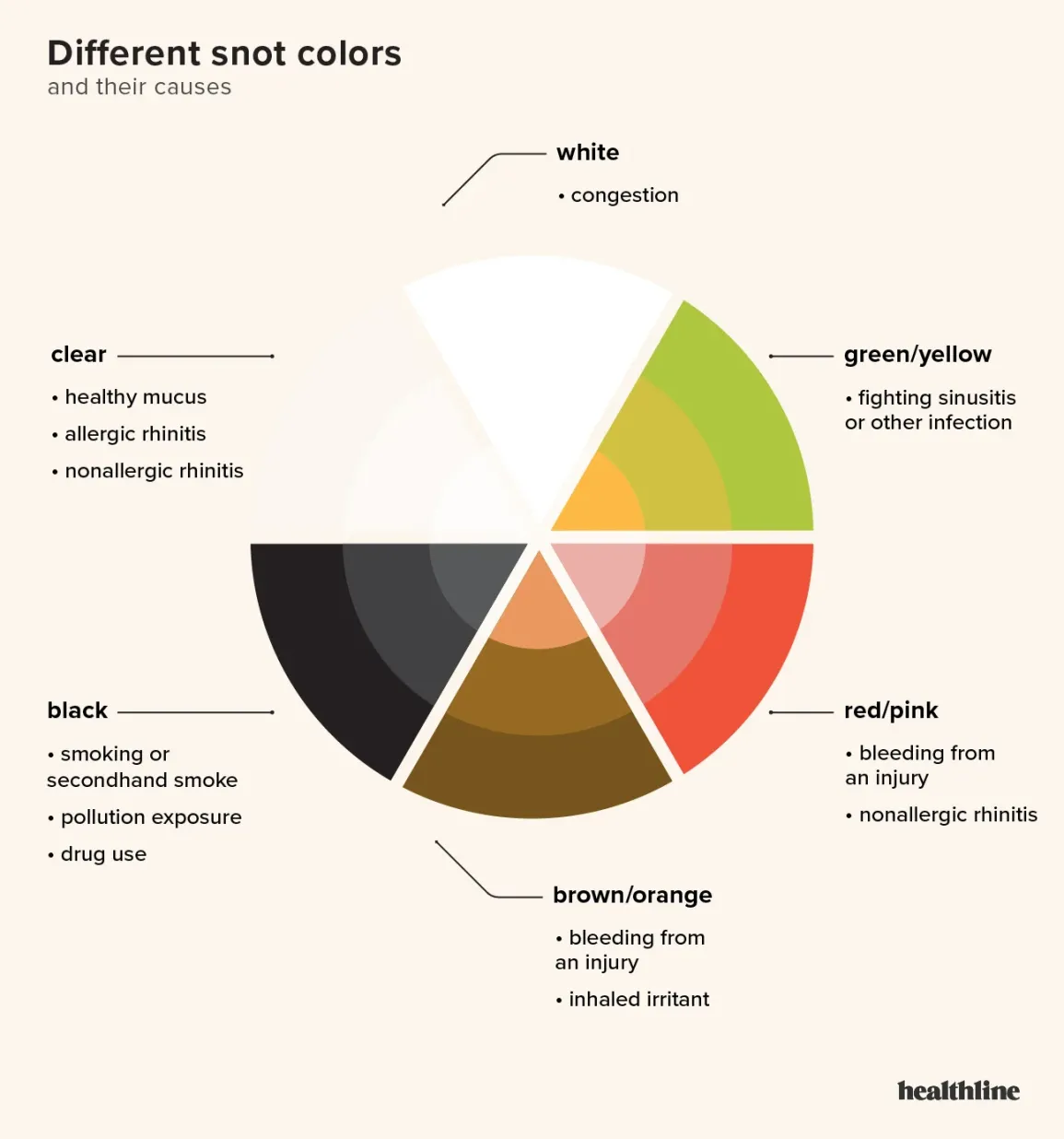
Why is my mucus yellow is one of the most searched health questions — and for good reason.
That change in color can feel alarming when you first notice it in a tissue or during a cough.
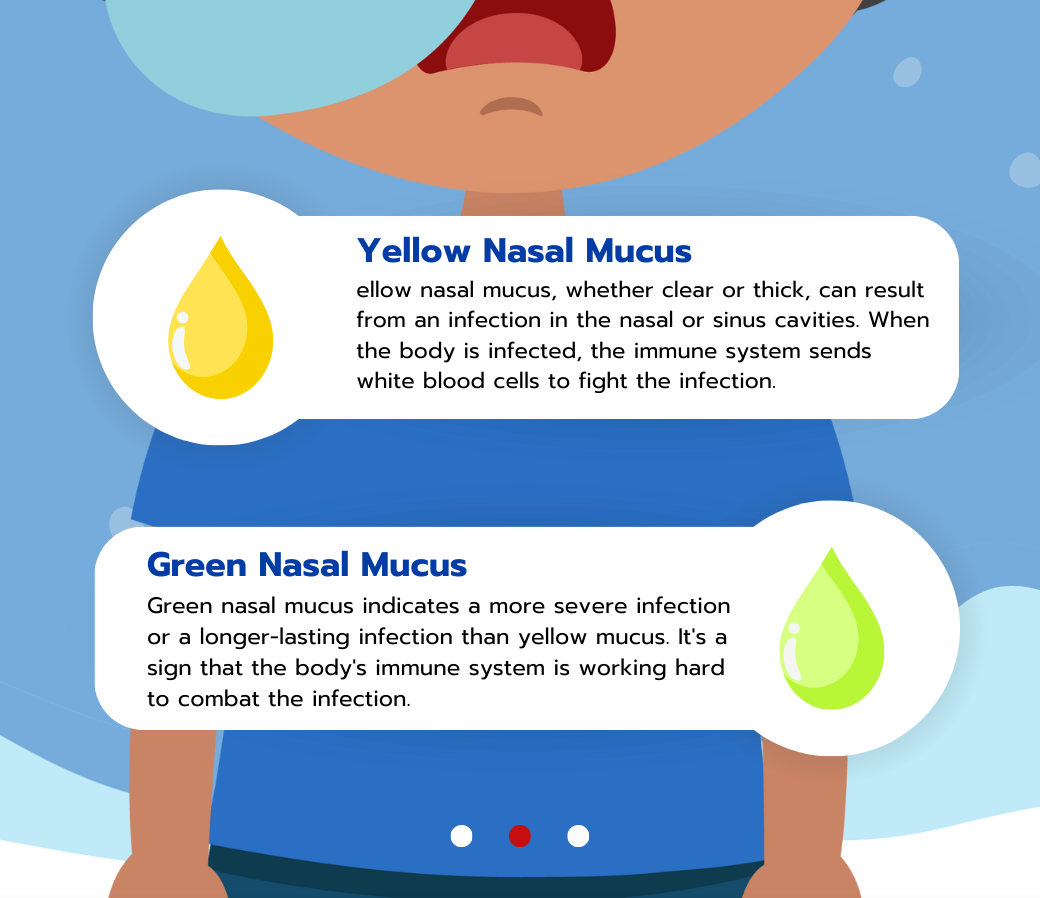
The short answer is that yellow mucus is your body’s immune system at work. White blood cells rushing to fight an infection mix with your normal mucus, turning it yellow. But the cause matters.
It could be a simple cold, a sinus infection, allergies, bronchitis, or something more serious.
Why Is My Mucus Yellow
Your body produces about one to two liters of mucus every single day.
Mucus is a clear, slippery fluid that lines your nose, sinuses, throat, airways, and digestive tract. Its job is to trap dust, bacteria, viruses, and other particles before they reach your lungs or bloodstream. Under normal, healthy conditions, mucus is clear and thin — you barely notice it.
When your body detects an infection, irritant, or allergen, it triggers an immune response. White blood cells flood the affected area to fight the invader. As those cells die off and mix with the mucus, they release proteins and enzymes that change the color. That is what turns clear mucus yellow.
The yellow color itself is not a disease — it is evidence that your immune system is doing exactly what it is supposed to do.
Why Is My Mucus Yellow? The Science Behind the Color
The specific color comes from a compound called myeloperoxidase.
Myeloperoxidase is an enzyme released by neutrophils — a type of white blood cell — as they fight infection. The more white blood cells involved, the more myeloperoxidase is released, and the deeper the yellow (or eventually green) color becomes.
A study on rhinovirus (the common cold virus) found that around 50% of adults developed colored nasal discharge — yellow or green — due to this immune cell influx, even without a bacterial infection. This is an important fact: yellow mucus does not automatically mean you have a bacterial infection or need antibiotics.
What matters more than color alone is the full picture — how long symptoms have lasted, what other symptoms are present, and whether you are getting better or worse over time.
Cause 1: Common Cold (Viral Upper Respiratory Infection)
The common cold is the most frequent cause of yellow mucus.
When a cold virus enters your nasal passages, your immune system launches a response almost immediately. The first few days produce clear or white mucus. By days three to five, as white blood cells accumulate and begin dying off, the mucus thickens and turns yellow.
Symptoms that appear alongside yellow mucus from a cold:
- Runny or stuffy nose
- Sneezing
- Sore throat
- Mild fatigue
- Low-grade fever
- Post-nasal drip
Cold symptoms typically peak around days two to four and resolve on their own within seven to ten days. No antibiotic is needed because the cause is a virus, not bacteria. Rest, hydration, and over-the-counter symptom relief are the recommended approach.
Cause 2: Sinus Infection (Sinusitis)
Sinusitis is one of the most common causes of thick yellow mucus from the nose and yellow mucus in the throat.
Sinusitis occurs when the sinus cavities become inflamed and infected. It often develops as a secondary complication of a cold. The bacteria or virus infects the sinuses, causing them to produce large amounts of thick, discolored mucus that cannot drain properly.
Yellow mucus in sinus infections tends to be thicker and more persistent than cold-related mucus. Facial pressure or pain — especially around the eyes, forehead, or cheeks — is a hallmark sign.
Symptoms of sinusitis with yellow mucus:
| Symptom | Description |
|---|---|
| Thick yellow nasal discharge | Persistent, does not clear within 10 days |
| Facial pressure or pain | Around cheeks, eyes, forehead |
| Nasal congestion | Blocked breathing |
| Post-nasal drip | Yellow mucus running down the throat |
| Headache | Especially when bending forward |
| Reduced sense of smell | Common with blocked sinuses |
| Mild fever | More common with bacterial sinusitis |
Acute sinusitis usually resolves within four weeks. Subacute lasts four to twelve weeks. Chronic sinusitis lasts twelve weeks or longer and requires more targeted treatment.
Cause 3: Flu (Influenza)
The flu causes yellow mucus for the same reason a cold does — immune cells flooding the airways.
But flu-related yellow mucus is typically accompanied by more severe symptoms. High fever, significant fatigue, body aches, and chills separate the flu from a common cold. Mucus may appear yellow early and quickly progress to thicker, darker yellow or green as the illness peaks.
Most flu cases resolve within one to two weeks without antibiotics. Antiviral medications like oseltamivir (Tamiflu) can shorten the duration if taken within the first 48 hours of symptoms.
Seek medical evaluation if you have flu symptoms alongside difficulty breathing, persistent chest pain, confusion, or if symptoms dramatically worsen after initial improvement.
Cause 4: Allergies
Allergies are a less obvious but real cause of yellow mucus, particularly when a secondary infection develops.
Allergic reactions primarily cause clear, watery mucus. However, chronic nasal swelling and congestion from allergies can block sinus drainage, trapping mucus inside the sinuses. That trapped mucus can become infected and turn yellow over time.
Allergies can also cause persistent post-nasal drip — yellow mucus from the throat that creates throat clearing, coughing, and hoarseness.
Signs that allergies may be behind your yellow mucus:
- Symptoms appear during specific seasons or around specific triggers (pollen, pets, dust)
- Sneezing and itchy eyes alongside yellow discharge
- Symptoms improve with antihistamines
- No fever or body aches
If allergy-related sinus blockage causes repeated yellow mucus episodes, a healthcare provider may recommend allergy testing and a management plan.
Cause 5: Bronchitis
Bronchitis causes yellow mucus coughed up from the chest, not just from the nose.
Bronchitis is inflammation of the bronchial tubes — the airways that carry air to and from the lungs. When these become inflamed, the body produces excess mucus to protect the airway lining. That mucus often appears yellow or green when coughed up.
Acute bronchitis is usually caused by a virus. Chronic bronchitis — lasting three months or more per year for two consecutive years — is strongly associated with smoking and long-term airway irritation.
Symptoms of bronchitis with yellow mucus:
- Persistent cough producing yellow phlegm
- Chest tightness or discomfort
- Shortness of breath during activity
- Wheezing
- Fatigue
- Mild fever (more common in acute bronchitis)
Most cases of acute bronchitis are viral and do not require antibiotics. Chronic bronchitis treatment focuses on smoking cessation, bronchodilators, and pulmonary rehabilitation.
Cause 6: Pneumonia
Pneumonia causes yellow, green, or rust-colored mucus coughed up from deep in the lungs.
Pneumonia is a serious lung infection that fills the air sacs with fluid or pus. It requires immediate medical evaluation. The yellow mucus from pneumonia is typically thick and may be accompanied by blood tinges.
Warning signs that yellow mucus may be pneumonia:
- High fever (above 38.5°C / 101.3°F)
- Severe chest pain when breathing
- Rapid or difficult breathing
- Confusion or altered mental status
- Fatigue severe enough to limit daily activity
- Coughing up yellow or rust-colored phlegm
Pneumonia requires a doctor’s evaluation, chest X-ray, and usually antibiotic treatment for bacterial pneumonia. Do not try to manage these symptoms at home.
Cause 7: COVID-19
COVID-19 can cause yellow mucus as part of its respiratory symptoms.
Many COVID-19 infections produce significant nasal congestion and post-nasal drip, which can turn yellow as the immune response intensifies. Yellow mucus associated with COVID may appear alongside loss of smell, loss of taste, fever, and body aches.
Some people develop secondary bacterial sinus infections after COVID, which produce thick yellow mucus that persists even after the main COVID symptoms resolve. If yellow mucus continues beyond ten to twelve days after a COVID diagnosis, a follow-up with a healthcare provider is recommended.
Cause 8: Smoking and Environmental Irritants
Long-term exposure to cigarette smoke, pollution, or chemical fumes causes chronic yellow mucus.
Smoke and airborne irritants damage the cilia — tiny hair-like structures in the airways that normally sweep mucus out. When cilia are damaged, mucus accumulates and thickens. The chronic irritation triggers ongoing inflammation, and the mucus turns persistently yellow or brown.
Smokers often notice thick yellow mucus first thing in the morning — sometimes called “smoker’s cough.” This is the airways clearing out overnight accumulation of discolored mucus.
Reducing exposure to irritants and smoking cessation are the most effective long-term solutions. A healthcare provider can help develop a quit plan if needed.
Cause 9: Post-Nasal Drip
Post-nasal drip is when mucus drips from the back of the nasal passages down into the throat.
When this mucus is yellow, it creates a feeling of something stuck in the throat, throat clearing, hoarseness, and a mild chronic cough. Post-nasal drip can result from a cold, sinus infection, allergies, or nasal polyps — and the yellow color reflects whatever is causing the underlying excess mucus.
Post-nasal drip-related yellow mucus in the throat is particularly noticeable in the morning when overnight accumulation has pooled at the back of the throat.
Managing post-nasal drip:
- Saline nasal rinse to flush sinuses
- Stay well hydrated
- Elevate the head during sleep
- Treat the underlying cause (allergy, infection)
- Avoid lying flat immediately after eating
Cause 10: Dehydration
Dehydration thickens mucus and can deepen its color to yellow or dark yellow.
Mucus is approximately 95% water. When you are not drinking enough fluids, mucus loses water content and becomes more concentrated, thicker, and darker. This is especially noticeable in the morning, when your body has gone hours without water.
Dehydration-thickened yellow mucus is not caused by infection — it is simply dense, concentrated mucus. Drinking more fluids, particularly warm water and broths, helps thin mucus and lighten its color relatively quickly.
This is why doctors consistently recommend increased fluid intake as a first-line response to yellow mucus — regardless of the underlying cause.
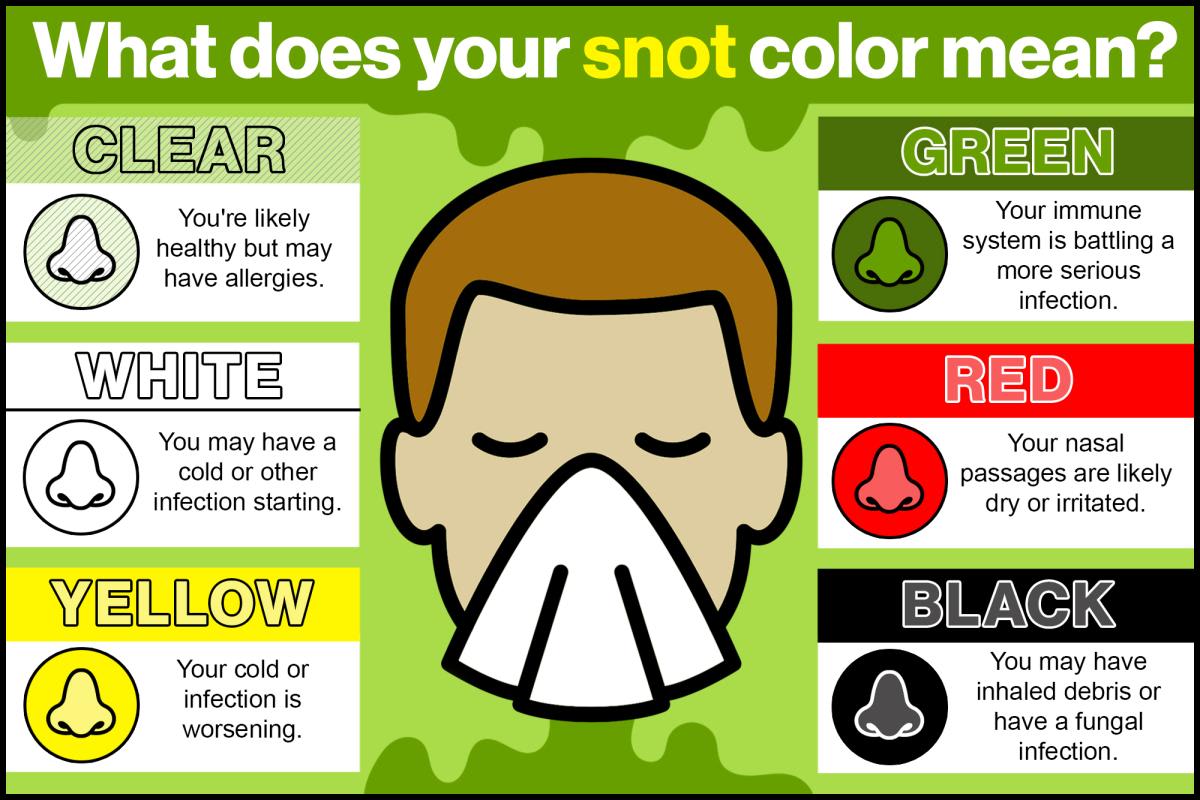
Mucus Color Guide: What Each Color Means
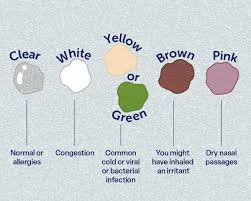
Understanding the full spectrum of mucus colors helps you assess your symptoms more accurately.
| Mucus Color | What It Usually Means | Action Needed |
|---|---|---|
| Clear | Normal, healthy mucus | No action needed |
| White | Congestion, early cold, dehydration | Rest, hydrate |
| Light yellow | Immune response, early infection, allergies | Hydrate, monitor |
| Bright yellow | Active infection (viral or bacterial) | Treat symptoms, see doctor if persistent |
| Dark yellow / thick | More advanced infection, bacterial possible | See a doctor |
| Yellow-green | Advancing infection, immune activity peaking | See a doctor if over 10 days |
| Green | Bacterial or viral, later stage infection | See doctor if not improving |
| Brown | Old blood, smoke exposure, fungal infection | See a doctor |
| Pink or red | Blood in mucus | Seek medical care |
| Rust-colored | Pneumonia possible | Emergency evaluation |
| Black | Fungal infection, heavy smoke | Seek urgent care |
Yellow mucus appearing early in an illness, lasting less than ten days, and improving progressively is usually viral and manageable at home. Persistent yellow or darkening mucus after ten days warrants a medical visit.
Yellow Mucus vs. Green Mucus: Key Differences
A very common question is whether yellow mucus or green mucus is more serious.
The answer: neither is automatically worse than the other, and color alone does not confirm bacterial infection.
Yellow mucus typically appears earlier in an illness, when white blood cells are first flooding the area. Green mucus tends to appear later in the illness, as more white blood cell debris accumulates and mixes with bacterial or viral particles. Both colors reflect active immune activity.
Mayo Clinic, Cleveland Clinic, and the CDC all confirm that green mucus does not automatically indicate a bacterial infection requiring antibiotics. Both viral and bacterial infections produce green or yellow mucus.
What matters more than color:
- Duration (more than 10 days without improvement = see a doctor)
- Severity of symptoms (high fever, chest pain, difficulty breathing)
- Pattern (worsening after initial improvement suggests bacterial secondary infection)
- Overall clinical picture alongside the mucus color
Symptoms That Appear With Yellow Mucus
Yellow mucus rarely appears alone. It is usually accompanied by other signs of respiratory illness or immune response.
Common symptoms alongside yellow mucus:
- Nasal congestion or stuffiness
- Runny nose (rhinorrhea)
- Sore throat or throat irritation
- Post-nasal drip and throat clearing
- Sneezing
- Cough (dry or productive)
- Low-grade or moderate fever
- Facial pressure or sinus pain
- Headache
- Fatigue
- Reduced sense of smell
- Bad breath (from sinus drainage)
Symptoms that require prompt medical attention:
- Fever above 39°C / 102.2°F
- Severe facial pain or swelling
- Difficulty breathing or shortness of breath
- Chest pain when breathing or coughing
- Stiff neck with headache and fever (possible meningitis)
- Blood in mucus or phlegm
- Symptoms not improving after 10–12 days
- Symptoms that worsen after initially improving
Treatments for Yellow Mucus
Treatment for yellow mucus depends entirely on the underlying cause. Below is a comprehensive guide to both home remedies and medical treatments.
Home Remedies and Supportive Care
Hydration — the most important step
Water is the most effective mucus-thinning agent available. Mucus is 95% water. Staying well hydrated keeps mucus thin enough to drain naturally, preventing the thick yellow accumulation that prolongs symptoms. Aim for eight to ten glasses of fluid daily. Warm liquids like herbal tea, chicken broth, and warm water with honey work particularly well.
Steam inhalation
Inhaling steam loosens thick yellow mucus in the nasal passages and sinuses, making it easier to expel. Take a hot shower and breathe in the steam, or lean over a bowl of hot water with a towel over your head for 10 minutes. Adding a few drops of eucalyptus oil amplifies the decongestant effect.
Saline nasal irrigation
Saline nasal rinses (using a neti pot or squeeze bottle) flush thick yellow mucus directly from the nasal passages. They reduce congestion, remove irritants, and soothe inflamed nasal tissue. Use sterile, distilled, or previously boiled water — never tap water directly in a nasal rinse.
Warm compress
Applying a warm, damp cloth over your forehead, cheeks, and nose helps reduce sinus pressure and encourages mucus drainage.
Sleep position
Elevating your head during sleep prevents mucus from pooling in the sinuses overnight. Use an extra pillow or elevate the head of your bed. This reduces morning congestion and the thickening of yellow mucus overnight.
Honey and warm water
Honey has natural antimicrobial and soothing properties. A teaspoon in warm water or tea helps coat the throat, reduce post-nasal drip irritation, and soothe coughing. Do not give honey to children under one year of age.
Saltwater gargle
Gargling with warm salt water soothes a sore throat irritated by post-nasal drip and helps flush yellow mucus from the throat. Dissolve half a teaspoon of salt in a glass of warm water and gargle for 30 seconds.
Over-the-Counter Medications for Yellow Mucus
| Medication Type | Examples | How It Helps |
|---|---|---|
| Expectorants | Guaifenesin (Mucinex) | Thins mucus so it drains more easily |
| Decongestants | Pseudoephedrine, oxymetazoline | Reduces nasal swelling, improves drainage |
| Antihistamines | Loratadine, cetirizine | Reduces allergy-related mucus and inflammation |
| Pain relievers | Ibuprofen, acetaminophen | Reduces fever and sinus pain |
| Nasal corticosteroid sprays | Fluticasone (Flonase) | Reduces sinus inflammation long-term |
| Saline sprays | Various brands | Moisturizes and flushes nasal passages |
Note: nasal decongestant sprays like oxymetazoline should not be used for more than three consecutive days — longer use causes rebound congestion (rhinitis medicamentosa).
Medical Treatments for Persistent Yellow Mucus
Antibiotics
Antibiotics are only appropriate for confirmed bacterial infections — not for viral colds or flu. A healthcare provider will assess whether symptoms suggest a bacterial sinusitis, pneumonia, or secondary bacterial infection before prescribing antibiotics.
Overusing antibiotics for yellow mucus contributes to antibiotic resistance. Color alone is not a reason to prescribe them.
Nasal corticosteroid sprays
For chronic sinusitis or allergy-related yellow mucus, prescription-strength nasal corticosteroid sprays reduce long-term inflammation in the sinuses and nasal passages, helping mucus drain properly.
Antivirals
If influenza is diagnosed within the first 48 hours of symptoms, antiviral medications like oseltamivir (Tamiflu) or zanamivir can reduce the duration and severity of illness, including yellow mucus production.
Allergy immunotherapy
For patients whose yellow mucus is driven by chronic allergic rhinitis, allergen immunotherapy (allergy shots or sublingual drops) reduces the immune response over time, decreasing mucus production.
Sinus surgery
In cases of chronic sinusitis that does not respond to medication, endoscopic sinus surgery may be recommended to improve drainage, remove polyps, or correct structural issues like a deviated septum.
When to See a Doctor About Yellow Mucus
Most yellow mucus resolves on its own within seven to ten days with supportive care. But certain signs mean you should not wait.
See a doctor if:
- Yellow mucus lasts more than 10 days without improvement
- Symptoms worsen after initially getting better (signs of secondary bacterial infection)
- Fever rises above 39°C / 102.2°F
- Severe sinus pain or facial swelling is present
- You develop difficulty breathing or shortness of breath
- Yellow mucus is accompanied by a stiff neck and severe headache
- Blood appears in mucus or phlegm
- You are immunocompromised, elderly, or have chronic respiratory conditions
Go to the emergency room immediately if:
- Pink or frothy phlegm (possible pulmonary edema)
- Rust-colored or blood-tinged sputum with chest pain
- Severe shortness of breath or blue-tinged lips
- High fever with stiff neck and severe headache
- Vision changes with severe facial pain
Yellow Mucus in Specific Locations
Yellow mucus does not always come from the nose. Where it originates gives important clues about the cause.
Yellow mucus from the nose (yellow snot)
Most commonly caused by a cold, sinus infection, or allergies. Usually associated with nasal congestion, sneezing, and post-nasal drip.
Yellow mucus in the throat (yellow phlegm)
Often the result of post-nasal drip draining from the sinuses, or from bronchitis and lower respiratory infections. May cause throat clearing and coughing.
Yellow mucus coughed up from the chest
Points to lower respiratory involvement — bronchitis, pneumonia, or COPD exacerbation. Coughing up yellow phlegm from the chest with fever or shortness of breath requires medical evaluation.
Yellow mucus in the morning
Very common and usually normal. Mucus thickens and concentrates overnight as the body is less active and not drinking fluids. Staying hydrated throughout the day reduces morning yellow mucus significantly.
Yellow mucus in stool
Can indicate the body is not absorbing fat normally or signal a gastrointestinal condition. Persistent yellow mucus in stool should be evaluated by a doctor.
Yellow mucus in urine
May indicate a urinary tract or sexually transmitted infection. If accompanied by pain, burning, or other urinary symptoms, see a healthcare provider promptly.
Prevention: How to Reduce Yellow Mucus Episodes
Preventing the conditions that trigger yellow mucus reduces how often you deal with it.
Wash hands frequently. Most respiratory infections that cause yellow mucus — colds, flu, sinusitis — spread via hand-to-face contact. Regular handwashing is one of the most effective preventive measures.
Stay vaccinated. Annual flu vaccination significantly reduces the risk of influenza-related yellow mucus episodes. COVID-19 vaccination reduces severe respiratory disease.
Stay hydrated consistently. Chronic mild dehydration thickens mucus and makes the sinuses more vulnerable to infection. Consistent fluid intake year-round — not just when sick — keeps mucus thin and flowing.
Use a humidifier in dry environments. Dry air thickens nasal mucus and irritates the respiratory tract. A humidifier at home, especially during winter or in air-conditioned environments, keeps mucus moving normally.
Manage allergies proactively. Unmanaged allergies create chronic nasal swelling that blocks sinus drainage. Working with a doctor to control allergy symptoms year-round reduces yellow mucus episodes significantly.
Avoid smoking and secondhand smoke. Smoking damages the cilia that clear mucus from airways, causing chronic yellow mucus. Quitting smoking is the single most effective intervention for smokers with persistent yellow phlegm.
Practice good nasal hygiene. A daily saline nasal rinse during cold and flu season can reduce the frequency and severity of sinus infections by flushing out irritants before they cause an immune response.
Summary: Common Causes and Treatments at a Glance
| Cause | Key Symptoms | First-Line Treatment |
|---|---|---|
| Common cold | Runny nose, sore throat, low fever | Rest, hydration, OTC symptom relief |
| Sinusitis | Facial pressure, blocked nose, headache | Saline rinse, decongestants; antibiotics if bacterial |
| Influenza | High fever, body aches, fatigue | Rest, hydration; antiviral if within 48 hrs |
| Allergies | Seasonal pattern, itchy eyes, sneezing | Antihistamines, nasal corticosteroids |
| Bronchitis | Chest cough, wheezing, phlegm | Rest, hydration, expectorants |
| Pneumonia | High fever, chest pain, difficulty breathing | Immediate medical care, antibiotics |
| COVID-19 | Loss of smell/taste, fever, fatigue | Rest, hydration; follow up if persists |
| Smoking | Chronic morning cough, dark yellow phlegm | Smoking cessation, hydration |
| Post-nasal drip | Throat clearing, cough, hoarseness | Saline rinse, treat underlying cause |
| Dehydration | No other symptoms, clears with fluids | Increase fluid intake |
Frequently Asked Questions (FAQs)
Why is my mucus yellow but I feel fine?
Your body may be in the early stages of a cold or recovering from a mild infection. Yellow mucus can appear even without obvious symptoms. Monitor for seven to ten days and increase fluid intake — if you feel fine and it clears, no action is needed.
Does yellow mucus mean I need antibiotics?
Not necessarily. Yellow mucus is caused by both viral and bacterial infections. Antibiotics only treat bacteria. A doctor will assess your full symptoms and duration before deciding — color alone is not a reason to prescribe antibiotics.
Why is my mucus yellow in the morning?
Mucus thickens and darkens overnight because you are not drinking fluids and the body is less active. This concentrates the mucus. Drinking a glass of warm water first thing in the morning helps thin it quickly.
How long should yellow mucus last?
Yellow mucus from a cold typically resolves within seven to ten days. If it persists beyond ten days without improvement, or worsens after getting better, see a healthcare provider to rule out bacterial sinusitis.
Is yellow mucus from allergies normal?
Allergies primarily cause clear, watery mucus. However, chronic nasal swelling from allergies can trap mucus in the sinuses, leading to secondary infection and yellow color. If yellow mucus is linked to allergy season, have your allergies properly managed.
What does thick yellow mucus from my nose mean?
Thick yellow mucus usually means your immune system is actively fighting an infection — typically a cold, sinus infection, or flu. The thickness comes from dead white blood cells and debris mixed into the mucus. Hydration and saline rinses help thin it.
Why is my mucus yellow when I cough it up from my chest?
Yellow phlegm coughed up from the chest suggests lower respiratory involvement — bronchitis is the most common cause. If accompanied by fever, chest pain, or difficulty breathing, see a doctor to rule out pneumonia.
Can dehydration cause yellow mucus?
Yes. Mucus is 95% water, and dehydration concentrates it — making it thicker and darker yellow. If your yellow mucus has no other symptoms and clears up quickly after drinking more fluids, dehydration is likely the cause.
Should I go to the ER for yellow mucus?
Most yellow mucus does not require emergency care. Go to the ER if you have yellow or rust-colored phlegm with chest pain, difficulty breathing, high fever and stiff neck, blue lips, or confusion — these may indicate pneumonia, meningitis, or pulmonary edema.
What home remedy helps yellow mucus the fastest?
Hydration with warm liquids is the most effective immediate remedy. Add steam inhalation, a saline nasal rinse, and sleep with your head elevated. Together, these thin mucus, improve drainage, and provide relief within hours for most mild cases.
Conclusion
Why is my mucus yellow is a question that almost always has a reassuring answer — your immune system is working. White blood cells flooding the area to fight infection or irritation turn your normally clear mucus yellow.
The most common causes are viral infections like the common cold and sinusitis, with allergies, bronchitis, dehydration, and smoking also playing significant roles. Most cases resolve within seven to ten days with rest, hydration, steam, and saline rinses.
Over-the-counter expectorants and decongestants provide additional relief. Antibiotics are only appropriate when a bacterial infection is confirmed.
If yellow mucus persists beyond ten days, gets worse after improving, or is accompanied by high fever, chest pain, or difficulty breathing, see a doctor without delay.
Knowing what your mucus color means puts you in control of your health.