Why Is My Toenail Yellow? When to See a Doctor 2026
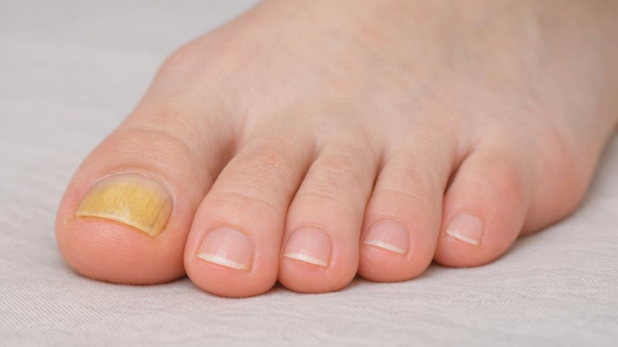
Why is my toenail yellow? It is one of the most commonly searched nail health questions, and the answer is not always as simple as it looks.
Yellow toenails can range from a harmless cosmetic issue caused by nail polish staining all the way to a sign of an underlying health condition that needs medical attention.
Most of the time the cause is a fungal infection, but aging, diabetes, psoriasis, and a rare condition called yellow nail syndrome are also on the list.
Is a Yellow Toenail Always Something to Worry About?
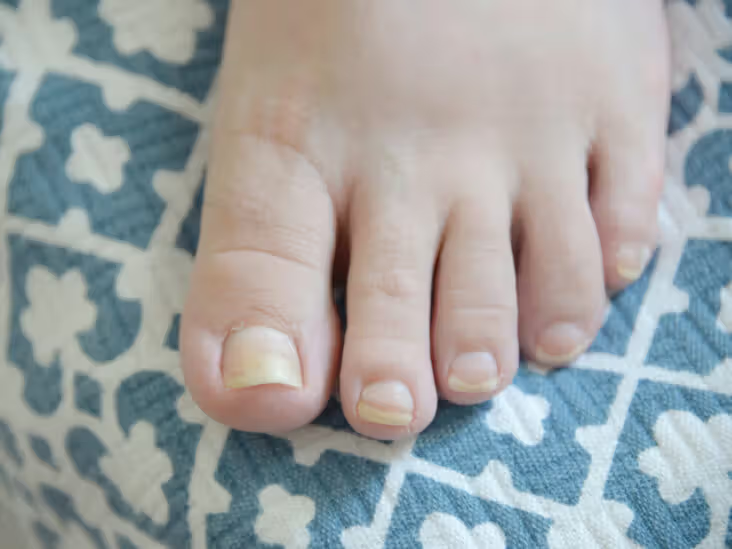
Not always. Yellow discoloration is one of the most common nail changes people experience, and in many cases it is completely harmless.
The most benign causes — nail polish staining and normal aging — require no treatment at all. However, because a yellow toenail can sometimes signal a fungal infection or a more serious systemic condition, it should not be ignored for weeks or months without investigation.
How Common Are Yellow Toenails?
Yellow toenails are extremely common across all age groups. Fungal nail infections alone, known medically as onychomycosis, affect approximately 10 to 20 percent of the adult population worldwide.
The risk increases significantly with age. People over 60 are far more likely to develop both fungal infections and age-related nail discoloration than younger adults. Athletes, people with diabetes, and those who spend time in communal wet areas like pool decks and gym showers are also at higher risk.
The Most Common Causes of Yellow Toenails
There are several well-established reasons why toenails turn yellow. Some are cosmetic, some are infectious, and some point to conditions affecting the whole body.
Fungal Nail Infection (Onychomycosis)
Fungal infection is the single most common cause of yellow toenails, responsible for an estimated 70 to 90 percent of discolored nail cases seen by podiatrists and dermatologists.
The infection, called onychomycosis or tinea unguium, is most often caused by a group of fungi called dermatophytes, which feed on keratin — the protein that makes up your nails. Yeasts and molds can also cause it.
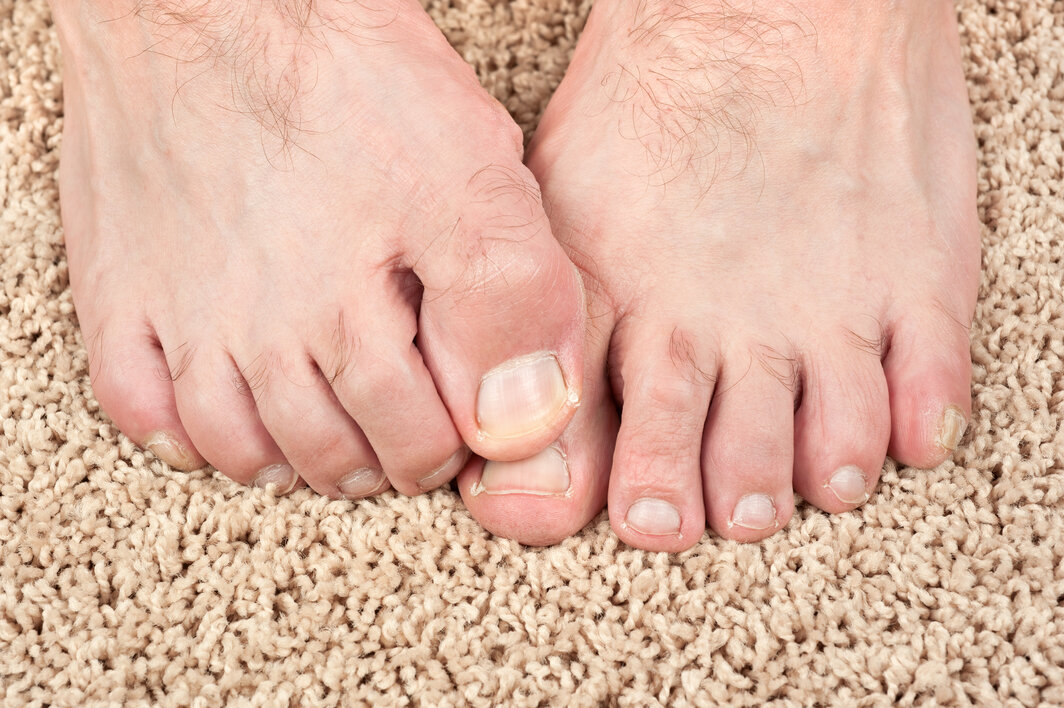
The fungus typically enters through a small crack in the nail or surrounding skin. Once inside, it spreads under and through the nail plate, causing the nail to turn yellow, white, or brown. Over time the nail thickens, becomes brittle, and may crumble at the edges.
Risk factors that increase the chances of developing a fungal nail infection include walking barefoot in public showers or pool areas, wearing tight or sweaty shoes, having athlete’s foot, older age, diabetes, poor circulation, and a weakened immune system.
Nail Polish Staining
Dark nail polish — especially red, orange, and deep berry shades — can leave yellow pigment embedded in the nail plate. This happens when the lacquer dye oxidizes and bonds to the keratin in the nail.
The longer polish is left on without a break, and the more back-to-back applications are done, the deeper the staining becomes. The discoloration is purely cosmetic. The nail itself is healthy, normal in texture and thickness, and the staining fades as the nail grows out.
Using a clear base coat before applying colored polish is the most effective way to prevent this entirely.
Aging
As people get older, nails naturally change in color, texture, and growth rate. The yellowing seen in older adults is related to slower circulation, reduced cell turnover, and gradual changes to the keratin structure of the nail plate.
Age-related yellowing is harmless on its own but can make nails more brittle and more vulnerable to fungal infection. It does not require treatment, though good nail hygiene helps.
Psoriasis
Nail psoriasis affects the majority of people with psoriatic arthritis and a significant portion of those with plaque psoriasis. It can cause several distinct nail changes including a characteristic yellow-brown or salmon-colored discoloration called an “oil drop” sign.
Other nail changes associated with psoriasis include pitting of the nail surface, onycholysis (the nail separating from the nail bed), thickening under the nail, and crumbling at the nail edges.
If you have joint pain, skin plaques, or a known diagnosis of psoriasis alongside nail discoloration, a dermatologist or rheumatologist should evaluate the nails.
Diabetes
People with diabetes can develop yellow nails as a result of glucose binding to the collagen proteins in nail tissue — a process called glycation. The resulting discoloration can affect both finger and toenails.
Diabetics are also significantly more prone to developing fungal nail infections because elevated blood sugar creates an ideal environment for fungal growth, and reduced circulation and nerve sensation in the feet makes it harder to detect early infections.
If you have diabetes and notice yellow, thick, or crumbling toenails, contact your doctor promptly. Foot complications in diabetic patients can escalate quickly.
Yellow Nail Syndrome
Yellow nail syndrome is a rare but serious condition characterized by three classic findings: yellow or greenish, slow-growing, thickened nails; lymphedema (swelling in the legs or arms from fluid buildup); and respiratory problems such as chronic cough, pleural effusion, or bronchiectasis.
The exact cause is not fully understood, but the condition appears related to impaired lymphatic drainage. It is most common in adults over 50.
Yellow nail syndrome requires formal medical evaluation. It has been associated with certain cancers, autoimmune diseases including rheumatoid arthritis, and immune deficiencies in some cases.
Liver Disease and Jaundice
Yellowing of both the skin and nails can accompany jaundice, which occurs when bilirubin builds up in the body due to liver disease, bile duct obstruction, or certain blood disorders.
If your skin, the whites of your eyes, and your nails all have a yellowish tint together, seek medical evaluation without delay.
Thyroid Disorders
Severe or prolonged thyroid imbalances — both hyperthyroidism and hypothyroidism — can cause nail changes including brittleness, slow growth, and discoloration. Yellow nails are an occasional finding in people with thyroid disease.
Respiratory Conditions
Certain chronic lung diseases, including chronic obstructive pulmonary disease (COPD) and bronchiectasis, have been associated with nail discoloration. The connection is related to reduced oxygen flow to peripheral tissues including the nails.
Medications
Some medications can cause nail discoloration as a side effect. Chemotherapy drugs, certain antimalarial medications, and tetracycline antibiotics have all been documented to cause yellow or brown nail staining. This is a known side effect, not an infection, and typically resolves after the medication is stopped.
How to Tell the Difference Between Causes
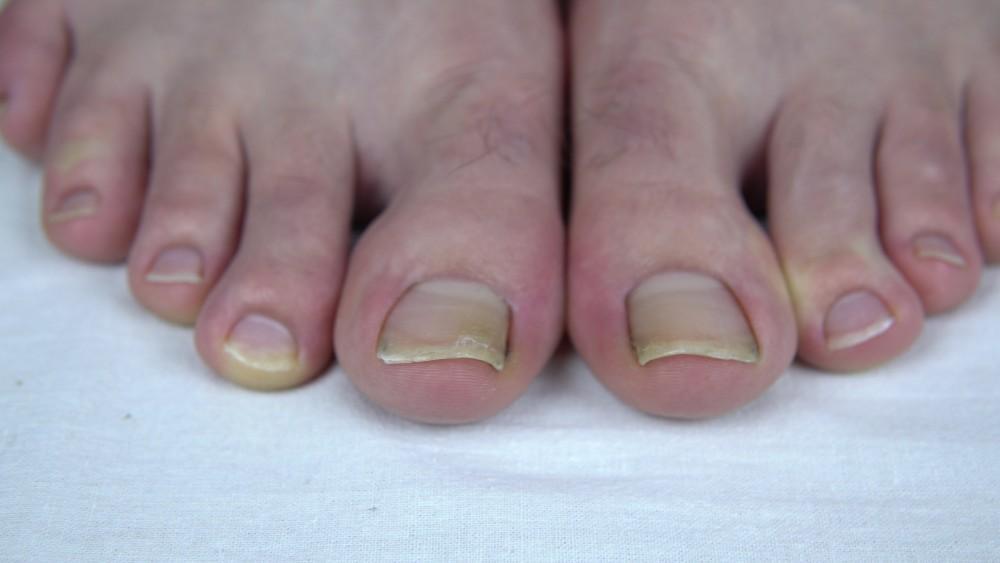
Distinguishing between a fungal infection, nail polish staining, and a systemic condition is not always possible without professional evaluation. However, the following features can help point you in the right direction.
| Feature | Fungal Infection | Nail Polish Staining | Systemic Condition |
|---|---|---|---|
| Color | Yellow, brown, white | Yellow, may fade at edges | Yellow, may affect multiple nails evenly |
| Texture | Thickened, brittle, crumbling | Normal | Varies — may thicken or thin |
| Odor | Sometimes present | None | Usually none |
| Spread | May spread to other nails | Affects polished nails only | Often affects multiple nails |
| Associated symptoms | Athlete’s foot, itching | None | Swelling, joint pain, breathing issues |
| History | Barefoot in public areas, sweaty shoes | Recent dark nail polish use | Diabetes, psoriasis, lung disease |
| Requires treatment | Yes — antifungal medication | No — grows out on its own | Yes — treat underlying condition |
Only a healthcare provider can definitively confirm the cause, often through a nail sample sent to a lab for KOH preparation or culture testing.
Medical Treatments for Yellow Toenails
The right treatment depends entirely on the cause. Treating a fungal infection will do nothing for nail polish staining, and failing to treat an underlying medical condition means the nail discoloration will return regardless of what you apply topically.
Treatments for Fungal Nail Infections
Oral Antifungal Medications
Oral antifungal medications are the most effective treatment for established fungal nail infections and are generally considered the gold standard.
Terbinafine (Lamisil) is the most commonly prescribed, taken at 250 mg daily for 12 weeks. Clinical studies report cure rates of approximately 70 to 80 percent with oral terbinafine. Itraconazole is an alternative, sometimes used in pulse dosing.
These medications require a prescription and carry a small risk of liver-related side effects, so your doctor will typically check liver function before and sometimes during treatment.
Topical Antifungal Medications
Prescription topical antifungals like ciclopirox 8% nail lacquer (Penlac) and efinaconazole (Jublia) or tavaborole (Kerydin) solution are applied directly to the nail.
Topical treatments work well for mild to moderate infections but have lower penetration through the nail plate. Cure rates with topical antifungals alone are generally around 20 to 35 percent, making them less effective than oral options for established infections.
They are often used in combination with oral therapy or for patients who cannot take oral antifungals.
Laser Therapy
Laser treatment for fungal nail infections is available through podiatrists and dermatologists. It works by generating heat that damages fungal cells within the nail. It is typically used for moderate to severe infections or when patients cannot tolerate oral antifungals.
Evidence on long-term cure rates with laser is still developing, and it is not typically covered by standard insurance plans.
Nail Removal
In severe or treatment-resistant cases, the infected nail may be removed — chemically with urea solution or surgically — to allow topical antifungal treatment to reach the nail bed directly.
This is a last resort and is not needed in the majority of cases.
Treatment for Nail Polish Staining
No medication is needed. Stop using nail polish, allow the nails to grow out naturally, and the discoloration will fade.
Soaking nails in diluted hydrogen peroxide for 10 minutes can help lighten mild staining more quickly. Always use a clear base coat before applying colored polish going forward.
Treatment for Systemic Causes
If yellow nails are caused by diabetes, psoriasis, liver disease, thyroid disorder, or yellow nail syndrome, the priority is treating the underlying condition.
A dermatologist, endocrinologist, rheumatologist, or pulmonologist may be involved depending on the diagnosis. Nail appearance often improves as the systemic condition is brought under control.
Home Remedies for Yellow Toenails
Several home remedies have some evidence or widespread anecdotal support for mild fungal nail discoloration. These are supportive measures and are not a substitute for medical treatment in moderate to severe cases.
Tea Tree Oil
Tea tree oil has documented antifungal properties against dermatophytes — the most common cause of nail fungal infections. Apply it directly to the affected nail twice daily with a cotton swab.
It works slowly and results may take weeks to months. It is best suited for very mild, early infections and is most effective when used alongside rather than instead of prescription treatment.
Vicks VapoRub
A small clinical study published in the Journal of the American Board of Family Medicine found that daily application of Vicks VapoRub produced positive antifungal results in a meaningful proportion of participants with toenail fungus.
The active ingredients camphor, eucalyptus oil, and menthol all have antifungal properties. Apply with a cotton swab and work it as far under the nail edge as possible. Cover with a sock. Use daily and expect 6 to 12 months for full nail regrowth.
Apple Cider Vinegar Soaks
Apple cider vinegar creates an acidic environment that discourages fungal growth. Mix equal parts apple cider vinegar and warm water and soak the affected foot for 15 to 20 minutes daily.
Evidence from clinical trials is limited, but it is a low-risk, inexpensive supportive measure. Dry the feet thoroughly afterward — moisture encourages fungal growth.
Baking Soda
Baking soda does not kill fungus but inhibits fungal growth and absorbs moisture. Sprinkle it inside shoes, add it to foot soaks, or apply a paste to the nail for 15 minutes before rinsing.
It is most useful as a preventive or adjunctive measure rather than a standalone treatment.
Oregano Oil
Oregano oil contains thymol, the same active compound found in Vicks VapoRub, with documented antifungal activity. Apply a few drops to the affected nails two to three times daily.
Some people combine oregano oil with tea tree oil for a more concentrated antifungal effect. Start with a small area to test for skin sensitivity before applying widely.
| Home Remedy | Evidence Level | Best Use Case |
|---|---|---|
| Tea tree oil | Moderate (small clinical studies) | Mild early fungal discoloration |
| Vicks VapoRub | Low-moderate (1 clinical study) | Mild to moderate fungal infection |
| Apple cider vinegar soak | Low (anecdotal, limited trials) | Supportive soak alongside other treatment |
| Baking soda | Low (antifungal, not antifungicidal) | Moisture control, prevention |
| Oregano oil | Low-moderate | Mild fungal discoloration |
| Hydrogen peroxide soak | Low | Nail polish staining only |
Prevention: How to Stop Yellow Toenails From Developing
Preventing yellow toenails is significantly easier than treating them once they develop, especially in the case of fungal infections.
Footwear and Hygiene Habits
Keep feet clean and dry. Change socks daily, especially after exercise, and choose moisture-wicking fabrics. Alternate between pairs of shoes to allow them to dry fully between wears.
Wear flip-flops or sandals in public showers, pool areas, locker rooms, and gym changing rooms. These environments are high-risk zones for fungal transmission.
Nail Care Habits
Trim toenails regularly, cutting straight across and slightly rounded at the corners to encourage healthy growth. Keep nails short — long nails trap moisture and debris under the nail edge.
Never share nail clippers, files, or nail salon tools. Bring your own tools to pedicure appointments, or verify that the salon sterilizes equipment between clients.
Nail Polish Habits
Always apply a clear base coat before using dark or red nail polish. Take regular breaks from nail polish — at least one to two weeks without polish between applications — to allow nails to breathe and recover.
Remove polish promptly rather than letting it chip off over weeks, as this extends the contact time and worsens staining.
Managing Underlying Conditions
If you have diabetes, keep blood glucose under tight control and inspect your feet daily. If you have a history of athlete’s foot, treat it promptly with antifungal cream to prevent spread to the nails.
Use antifungal foot powder inside shoes if you have a history of fungal infections.
When to See a Doctor for Yellow Toenails
Most cases of yellow toenails can be initially monitored at home, but certain signs indicate that a doctor visit is needed without delay.
See a Doctor If You Notice Any of the Following
The nail has become significantly thickened, brittle, or is crumbling at the edges. The discoloration is spreading to multiple nails. You have pain, tenderness, or difficulty walking due to the affected nail.
You notice redness, swelling, or pus around the nail — this may indicate a bacterial infection (paronychia). The nail is separating from the nail bed (onycholysis). The yellow discoloration is accompanied by leg swelling, chronic cough, or difficulty breathing.
You have diabetes and notice any nail or foot changes. You have a known history of psoriasis or an autoimmune condition and develop nail changes. Home treatment has not produced any improvement after two to three months.
Which Doctor to See
| Condition Suspected | Specialist to See |
|---|---|
| Fungal nail infection | Podiatrist or dermatologist |
| Nail psoriasis | Dermatologist or rheumatologist |
| Diabetes-related nail changes | Primary care physician or podiatrist |
| Yellow nail syndrome | Pulmonologist, lymphologist, or internist |
| Liver disease / jaundice | Primary care physician urgently |
| Medication side effect | Prescribing physician |
| General nail concerns | Primary care physician or podiatrist |
What to Expect at a Doctor’s Appointment
When you visit a podiatrist or dermatologist for yellow toenails, they will typically begin with a visual examination of the nail and surrounding skin.
To confirm a fungal infection specifically, they may take a nail clipping or scraping and send it to a laboratory for a KOH preparation test, PAS stain, or fungal culture. This confirms both the presence of fungus and the specific species, which guides the choice of antifungal medication.
If a systemic condition is suspected, blood tests, chest imaging, or referral to another specialist may follow.
Frequently Asked Questions (FAQs)
Why is my toenail yellow but not thick?
A yellow toenail that is not thickened is most likely nail polish staining or early-stage aging. A thickened yellow nail is more suggestive of a fungal infection.
Can yellow toenails go away on their own?
If caused by nail polish staining, yes — the discoloration fades as the nail grows out. Fungal infections and systemic conditions do not resolve without treatment.
Is a yellow toenail always caused by fungus?
No. While fungal infection is the most common cause, nail polish, aging, diabetes, psoriasis, and yellow nail syndrome can also cause yellow toenails without any fungus being present.
How long does it take to treat yellow toenails from fungus?
Oral antifungal medication is typically taken for 12 weeks, but full nail regrowth — which is when the nail looks completely clear — can take 9 to 12 months since toenails grow slowly.
Can I treat yellow toenails with home remedies alone?
Mild cases may respond to tea tree oil or Vicks VapoRub, but moderate to severe fungal infections require prescription antifungal treatment for reliable results. See a doctor if home remedies have not worked after two to three months.
Does nail polish cause permanent yellow staining?
No. Nail polish staining is not permanent. The yellow color fades as the nail grows out, which typically takes several months. Soaking in diluted hydrogen peroxide can speed up fading.
What does yellow nail syndrome look like?
Yellow nail syndrome causes nails to turn pale yellow or greenish-yellow, grow very slowly, thicken, and sometimes detach from the nail bed. It is also accompanied by leg swelling and respiratory symptoms.
Can diabetes cause yellow toenails?
Yes. Glucose binding to collagen proteins in the nail causes yellowing in diabetic patients. People with diabetes are also much more prone to fungal nail infections, which cause further discoloration.
Is yellow toenail fungus contagious?
Yes. Fungal nail infections are contagious and can spread from nail to nail, person to person through shared towels or nail tools, and via direct contact with contaminated surfaces in public areas.
When should I go to the doctor for yellow toenails?
See a doctor if the nail is thickening, crumbling, separating from the nail bed, causing pain, or if you notice swelling or breathing problems alongside the discoloration. Diabetics should seek prompt evaluation for any nail changes.
Conclusion
Why is my toenail yellow? Now you have a complete, medically grounded answer. In most cases, the cause is either a fungal nail infection or harmless nail polish staining — both manageable with the right approach.
But yellow toenails can also signal conditions like diabetes, psoriasis, liver disease, or the rare but serious yellow nail syndrome.
The key is not to assume. If your toenail is thick, crumbling, spreading, painful, or accompanied by other symptoms, that is your signal to see a podiatrist or dermatologist. Early treatment of fungal infections produces better outcomes and shorter recovery times.
For everything else, treating the root cause is what clears the nail. Do not ignore what your nails are telling you — they are often the first visible sign that something in your body needs attention.