Why Older Women Are Not Remarrying Social Trends Explained 2026
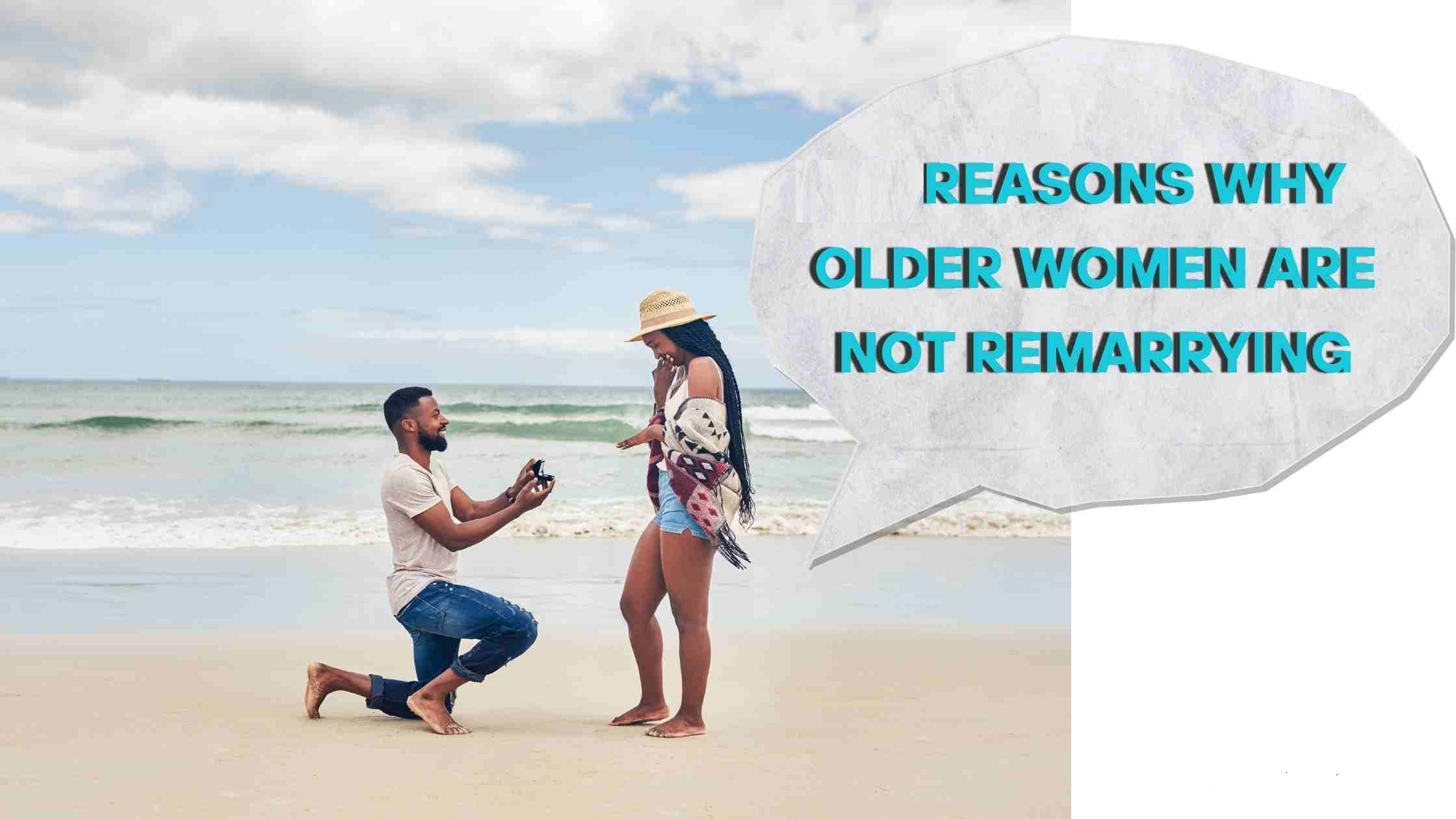
Why older women are not remarrying is one of the most significant social shifts of the 21st century, and the data in 2026 makes it impossible to ignore.
More women over the age of 50, 60, and 70 are choosing to remain single after divorce or widowhood — not out of heartbreak or resignation, but out of a deliberate, confident preference for independence, financial control, and personal freedom.
This is not a quiet trend. It is a cultural transformation reshaping how millions of women define their lives, their identities, and their futures after the end of a long-term marriage.
The Scale of the Shift — Key Statistics for 2026
The numbers tell a story that researchers have been tracking for years and that has only accelerated in recent times.
According to Pew Research Center data, only 15% of previously married women say they want to remarry, compared to 29% of previously married men. A full 54% of previously married women explicitly say they do not want to marry again.
A Pew Research Center survey found that 62% of single women in the U.S. are not open to casual dating or committed relationships, reflecting a clear preference for independence over traditional romantic engagements.
Gray divorce — divorce among adults aged 50 and older — now represents 36% of all U.S. divorces, up from just 8% in 1990, according to research from Bowling Green State University. Women initiate approximately 69% of all divorces and show a remarriage rate of only 12.7% compared to 23.6% for men after gray divorce.
| Statistic | Data |
|---|---|
| Previously married women who want to remarry | 15% (Pew Research) |
| Previously married women who do NOT want to remarry | 54% (Pew Research) |
| Single women not open to new relationships | 62% (Pew Research survey) |
| Women’s remarriage rate after gray divorce | 12.7% |
| Men’s remarriage rate after gray divorce | 23.6% |
| Gray divorce share of all U.S. divorces (2026) | 36% |
| Women who initiate divorce | ~69–70% |
| AARP study: women not wanting to remarry after divorce | 43% vs. 33% of men |
These numbers reflect a generational reorientation in how women over 50 see themselves, their relationships, and their futures.
Reason 1 — Financial Independence Has Changed Everything
Perhaps the most powerful driver behind older women’s decision not to remarry is financial independence. This is a seismic change from previous generations.
Economists at McKinsey estimate that by 2030, American women will control much of the $30 trillion in personal wealth that baby boomers are expected to possess. Women today have careers, retirement savings, investment portfolios, and real estate in their own names.
Just decades ago, women could not hold their own bank accounts or credit cards without a husband’s signature in many states. That world is gone. Today’s older women have built their own economic foundations, and they have no financial need for a marriage to survive.
When financial dependence is removed from the equation, the calculus of marriage changes entirely. Women are no longer choosing between security and staying single — they have security either way.
The Inheritance and Legal Complexity Factor
Beyond personal wealth, older women frequently cite the legal complications of remarriage as a deterrent. Merging finances, renegotiating wills, navigating estate planning, and dealing with adult children’s concerns about inheritance create a web of complexity that many women simply do not want to enter again.
Women over 50 who experience gray divorce already face a 45% decline in their standard of living post-divorce, compared to a 21% decline for men, according to the Journal of Gerontology. Having rebuilt their financial stability after one marriage, these women are understandably reluctant to put it at risk again.
Reason 2 — The Freedom of Independence Is Deeply Valued
For many women, the years after a long marriage reveal a freedom they had not previously experienced as an adult. Making their own decisions — where to live, what to eat, when to travel, how to spend time — without compromise is something many older women describe as transformative.
After decades of organizing lives around a partner’s schedule, preferences, and needs, the experience of autonomy can be deeply fulfilling. Many women report rediscovering hobbies, friendships, travel, and personal growth that marriage had crowded out.
This is not about bitterness. Many of these women loved their marriages. It is about discovering that a different kind of life is also deeply satisfying, and choosing it knowingly.
Personal Identity and Self-Discovery
Marriage for many women of the baby boom generation involved significant self-sacrifice. Many built their lives around supporting a husband’s career, raising children, and maintaining a household.
After divorce or widowhood, a large number of older women report a period of genuine self-discovery — reconnecting with who they were before the marriage, pursuing long-deferred ambitions, and building a life that reflects their own values and desires.
The idea of giving up that reclaimed selfhood for a new partnership carries real emotional weight for many women. It is a trade they are unwilling to make.
Reason 3 — Fear of Repeating Past Relationship Pain
An AARP study of divorcees aged 40–79 found that 65% of women who did not want to remarry after divorce cited not wanting another bad marriage as the primary reason. This is the single most cited factor in women’s reluctance to remarry.
This fear is rational, not irrational. Women who have lived through difficult marriages — marked by conflict, disrespect, infidelity, emotional unavailability, or imbalanced labor — are not eager to risk that experience again.
Research shows that second marriages carry higher divorce rates than first marriages. Women who are aware of this pattern are making statistically informed decisions when they choose to remain single.
The Trauma of Divorce Itself
Even when both parties want the end of the marriage, divorce is one of life’s most stressful experiences. The legal process, the financial unraveling, the social fallout, and the emotional grief all leave marks.
For women who have been through a painful or complicated divorce, the idea of potentially having to navigate that process again is a genuine deterrent. The knowledge that another marriage could end in another divorce is enough to make many women step back from the institution entirely.
Reason 4 — The Dating Pool Has Significant Problems
Older women who have tried dating after divorce or widowhood frequently report discouraging experiences that reinforce their preference for singlehood. The dating pool available to women over 60 is not simply smaller — it is often structurally problematic.
Many older men who are widowed approach dating with the explicit goal of replacing the domestic and emotional labor their wives provided. They seek women who will cook, clean, organize their social lives, and subordinate their own independence to function in service of the relationship.
First-person accounts from women who have dated in their 60s describe men who expected them to replicate the exact routines of deceased wives — from morning juice habits to weekly religious attendance to specific standards of domestic care. This dynamic is not appealing to women who have just reclaimed their autonomy.
The Age and Availability Imbalance
Demographic reality compounds the problem. Women live longer than men, which means there are significantly more single women than single men at older ages.
Men who are available tend to prefer younger partners, reducing the pool of eligible men further for women who are seeking age-appropriate relationships. And older men who are available are often recently widowed and emotionally still in the early stages of grief — not positioned to offer the kind of equal, mature partnership that older women want.
| Age Group | Single Women per 100 Single Men (approx.) |
|---|---|
| 50–59 | ~125 women per 100 men |
| 60–69 | ~150 women per 100 men |
| 70–79 | ~185 women per 100 men |
| 80+ | ~220+ women per 100 men |
The structural arithmetic of the dating pool makes finding a suitable partner genuinely difficult for older women, even for those who want one.
Reason 5 — Emotional Self-Sufficiency Has Grown
Women tend to invest deeply in friendships, family relationships, and community ties throughout their lives. By older age, many women have rich social networks that provide the emotional connection, support, and companionship that marriage has traditionally been expected to provide.
Research confirms that women are better at maintaining close friendships than men across all age groups. Older women frequently report feeling emotionally fulfilled by their relationships with adult children, grandchildren, close friends, and community groups — without needing a romantic partner to supply that warmth.
Men, by contrast, tend to rely more heavily on their spouse for emotional connection and are more socially isolated in widowhood, which drives their stronger motivation to remarry quickly. Women simply need marriage less as a source of emotional sustenance.
The Mental Health Differential
Research shows that remarriage is particularly beneficial for men’s mental health but provides smaller benefits for women. Men who remarry show significantly lower levels of depressive symptoms than those who remain single after losing a spouse. Women who remarry show more modest mental health improvements.
This asymmetry reflects the different emotional ecosystems that men and women build over a lifetime. Women’s broader social networks cushion them from the mental health impacts of being single in ways that men’s typically narrower networks do not.
Reason 6 — Long-Term Marriages End Differently for Women
When a very long marriage ends — either through divorce or death — the experience is different for women than for men in ways that affect their desire to remarry.
For women who were widowed after a loving marriage, honoring that relationship and the memories associated with it can itself become a chosen path. Many widows describe feeling that their identity remains intertwined with their late husband in meaningful ways, and that forming a new romantic partnership would feel like a betrayal of something precious.
For women who divorced after a long difficult marriage, the end of the marriage can feel like emerging from a long period of suppression. Remarrying quickly would cut short a period of freedom and self-reclamation that these women find genuinely meaningful and worth protecting.
Reason 7 — Adult Children and Blended Family Complications
The complexity of blending families later in life is a practical deterrent that many women cite explicitly. Adult children — particularly those concerned about inheritance, family dynamics, or simply protective of their parent — can create significant friction around a parent’s new romantic partner.
New partnerships in later life can create tensions around holidays, financial decisions, estate planning, and the allocation of emotional attention within families. Women who have worked hard to build stable family relationships after a divorce are often reluctant to introduce sources of potential conflict.
Blending finances with a partner who has his own adult children, his own assets, and his own family expectations is a logistical and legal undertaking that many older women choose to avoid entirely.
The Caretaking Concern
Women are also aware that partnering with an older man frequently comes with an implicit future caretaking obligation. Men tend to have more health problems at earlier ages than women, and they tend to die sooner.
For women who may have already caretaken an ill or declining spouse, the prospect of entering another relationship that could eventually require intensive caregiving is unappealing. They have already given years to that role and are not eager to take it on again.
Reason 8 — Changing Social Norms Have Removed the Pressure
Social stigma around being an older single woman has declined significantly. A generation ago, an unmarried older woman was an object of pity or concern. Today, she is increasingly seen — and sees herself — as an independent individual making an active choice.
The cultural conversation around women’s independence, self-determination, and life beyond marriage has shifted substantially. Books, podcasts, social media communities, and journalism all reflect and reinforce a narrative in which older single women are not lonely or broken — they are choosing.
This shift in social norms removes one of the historically powerful pressures that pushed women back into marriage quickly: the fear of social judgment. When society no longer views being single as a failure, the decision not to remarry becomes far easier to make and maintain.
Reason 9 — Alternative Relationship Models Are Available
Many older women who want companionship, romance, or intimacy but not the legal and domestic commitments of marriage are choosing alternative arrangements that give them what they want without what they do not want.
Cohabitation without marriage is increasingly common among older adults. “Living Apart Together” (LAT) — maintaining separate homes while in a committed romantic relationship — has become a recognized and popular arrangement for older couples who want both partnership and independence.
These arrangements allow women to enjoy the emotional and social benefits of a relationship while protecting their finances, preserving their independence, and avoiding the legal entanglement of marriage. They represent a genuinely new form of late-life partnership that did not have a widely recognized name or social legitimacy a generation ago.
| Relationship Model | What It Offers | What It Avoids |
|---|---|---|
| Remarriage | Legal security, social recognition | Loss of independence, financial entanglement |
| Cohabitation | Daily companionship, shared costs | Legal commitment, inheritance complexity |
| Living Apart Together (LAT) | Romance + independence | Shared finances, loss of autonomy |
| Committed dating only | Companionship, intimacy | All domestic obligations |
| Fully single | Total freedom, simplicity | All forms of partnership |
These options reflect a generation of women who are refusing the binary choice between marriage and total singlehood.
Reason 10 — Longer Life Expectancy Creates New Priorities
Women over 50 in 2026 are acutely aware that they may have 30 or more years ahead of them. This changes how they think about how to spend those years and what kind of life they want to build.
With decades of potential ahead, the question is not simply “should I remarry?” It becomes “what is the best way to spend the years I have?” For many women, the answer involves travel, creative pursuits, meaningful friendships, service to family and community, and personal growth — none of which require a husband.
The same longer life expectancy that has driven the gray divorce surge has also shaped women’s approach to post-marriage life. They see their remaining years as genuinely valuable and do not want to spend them on a relationship that diminishes rather than enhances their quality of life.
Generational and Educational Factors
The cohort of women now in their 50s, 60s, and 70s is the first generation to have benefited comprehensively from women’s access to higher education, professional careers, and independent financial lives.
College-educated women are particularly likely to remain single after divorce or widowhood. They have careers, professional identities, financial assets, and a strong sense of self that does not depend on a partner for validation or security.
Research from the Pew Research Center shows that the gender gap in remarriage rates has narrowed most among college-educated adults — but primarily because educated women have become more willing to remain single, not because they have become more likely to remarry. Their education has given them options, and many are choosing the option of not remarrying.
Comparison — Why Men Remarry More Quickly
Understanding why older women are not remarrying is partly a story about why older men are. The contrast is stark and instructive.
| Factor | Older Men | Older Women |
|---|---|---|
| Remarriage rate after gray divorce | 23.6% | 12.7% |
| Desire to remarry (Pew) | 29% want to | 15% want to |
| Primary emotional support source | Spouse | Broader social network |
| Benefit of remarriage for mental health | High | Moderate |
| Approach to widowhood | Higher loneliness, seek partner | More emotionally self-sufficient |
| Domestic role expectations | Seek someone to manage home | Prefer managing own life |
Men are significantly more motivated to remarry because they rely more heavily on a partner for emotional connection, domestic support, and social engagement. Women typically have these needs met through broader networks and are less dependent on a single partner for their wellbeing.
What Older Women Want Instead

The narrative that older women are not remarrying because they are lonely, bitter, or unable to attract a partner fundamentally misunderstands what the data shows. Most older women who choose not to remarry are not rejecting love or connection. They are redefining what connection looks like for them.
Many older women describe wanting relationships that add to their lives rather than restructuring them. They want partners who respect their independence, do not expect them to perform traditional domestic roles, and understand that their lives are already full and satisfying.
The bar for what a relationship must offer in order to be worth entering has simply risen. Women who have built lives they genuinely love are not going to dismantle those lives for a relationship that does not clearly improve them.
The Social Impact of This Trend
The trend of older women not remarrying is having visible effects on housing markets, family structures, retirement planning, and social policy. As more older women live independently for longer, demand for single-occupancy housing, aging-in-place modifications, and women-centric social communities has grown.
Women who remain single in later life also drive a growing market for solo travel, women’s social clubs, solo retirement planning services, and late-life educational programs. The solo older woman is increasingly a driver of economic activity and social change rather than a marginal figure.
This shift also places new demands on social policy around healthcare, Social Security, and elder care — areas where single women, who still face an average 45% decline in living standards after gray divorce, remain economically vulnerable compared to continuously married women.
Frequently Asked Questions (FAQs)
Why are older women not remarrying after divorce?
Older women choose not to remarry primarily because they value financial independence, personal freedom, and the autonomy they gain after a long marriage. Fear of repeating a painful relationship and satisfaction with single life are also major factors.
What percentage of older women want to remarry?
According to Pew Research Center data, only 15% of previously married women say they want to remarry. About 54% explicitly say they do not want to marry again, a stark contrast to previously married men of whom 29% want to remarry.
Do older women remarry less than older men?
Yes, significantly. Women’s remarriage rate after gray divorce is 12.7% compared to 23.6% for men. Men are also more likely to remarry sooner after losing a spouse than women across all age groups.
What is gray divorce and how does it affect remarriage?
Gray divorce refers to divorce among adults aged 50 and older, which now accounts for 36% of all U.S. divorces. Women who experience gray divorce show very low rates of remarriage and often cite financial protection and independence as key reasons for staying single.
Are older women happier staying single after divorce?
Many are. Research shows that women have broader social networks and rely less on a single partner for emotional wellbeing than men do. Most older women who choose not to remarry report satisfaction with their decision and describe their single lives as fulfilling.
What are the financial reasons older women avoid remarriage?
Remarrying can complicate estate planning, inheritance, asset protection, and retirement savings. Women who have rebuilt their financial independence after divorce are reluctant to merge finances again, especially when the legal and financial consequences of a second divorce could be severe.
Do widowed older women want to remarry?
Most do not. Research from the San Diego Widowhood Project found that only 19% of widows were remarried or in a new romance 25 months after their spouse’s death, compared to 61% of widowers. Widows express more reluctance toward new romantic relationships than widowers.
What is “Living Apart Together” and why do older women prefer it?
Living Apart Together (LAT) means being in a committed romantic relationship while maintaining separate homes. Many older women prefer this arrangement because it offers companionship without sacrificing financial independence, personal space, or domestic autonomy.
Does education affect whether older women remarry?
Yes. College-educated women are more financially independent and professionally established, making them less reliant on marriage for security. The gender gap in remarriage narrows most among college graduates, largely because educated women have become more comfortable choosing to remain single.
How does society’s changing attitude affect older women’s remarriage decisions?
The declining stigma around being an older single woman has significantly reduced social pressure to remarry. Women no longer face the same cultural judgment for being unmarried, which makes it much easier to choose independence without shame or social cost.
Conclusion
Why older women are not remarrying is a question with answers that are economic, emotional, social, and deeply personal.
The data from 2026 confirms what anecdotal accounts have long suggested: this is not a crisis, a problem, or a failure of the institution of marriage. It is a generation of women making informed, autonomous choices about how they want to live the second half of their adult lives.
They have financial independence that previous generations of women never had. They have social networks that sustain them emotionally. They have discovered lives that feel full and meaningful without requiring a partner at the center.
For older women today, not remarrying is often the most empowered decision they have ever made — a statement of confidence, self-knowledge, and freedom that reflects just how much the world has changed. Understanding this trend means understanding women as active agents of their own lives, not as incomplete people waiting for completion.