Why Quality Clothing Is a Better Investment Than Fast Fashion
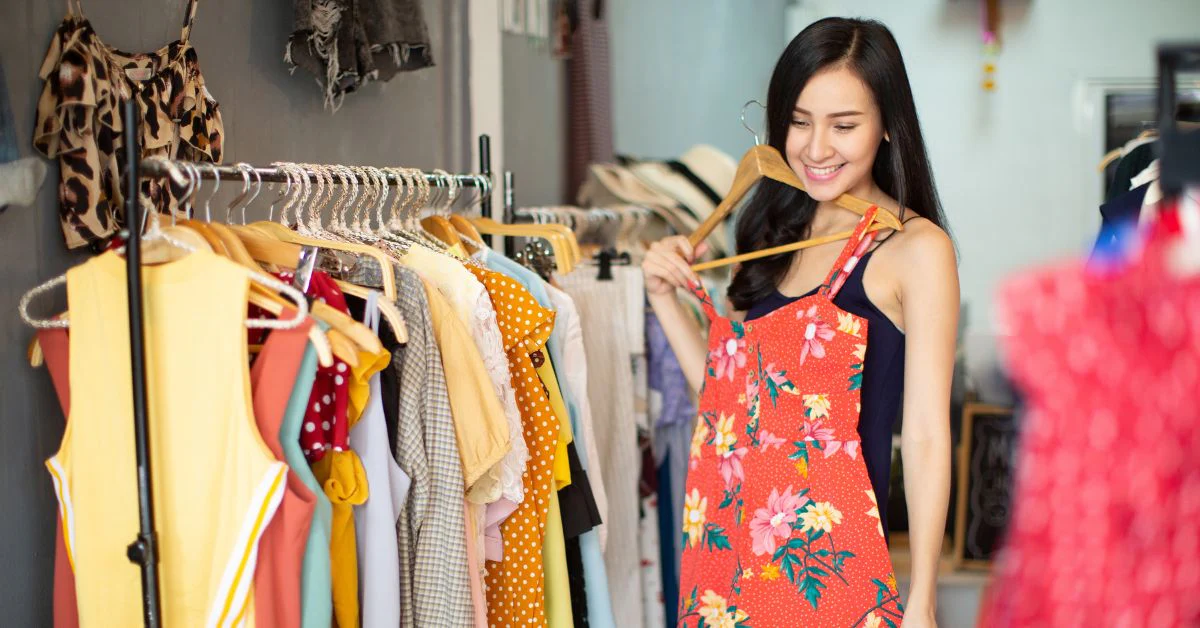
In today’s world of online shopping and rapidly changing trends, it’s easier than ever to fill a wardrobe with inexpensive clothing. Fast fashion brands release new collections at a remarkable pace, offering consumers the latest styles at prices that seem too good to ignore. While this approach makes fashion accessible, it often encourages a cycle of frequent purchasing and replacement that can become costly over time.
As more consumers become aware of the long-term financial and environmental consequences of disposable fashion, many are reconsidering how they shop. Instead of buying more clothing for less money, they’re focusing on purchasing fewer, higher-quality pieces that offer lasting value.
Although quality clothing typically comes with a higher upfront price tag, it often proves to be a smarter investment. From improved durability and comfort to timeless style and reduced waste, well-made garments provide benefits that extend far beyond their initial cost.
What Is Fast Fashion?
Fast fashion refers to the rapid production of inexpensive clothing designed to replicate current trends. The goal is simple: get the latest styles into stores as quickly as possible and encourage consumers to buy frequently.
This model has transformed the fashion industry by making trendy clothing widely available at affordable prices. Consumers can easily refresh their wardrobes multiple times a year without making a significant financial commitment.
However, the affordability of fast fashion often comes with trade-offs.
Many garments are produced using lower-cost materials and manufacturing processes designed to reduce expenses and accelerate production. As a result, clothing may lose its shape, fade, pill, or wear out after relatively few uses.
When a shirt, dress, or pair of jeans needs replacing after only a short period, the initial savings begin to disappear. What seemed inexpensive at first can become costly when multiplied across multiple purchases throughout the year.
Understanding Quality Clothing
Quality clothing differs from fast fashion in several important ways. While styles and designs vary, well-made garments typically prioritize craftsmanship, durability, and longevity.
High-quality clothing often features:
- Premium fabrics and materials
- Strong, consistent stitching
- Better construction techniques
- Thoughtful design details
- Improved fit and comfort
Rather than being designed for a single season, quality garments are intended to withstand regular wear while maintaining their appearance.
A well-constructed blazer, pair of trousers, knit sweater, or classic dress can remain a wardrobe staple for years when properly cared for. Instead of deteriorating quickly, these pieces often become more comfortable and familiar over time.
The principle of proper care applies equally to quality household textiles. Premium duvets and bedding, like high-quality clothing, lose their integrity faster when put through unsuitable wash cycles at home. For households in the UAE, using a professional duvet laundry service Dubai is a practical step for maintaining the condition and lifespan of quality bedding, in the same way that professional dry cleaning preserves delicate garments beyond what a standard machine wash can achieve.
Consumers who invest in quality clothing are not simply purchasing a garment—they are investing in reliability, versatility, and long-term performance.
The Financial Benefits of Buying Quality
One of the most compelling arguments for quality clothing is its financial value over time.
At first glance, spending more on a single item may seem counterintuitive. However, focusing solely on purchase price can be misleading. A better way to evaluate clothing is through a concept known as cost per wear.
Understanding Cost Per Wear
Cost per wear measures how much a garment costs each time it is worn.
For example, imagine purchasing a $30 sweater that begins to lose its shape after ten wears. The cost per wear is approximately $3.
Now consider a $120 sweater that remains in excellent condition after 80 wears. Its cost per wear drops to just $1.50.
While the second sweater requires a larger initial investment, it ultimately delivers greater value.
This principle applies across nearly every category of clothing, from denim and outerwear to shoes and accessories.
Fewer Replacements Mean More Savings
Quality garments typically require less frequent replacement. Instead of continuously purchasing new versions of the same item, consumers can rely on durable pieces that remain functional and stylish for years.
Over time, this reduces:
- Impulse purchases
- Seasonal wardrobe overhauls
- Spending on replacement items
- Frustration caused by poorly performing clothing
The result is often a more intentional and cost-effective approach to fashion.
Quality Clothing Offers Better Comfort and Fit
The way clothing feels is just as important as the way it looks.
Higher-quality garments frequently use superior fabrics that provide enhanced comfort throughout the day. Natural fibers and carefully selected materials often offer better breathability, softness, and flexibility compared to lower-cost alternatives.
Comfort becomes particularly important for clothing worn regularly, such as:
- Everyday dresses
- Workwear
- Knitwear
- Denim
- Outerwear
Additionally, quality clothing often benefits from more thoughtful pattern-making and construction techniques that improve fit.
A garment that fits well tends to look more polished and feels more comfortable to wear. It can also boost confidence by allowing individuals to focus on their activities rather than constantly adjusting uncomfortable clothing.
Timeless Style Outlasts Seasonal Trends
One of the biggest challenges associated with fast fashion is the constant pressure to keep up with changing trends.
Styles that feel exciting today may appear dated only a few months later. This encourages consumers to continually replace clothing in pursuit of the latest look.
Quality clothing often takes a different approach.
Rather than focusing exclusively on short-lived trends, many premium brands emphasize timeless design elements that remain stylish across multiple seasons and years.
Classic wardrobe staples include:
- Tailored blazers
- Well-fitted denim
- Neutral knitwear
- Structured coats
- Simple dresses
- Quality footwear
These pieces can be styled in numerous ways and adapted to evolving fashion preferences without requiring complete wardrobe replacements.
By building a wardrobe around versatile essentials, consumers often discover they need fewer items while enjoying more outfit options.
The Environmental Impact of Choosing Quality
Fashion is one of the world’s largest industries, and its environmental footprint has become an increasingly important topic of discussion.
Fast fashion’s emphasis on rapid production and frequent consumption contributes to significant waste. Garments that wear out quickly often end up discarded long before their useful life should be over.
When clothing is treated as disposable, the cycle of production and waste accelerates.
Choosing quality clothing can help support a more sustainable approach to fashion by encouraging:
- Longer garment lifespans
- Reduced consumption
- Less textile waste
- More thoughtful purchasing decisions
While no purchase is entirely impact-free, investing in durable pieces can help reduce the demand for constant replacement and support a mindset focused on longevity rather than disposability.
Building a Quality-First Wardrobe
Transitioning away from fast fashion doesn’t require replacing an entire wardrobe overnight.
In fact, many style experts recommend gradually upgrading key pieces as existing items wear out.
Start With Everyday Essentials
Certain wardrobe staples offer exceptional value when purchased in higher quality.
Examples include:
- A versatile pair of jeans
- A classic blazer
- Comfortable footwear
- A quality winter coat
- Timeless knitwear
- Neutral dresses and tops
Because these items are worn frequently, investing in durability often delivers the greatest return.
Shop More Intentionally
A quality-first wardrobe begins with thoughtful purchasing decisions.
Before buying a new piece, consider:
- How often will I wear it?
- Does it coordinate with existing items?
- Is it made from durable materials?
- Will I still enjoy wearing it next year?
As consumers become more selective, they often find themselves purchasing less while feeling more satisfied with their wardrobes.
Many modern retailers and fashion boutiques now focus on curating collections that emphasize versatility, craftsmanship, and long-term wearability, making it easier than ever to prioritize quality over quantity.
Common Myths About Quality Clothing
“Quality Clothing Is Too Expensive”
While premium garments often cost more initially, the long-term value can outweigh the higher purchase price.
When viewed through the lens of cost per wear, quality clothing frequently becomes the more economical choice.
Rather than asking, “How much does this cost?” consumers may benefit from asking, “How long will this last?”
“You Need a Large Budget to Dress Well”
Building a quality wardrobe doesn’t require a complete lifestyle overhaul or unlimited spending.
Many people gradually invest in better pieces over time, replacing worn-out items with more durable alternatives as needed.
This approach allows consumers to improve their wardrobes steadily without making significant financial sacrifices.
The focus shifts from buying more clothing to buying better clothing.
Conclusion
Fast fashion has undoubtedly changed the way people shop, offering affordability and convenience unlike anything seen before. Yet the true value of clothing cannot be measured by price alone.
Quality garments provide durability, comfort, versatility, and timeless style that often make them a far better investment in the long run. They reduce the need for constant replacement, support more sustainable shopping habits, and help create wardrobes built around lasting value rather than short-term trends.
By choosing fewer, better-made pieces, consumers can save money over time, enjoy greater satisfaction with their clothing, and develop a more intentional relationship with fashion. In a world driven by constant consumption, investing in quality remains one of the smartest style decisions anyone can make.