Pitcher vs Batter Stats Today – Score & Top Performers 2026
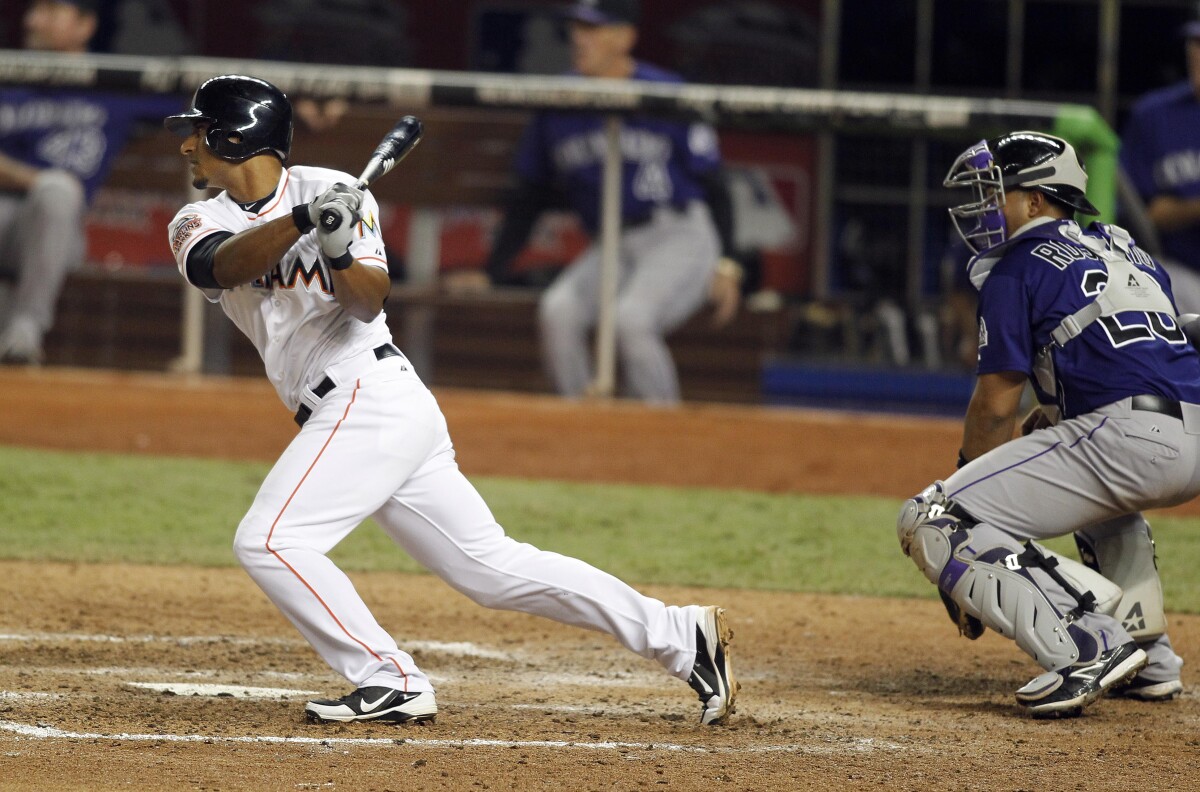
Pitcher vs batter stats are the backbone of every smart MLB decision in 2026. Whether you are a fantasy baseball manager, a DFS player, or just a hardcore baseball fan, understanding today’s BvP matchups gives you a real edge.
These head-to-head numbers reveal historical patterns that raw team stats simply can’t show. From ERA leaders to batting average splits, this guide covers everything you need to follow today’s top performers, read the numbers right, and stay ahead of every matchup.
What Are Pitcher vs Batter Stats?
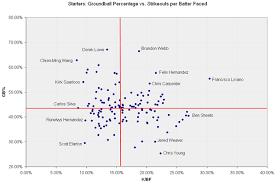
Pitcher vs batter stats, commonly called BvP, measure how a specific hitter performs against a specific pitcher over their career or current season.
These numbers include plate appearances, batting average, on-base percentage, slugging, OPS, home runs, strikeouts, and walks. The more at-bats in the sample, the more reliable the data becomes.
A minimum of 5 plate appearances is widely considered the starting threshold for meaningful BvP data. Anything below that carries too much noise and variance to act on.
Why BvP Matchup Data Matters in 2026
The 2026 MLB season has seen pitching evolve faster than ever. Velocity is up, spin rates are measured to the decimal, and pitch mix data is publicly available through Baseball Savant.
Batters are also adjusting. Exit velocity, launch angle, and barrel rate now define who is truly hitting well versus who is just getting lucky.
When you combine pitcher and batter Statcast data with historical BvP records, you get the clearest picture of what will happen in any given at-bat today.
Key Stats to Track in Every Pitcher vs Batter Matchup
Understanding which numbers to watch saves time and sharpens decisions.
| Stat | What It Measures | Why It Matters |
|---|---|---|
| BA (Batting Average) | Hits per at-bat | Basic hit rate vs that pitcher |
| OPS | OBP + SLG combined | Best single-number matchup gauge |
| K% | Strikeout rate | Shows pitcher’s dominance |
| BB% | Walk rate | Measures pitcher command |
| wOBA | Weighted on-base avg | Accounts for quality of contact |
| ERA | Earned run avg | Pitcher’s overall run prevention |
| FIP | Fielding independent pitching | True pitcher skill, removes defense |
| Exit Velocity | Speed of batted ball | Measures batter quality of contact |
| xBA | Expected batting average | Statcast-based contact quality |
Top Starting Pitchers to Watch in 2026
The 2026 pitching landscape is stacked with elite arms. Knowing who is starting today directly shapes which batter matchups are worth targeting.
Tarik Skubal – Detroit Tigers
Skubal enters 2026 as the consensus best starting pitcher in baseball. He set career bests across ERA, FIP, WAR, and strikeouts in 2025 and was the AL Cy Young winner.
His walk rate of just 4.4% last season is among the lowest ever recorded for a qualified starter. Batters facing Skubal need a very strong historical BvP advantage just to break even.
Paul Skenes – Pittsburgh Pirates
Skenes posted a 1.97 ERA in 2025, the lowest for any qualified starter since Justin Verlander in 2022. He is only two seasons into his career but already dominates with one of the most diverse pitch arsenals in the game.
His strikeout rate of 29.5% and walk rate near 5.7% make him historically elite. Any batter without a long track record against him is starting at a severe disadvantage.
Yoshinobu Yamamoto – Los Angeles Dodgers
Yamamoto is the Dodgers’ ace and one of the most technically precise pitchers alive. The Dodgers manage his workload carefully to keep him sharp for postseason baseball.
His combination of pitch movement, command, and sequencing gives hitters almost no predictable pattern to exploit.
Garrett Crochet – Boston Red Sox
Crochet led all of MLB with 255 strikeouts in 2025 and averaged over 205 innings. His six-year, $170 million extension reflects just how dominant he has become.
His ground ball rate near 48% means even good contact often goes nowhere. Batters need above-average pull power to do real damage against him.
Hunter Brown – Houston Astros
Brown held opponents to a .201 average last season while posting an ERA+ of 172. His six-pitch mix limits hard contact better than almost any other starter.
He is projected to produce a sub-3.00 ERA in 2026 with 196+ strikeouts, making him one of the toughest matchup draws for any lineup.
Top Hitters Dominating Pitcher Matchups in 2026
Shohei Ohtani – Los Angeles Dodgers
Ohtani is projected for 44 home runs and a 7.9 WAR as a two-way player in 2026. As a hitter, he remains one of the most feared bats in any lineup.
His ability to hit for power and average against both left- and right-handed pitching makes him nearly impossible to matchup against. His BvP splits show consistently elite OPS numbers across all pitcher types.
Aaron Judge – New York Yankees
Judge is projected to lead the American League with 43 home runs and a 1.004 OPS in 2026. He punishes any pitcher who leaves the ball in the zone.
His strikeout rate has remained high, but his walk rate and barrel percentage more than compensate. Only the absolute elite starters keep Judge below a .900 OPS in BvP data.
Vladimir Guerrero Jr. – Toronto Blue Jays
Guerrero was outstanding during the 2025 playoffs and enters 2026 as a projected top-five hitter in baseball. His BvP splits show he can hit for average and power against nearly any arm.
His contact quality improved dramatically since 2023, and he now punishes fastballs and secondary pitches at an elite level.
How to Read Today’s BvP Matchup Tables
BvP tables list every batter in today’s lineup against their starting pitcher for that game. Here is how to read them efficiently.
Look for batters with at least 15 career plate appearances against a pitcher first. Smaller samples are still shown but carry less predictive weight.
Sort by OPS rather than batting average. OPS captures both on-base ability and power in one number, making it the fastest way to spot a hot matchup.
Check the trend direction. Some tools like FantasyInfoCentral show whether a batter’s BvP OPS is rising or falling over recent years, which matters more than a decade-old number.
BvP Stats vs Season-Long Splits: What to Use When
A common mistake is choosing between BvP data and season-long splits instead of using both together.
| Situation | Best Data to Use |
|---|---|
| Batter has 20+ PA vs pitcher | Prioritize BvP data |
| Batter has under 10 PA vs pitcher | Use season splits vs pitch type |
| Pitcher facing a team for first time | Use team OPS vs pitch type |
| Late-season decisions | Combine recent form + career BvP |
| DFS single-game decisions | BvP + weather + ballpark factor |
The Role of Statcast in Modern BvP Analysis
Baseball Savant changed how scouts and analysts read matchup data. Raw BvP numbers now sit alongside expected stats powered by Statcast tracking.
Exit velocity tells you if a batter is truly squaring up a pitcher or just getting weak contact that happened to fall in. A batter with a .350 BvP average but 82 mph average exit velocity is not actually hitting that pitcher well.
Expected batting average (xBA) and expected slugging (xSLG) cut through luck and show whether performance is sustainable. These are now standard tools on every serious BvP platform.
Ballpark Factors and Their Impact on Today’s Matchups
Stadium dimensions and altitude dramatically shift BvP outcomes. Coors Field in Denver adds roughly 10 to 15 percent more offense to any matchup due to altitude.
Great American Ball Park in Cincinnati is one of the most hitter-friendly parks in MLB and inflates home run numbers for both sides. Meanwhile, Petco Park in San Diego suppresses scoring and helps pitchers maintain lower ERAs.
Always adjust raw BvP numbers based on where today’s game is played. A batter with a .750 OPS vs a pitcher looks very different at Coors versus Petco.
Weather and Umpire Effects on Pitcher vs Batter Outcomes
Temperature affects how far the ball carries. Games played above 75°F with low humidity add meaningful distance to fly balls, increasing home run probability.
Wind direction matters most when blowing straight out toward center or the power alleys. Tools like FantasyInfoCentral’s HRForce index calculate the combined weather impact on home run probability for each game daily.
Home plate umpires also shift outcomes. Umpires with wider strike zones benefit pitchers by generating more called strikes in borderline counts. Pitcher-friendly umpires behind the plate can effectively add half a run to any ERA projection for that start.
Fantasy Baseball and DFS: Using BvP Data Right
Fantasy baseball league champions consistently use BvP data to gain weekly edges in head-to-head matchups. Start batters with favorable BvP histories against that day’s pitcher, especially in favorable parks.
For DFS on FanDuel and DraftKings, BvP data helps identify underpriced batters who have historically punished that night’s starter. A $3,500 hitter with a .950 OPS in 25 career at-bats against tonight’s pitcher is a massive value play.
Never start a pitcher in DFS without checking the BvP numbers for the opposing lineup. One or two dangerous bats with strong BvP history against your pitcher can sink a lineup.
2026 MLB Season Score Highlights and Top Performers So Far
The 2026 MLB season is set to open March 25. Spring training stats already point to some clear early performers for the regular season.
Mason Miller enters 2026 as the reliever with the most dominant projected strikeout rate in baseball, projected to miss nearly 40% of the batters he faces. Any hitter’s BvP data against Miller will be severely limited given how few at-bats he allows per appearance.
Shohei Ohtani’s two-way value makes him the only player projecting over 7.9 WAR, combining his hitting and pitching contributions into a single unprecedented fantasy asset.
Paul Skenes’ rise at such a young age mirrors historic early-career dominance. His BvP data will become increasingly reliable as opposing batters accumulate more plate appearances against his elite arsenal.
Where to Find Pitcher vs Batter Stats Today
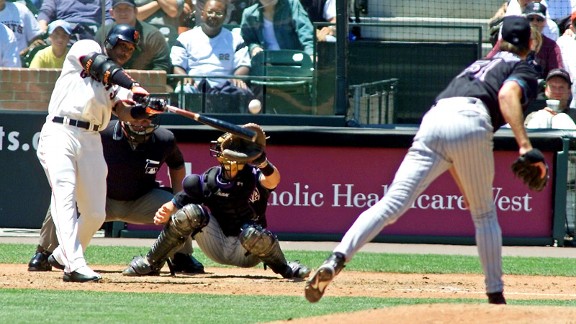
Several platforms provide updated daily BvP data for free or with a subscription.
RotoWire updates BvP tables as of each morning and is widely trusted for accuracy across all stat categories.
Baseball Savant by MLB offers Statcast-powered matchup data including spin rate, pitch movement, and expected outcomes for every player matchup combination.
FantasyInfoCentral combines BvP history with a predictive model that weighs ballpark, weather, and umpire data into a single confidence score per matchup.
Baseball-Reference Stathead allows full historical versus-finder queries going back to 1901 for deep career BvP searches.
RotoBaller publishes a daily BvP cheat sheet specifically for fantasy and DFS users, with matchup ratings and pricing data from major DFS platforms.
Common BvP Mistakes to Avoid
Small sample size is the single biggest trap in BvP analysis. A batter going 4-for-5 against a pitcher looks impressive but means almost nothing statistically.
Ignoring recency is the second most common error. A batter who dominated a pitcher in 2020 but has struggled in recent seasons is not actually a favorable matchup today.
Ignoring pitch mix changes ruins old BvP data. If a pitcher added a new sweeper or dropped their four-seam fastball since your BvP data was recorded, historical numbers against the old version of that pitcher are mostly useless.
2026 Pitcher Performance Projection Table
| Pitcher | Team | Proj. ERA | Proj. K | Proj. WAR |
|---|---|---|---|---|
| Tarik Skubal | Detroit Tigers | 2.45 | 245 | 8.2 |
| Paul Skenes | Pittsburgh Pirates | 2.10 | 230 | 8.0 |
| Yoshinobu Yamamoto | LA Dodgers | 2.70 | 195 | 6.8 |
| Garrett Crochet | Boston Red Sox | 2.65 | 250 | 7.5 |
| Hunter Brown | Houston Astros | 2.98 | 196 | 6.5 |
| Logan Webb | San Francisco Giants | 3.10 | 180 | 5.8 |
| Dylan Cease | Toronto Blue Jays | 3.50 | 220 | 5.5 |
| Blake Snell | LA Dodgers | 3.20 | 185 | 5.2 |
2026 Top Batter Projections for Matchup Analysis
| Batter | Team | Proj. HR | Proj. OPS | Proj. WAR |
|---|---|---|---|---|
| Shohei Ohtani | LA Dodgers | 44 | 1.020 | 7.9 |
| Aaron Judge | NY Yankees | 43 | 1.004 | 7.5 |
| Vlad Guerrero Jr. | Toronto Blue Jays | 36 | .940 | 6.8 |
| Juan Soto | NY Mets | 38 | .980 | 7.0 |
| Bo Bichette | Toronto Blue Jays | 22 | .880 | 5.5 |
| Junior Caminero | Tampa Bay Rays | 30 | .900 | 6.0 |
| Brent Rooker | Oakland A’s | 40 | .910 | 5.8 |
Frequently Asked Questions (FAQs)
What are pitcher vs batter stats in baseball?
They are head-to-head historical stats showing how a specific batter has performed against a specific pitcher. Metrics include batting average, OPS, strikeouts, walks, and home runs across all career matchups.
How many plate appearances make BvP data reliable?
Most analysts use a minimum of 10 to 15 plate appearances for basic reliability and prefer 25 or more for strong predictive value. Under 5 PA is generally considered too small to be useful.
Where can I find today’s pitcher vs batter matchup stats?
Top sources include RotoWire, Baseball Savant, FantasyInfoCentral, RotoBaller, and Baseball-Reference’s Stathead tool, all of which update BvP tables daily during the MLB season.
What is BvP in fantasy baseball?
BvP stands for batter versus pitcher. It refers to the historical matchup data between a specific hitter and pitcher and is used to make smarter start/sit decisions in fantasy baseball and DFS lineups.
Does ballpark affect BvP stats?
Yes, significantly. Hitter-friendly parks like Coors Field and Great American Ball Park inflate offensive BvP numbers, while pitcher-friendly parks like Petco Park suppress them. Always factor park in your analysis.
Who are the top pitchers to watch in 2026?
Tarik Skubal, Paul Skenes, Garrett Crochet, Yoshinobu Yamamoto, and Hunter Brown are the elite tier. All five project for sub-3.00 ERAs and 180+ strikeouts in the 2026 season.
How does Statcast improve BvP analysis?
Statcast adds exit velocity, launch angle, spin rate, and expected stats like xBA and xSLG to raw BvP numbers. This filters out luck and shows whether a batter’s historical performance against a pitcher is truly meaningful.
Should I trust BvP data from five years ago?
Not heavily. Pitcher arsenals change and batters evolve. Prioritize BvP data from the last two to three seasons and weigh recent plate appearances more than old ones when making lineup decisions.
How does weather affect pitcher vs batter outcomes?
High temperatures, low humidity, and wind blowing out toward the power alleys all increase home run probability. Some platforms calculate a daily weather index that adjusts BvP expectations for each game’s conditions.
Can BvP stats help in DFS contests?
Absolutely. Identifying underpriced batters with strong BvP histories against that night’s starter is one of the most reliable edges in daily fantasy baseball on FanDuel and DraftKings.
Conclusion
Pitcher vs batter stats are the most precise tool available for understanding what happens when two players face each other on any given day in 2026.
The matchup data, when combined with Statcast metrics, ballpark factors, weather conditions, and umpire tendencies, gives fans, analysts, and fantasy players a complete picture of the at-bat before it even happens.
As the 2026 MLB season unfolds, elite starters like Tarik Skubal and Paul Skenes will continue setting the standard, while power hitters like Ohtani and Judge will challenge every BvP number on the board. Use the platforms, read the splits carefully, and always respect the sample size. That is how you stay sharp all season long.