Yes or No Wheel: Fun & Easy Way to Decide 2026
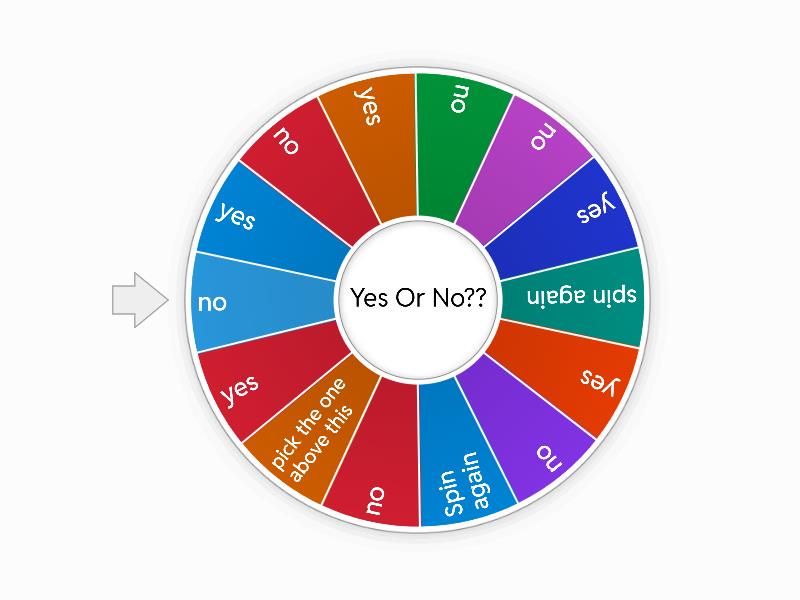
Yes or No Wheel is the fastest, most satisfying way to break through indecision and get an instant answer with a single spin.
Whether you are stuck choosing between two options, trying to settle a group debate, or just want a fun and unbiased way to make everyday choices, this free online decision tool delivers results in seconds.
Trusted by millions of users worldwide, the yes or no spinner has become a go-to solution for students, teachers, content creators, and anyone tired of overthinking simple decisions.
What Is a Yes or No Wheel?
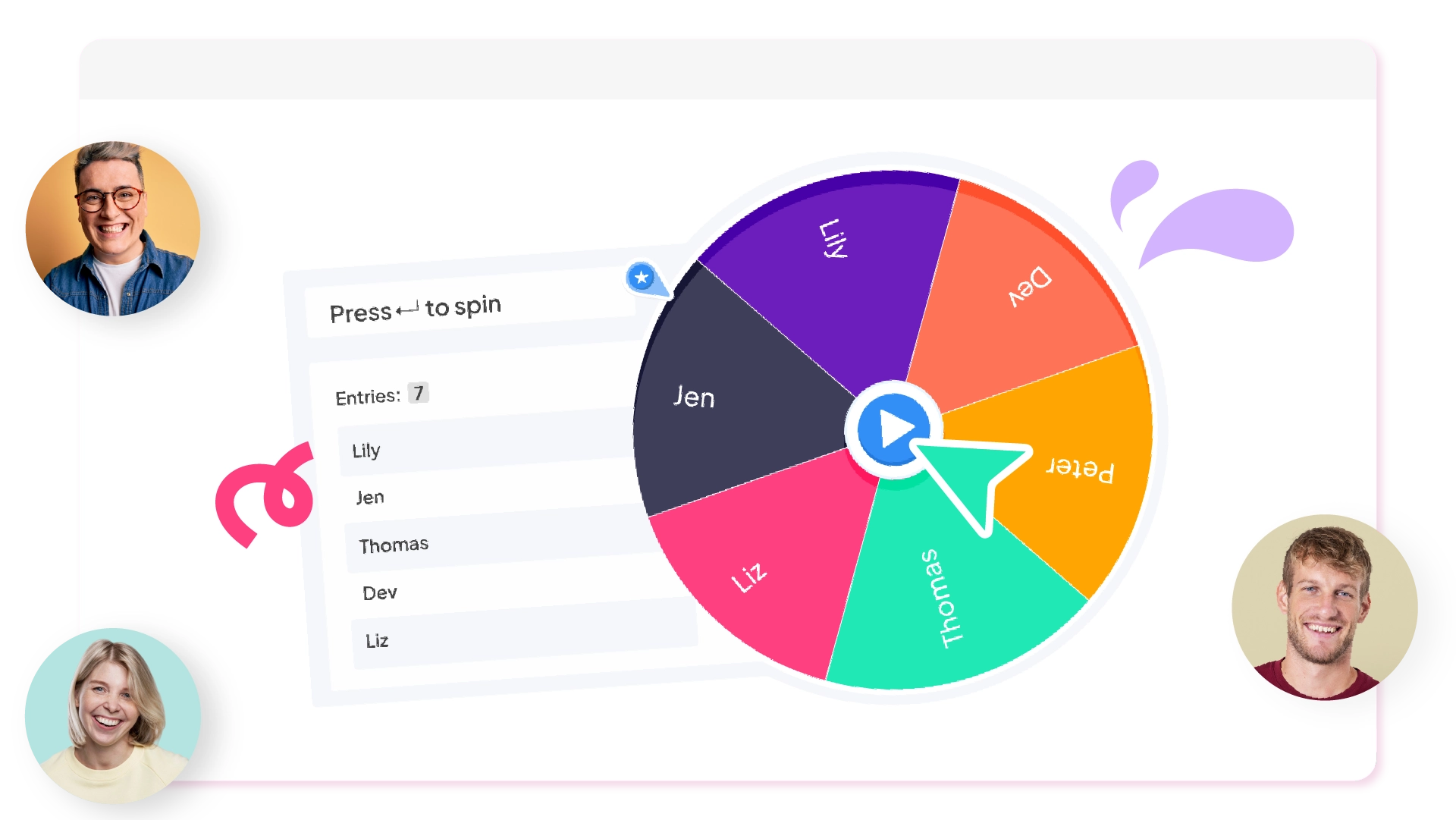
A yes or no wheel is a virtual spinning wheel divided into segments labeled YES and NO.
When you click the spin button, a randomization algorithm determines where the wheel stops, giving you an instant and unbiased answer. Some versions also include a MAYBE option for situations where a binary choice feels too limiting.
The tool is completely free to use, requires no account or sign-up, and works on every device including phones, tablets, and computers. It is essentially a digital upgrade of the classic coin flip, but with better visuals, customizable options, and the ability to track your results over time.
How Does a Yes or No Wheel Work?
The yes or no spinner uses a pseudorandom number generator algorithm built into JavaScript to calculate each result.
Every time you hit spin, the algorithm runs a fresh calculation that is completely independent of the previous spin. This means there is no pattern, no memory, and no bias carried from one result to the next.
The wheel animation plays out visually so you can watch it decelerate before stopping on either YES, NO, or MAYBE depending on which mode you have selected. The final result is displayed clearly on screen and added to a running counter that tracks your spin history.
Each outcome has an equal probability of landing. In standard YES or NO mode, each option carries a 50 percent chance per spin.
Why People Use the Yes or No Wheel
Decision fatigue is a real psychological phenomenon. Research shows that humans make thousands of micro-decisions every single day, and that mental capacity for good decision-making erodes as the day progresses.
Using a random yes or no generator gives your brain a rest from the effort of weighing options. For low-stakes everyday decisions, outsourcing the choice to a spinner is not just acceptable but genuinely useful.
People also use the yes or no wheel because their gut reaction to the result reveals what they actually wanted. If the wheel lands on NO and you feel disappointed, that emotional response tells you the answer was YES all along. The wheel does not just decide for you. It helps you discover what you already know.
Top Reasons to Use a Yes or No Wheel in 2026
The yes or no decision wheel has grown into a multi-purpose tool that serves a wide range of users for a wide range of situations.
It eliminates analysis paralysis for anyone who overthinks simple choices. Instead of spending twenty minutes debating whether to order pizza or cook at home, a single spin gives you an answer and lets you move forward.
It removes personal bias from group decisions. When two or more people cannot agree, handing the decision to an impartial spinner removes emotion from the equation and gives everyone a result they pre-agreed to accept.
It adds genuine entertainment value to everyday moments. Watching the wheel spin, decelerate, and land on a result creates a small but satisfying moment of excitement that a plain coin flip simply cannot match.
It works instantly on any device with no download, no registration, and no setup time. The barrier to using it is almost zero, which is why millions of people reach for it every day.
Yes or No Wheel Modes Explained
Modern yes or no wheel tools offer several distinct modes that expand the tool’s usefulness beyond a simple binary flip.
YES or NO Mode
This is the default and most commonly used mode. The wheel contains exactly two segment types, YES and NO, giving each outcome a perfectly equal 50/50 chance on every spin.
It is best for decisions where you genuinely accept either outcome and just need something external to break the tie.
YES, NO, or MAYBE Mode
Adding MAYBE as a third option changes the probability distribution. Each outcome now carries approximately a 33 percent chance, with MAYBE introducing the possibility of deferring the decision or acknowledging genuine uncertainty.
This mode is particularly useful when you want to leave room for a middle-ground answer or when the decision genuinely does not have a clear binary outcome.
Custom Options Mode
Many advanced yes or no wheel tools let you replace YES and NO with any two custom labels. This transforms the spinner into a general-purpose decision wheel for choices like Pizza vs Sushi, Netflix vs Gym, or any other A vs B scenario.
Custom mode keeps all the randomization and visual benefits of the spinner while applying them to choices that go far beyond a simple yes or no.
Multi-Spin Mode
Some platforms offer a multi-spin feature that runs 3, 5, or 10 consecutive spins and tallies the aggregate result. This best-of approach adds statistical confidence to the outcome, particularly useful when you feel genuinely torn and want more than a single spin to commit to a direction.
Yes or No Wheel Modes Comparison Table
| Mode | Options | Probability Each | Best For |
|---|---|---|---|
| YES or NO | 2 | 50% each | Simple binary decisions |
| YES, NO, MAYBE | 3 | ~33% each | Uncertain or nuanced choices |
| Custom Options | 2+ | Equal split | A vs B decisions with specific labels |
| Multi-Spin (5x) | 2 | Majority vote | When you need more confidence |
| Multi-Spin (10x) | 2 | Statistical majority | Group commitments and challenges |
How to Use a Yes or No Wheel Step by Step
Using the yes or no spinner takes less than thirty seconds from opening the page to getting your answer.
Think of your question first. Frame it as a yes or no question before you spin. For example: Should I go to the gym today? Is this idea worth pursuing? Do I want to accept this invitation?
Open any free yes or no wheel tool in your browser. No download is required. The tool loads instantly on both desktop and mobile.
Select your mode. Choose YES or NO for a binary answer, or switch to YES NO or MAYBE if you want that third option available.
Click the SPIN button or press the spacebar. Watch the wheel spin, decelerate, and land on your result.
Note your gut reaction. Before you act on the result, check how you feel about it. Relief or excitement means the result matches your preference. Disappointment means you likely wanted the opposite.
Act on the result. The value of the spinner comes from committing to what it shows. If you pre-agreed to follow the wheel, follow it.
Best Use Cases for a Yes or No Wheel
The yes or no decision wheel fits into more daily scenarios than most people initially realize.
Everyday Personal Decisions
Should I go out tonight? Should I order takeout? Should I start that new TV show? These are all perfect yes or no wheel questions.
Low-stakes personal decisions are the bread and butter use case for the spinner. They are exactly the type of choice that drains mental energy out of proportion to their importance. The wheel handles them instantly.
Classroom and Education Activities
Teachers use the yes or no wheel as an interactive classroom engagement tool. It can randomly assign which student answers a question, decide the direction of a classroom vote, or add an element of chance to review games.
Students enjoy the visual spin animation and the element of unpredictability it introduces. Even a simple yes or no answer delivered by a spinning wheel feels more exciting than a plain show of hands.
The tool works in both physical classrooms on a projected screen and in remote learning environments shared through a screen-sharing platform. No special software or accounts are needed.
Team Meetings and Office Use
Meeting facilitators use the yes or no wheel to break deadlocks in group decisions, randomly select who presents first, or add a quick engagement activity to start a meeting.
When a team has been going back and forth on a minor decision, agreeing to let the spinner decide removes interpersonal tension and moves the meeting forward. Everyone agreed to spin, so everyone accepts the outcome.
Remote teams find it particularly valuable because it provides a shared visual experience that everyone can see simultaneously through a shared screen or meeting link.
Party Games and Social Events
The yes or no wheel is a natural fit for party games, icebreaker activities, and social challenges. Players can spin to determine whether they must complete a dare, answer a personal question, or accept a challenge.
Adding a spinner to social games creates spontaneous moments and removes the awkwardness of asking someone to judge or assign tasks. The wheel is neutral, which makes the outcome feel fair to everyone involved.
Content Creators and Streamers
Live streamers use the yes or no wheel to let their audience influence decisions during a stream. Should the streamer accept a challenge? Should they play a harder difficulty? The wheel decides.
This audience participation element creates engagement and gives viewers a sense of involvement in the content. Many streamers use the spinner alongside polls and viewer challenges to build interactive experiences.
Creative Writing and Brainstorming
Writers use the yes or no wheel to break creative blocks. Should this character survive? Should this plot take an unexpected turn? Does this idea have potential?
Randomness can unlock creative directions that deliberate thinking closes off. A spin that forces you down an unexpected path often produces more original ideas than careful planning alone.
Spiritual and Fortune-Based Uses
Some users approach the yes or no wheel as a modern oracle or fortune tool, similar to a magic 8-ball or tarot reading. They frame deeper personal questions and use the result as a reflective prompt rather than a definitive instruction.
This use case treats the wheel not as a literal decision-maker but as a catalyst for self-reflection. The result provokes thought and emotional response, which is often more valuable than the answer itself.
Best Use Cases Summary Table
| Use Case | Who Uses It | Mode | Frequency |
|---|---|---|---|
| Everyday choices | Individuals | YES/NO | Daily |
| Classroom activities | Teachers, students | YES/NO/MAYBE | Weekly |
| Meeting facilitation | Teams, managers | YES/NO | Weekly |
| Party games | Social groups | YES/NO/MAYBE | Occasional |
| Live streaming | Content creators | Custom or YES/NO | Per stream |
| Brainstorming | Writers, creatives | YES/NO | As needed |
| Spiritual reflection | Personal users | YES/NO/MAYBE | Occasional |
The Psychology Behind Why the Yes or No Wheel Works
There is genuine science behind why randomized decision tools help people make better choices and feel better about the outcomes.
Decision fatigue research shows that humans have a finite cognitive budget for making choices. The more decisions we make, the lower the quality of our later choices becomes. Using a spinner for minor decisions preserves that cognitive budget for choices that genuinely require deliberate thought.
Analysis paralysis is the state of being unable to make a decision because you keep analyzing options. The yes or no wheel short-circuits this loop by imposing an external answer, forcing the brain to exit the analysis cycle and move into action mode.
The emotional response theory is one of the most valuable psychological aspects of the spinner. When you spin and feel clear relief or disappointment at the result, that emotional reaction reveals your genuine preference. The wheel did not make your decision. It helped you notice the decision you had already made emotionally.
Commitment psychology also plays a role. When two people or a group agree in advance to accept whatever the wheel decides, they are more likely to genuinely follow through than if one person had simply made the same choice. The pre-commitment to the wheel’s authority makes the outcome more binding in social and psychological terms.
Yes or No Wheel vs Other Decision Tools
The yes or no spinner competes with several traditional and digital decision-making methods. Understanding how it compares helps you choose the right tool for each situation.
Yes or No Wheel vs Coin Flip
A coin flip delivers the same binary probability as a yes or no wheel. But the spinner wins on nearly every other metric.
The visual animation is more engaging and satisfying than watching a coin land. The spinner can be customized, tracked over multiple spins, and expanded to include a third MAYBE option. It is also harder to accidentally misread a spinning wheel result than a coin that landed in grass or rolled under a couch.
For group settings, everyone can see the wheel spin on a shared screen, while a physical coin requires everyone to gather closely. The spinner is simply the modern, more versatile evolution of the coin flip.
Yes or No Wheel vs Magic 8-Ball
The classic Magic 8-Ball delivers 20 possible responses, including several non-committal answers. This variety can be entertaining but also frustrating when you genuinely need a clear YES or NO.
The yes or no wheel delivers exactly the answer format you chose. You select YES/NO or YES/NO/MAYBE before spinning, so the output matches your need precisely. There is no risk of getting a vague response like “Outlook not so good” when you simply needed a clear direction.
Yes or No Wheel vs Random Number Generator
A random number generator produces a number, not an answer, which requires an extra translation step. You must decide in advance which number means yes and which means no before you can use the result.
The yes or no wheel builds that translation in. The result is labeled and immediately actionable without any interpretation required.
Yes or No Wheel vs Asking a Friend
Asking someone else for a decision is a social approach that introduces bias, obligation, and relationship dynamics into what should be a neutral process.
The person you ask may have their own preferences that influence what they tell you. They may tell you what they think you want to hear. Using the spinner removes all of those complications and delivers a genuinely impartial outcome.
Decision Tool Comparison Table
| Tool | Options | Customizable | Trackable | Visual | Bias-Free |
|---|---|---|---|---|---|
| Yes or No Wheel | 2–3+ | Yes | Yes | Yes | Yes |
| Coin Flip | 2 | No | No | Minimal | Yes |
| Magic 8-Ball | 20 | No | No | No | Yes |
| Random Number Gen. | Unlimited | Partial | No | No | Yes |
| Asking a Friend | Unlimited | No | No | No | No |
| Dice Roll | 6 | No | No | Minimal | Yes |
Yes or No Wheel Features to Look For in 2026
Not all yes or no wheel tools are built the same. These are the features that separate a great spinner from a basic one.
Instant spin animation with sound effects makes the experience feel engaging and satisfying rather than mechanical. The visual deceleration of the wheel before it stops adds suspense that keeps users coming back.
Result history tracking lets you see how many YES and NO outcomes you have generated in a session. This is valuable for multi-spin decision approaches and for users who want to review patterns in their spin results.
YES/NO/MAYBE toggle mode gives users the flexibility to add a third option without needing to switch tools. The best platforms make this a one-click change.
Custom label replacement allows you to swap YES and NO for any two words, turning the spinner into a universal A vs B decision tool.
Mobile responsiveness ensures the tool works equally well on a phone screen as on a desktop monitor. A spinner that requires precise mouse clicks to operate is frustrating on a touchscreen device.
No-login access means you can use the tool immediately without creating an account, entering an email address, or accepting cookies beyond what the platform legally requires.
Privacy-first result storage means your spin history and questions stay on your local device and are not uploaded to external servers or shared with third parties. This matters for users who spin personal questions.
Yes or No Wheel for Teachers: A Classroom Guide
Teachers have discovered the yes or no spinner as a low-preparation, high-engagement classroom tool that works across age groups and subjects.
For random student selection, the teacher adds student names as custom labels and spins to decide who answers a question. This removes any perception of teacher favoritism and keeps all students alert since anyone could be selected.
For classroom votes on minor decisions, like which book to read next or which game to play during free time, the spinner settles the question instantly and with visible fairness. Students who campaigned for the losing option accept the result more easily because the wheel decided, not the teacher.
For review games, the yes or no format works well for true or false questions, fact-checking exercises, and prediction activities. Students spin before hearing the correct answer, creating a personal stake in each question.
For icebreaker activities at the start of class, spinning the yes or no wheel to answer fun personal questions gets students talking and creates a light atmosphere before academic content begins.
Yes or No Wheel for Business Teams
Remote and hybrid work has created a demand for simple, shareable tools that make lightweight group decisions faster without scheduling another meeting.
A yes or no wheel embedded in a shared screen during a video call resolves minor disagreements in under ten seconds. Should we move the deadline? Should we include this feature in the next sprint? Spin once and move forward.
For team building activities and ice-breaker sessions, the spinner creates shared moments of humor and spontaneity. Team members enjoy the visual randomness and the communal anticipation of waiting for the wheel to stop.
Meeting facilitators use the spinner to randomly assign presentation order, select which team member leads a retrospective segment, or decide between two meeting agenda formats when time is limited.
Common Questions About Yes or No Wheel Randomness
Many users wonder whether the yes or no generator is truly random or whether it favors one outcome over time.
The answer depends on the specific tool. Most reputable platforms use JavaScript’s built-in Math.random function or a cryptographic random number generator. Both produce outcomes that are statistically independent across spins, meaning no result carries weight into the next.
Over a long series of spins, YES and NO results should approach equal distribution because each spin is a fresh 50/50 calculation. Short-term streaks of the same result are statistically normal and do not indicate bias.
Users sometimes perceive bias because the human brain is wired to notice patterns even in genuinely random data. Three YES results in a row feels like a pattern but is simply the expected variation in any random sequence of binary outcomes.
Tips for Getting the Most From Your Yes or No Wheel
A few simple habits make the yes or no wheel more useful and more satisfying in practice.
Decide before you spin whether you will commit to the result. If you are not willing to accept either outcome, you are not ready to spin yet. Clarifying your commitment beforehand prevents post-spin rationalization.
Use the MAYBE option sparingly and with intention. MAYBE is most useful when you genuinely want permission to postpone the decision or acknowledge that more information is needed. Do not use it as a default escape from committing to YES or NO.
Pay attention to your emotional response before acting. If your gut reacts strongly to the result, especially with disappointment, treat that as data about your real preference and reflect before following the wheel blindly.
Use multi-spin mode for decisions that carry slightly higher stakes. A majority result from five or ten spins feels more statistically grounded than a single outcome, even though each individual spin carries the same probability.
Use custom labels when the decision involves specific options. Replacing YES with one concrete option and NO with another removes ambiguity and makes the spinner result immediately actionable.
Yes or No Wheel on Mobile: Best Practices
The yes or no wheel has become increasingly popular as a mobile tool because phones are the most accessible device for quick, spontaneous decisions.
Most modern yes or no wheel platforms are fully responsive, meaning the wheel resizes and adjusts its touch targets for smaller screens. The spin button is large enough to tap without precise aiming, and the result text is sized for easy reading.
For the best mobile experience, use landscape orientation when running the spinner on a phone. The wheel benefits from horizontal space to display at a larger size.
Bookmark your preferred yes or no wheel site on your phone’s home screen for instant access. Having the tool one tap away removes the friction of searching for it in the moment you need it.
If you are sharing the spinner result with others in a group message or social post, use the screenshot function after the wheel stops. The visual result is more convincing and shareable than a typed message saying what the wheel showed.
Privacy and Safety When Using Yes or No Wheels
Understanding how these tools handle your data matters, especially if you spin personal or sensitive questions.
Reputable yes or no wheel platforms store spin results locally in your browser using localStorage rather than sending them to remote servers. This means your questions and results stay on your device only.
No sign-up requirement means these tools typically collect no personal information from you at all. You use them anonymously without an account tied to your activity.
Always review the privacy policy of any spinner tool if you plan to use it in a professional or educational setting where data handling standards apply. Free consumer tools vary in their data practices, and institutional users should verify compliance before use.
For classroom use, confirm the tool does not collect student data. Tools that operate entirely locally without any backend data collection are the safest choice for educational environments subject to COPPA or FERPA requirements.
Yes or No Wheel Alternatives Worth Knowing
The yes or no wheel sits within a broader category of random decision tools that serve overlapping but distinct purposes.
A full spinner wheel or picker wheel allows you to enter multiple custom options and spin to select one at random. This is the best tool for decisions with more than two choices, like selecting a random team member from a list or picking a random activity from several options.
A random name picker operates on the same principle as the picker wheel but is specifically designed for drawing names from a list. Teachers use these for student selection and contest organizers use them for prize draws.
A coin flip simulator replicates the binary probability of yes or no without the visual wheel format. It is simpler and faster to load but lacks the customization, history tracking, and multi-mode features of the yes or no wheel.
A random number generator is useful when the decision involves a numeric range rather than a labeled binary outcome. Picking a number between one and ten is faster with a number generator than adapting a yes or no wheel to that task.
Frequently Asked Questions (FAQs)
What is a yes or no wheel?
A yes or no wheel is a free online decision tool that spins a virtual wheel to deliver an instant YES or NO answer. It uses a random number generator to produce fair, unbiased results every spin.
Is the yes or no wheel truly random?
Yes, reputable yes or no wheel platforms use JavaScript’s random number generator or cryptographic algorithms to ensure each spin is statistically independent. There is no memory between spins and no bias toward either outcome.
Can I add a MAYBE option to the yes or no wheel?
Yes, most yes or no wheel tools include a YES/NO/MAYBE mode that you can activate with one click. This adds a third option that carries approximately a 33 percent probability per spin.
Is the yes or no wheel free to use?
Yes, all major yes or no wheel platforms are completely free to use with no account or subscription required. You simply open the tool in any browser and start spinning immediately.
Can I use the yes or no wheel on my phone?
Yes, modern yes or no wheel tools are fully mobile-responsive and work on smartphones and tablets. The interface adapts to touchscreens so you can tap to spin without needing a mouse.
Does the yes or no wheel save my results?
Most platforms track your spin results locally using browser storage during your session. These results are visible as a running counter on screen and are not shared with external servers on privacy-focused tools.
Can I customize the yes or no wheel with my own options?
Yes, many yes or no wheel tools let you replace YES and NO with custom text labels. This makes the spinner usable for any A vs B decision beyond the standard yes or no format.
How is a yes or no wheel better than flipping a coin?
The yes or no wheel offers customizable modes, result tracking, visual engagement, sound effects, and multi-spin options that a coin flip cannot match. It also works identically for both physical and remote group settings via shared screen.
Can teachers use the yes or no wheel in classrooms?
Yes, teachers use the yes or no wheel for student selection, classroom votes, review games, and icebreaker activities. It works equally well in physical classrooms projected on a screen and in remote learning via screen share.
What should I do if I disagree with the yes or no wheel result?
If you feel disappointed or relieved by the result, use that emotional reaction as information about your real preference. The wheel is most useful as a decision catalyst, not as an absolute authority on important life choices.
Conclusion
Yes or no wheel is one of the simplest, most effective, and most widely used decision tools available online in 2026. It takes a universal human challenge, the inability to choose between two options, and solves it with a satisfying spin, a fair random algorithm, and an instant visual result.
Whether you use it for everyday personal decisions, classroom engagement, team meeting facilitation, party games, or creative brainstorming, the tool delivers value every single time because it is fast, free, unbiased, and available on every device without any setup. The real power of the yes or no spinner is not just the answer it gives you.
It is what your reaction to that answer reveals about what you already wanted. Spin with intention, commit to the result, and let the wheel move you forward when your own mind cannot.