Why Are My Gums Bleeding? Warning Signs Explained 2026
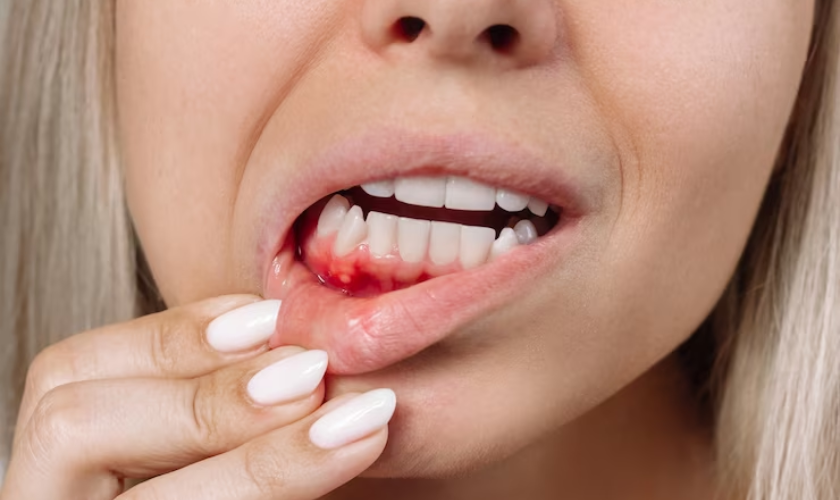
Why are my gums bleeding is one of the most common questions people ask their dentist, and for good reason.
Bleeding gums are rarely “just normal” — they are your body’s way of sending a warning signal.
Whether it happens when you brush, floss, or even randomly throughout the day, gum bleeding should never be ignored.
What Do Bleeding Gums Actually Mean?
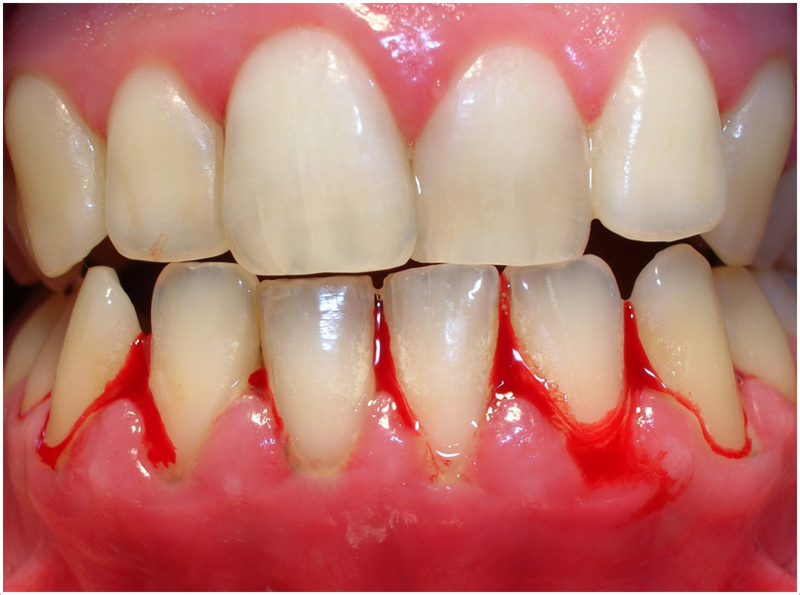
Bleeding gums are almost always a sign that something is wrong with your oral health — or your overall health. The blood you see in the sink is your body reacting to irritation, infection, or inflammation in the gum tissue.
Healthy gums are firm, light pink, and do not bleed during normal brushing or flossing. If yours do bleed, that is a clinical signal worth taking seriously.
The Most Common Cause: Plaque Buildup
The number one reason gums bleed is the buildup of plaque along the gumline. Plaque is a sticky, bacteria-filled film that forms on teeth every day.
When plaque is not removed through brushing and flossing, it irritates the gum tissue. The gums become inflamed, swollen, and prone to bleeding — a condition known as gingivitis.
If plaque is still not removed, it hardens into tartar (calculus), which can only be removed by a dental professional. At this stage, the condition can progress from gingivitis to periodontitis.
Gingivitis vs Periodontitis: What Is the Difference?
Understanding the stages of gum disease helps you know how urgent your situation is.
| Condition | Stage | Reversible? | Key Symptom |
|---|---|---|---|
| Gingivitis | Early gum disease | Yes | Red, swollen, bleeding gums |
| Periodontitis | Advanced gum disease | No (manageable) | Gum recession, loose teeth, bone loss |
| Trench Mouth | Severe gum disease | Requires intensive care | Painful ulcers, heavy bleeding |
Gingivitis is fully reversible with proper oral hygiene and professional cleaning. Periodontitis causes permanent damage to the bone and tissue supporting your teeth and requires ongoing management.
Top Causes of Bleeding Gums
Poor Oral Hygiene
Not brushing twice a day or skipping flossing allows plaque to accumulate rapidly. Even one or two missed days can trigger gum inflammation in people who are already prone to gingivitis.
Brushing too hard or using a hard-bristled toothbrush is also a common culprit. This physically damages the gum tissue and causes it to bleed.
Gingivitis and Gum Disease
Gingivitis is the earliest and most reversible stage of gum disease. The gums become red, swollen, and bleed easily during brushing or flossing. It is caused entirely by plaque bacteria and can be treated at home with improved oral hygiene combined with professional cleaning.
Periodontitis is what happens when gingivitis is left untreated. The infection moves below the gumline, destroying the ligaments and bone that hold your teeth in place. This stage can lead to tooth loss.
Hormonal Changes
Hormonal fluctuations significantly affect gum sensitivity. Pregnancy gingivitis affects roughly half of all pregnant women, causing swollen and bleeding gums due to changes in how the body responds to bacteria.
Puberty, menstruation, and menopause can all trigger temporary gum bleeding as estrogen and progesterone levels shift. Women in these phases should maintain strict oral hygiene routines.
Medications That Cause Gum Bleeding
Certain medications increase the likelihood of gum bleeding by interfering with blood clotting or increasing gum sensitivity.
| Medication Type | Examples | Effect on Gums |
|---|---|---|
| Blood thinners | Warfarin, Aspirin, Heparin | Reduces clotting, increases bleeding |
| Calcium channel blockers | Amlodipine, Nifedipine | Can cause gum overgrowth |
| Antidepressants | Some SSRIs | Increases gum sensitivity |
| Chemotherapy drugs | Various | Reduces platelet production |
Always tell your dentist about any medications you are currently taking, including over-the-counter drugs.
Vitamin Deficiencies
Two vitamins are directly linked to gum health and bleeding.
Vitamin C is essential for collagen production in gum tissue. Without enough of it, gums become weak, fragile, and prone to bleeding. A severe deficiency leads to scurvy, which causes extreme gum bleeding and even tooth loss.
Vitamin K helps blood clot properly. Without adequate vitamin K, even minor gum irritation can trigger prolonged, excessive bleeding.
People with restrictive diets, digestive absorption issues, or certain medical conditions are most at risk for these deficiencies.
Systemic and Medical Conditions
Some general health conditions directly cause or worsen gum bleeding.
- Diabetes — High blood sugar weakens the immune system, making it harder to fight gum infections. Bleeding or swollen gums can be an early warning sign of uncontrolled blood sugar.
- Leukemia — Reduces platelet count, making it much harder for the body to stop bleeding anywhere, including the gums.
- Hemophilia and Von Willebrand Disease — Blood clotting disorders that cause excessive bleeding from even minor gum irritation.
- Thrombocytopenia — A low platelet condition that prolongs gum bleeding.
- HIV and Lupus — Immune system disorders that increase susceptibility to gum infections.
- Liver Disease and Anemia — Both affect the blood’s ability to clot normally.
Smoking and Tobacco Use
Smoking weakens the immune system and reduces the gums’ ability to heal. It also restricts blood flow to gum tissue, which can actually mask bleeding in some smokers — making the damage harder to detect until it is advanced.
Quitting smoking is one of the most impactful steps a person can take for long-term gum health.
New Flossing Habits
If you have just started flossing after a long break, your gums may bleed for the first one to two weeks. This is because the gum tissue is not accustomed to the mechanical cleaning motion yet.
This type of bleeding is temporary. If it does not stop within two weeks of consistent, gentle flossing, something else is likely going on.
Poorly Fitting Dentures
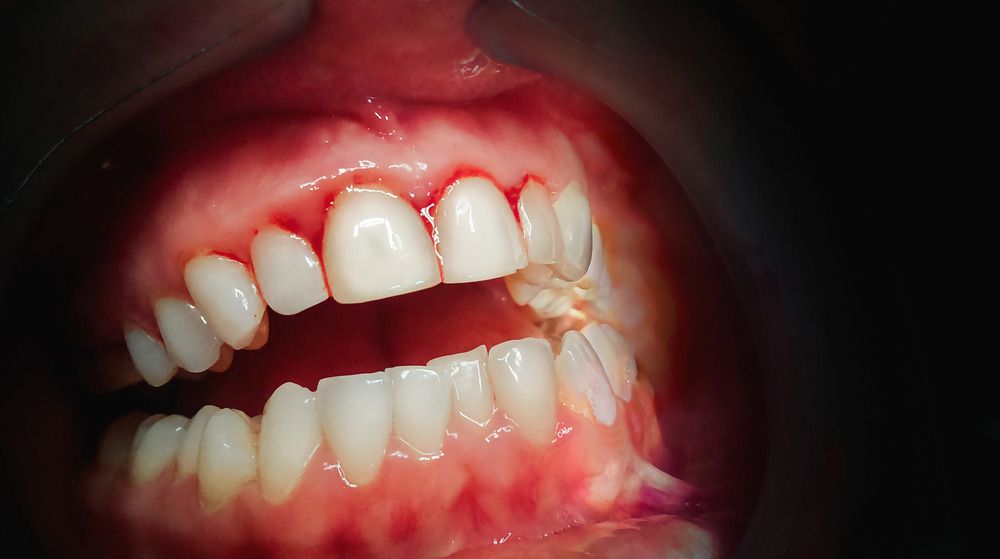
Dentures that do not fit correctly can scratch and irritate the gum tissue, causing sores and bleeding. People who do not remove their dentures at night are especially prone to this issue.
Warning Signs You Should Never Ignore
Some gum bleeding is minor. Other times, it signals something serious that needs immediate dental attention.
See a dentist urgently if you notice:
- Bleeding every single time you brush, even gently
- Gums that are bright red, swollen, and tender to the touch
- Persistent bad breath that does not go away after brushing
- Gums pulling away from teeth (gum recession)
- A tooth that feels loose or your bite feels different
- Pus or discharge around the gum line
- A foul taste in your mouth that will not go away
- Bleeding accompanied by fever or facial swelling
- Bleeding that does not stop after applying gentle pressure for 10 minutes
These warning signs can indicate advanced periodontitis, a dental abscess, or a systemic condition that requires immediate medical evaluation.
Bleeding Gums and Your Overall Health
The link between gum disease and your general health is well-established and significant.
Gum Disease and Heart Disease
Bacteria from infected gums can enter the bloodstream. Once in the blood, these bacteria have been associated with an increased risk of cardiovascular disease and stroke. Chronic gum inflammation is now considered an independent risk factor for heart problems.
Gum Disease and Diabetes
The relationship between gum disease and diabetes runs both ways. Diabetes makes gum disease worse, and untreated gum disease makes blood sugar harder to control. Managing one condition helps improve the other.
Gum Disease and Pregnancy Complications
Untreated periodontitis during pregnancy has been linked to premature birth and low birth weight. Pregnant women should maintain regular dental visits and report any gum bleeding to both their dentist and OB-GYN.
Gum Disease and Respiratory Infections
Bacteria from infected gums can be inhaled into the lungs. This has been linked to an increased risk of respiratory infections, including pneumonia, particularly in older adults.
How to Stop Bleeding Gums at Home
These home care steps can significantly reduce or stop gum bleeding when the cause is mild gingivitis or irritation.
Improve Your Brushing Technique
Use a soft-bristled toothbrush and gentle, circular motions. Brush for a full two minutes, twice a day. Avoid the back-and-forth scrubbing motion as it damages delicate gum tissue.
Floss Every Single Day
Daily flossing removes plaque from between the teeth and along the gumline — areas a toothbrush simply cannot reach. Be gentle, and guide the floss in a C-shape around each tooth.
Use an Antibacterial Mouthwash
An antibacterial or antiseptic mouthwash kills bacteria that cause gum inflammation. Use it after brushing and flossing as a final rinse, not a substitute for them.
Rinse with Warm Salt Water
Dissolve half a teaspoon of salt in a cup of warm water and swish for 30 seconds. Salt water reduces inflammation and acts as a natural antiseptic. This is a reliable short-term remedy for irritated gums.
Apply a Cold Compress
Placing a cold pack on the outside of your cheek can reduce gum swelling and slow bleeding temporarily. This is especially useful after gum trauma.
Improve Your Diet
Eat more foods rich in Vitamin C (oranges, strawberries, bell peppers) and Vitamin K (leafy greens like spinach and kale). Reduce sugary and processed foods that feed the bacteria causing gum disease.
Stay Hydrated
Drinking plenty of water washes away food particles and bacteria. It also keeps saliva production healthy — saliva is your mouth’s natural defense against bacteria.
Quit Smoking
This is one of the most impactful changes you can make. Smoking cessation allows the gums to start healing and reduces infection risk dramatically.
Professional Treatments for Bleeding Gums
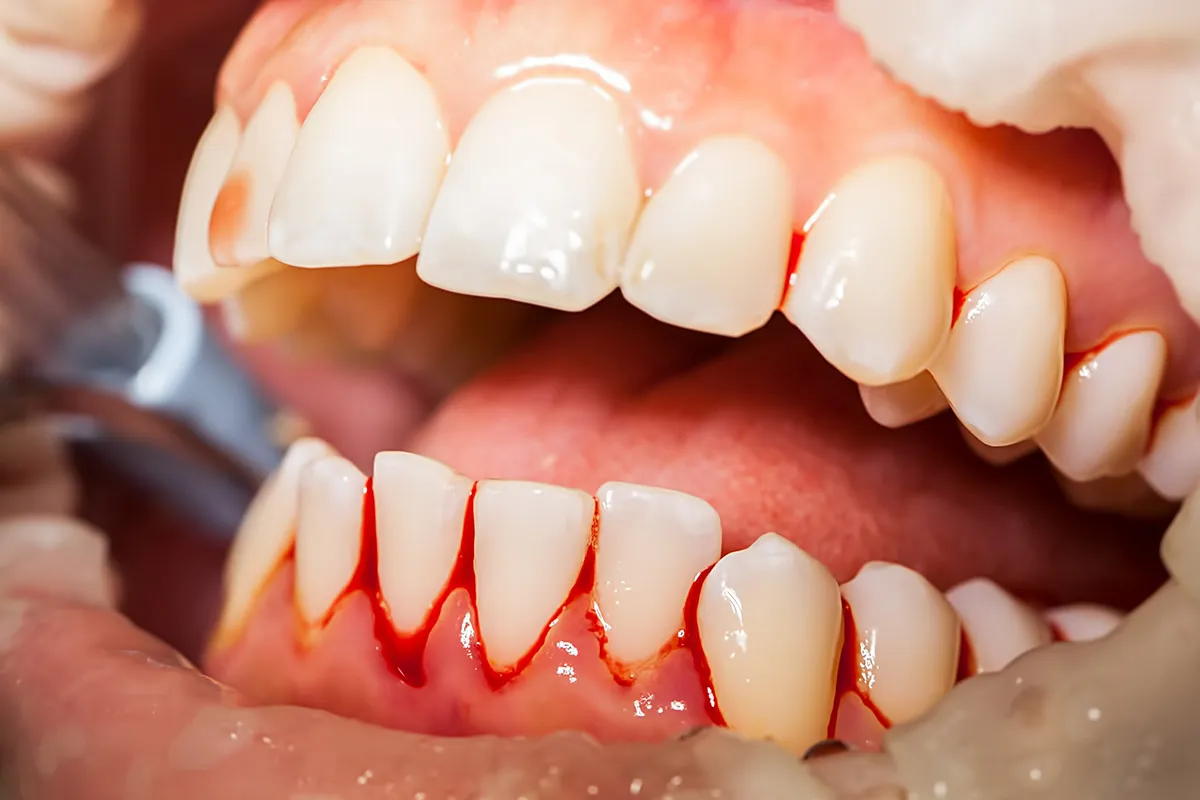
When home care is not enough, a dentist or periodontist can provide targeted professional treatment.
| Treatment | What It Does | Stage of Disease |
|---|---|---|
| Professional cleaning (prophylaxis) | Removes plaque and tartar above the gumline | Gingivitis |
| Scaling and root planing | Deep cleaning below the gumline to remove infected tissue | Early to moderate periodontitis |
| Antibiotics (oral or topical) | Kills bacteria in deep gum pockets | Moderate periodontitis |
| Osseous (flap) surgery | Reduces the size of deep pockets around teeth | Advanced periodontitis |
| Bone grafting | Replaces bone destroyed by gum disease | Severe periodontitis |
| Laser gum therapy | Removes infected gum tissue with minimal bleeding | Moderate to advanced cases |
The earlier you seek professional care, the less invasive and less expensive the treatment will be.
How to Prevent Bleeding Gums Long-Term
Prevention is always simpler and cheaper than treatment. These habits protect your gums for life.
Brush Twice Daily — Morning and before bed, for at least two minutes each session.
Floss Once Daily — Especially at night before brushing, to remove the day’s accumulated debris.
Visit Your Dentist Every 6 Months — Professional cleanings remove tartar that home brushing cannot. If you have a history of gum problems, your dentist may recommend visits every 3 to 4 months.
Eat a Gum-Friendly Diet — Focus on calcium, Vitamin C, Vitamin D, and Vitamin K-rich foods. Reduce sugar, refined carbohydrates, and acidic drinks.
Do Not Ignore Small Signs — A little blood in the sink once is a warning. Blood every day is an emergency in slow motion.
Manage Systemic Conditions — Keep diabetes, blood pressure, and other health issues well managed. Your gum health is directly affected by your overall health.
Replace Your Toothbrush Regularly — Every 3 months, or sooner if the bristles are frayed. A worn toothbrush does not clean effectively.
Frequently Asked Questions (FAQs)
Why are my gums bleeding when I brush?
The most common cause is gingivitis triggered by plaque buildup along the gumline. It can also be caused by brushing too hard or using a hard-bristled toothbrush.
Is it normal for gums to bleed when flossing?
Brief bleeding when starting a new flossing routine is normal and should stop within one to two weeks. Persistent bleeding during regular flossing is a sign of gingivitis and should be checked by a dentist.
Can stress cause gums to bleed?
Yes. Chronic stress elevates cortisol levels, which increases systemic inflammation and weakens the immune system, making it easier for bacteria to cause gum disease and bleeding.
Do bleeding gums mean I have gum disease?
Not always, but it is the most common cause. Bleeding can also result from brushing too hard, vitamin deficiencies, medications, or hormonal changes. A dentist can identify the exact cause.
How quickly can bleeding gums be treated?
Mild gingivitis can often be reversed within two to four weeks with improved brushing, flossing, and a professional cleaning. Advanced periodontitis requires longer-term management.
Can bleeding gums affect my heart?
Research shows a strong association between gum disease and cardiovascular disease. Oral bacteria entering the bloodstream can contribute to arterial inflammation and increase heart attack and stroke risk.
What vitamin deficiency causes bleeding gums?
Vitamin C deficiency weakens gum tissue and is the most direct cause of gum bleeding linked to nutrition. Vitamin K deficiency impairs blood clotting, causing prolonged bleeding from the gums.
Should I brush my gums if they are bleeding?
Yes, but gently. Stopping brushing allows more plaque to build up and makes the situation worse. Use a soft-bristled toothbrush with light, circular motions.
When should I go to the emergency dentist for bleeding gums?
Seek emergency care if bleeding is excessive and does not stop after 10 minutes of pressure, or if it is accompanied by severe pain, pus, fever, or a loose tooth.
Can pregnancy cause gums to bleed?
Yes. Pregnancy gingivitis is very common and affects approximately half of all pregnant women. Hormonal changes increase the gum’s sensitivity to bacteria. It usually resolves after childbirth with proper oral care.
Conclusion
Why are my gums bleeding — this simple question can have many answers, ranging from a brushing technique issue to a sign of advanced gum disease or even a systemic health condition.
The most important thing to understand is that bleeding gums are never truly normal in a healthy adult mouth. They are a message from your body that something needs attention.
The good news is that when caught early, gum bleeding is almost always treatable and often fully reversible.
Consistent brushing, daily flossing, a nutrient-rich diet, and regular dental visits form the foundation of gum health.
If bleeding persists beyond two weeks despite improved home care, do not delay — schedule a visit with your dentist.
Early action protects not just your smile, but your overall health, your heart, and your quality of life for years to come.