Why Do I Have a Bump on My Lip? Signs to Watch 2026
Why do I have a bump on my lip is a question most people ask at least once in their life.
A bump on the lip can appear suddenly, without warning, and without any obvious cause.
It might be small or swollen, painful or completely painless, white, red, or skin-colored.
The good news is that the vast majority of lip bumps are harmless and clear up on their own within a week or two.
The key is knowing what type of bump you are dealing with so you can treat it correctly and recognize the rare signs that need medical attention.
What Does a Bump on Your Lip Actually Mean?
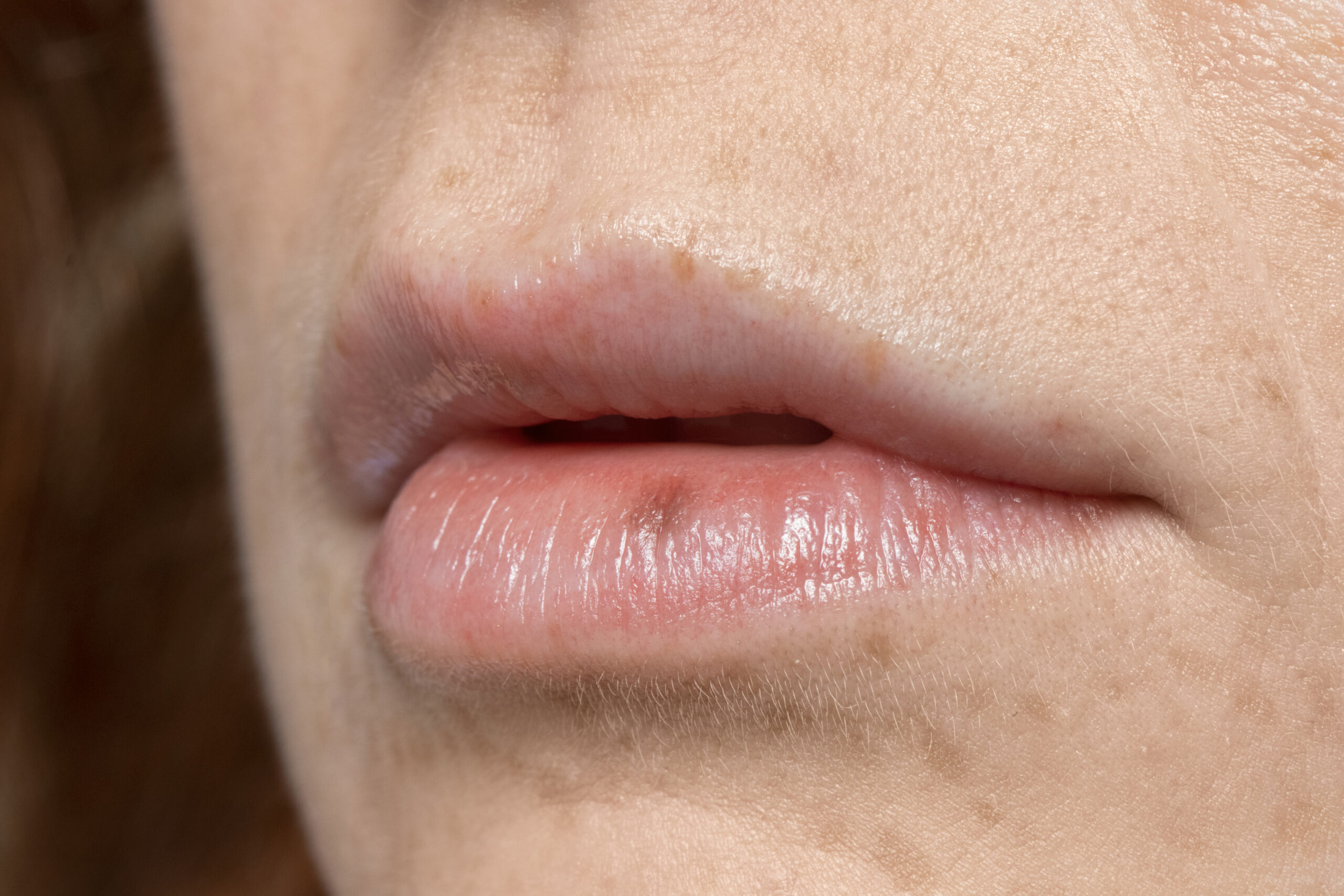
A bump on the lip can mean many different things depending on its location, color, size, and how long it has been there.
Your lips have oil glands, salivary gland ducts, nerve endings, and delicate mucosal tissue. All of these structures can be affected by viruses, blocked glands, minor injuries, allergic reactions, or skin conditions.
Most bumps are benign and self-limiting. A small number can signal something that needs treatment or monitoring.
The Most Common Causes of a Bump on the Lip
Understanding the specific cause is the most important step because treatment differs significantly depending on the type.
Here is a full reference table before diving into each cause individually.
| Type of Bump | Location | Appearance | Painful? | Contagious? |
|---|---|---|---|---|
| Cold Sore | Outer lip border | Fluid-filled blister, crusts over | Yes | Yes |
| Canker Sore | Inside lip or mouth | White or yellow ulcer, red border | Yes | No |
| Mucocele | Inner lower lip | Soft, dome-shaped, bluish or clear | Usually not | No |
| Fordyce Spots | Lip border or inner lip | Tiny pale yellow or white dots | No | No |
| Pimple | Lip line | Red bump, may have white head | Mild | No |
| Milia | Near lip border | Small white pearl-like cyst | No | No |
| Allergic Reaction | Anywhere on lip | Swollen, red, itchy | Varies | No |
| Blood Blister | Any part of lip | Dark red or purple, sudden | Mild | No |
| Oral Thrush | Inner lip or mouth | White patches or raised bumps | Mild | No |
| Lip Cancer | Any location | Hard, non-healing lump | Varies | No |
Cold Sores: The Most Common Lip Bump
A cold sore is caused by the herpes simplex virus type 1 (HSV-1). It is the most common reason people develop a bump on the lip, and most adults carry the virus even without ever having a visible outbreak.
How a Cold Sore Develops
Cold sores typically start with a tingling, burning, or itching sensation on or around the lip. Within a day or two, a cluster of small, fluid-filled blisters forms at the lip border.
These blisters break open, ooze, and then crust over before healing completely. The full cycle usually takes 7 to 14 days.
What Triggers Cold Sores
The virus stays dormant in your nerve tissue between outbreaks. Common triggers that can reactivate it include stress, illness, fever, prolonged sun exposure, fatigue, or hormonal changes during the menstrual cycle.
Treatment for Cold Sores
Over-the-counter antiviral creams containing docosanol can help reduce pain and speed healing. Prescription antiviral medications such as acyclovir or valacyclovir are more effective, especially when taken at the very first sign of tingling.
Cold sores are contagious from the first tingle until the sore is fully healed. Avoid sharing lip products, kissing, or direct contact with the affected area during this time.
Canker Sores: Painful Bumps Inside the Lip
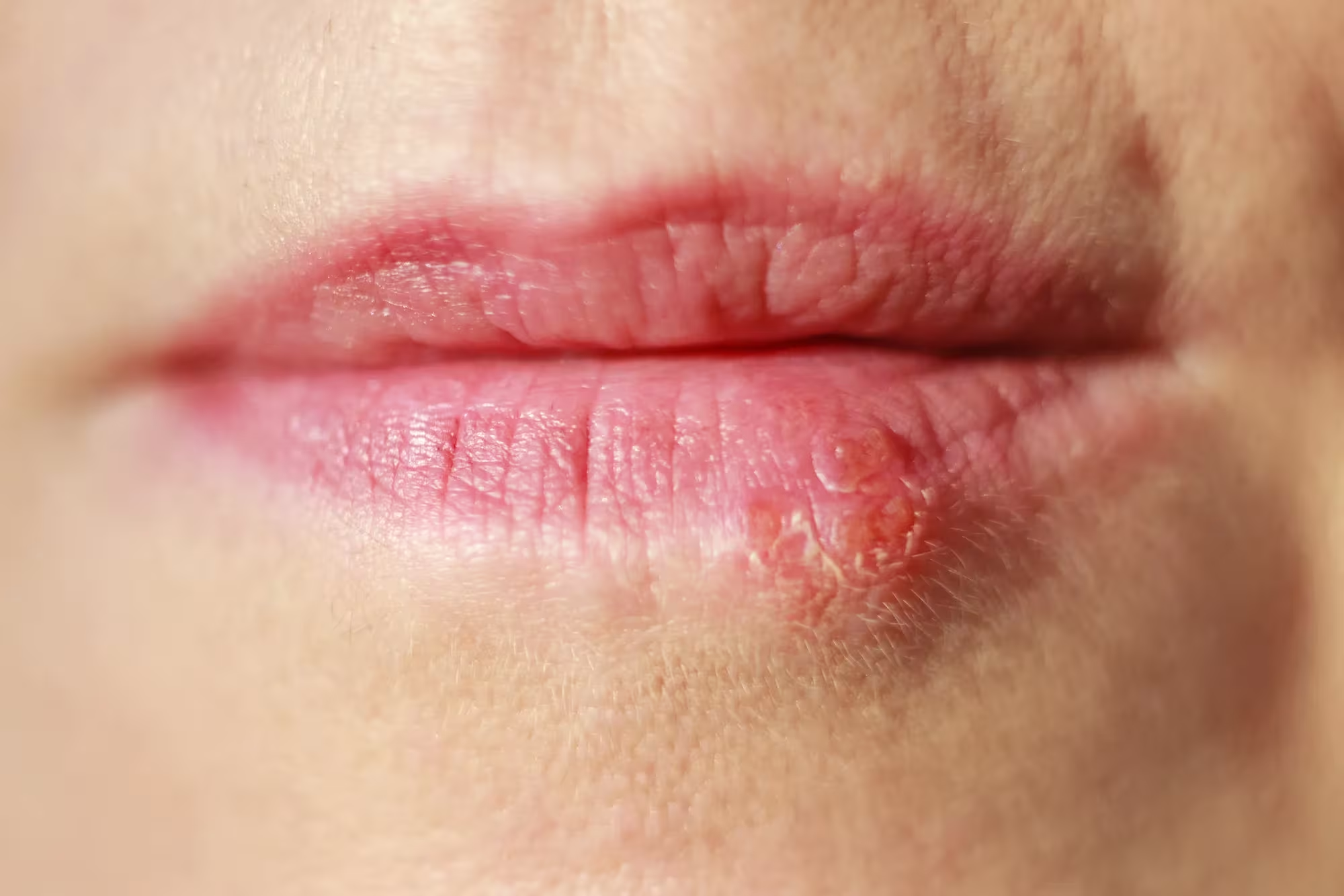
A canker sore, also called an aphthous ulcer, is a small, shallow ulcer that forms inside the mouth, including the inner surface of the lips, the tongue, or the soft palate.
What Canker Sores Look Like
Canker sores are typically round or oval with a white or yellow center and a bright red border. They can be quite painful, especially when eating, drinking, or talking.
They are not caused by a virus and are not contagious. They range in size from a couple of millimeters to over a centimeter in larger, more severe cases.
What Causes Canker Sores
Common triggers include stress, minor injury such as accidentally biting your cheek, certain foods like citrus fruits and spicy dishes, hormonal changes, nutritional deficiencies particularly B vitamins and iron, and certain dental products containing sodium lauryl sulfate.
Treatment for Canker Sores
Most canker sores heal completely on their own within 1 to 2 weeks. Over-the-counter topical gels containing benzocaine or hydrogen peroxide-based rinses can reduce pain and promote healing.
Salt water rinses made with half a teaspoon of salt in warm water are a simple and effective home remedy. For severe or recurrent canker sores, a doctor or dentist may prescribe a corticosteroid such as prednisone to speed up recovery.
Mucocele: A Fluid-Filled Bump on the Inner Lip
A mucocele is a harmless, fluid-filled cyst that forms when a minor salivary gland duct becomes blocked or damaged. This is one of the most common causes of a bump on the inside of the lower lip specifically.
What a Mucocele Looks Like
A mucocele appears as a soft, smooth, dome-shaped bump. It is usually translucent, bluish, or clear in color and ranges in size from a few millimeters up to about 1.5 centimeters.
It is almost always painless. When you press on it gently, it feels soft and may feel like it is filled with fluid. It most commonly forms on the inner lower lip.
What Causes a Mucocele
The most common cause is accidentally biting the inner lip, which damages a small salivary gland duct. Mucus then leaks into the surrounding tissue instead of flowing normally into the mouth, forming a fluid-filled sac.
Habits like repeatedly sucking on the lip can also trigger mucocele formation.
Treatment for a Mucocele
Small mucoceles sometimes resolve on their own once the habit causing the irritation stops. If the cyst persists or keeps coming back, a dentist or oral surgeon can remove it through a minor procedure.
Treatment options include surgical excision under local anesthesia, cryotherapy to freeze the cyst, or laser ablation. Recurrence is uncommon when the entire cyst and affected gland are removed together.
Fordyce Spots: Harmless Dots That Are Not Actually a Problem
Fordyce spots are one of the most misunderstood causes of bumps on the lips. They are not a disease, not an infection, and not contagious. They are simply visible oil glands.
What Fordyce Spots Look Like
Fordyce spots appear as tiny pale yellow, white, or skin-colored dots on the lip border or just inside the lip. They range from 1 to 3 millimeters in size, roughly the size of a sesame seed or smaller.
They may appear as a single dot or in clusters of 50 or more. They have been present since puberty and do not change much over time.
Between 70 and 80 percent of adults have Fordyce spots, making them a completely normal anatomical variation rather than a condition that requires treatment.
Do Fordyce Spots Need Treatment?
No. Fordyce spots are harmless and require no treatment. They do not cause pain, do not spread, and do not affect health in any way.
For people who find them cosmetically bothersome, doctors can help remove them using topical retinoid creams or carbon dioxide laser treatment. These are cosmetic procedures, not medical necessities.
Pimples on the Lip Line: When Acne Migrates
A pimple on or near the lip is simply a form of acne that has formed at the lip line rather than elsewhere on the face. It is more common than most people realize.
Why Pimples Form on the Lip Line
Pimples form when hair follicles or pores near the lip line become clogged with oil, dead skin cells, or bacteria. Hormonal changes, certain lip products that clog pores, wearing face masks, friction from sports equipment, or playing a wind instrument can all trigger breakouts along the lip line.
Pimples at the lip line appear as red bumps and may develop a white or yellowish head. They can be mildly tender to touch.
How to Treat a Pimple on the Lip
Apply a warm compress twice a day to help bring the pimple to the surface. Over-the-counter creams containing benzoyl peroxide or salicylic acid can reduce the size and redness.
The most important rule is to never pick or pop a pimple on the lip. Squeezing can push bacteria deeper, worsen inflammation, and leave a scar. Keep the area clean with a gentle, non-comedogenic cleanser.
Milia: Tiny White Cysts Near the Lip Border
Milia are small, pearl-like white cysts that form when dead skin cells become trapped just below the skin’s surface. They commonly appear near the eye area but can also form near the lip border.
What Milia Look Like
Milia appear as tiny white or yellowish dome-shaped bumps, typically 1 to 2 millimeters in size. They are painless and firm. Unlike whiteheads or pimples, they are not inflamed and do not have a visible opening.
They can appear singly or in small groups. They do not spread and do not cause any health problems.
Treatment for Milia
Milia near the lip often resolve on their own over several weeks or months as the skin naturally exfoliates. Gentle exfoliation with a soft washcloth can help encourage this process.
A dermatologist can remove persistent milia quickly and safely using a fine needle extraction under clean conditions. Do not try to squeeze or pop milia at home, as the skin is very thin in this area and scarring can result.
Allergic Reaction: Sudden Swelling or Bumps from an Allergen
A lip bump or sudden swelling that appears shortly after eating certain foods, applying a new lip product, or using a new toothpaste is likely an allergic reaction.
What Allergic Contact Cheilitis Looks Like
Allergic contact cheilitis is the medical term for an allergic reaction affecting the lips. It typically causes redness, swelling, itching, and sometimes small bumps or blisters that can spread across the entire lip surface.
Common allergens include certain foods such as nuts, shellfish, and citrus fruits, lip balms and lipsticks, toothpaste, sunscreen ingredients, and dental materials like nickel.
Treatment for Allergic Lip Bumps
The first step is identifying and removing the allergen. Once the trigger is gone, symptoms typically improve on their own within a few days.
Over-the-counter antihistamines can reduce swelling and itching. For more severe reactions, a doctor may prescribe a topical corticosteroid to speed healing. If you have a history of severe allergic reactions, carry an epinephrine auto-injector as directed by your doctor.
Blood Blisters: Sudden Dark Bumps After Trauma
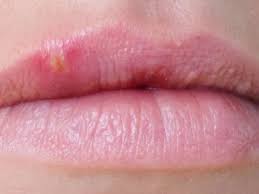
A blood blister on the lip is a dark red or purple raised bump filled with blood rather than clear fluid. It typically appears suddenly, often after biting the lip, trauma, or pinching of the tissue.
Causes and Characteristics
Blood blisters on the lip form when small blood vessels beneath the skin break and blood pools in the tissue. They can feel tender or slightly painful and look alarming due to their dark color.
They usually resolve on their own within a week as the blood is reabsorbed by the body.
What to Do About a Blood Blister
Do not pop or puncture a blood blister. The skin covering it protects the tissue underneath from infection while healing occurs.
Apply a cold compress wrapped in a clean cloth for 10 to 15 minutes to reduce swelling in the first 24 hours. If a blood blister appears repeatedly in the same location without any obvious injury, have a doctor evaluate it.
Oral Thrush: White Bumps from a Fungal Infection
Oral thrush, also called oral candidiasis, is a fungal infection caused by an overgrowth of Candida yeast in the mouth. It can cause white or raised bumps on the inner lips, tongue, and inner cheeks.
Who Gets Oral Thrush
Oral thrush is more common in people who use antibiotics, inhaled corticosteroids for asthma, dentures, or who have a weakened immune system. Infants, older adults, and people with diabetes or HIV are particularly susceptible.
The white patches associated with oral thrush may look like cottage cheese and can sometimes be wiped off, leaving a red or bleeding surface underneath.
Treatment for Oral Thrush
Oral thrush responds well to antifungal medications. Doctors typically prescribe nystatin oral rinse or fluconazole tablets. Maintaining good oral hygiene and cleaning dentures thoroughly helps prevent recurrence.
When a Bump on the Lip Might Be Serious: Warning Signs to Watch
The vast majority of lip bumps are harmless. However, certain warning signs should prompt you to see a doctor or dentist without delay.
These are the red flags associated with lip cancer or other serious conditions that should never be ignored.
| Warning Sign | Why It Matters |
|---|---|
| Bump does not heal after 2 to 3 weeks | May indicate oral cancer or a serious lesion |
| Bump gets larger over time | Could signal a growing tumor |
| Bump bleeds without being touched | Abnormal blood vessel growth is a warning sign |
| Bump is hard and fixed in place | Hard, immovable lumps are a concern |
| White or red patch that does not heal | Leukoplakia or erythroplakia can be precancerous |
| Numbness or tingling in the lip | Can indicate nerve involvement |
| Swollen jaw or neck lymph nodes | Can indicate spreading infection or cancer |
| Recurring sore in the exact same spot | Needs professional evaluation regardless of appearance |
If any of these signs are present, do not wait. Schedule an appointment with your doctor or dentist promptly.
How to Tell Different Lip Bumps Apart: A Quick Identification Guide
Location and appearance together give you the best clue about what you are dealing with.
| Where the Bump Is | What It Looks Like | Most Likely Cause |
|---|---|---|
| Outer lip border, blister that crusts | Tingling started first, fluid-filled | Cold sore |
| Inner lip, white with red border, painful | Shallow ulcer | Canker sore |
| Inner lower lip, soft dome, bluish | Painless, fluid-like | Mucocele |
| Along lip line, red with white head | Slightly tender | Pimple |
| Lip border, tiny pale dots in clusters | Painless, been there for years | Fordyce spots |
| Inner lip, white patches that rub off | May sting | Oral thrush |
| Anywhere, sudden puffiness after eating | Itchy, appeared quickly | Allergic reaction |
| Any location, dark red and sudden | After biting lip | Blood blister |
Home Remedies for a Bump on the Lip
For most minor lip bumps, simple home care can speed healing and relieve discomfort without requiring a doctor visit.
Salt Water Rinse
Mix half a teaspoon of table salt into a cup of warm water. Swish gently in your mouth for 30 seconds and spit. Do this two to three times per day. Salt water reduces inflammation, draws out fluid, and helps keep the area free of bacteria.
Cold Compress
Wrap ice or a cold pack in a clean cloth and hold it gently against the bump for 10 to 15 minutes. This reduces swelling and numbs the area. Repeat as needed, especially in the first 24 to 48 hours after a bump appears.
Aloe Vera Gel
Pure aloe vera gel has natural anti-inflammatory and soothing properties. Apply a small amount directly to the bump two to three times per day. It works particularly well for canker sores and minor irritation-related bumps.
Avoid Irritants While Healing
Spicy foods, very acidic foods like citrus and tomatoes, and extremely hot foods can irritate lip bumps and delay healing. Stick to mild foods and avoid biting or picking at the bump regardless of how tempting it may be.
Keep Lips Moisturized
Dry, cracked lips are more vulnerable to infections and irritation. Use a fragrance-free lip balm with SPF to protect the skin barrier and reduce the risk of further irritation during healing.
Medical Treatments for Persistent or Serious Lip Bumps
When home care is not enough or the cause requires professional treatment, several medical options are available.
| Condition | Medical Treatment |
|---|---|
| Cold sore | Acyclovir, Valacyclovir (antiviral), topical docosanol |
| Canker sore | Topical benzocaine, corticosteroids, antiseptic rinses |
| Mucocele | Surgical excision, cryotherapy, laser ablation |
| Fordyce spots (cosmetic) | Topical retinoids, carbon dioxide laser |
| Allergic reaction | Antihistamines, topical corticosteroids |
| Pimple | Benzoyl peroxide, salicylic acid, topical or oral antibiotics |
| Oral thrush | Nystatin rinse, oral fluconazole |
| Milia | Needle extraction by a dermatologist |
| Lip cancer | Surgery, radiation, chemotherapy depending on stage |
When to See a Doctor About a Bump on Your Lip
Most lip bumps do not require a doctor visit. However, it is time to seek professional evaluation when any of the following apply.
The bump has lasted more than 2 weeks without improving. The bump is growing, changing shape, or changing color. You have pain severe enough to affect eating, drinking, or talking. The bump bleeds without being squeezed. You have a fever, swollen glands, or other systemic symptoms alongside the bump. The bump has returned in the same spot multiple times.
A doctor or dentist can perform a visual examination, take a medical history, and if needed, order a biopsy or exfoliative cytology to rule out serious conditions including oral cancer.
How to Prevent Bumps on the Lip
Prevention is not always possible, especially for conditions like cold sores where the virus is already present in your body. But many lip bumps are preventable with a few consistent habits.
Use a broad-spectrum lip balm with SPF daily. Sun exposure is a known trigger for cold sore outbreaks and can cause damage to lip tissue over time.
Practice good oral hygiene. Brush twice daily, floss regularly, and replace your toothbrush every three months or after any oral infection. Avoid biting or sucking on your lips, which can damage salivary gland ducts and trigger mucocele formation.
Test new lip products on a small patch of skin before applying them fully to check for allergic reactions. Eat a balanced diet rich in B vitamins, vitamin C, and iron to support mucosal health and reduce canker sore frequency.
Frequently Asked Questions (FAQs)
FAQ 1: Why do I have a bump on my lip that won’t go away?
A bump on the lip that does not heal after two to three weeks needs professional evaluation, as it could be a persistent mucocele, a recurring canker sore, or in rare cases, an early sign of lip cancer.
FAQ 2: What causes small white bumps on my lip?
Small painless white dots that have been there a long time are most likely Fordyce spots, which are harmless visible oil glands. White bumps that appear suddenly and cause pain or discomfort may be canker sores or oral thrush.
FAQ 3: Is a bump on my lip a cold sore or a pimple?
Cold sores start with tingling, appear at the lip border as fluid-filled blisters, and are contagious. Pimples appear along the lip line as red bumps, do not cause tingling, and are not contagious.
FAQ 4: Can stress cause a bump on my lip?
Yes. Stress is a well-known trigger for cold sore outbreaks by suppressing immune function. It can also trigger canker sores in people prone to them and may worsen general skin irritation.
FAQ 5: Is a bump on the inside of my lower lip serious?
A soft, painless bump on the inner lower lip is most likely a mucocele, which is a harmless blocked salivary gland. It is not serious but may need a minor procedure if it does not go away on its own.
FAQ 6: How do I get rid of a bump on my lip fast?
For minor bumps, rinse with salt water two to three times daily, apply a cold compress to reduce swelling, and avoid irritating foods. Most benign lip bumps clear up within one to two weeks with consistent home care.
FAQ 7: Can a pimple form on the lip line?
Yes. Pimples can and do form along the lip line when pores become clogged with oil and dead skin cells. Hormonal changes, certain cosmetics, and friction from masks or equipment are common triggers.
FAQ 8: What is the bump on my lip that looks like a blister but is not a cold sore?
A soft, dome-shaped blister-like bump on the inner lower lip that is painless and bluish in color is most likely a mucocele. A dark red or purple blister that appeared after biting the lip is most likely a blood blister.
FAQ 9: When should I worry about a bump on my lip?
See a doctor if the bump has not healed after two to three weeks, is growing, bleeds without being squeezed, feels hard, or is accompanied by swollen lymph nodes, numbness, or a persistent white or red patch.
FAQ 10: Are bumps on the lip contagious?
Cold sores caused by HSV-1 and bumps from hand, foot, and mouth disease are contagious through direct contact. Canker sores, mucoceles, Fordyce spots, pimples, milia, and allergic reactions are not contagious at all.
Conclusion
Why do I have a bump on my lip is a question with many possible answers, and in the vast majority of cases the answer is reassuring.
Cold sores, canker sores, mucoceles, Fordyce spots, and minor pimples account for nearly all lip bumps and all of them are either harmless or easily treated. Cold sores caused by HSV-1 are the most common and respond well to antiviral creams and medications.
Canker sores heal on their own in one to two weeks with salt water rinses and topical gels.
Mucoceles and milia often resolve without any treatment at all.
The most important thing is knowing when to act.
If your bump on the lip has not healed after two to three weeks, is growing, bleeding, or accompanied by other symptoms like swollen glands or numbness, schedule an appointment with a doctor or dentist without delay.
Catching any serious condition early makes all the difference in treatment success.