Why Does the Roof of My Mouth Hurt When I Eat? 2026
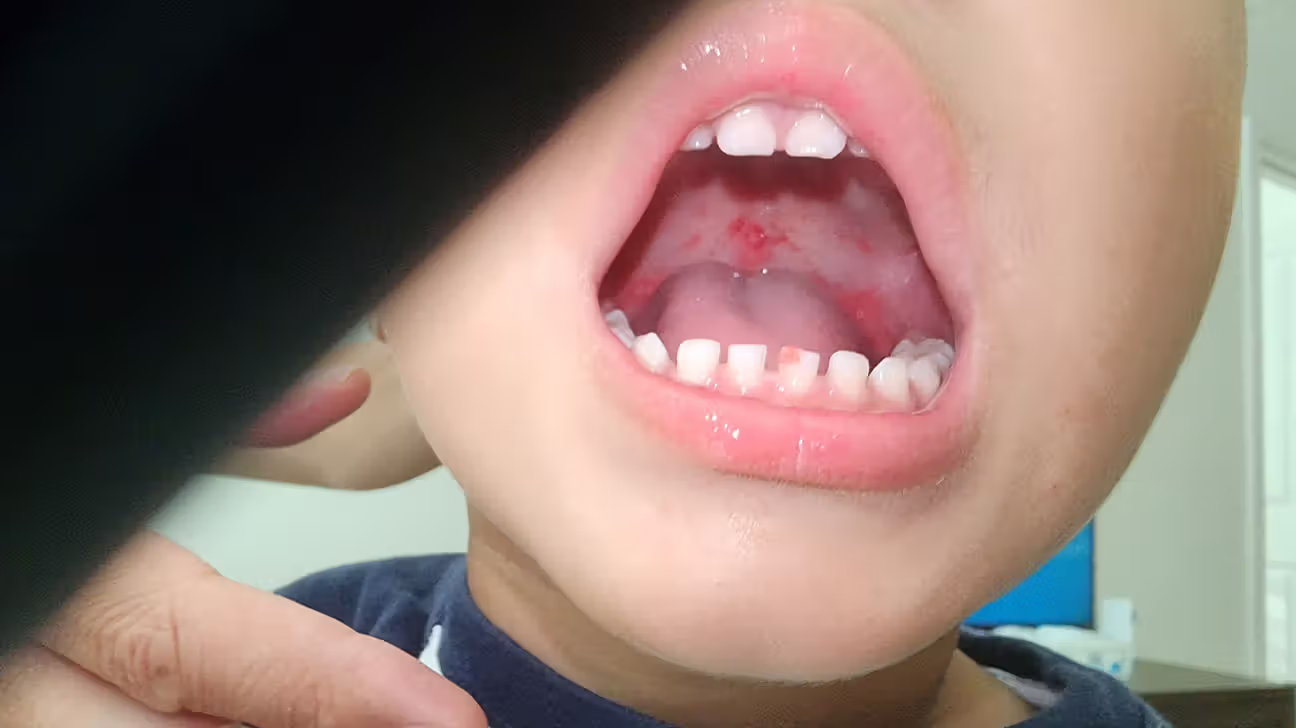
Why does the roof of my mouth hurt when I eat is one of the most common oral health questions asked in 2026 — and for good reason.
The palate is one of the most sensitive, frequently used surfaces in the entire body.
Every bite of food, every sip of liquid, and every breath passes right by it. When that surface becomes sore, even the simplest meals turn uncomfortable.
The cause can be something as minor as a burn from hot pizza or as complex as a sinus infection, dental abscess, or nutritional deficiency.
Understanding the Roof of Your Mouth
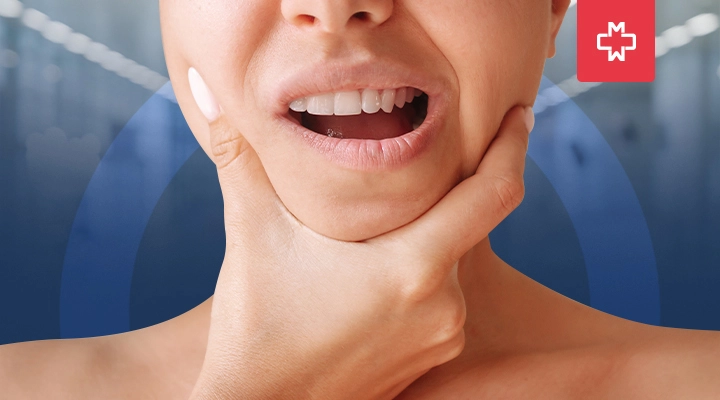
The roof of your mouth is called the palate. It is not one uniform structure — it has two distinct sections with different functions and different pain patterns.
The Hard Palate
The hard palate is the firm, bony ridge at the front of the roof of your mouth, just behind your upper teeth. It is covered by a thin, tightly bound layer of mucous membrane (oral mucosa).
Because this tissue is so thin and tightly attached to the bone beneath it, it is especially vulnerable to burns, cuts, and pressure from food or dental appliances.
The Soft Palate
The soft palate sits at the back of the roof of your mouth, toward the throat. It is fleshy, flexible, and movable — rising to seal the nasal passage when you swallow.
Pain in the soft palate is more commonly linked to throat infections, sinus problems, and systemic illness. Identifying which section hurts helps narrow down the cause quickly.
The Most Common Causes of Roof of Mouth Pain When Eating
There is a wide range of reasons the roof of your mouth can hurt during eating. Most are minor and heal on their own. Some require professional treatment.
Thermal Burns from Hot Food and Drinks
This is the single most common reason the roof of your mouth hurts when you eat. The palate’s thin mucous membrane tissue can burn almost instantly on contact with very hot food.
The classic example is hot cheese on pizza — it stays molten longer than other foods and adheres directly to the palate. Hot soups, freshly brewed coffee, and hot cocoa are other frequent culprits.
The burned tissue may feel raw, tender, or peeled for several days. Most thermal burns heal fully within 3 to 7 days with no treatment needed beyond cooling the area and avoiding irritating foods.
Canker Sores (Aphthous Ulcers)
Canker sores are small, shallow, painful ulcers that can develop on the hard or soft palate. They appear as round or oval lesions with a white or yellowish center and a red inflamed border.
They are non-contagious — you cannot catch them from someone else. They are triggered by:
- Stress and fatigue
- Minor trauma from sharp food edges, dental work, or accidental biting
- Vitamin deficiencies (B12, iron, folate)
- Hormonal changes
- Certain food sensitivities (acidic or spicy foods)
Canker sores on the palate make eating particularly painful, especially with salty, spicy, or acidic foods. Most heal on their own within 7 to 14 days. Recurring sores in the same location often signal a sharp tooth edge or filling causing chronic irritation.
Physical Injury and Trauma
Sharp or hard foods — crackers, tortilla chips, crusty bread, bones — can scratch, cut, or puncture the delicate mucous membrane lining the roof of the mouth.
Even a single chip eaten at the wrong angle can leave a raw, painful scratch that makes the entire palate sensitive for several days.
The injury itself is usually minor. However, if the cut becomes infected, pain will worsen rather than improve. Watch for signs of increasing swelling, redness, or pus.
Dental Appliance Irritation
Removable dental appliances that rest against the palate are a significant and often overlooked cause of palate pain during eating.
Dentures that do not fit properly create friction and pressure points against the hard palate. Over time, ill-fitting dentures cause sores, ulcers, and chronic inflammation of the palate tissue.
Retainers and orthodontic appliances can rub or press against the roof of the mouth, particularly during the first days of use or after adjustments.
Night guards and occlusal splints can also cause morning palate soreness if they do not fit correctly or if the patient clenches heavily during sleep.
Oral Thrush (Candidal Infection)
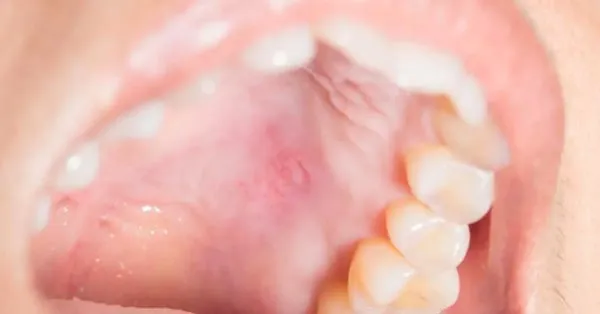
Oral thrush is a fungal infection caused by an overgrowth of Candida albicans, a yeast that normally lives in the mouth in small amounts.
When the balance is disrupted, Candida multiplies and produces white, creamy patches on the palate, tongue, and inner cheeks. These patches may look like cottage cheese. They sometimes wipe off, leaving raw, red, painful tissue underneath.
Eating — especially hot, spicy, or acidic foods — significantly worsens the pain.
Risk factors for oral thrush include:
- Recent antibiotic use (kills the beneficial bacteria that keep Candida in check)
- Weakened immune system (HIV, chemotherapy, diabetes)
- Dry mouth from medications or medical conditions
- Wearing dentures, especially overnight
- Using inhaled corticosteroids (for asthma) without rinsing afterward
- Very young infants and elderly adults
Oral thrush requires antifungal treatment — it does not resolve on its own.
Sinus Infection and Sinus Pressure
The sinuses sit directly above the hard palate. The roots of the upper back teeth extend close to the sinus floor. When the sinuses become inflamed or infected, pressure radiates downward directly into the roof of the mouth.
This referred pain makes the hard palate feel tender, achy, or throbbing — particularly during eating when jaw movement increases pressure on the area.
Sinus-related palate pain typically comes with additional symptoms: nasal congestion, post-nasal drip, facial pressure, headache, and sometimes fever.
Dental Abscess and Tooth Infection
A dental abscess is a pocket of infection that forms at the root of a tooth or in the surrounding gum tissue. Because the upper back teeth sit close to the palate, an abscess in those teeth can radiate intense throbbing pain upward into the roof of the mouth.
This type of pain tends to be deep, pulsating, and worsens when chewing or applying pressure. It may also cause visible swelling on the palate, sensitivity to hot and cold, and general malaise.
A dental abscess will not resolve without professional treatment. It can spread to surrounding teeth, bone, and in serious cases to the jaw and neck. Prompt dental care is essential.
Gum Disease (Periodontitis)
Advanced gum disease causes inflammation that can spread beyond the gumline and affect the soft tissue of the upper palate. The infected gum tissue becomes swollen, painful, and bleeds easily.
Eating becomes uncomfortable because the act of chewing applies pressure to already-inflamed tissue.
Gum disease at this stage requires professional dental treatment — deep cleaning (scaling and root planing), antimicrobial therapy, and in some cases surgical intervention.
Viral Infections
Several viral infections can produce painful sores on the palate that make eating difficult:
Herpes simplex virus (HSV-1) can cause outbreaks of small fluid-filled blisters or ulcers on the hard palate. These are distinct from cold sores on the lips but have the same viral cause. They typically appear during periods of stress, illness, or immune suppression.
Herpangina — a viral illness common in children — causes painful blister-like sores specifically on the soft palate and back of the throat.
Hand, foot, and mouth disease (HFMD) — another viral condition — also produces mouth sores that can affect the palate.
Viral-related palate sores generally resolve within 1 to 2 weeks as the immune system clears the infection.
Acid Reflux and GERD
Gastroesophageal reflux disease (GERD) causes stomach acid to travel back up the esophagus and, in some cases, reach the back of the mouth. This recurring acid exposure inflames and irritates the soft palate and throat tissues.
The pain from GERD-related palate irritation tends to be a burning sensation, most noticeable after meals or when lying down. Other oral symptoms of GERD include tooth enamel erosion, a sour taste in the mouth, bad breath, and generalized oral sensitivity.
Many people do not realize their palate pain is connected to acid reflux because the chest symptoms are absent in what is called “silent reflux.”
Food Allergies and Oral Allergy Syndrome
Certain food allergens cause an immediate inflammatory reaction in the oral mucosa upon contact. This is called oral allergy syndrome (OAS) — also known as pollen-food allergy syndrome.
OAS most commonly occurs with raw fruits, vegetables, and tree nuts. The roof of the mouth may itch, tingle, swell, or burn immediately after eating the triggering food.
The reaction is localized to the mouth and usually mild. However, people with severe food allergies can experience more serious reactions. If palate pain from food is accompanied by throat tightening, hives, or difficulty breathing, emergency care is needed immediately.
Dehydration and Dry Mouth
Chronic dehydration and dry mouth (xerostomia) leave the palate tissue without adequate moisture and protective saliva.
Saliva plays a critical protective role — it neutralizes acids, washes away food particles, and keeps the mucosa soft and lubricated. Without enough saliva, eating becomes physically abrasive on the palate.
Dry mouth can be caused by certain medications (antihistamines, antidepressants, blood pressure drugs), mouth breathing, diabetes, and autoimmune conditions like Sjögren’s syndrome.
Vitamin and Nutritional Deficiencies
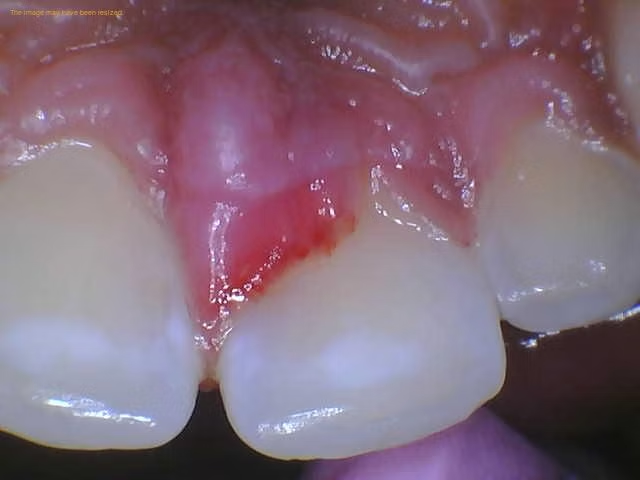
Deficiencies in specific nutrients make the oral tissues fragile, prone to sores, and slow to heal.
The most relevant deficiencies for palate pain include:
| Nutrient Deficiency | Oral Effects |
|---|---|
| Vitamin B12 | Mouth ulcers, burning mouth sensation, inflamed palate |
| Iron | Aphthous sores, thin and fragile oral mucosa |
| Folate (B9) | Recurrent canker sores, oral inflammation |
| Vitamin C | Slow wound healing, inflamed gum and palate tissue |
| Zinc | Impaired healing of sores and cuts |
| Vitamin D | Weakened immune defense against oral infections |
Nutritional deficiencies are an underrecognized cause of recurrent or persistent palate pain, especially in people with restrictive diets, malabsorption conditions, or heavy alcohol use.
Oral Cancer
While far less common than the other causes on this list, oral cancer is an important possibility to be aware of — particularly when palate pain is persistent, unexplained, and does not improve.
Oral cancer can appear as a sore, ulcer, lump, or discolored patch on the hard or soft palate that does not heal within two to three weeks.
Risk factors for oral cancer include:
- Tobacco use (smoking or chewing)
- Heavy alcohol consumption
- Human papillomavirus (HPV) infection
- Prolonged sun exposure (for lip cancers)
- Age over 45
A palate ulcer that lasts longer than two weeks without a clear cause must be evaluated by a dentist or oral specialist promptly. Early detection dramatically improves outcomes.
Excessive Alcohol Consumption
Heavy or frequent alcohol consumption irritates and inflames the oral mucosa directly. The roof of the mouth becomes sensitive, raw-feeling, and sore — particularly during eating.
Alcohol also causes dehydration and suppresses saliva production, compounding palate irritation.
Irritation from Toothpaste or Mouthwash
Some people have sensitivities to sodium lauryl sulfate (SLS) — a foaming agent found in many toothpastes — or to alcohol in certain mouthwashes. These products can cause palate irritation, burning, and canker-like sores in susceptible individuals.
If the roof of your mouth consistently hurts after brushing or rinsing, try an SLS-free toothpaste and an alcohol-free mouthwash for two weeks and observe whether symptoms improve.
Identifying Your Pain: A Symptom Guide
Paying attention to the character of the pain and where it is located helps narrow the cause before you see a provider.
| Pain Type and Pattern | Most Likely Cause |
|---|---|
| Burning, raw feeling after hot food | Thermal burn |
| Sharp, localized sting at one spot | Canker sore, cut, or scratch |
| Deep, throbbing near back teeth | Dental abscess or sinus infection |
| White patches that hurt when touched | Oral thrush |
| Itching and swelling after specific foods | Food allergy or OAS |
| Morning soreness, dry feeling | Dry mouth or mouth breathing |
| Burning after meals, sour taste | GERD / acid reflux |
| Blisters or cluster of sores | Viral infection (HSV, herpangina) |
| Persistent sore that will not heal | Requires urgent professional evaluation |
| Soreness from appliance contact point | Ill-fitting denture, retainer, or splint |
How Long Does Palate Pain Usually Last
Knowing the typical healing timeline helps you decide when to seek care.
| Cause | Typical Healing Time | Self-Care Sufficient? |
|---|---|---|
| Thermal burn | 3 to 7 days | Usually yes |
| Minor cut or scratch | 3 to 5 days | Usually yes |
| Canker sore | 7 to 14 days | Often yes |
| Viral infection (HSV) | 7 to 14 days | Often yes |
| Oral thrush | Does not resolve without treatment | No — needs antifungals |
| Dental abscess | Does not resolve without treatment | No — needs dental care |
| Sinus infection | 7 to 10 days with treatment | Depends on severity |
| GERD-related irritation | Ongoing without managing reflux | No — needs GERD management |
| Oral cancer | Does not resolve | No — needs urgent evaluation |
The key threshold: any palate pain lasting more than 2 weeks without improvement needs professional evaluation.
Treatment and Relief Options
Treatment depends entirely on the cause. Here is a structured breakdown of options from simple home care to professional medical treatment.
Home Remedies for Mild Cases
Warm saltwater rinse: Dissolve half a teaspoon of table salt in a cup of warm water. Rinse for 30 seconds, two to three times daily. Saltwater creates a mildly antiseptic environment, reduces inflammation, and speeds healing of minor sores and burns.
Cool water and cold foods: For thermal burns, cool water brings immediate relief. Eating cool, soft foods like yogurt, applesauce, and smoothies soothes the burned area and avoids further thermal trauma.
Ice chips: Holding ice chips in the mouth numbs acute pain from burns and canker sores.
Over-the-counter numbing gels: Topical benzocaine gels (such as Orajel) directly applied to canker sores and sore spots provide temporary pain relief during eating.
Avoiding irritating foods: Salt, acid, spice, and heat all worsen palate pain regardless of cause. A temporary soft, bland diet reduces irritation and allows healing.
Medications
| Medication Type | Purpose | Examples |
|---|---|---|
| Topical benzocaine | Numbs canker sores and minor sores | Orajel, Anbesol |
| NSAIDs | Reduce pain and inflammation | Ibuprofen, naproxen |
| Antifungal medication | Treats oral thrush | Nystatin, fluconazole |
| Antiviral medication | Speeds healing of viral sores | Acyclovir, valacyclovir |
| Antibiotics | Treats bacterial infection in abscesses | Prescribed by dentist |
| Corticosteroid gel | Reduces severe canker sore inflammation | Triamcinolone acetonide |
| Antacids / proton pump inhibitors | Manages GERD-related irritation | Omeprazole, lansoprazole |
| Medicated mouthwash | Targets oral infection | Chlorhexidine (prescription) |
Always consult a healthcare provider before starting medications, particularly antibiotics, antifungals, and antivirals.
Professional Dental and Medical Treatments
For dental abscesses: Root canal therapy or tooth extraction, combined with antibiotics, is required to clear the infection.
For ill-fitting dentures: Relining or replacement of the denture is needed to eliminate pressure sores on the palate.
For gum disease: Professional scaling and root planing removes the bacterial deposits driving inflammation.
For oral thrush: Prescription antifungal medication in liquid, gel, or tablet form.
For sinus infection: Decongestants, nasal corticosteroids, and antibiotics if bacterial in origin.
For GERD: Dietary changes, positioning adjustments, and proton pump inhibitors or H2 blockers managed through a physician.
For oral warts (squamous papillomas): Cryotherapy, laser treatment, or electrosurgery to remove the growth.
For suspected oral cancer: Biopsy, staging, and an oncology team — always managed in specialist care.
Foods to Eat and Avoid During Recovery
Diet choices make a significant difference in how quickly the palate heals.
| Foods to Avoid | Better Alternatives |
|---|---|
| Hot soups and beverages | Room temperature or cool fluids |
| Spicy curries and sauces | Mild, bland sauces |
| Acidic foods (citrus, tomatoes, vinegar) | Non-acidic fruits (banana, melon, pear) |
| Salty crackers and chips | Soft bread, cooked oatmeal |
| Rough-textured foods | Smooth yogurt, mashed potatoes, eggs |
| Carbonated drinks | Plain water, herbal teas (cooled) |
| Alcohol | Non-alcoholic options |
| Hard candy | Soft desserts, pudding |
Staying hydrated is especially important. Adequate hydration maintains saliva flow, which protects and lubricates the palate during healing.
When to See a Dentist or Doctor
Most cases of palate pain resolve at home within one to two weeks. Use these criteria to decide when professional evaluation is necessary.
Seek Dental or Medical Care If
- Pain has persisted for more than two weeks without improvement
- There is visible swelling on the palate, especially if it is growing
- A lump, bump, or lesion is present that was not there before
- Pain is deep, throbbing, and localized near specific upper teeth
- There is pus, discharge, or an unusual odor from the area
- Fever accompanies oral pain (suggests infection)
- White patches are present that do not wipe off cleanly
- Eating or swallowing is significantly impaired
- A sore shows no sign of healing after two weeks
- You use tobacco or alcohol heavily and notice an unexplained palate sore
Which Professional to See First
A general dentist is the right first contact for most palate pain concerns. Dentists can examine the area, identify dental causes, and refer appropriately.
A physician or ENT (ear, nose, and throat specialist) is appropriate when sinus infections, GERD, or systemic illness are suspected.
An oral surgeon or oral medicine specialist is needed for persistent unexplained lesions, recurrent viral outbreaks, and complex cases.
Prevention: Protecting the Roof of Your Mouth
Several simple habits protect the palate from the most common causes of pain.
Daily Habits That Help
- Let hot food and drinks cool slightly before eating — even 60 seconds makes a meaningful difference
- Chew slowly and carefully, especially with hard, crunchy, or brittle foods
- Use an SLS-free toothpaste if you have sensitive oral mucosa
- Stay well-hydrated throughout the day to maintain healthy saliva flow
- Get dentures and dental appliances checked annually for proper fit
- Rinse your mouth with water after using inhaled corticosteroid inhalers
- Maintain a balanced diet with sufficient B12, iron, folate, and vitamin C
- Limit alcohol consumption and avoid tobacco entirely
- Manage stress — a known trigger for canker sore outbreaks
- Attend regular dental checkups so problems are caught early
Roof of Mouth Pain in Specific Situations
Why Does the Roof of My Mouth Hurt in the Morning
Morning palate soreness is often caused by mouth breathing during sleep, dry mouth overnight, or nighttime teeth clenching (bruxism). The palate dries out and becomes irritated without the buffering effect of saliva.
A humidifier in the bedroom, staying well hydrated before sleep, and using a night guard for bruxism can all reduce morning palate pain.
Why Does the Roof of My Mouth Hurt When I Swallow
Pain during swallowing that involves the palate typically points to the soft palate area. Causes include throat infection (tonsillitis, pharyngitis), sinus infection drainage, herpangina, or in persistent cases, structural issues that need evaluation.
Why Does Only One Spot on the Roof of My Mouth Hurt
A single, localized painful spot is most often a canker sore, a traumatic scratch from sharp food, a pressure sore from a dental appliance, or a small blister from a viral infection. If the same spot repeatedly develops sores, a sharp tooth edge or restoration is likely the irritating cause.
Frequently Asked Questions (FAQs)
Why does the roof of my mouth hurt when I eat?
The most common causes are thermal burns from hot food, canker sores, physical scratches from sharp foods, or dental appliance irritation — most of which resolve within one to two weeks with basic home care.
How do I know if my palate pain is serious?
Pain that lasts more than two weeks, comes with a visible lump, swelling, or a sore that will not heal, or is accompanied by fever, requires prompt professional evaluation to rule out infection or oral cancer.
Can a sinus infection make the roof of my mouth hurt?
Yes. The sinuses sit directly above the hard palate and when inflamed, they refer pain and pressure downward into the roof of the mouth, particularly near the upper back teeth.
What does oral thrush feel like on the roof of the mouth?
Oral thrush produces white, creamy patches on the palate that may feel sore, itchy, or burning — especially when eating hot or spicy food. The patches sometimes wipe off, leaving raw red tissue underneath.
Can acid reflux cause the roof of my mouth to hurt?
Yes. In GERD and silent reflux, stomach acid reaches the back of the mouth and irritates the soft palate, causing a burning sensation that worsens after meals and when lying down.
How long does a burn on the roof of my mouth take to heal?
A thermal burn from hot food typically heals within 3 to 7 days with cool, soft foods, saltwater rinses, and avoidance of hot, spicy, and acidic items during recovery.
Can vitamin deficiencies cause palate pain?
Yes. Deficiencies in B12, iron, folate, and vitamin C are well-established triggers for recurrent canker sores, fragile oral mucosa, and slow-healing sores on the palate.
Should I pop a blister on the roof of my mouth?
No. Popping blisters on the palate increases the risk of infection, slows healing, and can introduce bacteria into the wound. Allow blisters to heal naturally and use saltwater rinses to keep the area clean.
Can my retainer or dentures cause the roof of my mouth to hurt?
Yes. Ill-fitting retainers, dentures, or other oral appliances create friction and pressure points on the palate, leading to painful sores and ulcers that worsen with eating. A dental adjustment or replacement is needed.
What foods should I avoid when the roof of my mouth hurts?
Avoid hot foods and drinks, spicy sauces, acidic foods (citrus, tomatoes, vinegar), salty crackers, rough-textured foods, and alcohol. Stick to cool, soft, bland foods like yogurt, mashed potatoes, eggs, and banana until the area heals.
Conclusion
Why does the roof of my mouth hurt when I eat almost always has a straightforward explanation — a burn from hot food, a canker sore, a scratch from a sharp chip, or irritation from a dental appliance.
These minor causes heal on their own within days to two weeks with simple home care: saltwater rinses, cool soft foods, and temporary avoidance of spicy, acidic, and hot items.
But the roof of the mouth can also signal something that needs professional attention — oral thrush, a dental abscess, a sinus infection, GERD, a nutritional deficiency, or in rare cases, oral cancer.
The rule is straightforward: if pain persists beyond two weeks, comes with swelling, a non-healing sore, a lump, or a fever, see a dentist. Catching problems early always leads to faster, simpler, and less expensive treatment.
Your palate does important work every single day — it deserves the same attention as the rest of your health.