Why Do My Legs Feel Heavy? Here’s What It Means 2026
Why do my legs feel heavy? If you have ever ended your day feeling like your legs are made of cement, you are not alone.
Millions of people deal with this uncomfortable sensation daily.
Heavy legs can be a sign of something as simple as fatigue or as serious as a vascular condition that needs medical attention.
Understanding the root cause is the first step toward real relief.
What Does It Mean When Your Legs Feel Heavy?
Heavy legs are described as a tired, dragging, or weighed-down feeling in the lower limbs. The sensation can range from mild tiredness after a long day to a persistent aching that makes movement difficult.
It is not just discomfort. Heavy legs are often your body signaling that something is off with your circulation, nerves, muscles, or lymphatic system.
The feeling is most commonly reported in the calves, thighs, and ankles. It tends to worsen in the evening and can interfere with sleep, exercise, and daily tasks.
Common Causes of Heavy Legs
There are many reasons your legs may feel heavy. Some are lifestyle-related. Others are medical conditions that require professional care.
| Cause | Key Symptom | Who It Affects Most |
|---|---|---|
| Chronic Venous Insufficiency | End-of-day heaviness, ankle swelling | Adults over 40, women |
| Varicose Veins | Visible bulging veins, aching | Pregnant women, older adults |
| Peripheral Artery Disease | Heaviness that worsens with walking | Smokers, diabetics |
| Lymphedema | Persistent swelling, skin thickening | Cancer survivors, post-surgery |
| Restless Legs Syndrome | Crawling sensation, worse at night | All ages, pregnant women |
| Overtraining | Soreness, fatigue after intense exercise | Athletes |
| Obesity | Constant heaviness, joint pain | Overweight individuals |
| Pregnancy | Swelling, aching, nighttime cramps | Pregnant women |
| DVT (Blood Clot) | Sudden pain, warmth, one-sided swelling | Sedentary adults, post-surgery |
| Multiple Sclerosis | Weakness, neurological symptoms | Adults aged 20–50 |
Chronic Venous Insufficiency (CVI)
What Is Chronic Venous Insufficiency?
Chronic venous insufficiency is one of the most common reasons legs feel heavy. It happens when the tiny valves inside your leg veins stop working properly, allowing blood to flow backward and pool in the lower legs.
This pooling raises pressure inside the veins. The result is that heavy, achy, cement-block feeling by late afternoon.
Symptoms of CVI
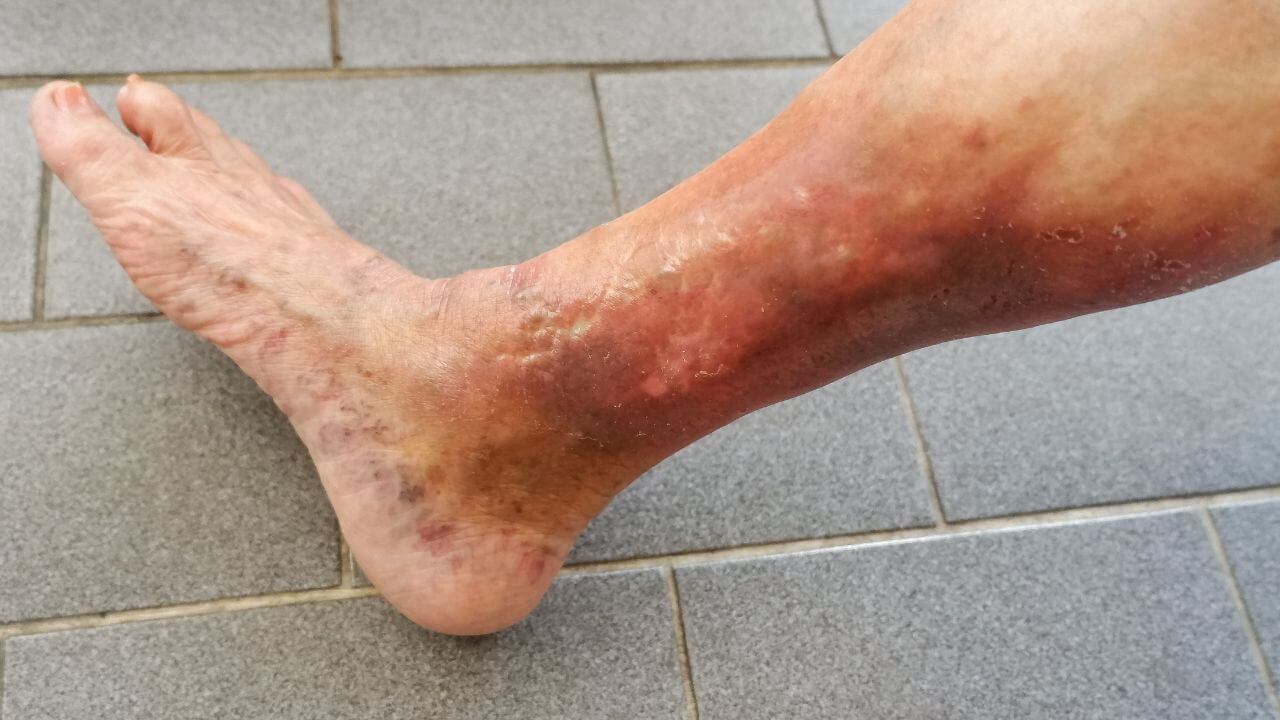
Legs feel heavy and achy from mid-afternoon onward. Mild ankle swelling in the morning that gets worse by evening. Itching or skin discoloration near the ankles. Nighttime leg cramps and restless legs. Varicose or spider veins may appear, but CVI can exist without visible veins.
Who Is at Risk?
People over 40, women (especially those who have been pregnant), individuals who stand or sit for long periods, and those with a family history of vein disease are most at risk.
Varicose Veins and Heavy Legs
How Varicose Veins Cause Heaviness
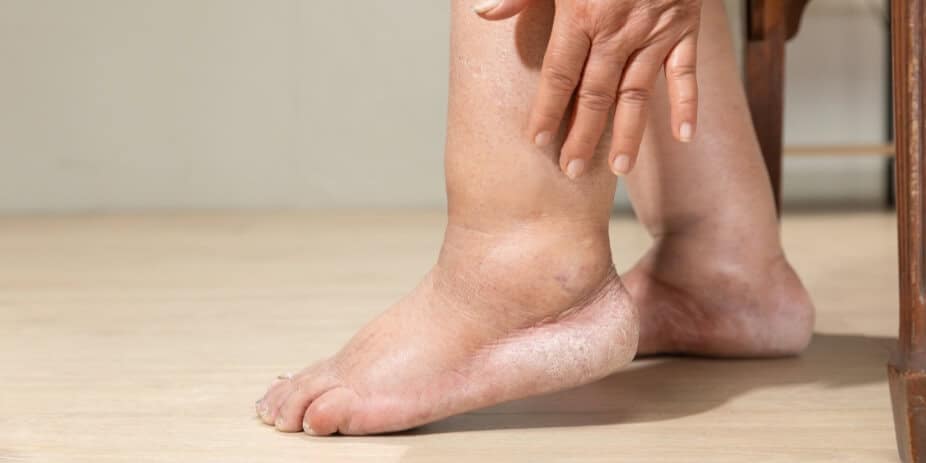
Varicose veins are enlarged, twisted veins just under the skin surface. As blood circulation weakens, blood pools in the legs due to gravity and loss of vein elasticity.
This pooling creates internal pressure that causes the heavy, dragging sensation. Many people ignore varicose veins as a cosmetic issue, but they are actually a sign of underlying vein wall weakness.
Left untreated, varicose veins can progress to chronic pain, skin ulcers, and even blood clots.
Signs You May Have Varicose Veins
Visible bulging, bluish-purple veins on the legs. A dull, throbbing ache that worsens after standing. Skin around the vein feels warm or tender to touch.
Peripheral Artery Disease (PAD)
Why PAD Makes Legs Feel Heavy
Peripheral artery disease develops when fatty plaque builds up inside the arteries, narrowing them and restricting blood flow to the legs. This reduced circulation causes weakness and heaviness that gets noticeably worse when you walk or stand.
Unlike venous conditions, PAD pain and heaviness typically improve when you rest and stop walking.
PAD Risk Factors
Smoking is the number one risk factor for PAD. Diabetes, high blood pressure, high cholesterol, and obesity all significantly raise your risk. PAD can also lead to further complications including varicose veins and venous ulcers.
When PAD Becomes Serious
If your legs feel heavy or painful only during physical activity and feel better at rest, see a doctor promptly. Severe PAD may require angioplasty or surgical intervention to restore blood flow.
Deep Vein Thrombosis (DVT)
DVT Is a Medical Emergency
A deep vein thrombosis is a blood clot that forms inside a deep leg vein. It can cause sudden, severe heaviness, tightness, and pain, usually in one leg only. Swelling, warmth, and redness in the affected area are common warning signs.
DVT is dangerous because the clot can break loose and travel to the lungs, causing a pulmonary embolism, which is life-threatening.
When to Call a Doctor Immediately
If you experience sudden heaviness in one leg along with swelling, warmth, or red skin, seek emergency medical care right away. Do not wait or try home remedies for these symptoms.
| DVT Warning Signs | Action Required |
|---|---|
| Sudden heaviness in one leg | Go to the ER |
| Swelling with redness or warmth | Call 911 or emergency services |
| Chest pain with leg symptoms | Immediate emergency care |
| Shortness of breath | Emergency services |
Lymphedema
What Is Lymphedema?
Lymphedema occurs when the lymphatic system is damaged or blocked, causing lymphatic fluid to pool in the legs. This produces a persistent, heavy fullness that does not improve much with rest.
It commonly develops after cancer surgery, radiation therapy, or lymph node removal. Chronic venous insufficiency can also trigger secondary lymphedema by overwhelming the lymphatic system over time.
Lymphedema vs. Venous Insufficiency
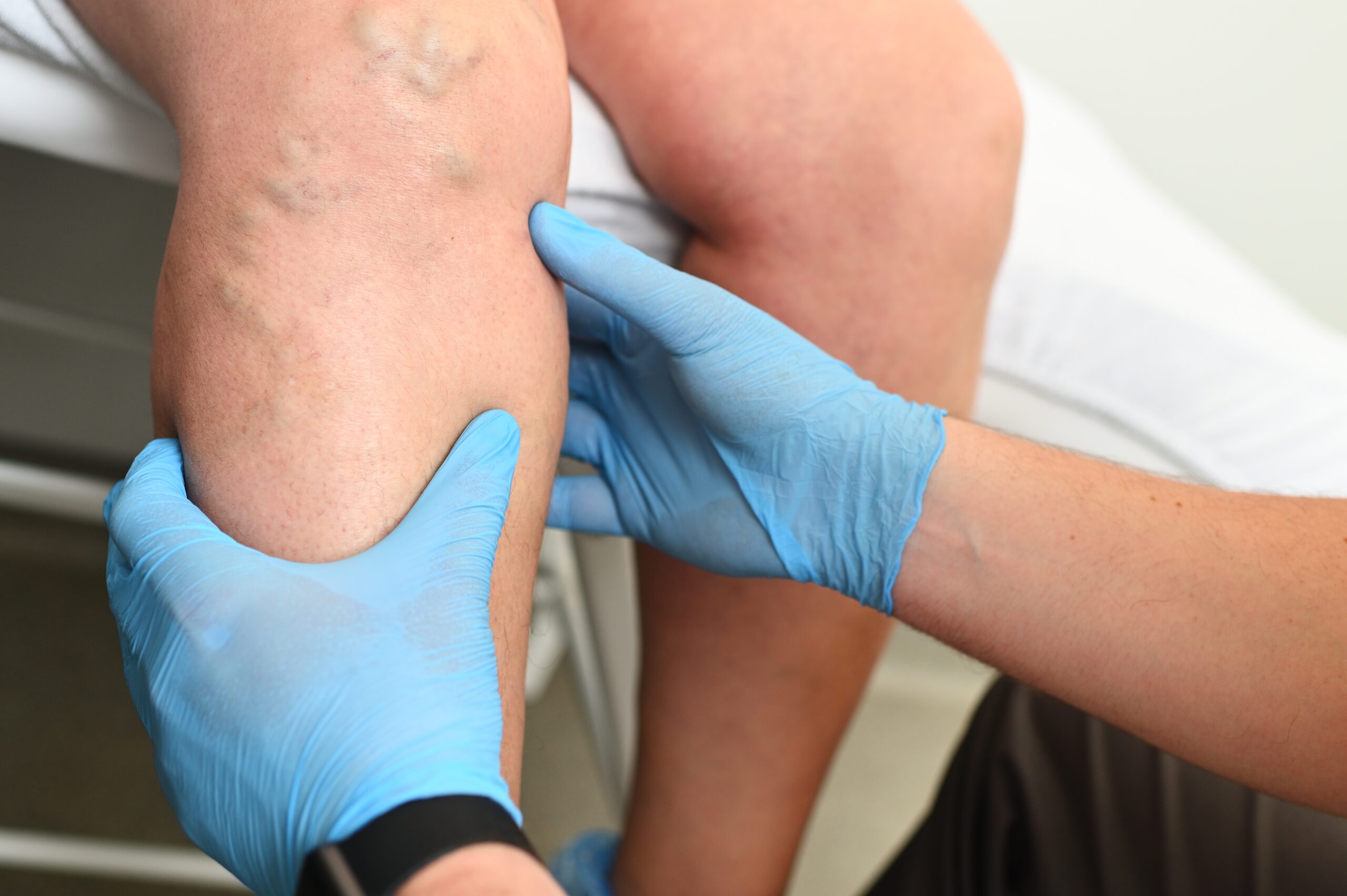
Lymphedema usually causes swelling of the entire limb including the foot. Venous insufficiency typically causes swelling mainly around the ankle and lower leg. With CVI, elevating the legs brings noticeable relief. With lymphedema, elevation helps less.
Restless Legs Syndrome (RLS)
Heavy Legs at Night? RLS Could Be the Cause
Restless legs syndrome causes an uncontrollable urge to move the legs, especially at night or when sitting still for long periods. People describe it as a crawling, itching, or heavy sensation deep inside the legs.
RLS disrupts sleep and is associated with iron deficiency, kidney disease, pregnancy, and nerve damage. Interestingly, some RLS cases are actually triggered by underlying venous insufficiency.
Managing RLS at Home
Regular moderate exercise, reducing caffeine and alcohol, and maintaining a consistent sleep schedule can help reduce RLS symptoms. If symptoms are severe, a doctor can prescribe medications that manage the neurological component.
Overtraining and Muscle Fatigue
When Exercise Makes Legs Feel Heavy
Athletes and fitness enthusiasts sometimes experience persistently heavy legs due to overtraining syndrome. When muscles are pushed too hard without enough recovery time, they become inflamed and fatigued.
This type of heaviness is usually accompanied by soreness, decreased performance, and general fatigue. The legs may feel like lead even on easy workout days.
Recovery Tips for Athletes
Take scheduled rest days every week. Prioritize sleep, as most muscle repair happens during deep sleep. Eat enough protein and carbohydrates to support recovery. Use light activity like walking or swimming on recovery days rather than full rest.
Obesity and Heavy Legs
Extra Weight Adds Extra Pressure
Excess body weight places constant mechanical pressure on the leg veins and muscles. This slows circulation, strains the venous valves, and increases the likelihood of developing CVI and varicose veins.
People with obesity often describe a constant heaviness in the legs, even at rest or after minimal activity.
Losing even a modest amount of weight can significantly reduce the pressure on leg veins and improve circulation. Low-impact activities like swimming and cycling are excellent options for those managing obesity.
Pregnancy and Heavy Legs
Why Legs Feel Heavy During Pregnancy
Pregnancy is one of the most common causes of heavy legs, especially during the second and third trimesters. The growing uterus puts pressure on the veins that carry blood back from the lower body. This partially blocks blood flow, causing fluid to accumulate in the legs and feet.
Hormonal changes also relax vein walls, reducing their efficiency. Many pregnant women experience nighttime cramps and restless legs alongside the heaviness.
Safe Relief Strategies During Pregnancy
Elevate the legs above heart level whenever resting. Take short walks throughout the day to stimulate circulation. Wear properly fitted medical-grade compression stockings from around week 12 onward. Avoid crossing the legs while sitting. Sleep with a pillow supporting the legs at night. Stay well hydrated with water and low-calorie drinks.
Always check with your doctor before starting any new exercises or treatments during pregnancy.
Multiple Sclerosis and Neurological Causes
When Heavy Legs Have a Neurological Origin
Multiple sclerosis and other neurological conditions can cause leg weakness and heaviness through nerve damage that disrupts signals between the brain and the lower limbs. This type of heaviness often comes with other neurological symptoms such as tingling, numbness, balance problems, or vision changes.
Nerve compression in the spine, such as from a herniated disc or spinal stenosis, can also produce similar feelings of heaviness in the legs.
If your heavy legs are accompanied by any neurological symptoms, seek a medical evaluation promptly.
Home Remedies That Actually Help Heavy Legs
Elevation
Raising your legs above heart level helps blood and fluid drain back toward the core. Even 15 to 20 minutes of elevation after a long day can provide noticeable relief.
Use a recliner, a stack of pillows, or lie with your legs propped against a wall. This is one of the most effective and accessible remedies for venous-related heaviness.
Compression Stockings
Medical-grade compression stockings apply graduated pressure to the legs, which helps the veins push blood upward more effectively. They are clinically proven to reduce swelling, heaviness, and discomfort associated with varicose veins and CVI.
Get properly fitted stockings rather than generic support socks for the best results. A healthcare provider can recommend the right compression level for your condition.
Exercise and Movement
Regular low-impact exercise is one of the best long-term solutions. Walking, swimming, and cycling all activate the calf muscle pump, which helps push blood back up toward the heart.
Aim for at least 30 minutes of moderate movement five days per week. Even short 5-minute walks during a long workday can make a meaningful difference.
Reduce Salt Intake
High sodium intake causes the body to retain water, which worsens swelling and heaviness in the legs. Cutting back on processed foods, salty snacks, and added salt can reduce fluid retention noticeably within days.
Cold and Warm Showers
Alternating cold and warm water during a shower stimulates circulation in the legs. End with cold water on the legs for a refreshing effect that temporarily reduces swelling and heaviness.
Hydration
Staying well hydrated supports healthy blood flow and prevents the blood from thickening, which can worsen circulation problems. Aim for at least 8 glasses of water per day.
Medical Treatments for Heavy Legs
| Treatment | Condition Treated | How It Works |
|---|---|---|
| Sclerotherapy | Varicose veins, spider veins | Injection collapses the damaged vein |
| Endovenous Laser Therapy (EVLT) | Varicose veins, CVI | Laser heat seals damaged vein shut |
| Radiofrequency Ablation (RFA) | Venous insufficiency | Radio waves seal off faulty vein |
| Angioplasty | Peripheral artery disease | Balloon opens narrowed artery |
| Compression Therapy | CVI, lymphedema, DVT prevention | External pressure aids circulation |
| Duplex Ultrasound Imaging | Diagnosis of vein/artery problems | Maps blood flow and valve function |
| Combined Decongestant Therapy | Lymphedema | Massage and compression reduce swelling |
When Should You See a Doctor?
Do Not Ignore These Warning Signs
Persistent heaviness that does not improve with rest or elevation. Swelling that is getting worse over time. Skin discoloration, redness, or sores near the ankles. Sudden heaviness, warmth, or pain in one leg only. Heaviness accompanied by chest pain or shortness of breath. Heaviness that is affecting your ability to walk, work, or sleep.
If heavy legs are regularly affecting your quality of life, a doctor can order a duplex ultrasound to check for venous reflux or arterial blockages and recommend the right treatment.
Lifestyle Changes That Prevent Heavy Legs
Daily Habits That Protect Your Leg Veins
Avoid sitting or standing in the same position for more than one hour at a stretch. Take regular movement breaks to activate the calf muscle pump. Maintain a healthy weight to reduce pressure on leg veins. Avoid wearing tight clothing around the waist or thighs that can restrict circulation. Elevate the foot of your bed slightly so your legs are slightly higher than your heart while you sleep.
These small daily changes add up to significant protection against venous disease and chronic heaviness over time.
Diet Tips for Better Leg Circulation
Eat a diet rich in antioxidants, particularly from berries, leafy greens, and citrus fruits, which support vein wall strength. Include magnesium-rich foods like bananas, nuts, and dark chocolate to reduce cramping. Reduce processed and salty foods to minimize fluid retention. Drink plenty of water throughout the day.
Frequently Asked Questions (FAQs)
Why do my legs feel heavy all the time?
Persistent heaviness is usually caused by chronic venous insufficiency, varicose veins, lymphedema, or poor circulation. See a doctor if rest and elevation do not relieve symptoms.
Why do my legs feel heavy at night?
Blood and fluid accumulate in the legs throughout the day due to gravity. Restless legs syndrome and venous insufficiency are the most common nighttime culprits.
Why do my legs feel heavy after walking?
Peripheral artery disease (PAD) commonly causes heaviness that worsens with walking and improves with rest. Muscle fatigue from overexertion is another possible cause.
Can heavy legs be a sign of heart problems?
Yes, heart failure can cause fluid to back up into the legs, producing swelling and heaviness. This is called dependent edema and requires medical evaluation.
Do compression stockings help heavy legs?
Yes, medically graded compression stockings are clinically proven to improve circulation and reduce heaviness in legs affected by venous insufficiency or varicose veins.
Why do my legs feel heavy during pregnancy?
The growing uterus presses on pelvic veins, slowing blood return from the legs. Hormonal changes also relax vein walls, making fluid retention and heaviness very common.
Can dehydration cause heavy legs?
Yes, dehydration thickens the blood, slows circulation, and can worsen leg heaviness, particularly in people with existing vein problems.
Is heavy leg feeling a sign of a blood clot?
Sudden, one-sided heaviness with swelling, warmth, and redness can signal a DVT blood clot. This is a medical emergency — seek immediate care.
How do I relieve heavy legs at home?
Elevate your legs, wear compression stockings, do light exercise, reduce salt intake, and stay hydrated. Cold water on the legs after a shower also provides temporary relief.
When should I see a doctor for heavy legs?
See a doctor if heaviness is persistent, worsening, accompanied by swelling, skin changes, or pain, or if it suddenly appears in one leg only with warmth or redness.
Conclusion
Heavy legs are more than just an annoyance at the end of a long day.
As this guide has shown, the sensation can point to a wide range of conditions, from simple muscle fatigue to serious vascular disease.
Understanding why your legs feel heavy puts you in control of your health.
For many people, simple lifestyle changes like elevating the legs, wearing compression stockings, staying active, and cutting back on salt provide meaningful relief.
For others, the underlying cause requires medical diagnosis and professional treatment such as sclerotherapy, laser therapy, or arterial intervention.
The key is not to ignore the symptom. Heavy legs that persist, worsen, or come with swelling, skin changes, or one-sided pain deserve prompt medical attention.
The earlier a circulatory problem is identified, the easier it is to treat effectively.
Take the first step today. Speak to a healthcare provider, get a proper diagnosis, and start moving toward lighter, healthier legs.