Why Are My Teeth Sensitive All of a Sudden? What to Do 2026
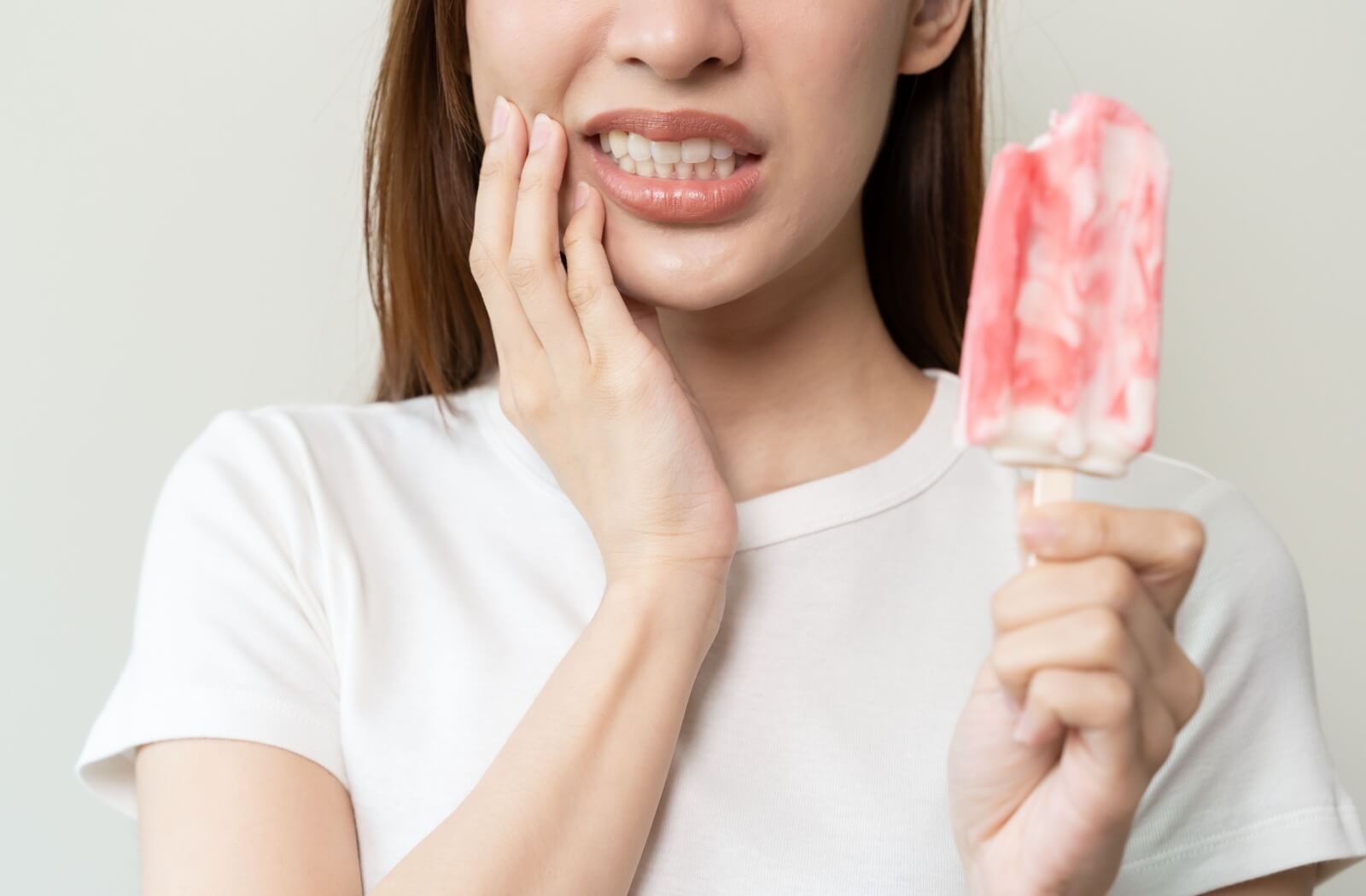
Why are my teeth sensitive all of a sudden? If you have never had this problem before and it hit you out of nowhere, you are not alone.
Sudden tooth sensitivity affects a significant portion of adults worldwide and is one of the most common complaints dentists hear every single day.
The sharp sting from a cold drink or a breath of cool air can stop you mid-bite.
What makes it confusing is that it often appears without any obvious injury or visible damage.
What Is Sudden Tooth Sensitivity?
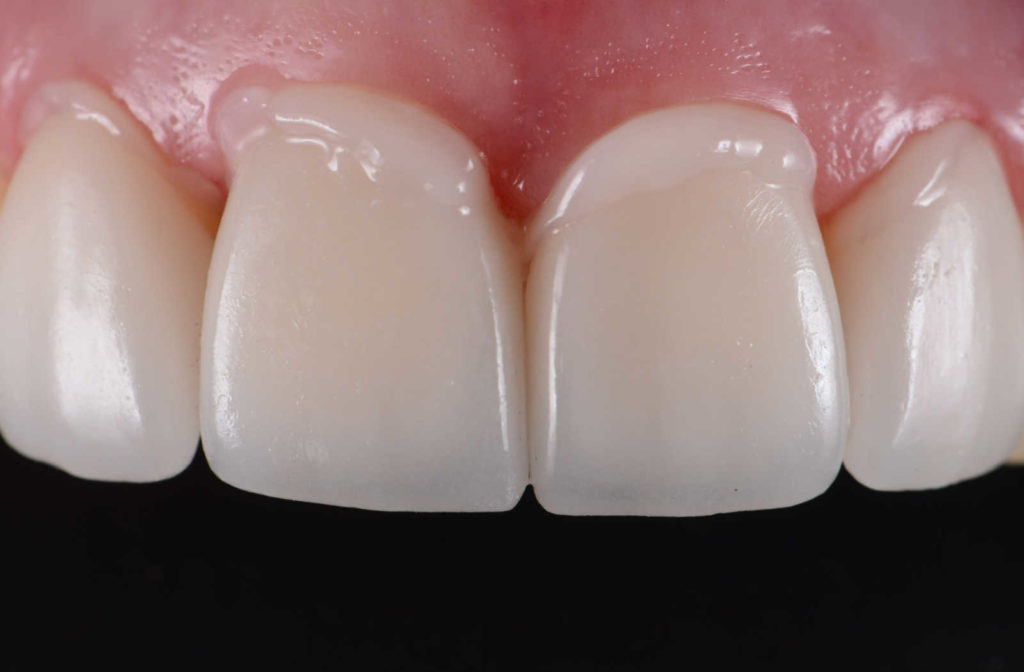
Sudden tooth sensitivity — also called dentin hypersensitivity — is a sharp, short pain triggered by something that should not normally hurt.
It is triggered by cold, heat, sweet food, acidic drinks, cold air, or even light touch. The pain is usually brief but intense, fading within seconds once the trigger is removed.
It feels different from a toothache, which tends to throb or linger. Sensitivity is quick, reactive, and tied directly to a specific stimulus.
Why Does Sensitivity Happen? The Biology Behind It
Understanding the biology makes every cause much easier to understand.
Your teeth have three layers. The outer layer is enamel — the hardest substance in the human body. Beneath it sits dentin, a softer layer filled with thousands of microscopic channels called dentinal tubules. At the core is the pulp, which contains nerves and blood vessels.
When enamel wears down or gums pull back and expose the root, those dentinal tubules become open. Any stimulus — cold, heat, pressure, sweet — travels through those tiny channels directly to the nerve, triggering an immediate sharp pain response.
This is why sensitivity feels sudden even when the underlying damage has been building for months. The moment the tubules become exposed past a certain threshold, the sensitivity switches on.
How Common Is Sudden Tooth Sensitivity?
| Statistic | Data |
|---|---|
| Global prevalence of dentin hypersensitivity | Affects 4% to 74% of the population depending on the group studied |
| Most frequently reported trigger | Cold stimulus — reported by 64.8% of affected patients |
| Prevalence in patients with untreated periodontitis | 84.8% |
| Prevalence in patients with gum recession | 88.9% |
| Women under 35 | Report higher sensitivity than men of the same age |
| People with bruxism | Significantly higher rates of sensitivity than non-grinders |
Sensitivity is not rare. But because the causes vary widely, pinpointing the right one is essential before choosing a treatment.
13 Main Causes of Sudden Tooth Sensitivity
Enamel Erosion From Acidic Food and Drinks
This is one of the most common causes of teeth becoming sensitive all of a sudden. Acidic foods and drinks — citrus fruits, sodas, sports drinks, vinegar-based foods, wine — gradually dissolve enamel over time.
The erosion is slow and painless right up until the dentin becomes exposed. At that point, sensitivity appears to switch on overnight, even though the damage took months or years to develop.
Gum Recession
When gum tissue pulls away from the tooth, the root surface underneath becomes exposed. Roots have no enamel protection — only a thin layer of cementum — making them extremely sensitive to temperature and pressure.
Gum recession happens because of aggressive brushing, genetics, aging, or advancing gum disease. Once gums have receded, that tissue does not grow back on its own. Treatment is needed to protect the exposed root.
Teeth Grinding and Clenching (Bruxism)
Bruxism is one of the most overlooked causes of sudden sensitivity. Many people grind their teeth during sleep without knowing it, and the first clue is often new tooth sensitivity combined with morning jaw soreness or headaches.
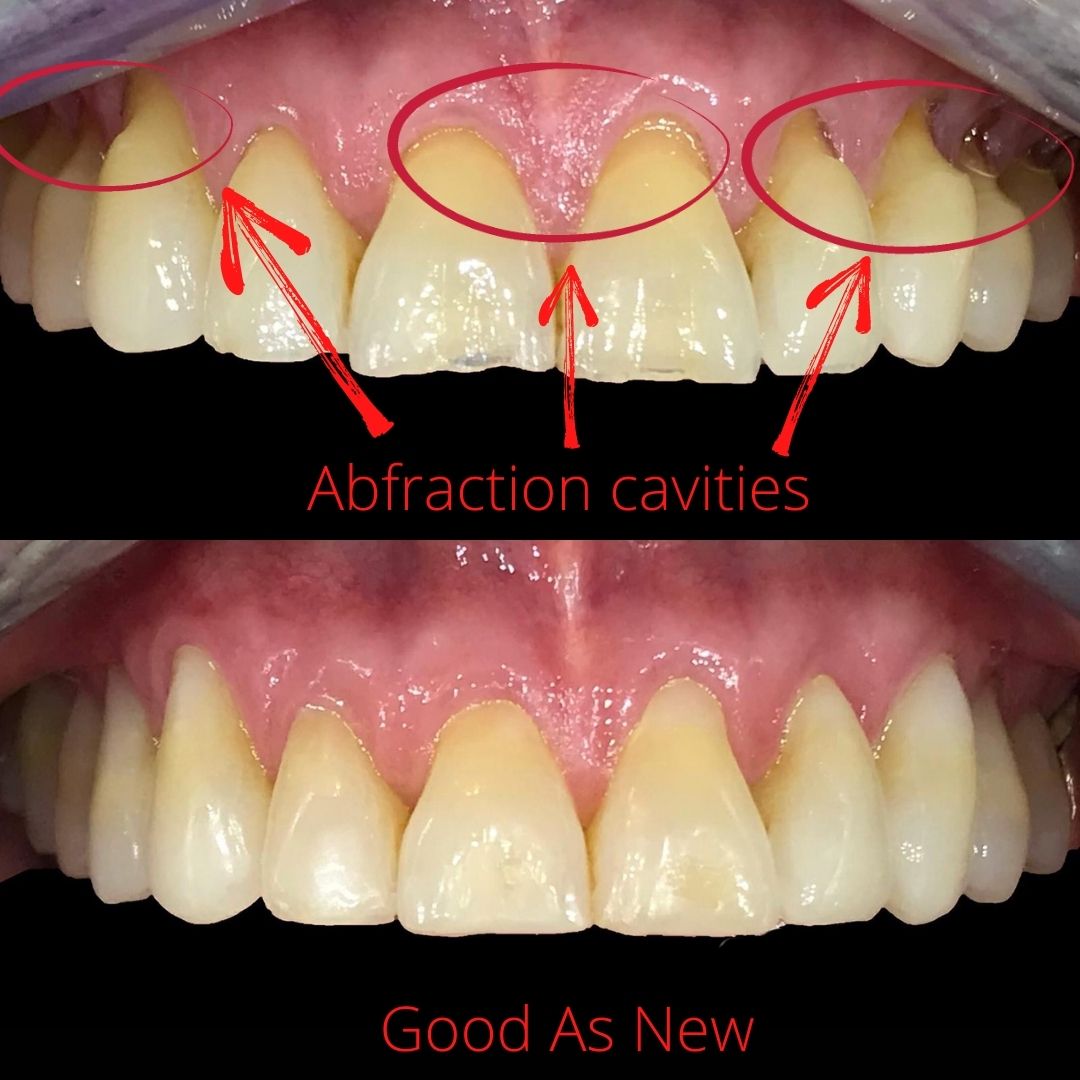
Grinding creates two types of damage. First, it wears down enamel through constant friction. Second, it creates tiny microfractures in the enamel surface that open pathways directly to the dentinal tubules. Both expose the dentin and trigger sensitivity.
Tooth Decay and Cavities
A cavity that reaches the dentin layer causes sensitivity to sweet food, pressure, and temperature changes. The decay literally destroys the enamel barrier protecting the nerve.
Early-stage cavities often cause no pain at all. By the time sensitivity appears, the decay has usually progressed deep enough that a filling is urgently needed to prevent it from reaching the pulp.
Cracked or Fractured Tooth
A cracked tooth creates a channel directly through the enamel into the dentin or even deeper. Every time you bite down, the crack flexes slightly, stimulating the nerve inside.
Cracked tooth sensitivity is often position-specific — it hurts when you bite in a certain way or on a certain spot. It can also feel like brief, sharp pain when you release bite pressure. A crack visible to the eye needs same-day dental attention.
Recent Dental Procedure
Sensitivity after a filling, crown placement, professional cleaning, or scaling is completely normal. The procedures involve working directly on or near the tooth structure, temporarily irritating the nerve.
This type of sensitivity typically resolves within two to four weeks as the tooth settles. If it persists past that window or gets worse, it may indicate an issue with the restoration or an untreated underlying problem.
Teeth Whitening Products
Over-the-counter whitening strips and gels use hydrogen peroxide to break down surface stains. The peroxide temporarily opens microscopic pores in the enamel, exposing the dentin underneath.
This is one of the most common causes of sudden sensitivity in otherwise healthy teeth. The sensitivity usually fades within 24 to 48 hours after stopping whitening. Using products with lower peroxide concentrations (around 5 to 6 percent) significantly reduces the effect.
Acid Reflux and GERD
Gastroesophageal reflux disease (GERD) sends stomach acid up into the mouth repeatedly. Stomach acid has a pH of approximately 1.5 to 2.0 — dental enamel begins dissolving at a pH of 5.5. This means stomach acid is highly destructive to tooth enamel.
GERD-related enamel erosion tends to affect the inner surfaces of the upper front teeth first, which is a distinctive pattern a dentist can identify during an exam. If sensitivity has no other obvious cause, GERD is worth discussing with a doctor.
Aggressive Brushing Technique
Brushing with too much force or with a hard-bristled toothbrush physically scrapes enamel away over time. This type of abrasion also causes gum recession at the gumline, compounding the exposure.
Many people brush harder thinking it cleans better. In reality, gentle pressure with a soft-bristled brush removes plaque just as effectively — without stripping enamel or damaging gum tissue.
Sinus Infection or Sinus Pressure
The roots of the upper back teeth sit very close to the maxillary sinuses. When those sinuses become inflamed or infected, the pressure pushes directly onto the tooth roots, causing what feels like tooth sensitivity.
This type of sensitivity affects multiple upper back teeth at the same time and is usually accompanied by nasal congestion, facial pressure, and a blocked nose. It disappears completely once the sinus infection is resolved.
Gum Disease (Gingivitis and Periodontitis)
Early gum disease causes inflammation that makes gum tissue swollen and reactive. As disease progresses to periodontitis, it destroys the bone and tissue holding the tooth in place, causing gum recession and root exposure.
Research confirms that dentin hypersensitivity prevalence increases dramatically with the severity of periodontitis — from moderate rates in early stages to over 84% in untreated advanced cases. Sensitivity in this context is a warning sign that gum disease has reached a significant stage.
Ill-Fitting or Damaged Dental Restorations
A filling or crown that has cracked, worn down, or developed a gap at the margin allows bacteria and temperature changes to reach the dentin underneath. The seal that once protected the tooth has failed.
If sensitivity developed around an existing filling or crown — especially an older one — a failed restoration is a likely cause. A dentist can assess whether it needs to be repaired or replaced.
Dietary Changes
A sudden shift to more acidic, sugary, or carbonated food and drinks can tip the balance and expose sensitivity that was previously just below the threshold. Adding more citrus fruit, energy drinks, or sparkling water to the diet is a common trigger.
The change in oral pH creates a more acidic environment that accelerates enamel softening. Combined with existing thin enamel, the threshold for sensitivity can be crossed quickly.
Sensitivity by Trigger: What Each Feeling Points To
| Trigger | Most Likely Cause |
|---|---|
| Cold drinks or food | Gum recession, enamel erosion, exposed dentin |
| Hot food or drinks | Deep decay, cracked tooth, infected pulp |
| Sweet food or drinks | Cavity, enamel erosion, exposed dentin |
| Cold air | Gum recession, thin enamel, mouth breathing |
| Biting pressure | Cracked tooth, failing filling, grinding damage |
| Multiple upper back teeth | Sinus infection or pressure |
| Inner surfaces of upper front teeth | GERD or acid reflux |
| Morning sensitivity with jaw soreness | Bruxism (teeth grinding) |
| Sensitivity after whitening | Hydrogen peroxide irritation |
| Sensitivity after dental work | Post-procedure inflammation (normal) |
Sensitivity in One Tooth vs Multiple Teeth
When Only One Tooth Is Sensitive
Pain isolated to a single tooth almost always points to a structural issue with that specific tooth — a crack, a cavity, a failing filling, or a localized abscess.
Single-tooth sensitivity that comes with throbbing pain, swelling, or pain that does not go away after the trigger is removed suggests the nerve may be involved. This needs urgent dental evaluation.
When Multiple Teeth Are Sensitive

Sensitivity across several or all teeth suggests a systemic cause affecting the entire mouth. Enamel erosion from diet or GERD, bruxism, recent whitening, or early periodontitis all produce widespread sensitivity.
Widespread sudden sensitivity is almost never caused by a single tooth problem. If many teeth became sensitive at the same time, focus your investigation on diet, grinding habits, whitening products, or systemic health conditions.
At-Home Treatments That Actually Work
Desensitizing Toothpaste
Desensitizing toothpastes work by either blocking the dentinal tubules or calming the nerve response. They contain active ingredients like potassium nitrate, stannous fluoride, or hydroxyapatite.
They require consistent use — results are typically noticeable after two to four weeks of twice-daily brushing. For best results, apply a small amount directly to the sensitive area after brushing and leave it without rinsing.
Fluoride Treatments
Fluoride strengthens enamel and helps plug open dentinal tubules by encouraging remineralization. High-fluoride toothpastes and dentist-applied fluoride varnishes both reduce sensitivity meaningfully.
Fluoride is particularly useful when sensitivity comes from enamel erosion or early decay, as it helps restore the mineral structure that has been damaged.
Switch to a Soft-Bristled Toothbrush
This single change can slow or stop abrasion-related enamel loss and gum recession. A soft-bristled brush with gentle, circular strokes cleans just as effectively as aggressive scrubbing.
Replace your toothbrush every three to four months. Electric toothbrushes with pressure sensors are an excellent option — they alert you when you are pressing too hard.
Saltwater Rinse
A warm saltwater rinse reduces oral inflammation and creates a temporarily less acidic environment in the mouth. It is not a cure for sensitivity but provides comfort and reduces bacterial irritation in inflamed gum tissue.
Mix one teaspoon of salt in a glass of warm water. Rinse gently for 30 seconds twice daily.
Adjust Your Diet
Reducing acidic and sugary food and drinks directly reduces the rate of enamel erosion. After consuming something acidic, rinse your mouth with water immediately — but wait at least 30 to 60 minutes before brushing.
Brushing immediately after acid exposure scrubs away temporarily softened enamel. Rinsing with water neutralizes the pH safely without the abrasion risk.
Oil Pulling (Limited Evidence)
Some people find coconut oil pulling reduces sensitivity-related gum inflammation. The evidence is limited compared to fluoride or desensitizing toothpaste, but it is a safe practice with no harm risk.
It is not a substitute for desensitizing toothpaste or professional treatment. Use it as a complementary step, not a primary solution.
What Not to Do When Your Teeth Are Suddenly Sensitive
Do Not Ignore It and Hope It Goes Away
Sensitivity caused by enamel erosion, gum recession, decay, or a cracked tooth will not resolve on its own. These are progressive conditions. Waiting makes them harder and more expensive to treat.
Sensitivity from whitening or a sinus infection does resolve without treatment. Everything else needs investigation.
Do Not Switch to Harder Brushing
It feels counterintuitive, but brushing harder when teeth hurt makes sensitivity worse. Abrasion accelerates gum recession and enamel loss at exactly the spots already at risk.
Do Not Use Multiple Whitening Products at Once
Layering whitening strips, whitening toothpaste, and whitening mouthwash significantly increases enamel exposure to peroxide and abrasive agents. This dramatically worsens sensitivity without delivering better whitening results.
Do Not Eat or Drink Acidic Things Without Rinsing After
Even healthy foods like oranges, yogurt, and sparkling water have enough acidity to temporarily soften enamel. Getting into the habit of rinsing with water after every acidic food or drink is one of the most protective things you can do for enamel.
Professional Treatments Your Dentist May Recommend
In-Office Fluoride Varnish
A professionally applied fluoride varnish delivers a much higher concentration of fluoride than any over-the-counter product. It coats the tooth surface, plugging exposed dentinal tubules and remineralizing weakened enamel.
Results are often noticeable after a single application. Your dentist may recommend repeat applications at each checkup if you have ongoing sensitivity.
Dental Bonding for Exposed Roots
If gum recession has exposed a root and sensitivity is persistent, a dentist can apply tooth-colored bonding material directly over the exposed root surface. This physically seals the tubules and eliminates the trigger pathway.
Bonding is minimally invasive, requires no drilling, and can provide immediate and lasting relief for recession-related sensitivity.
Custom Night Guard for Bruxism
If grinding is confirmed as the cause of your sudden sensitivity, a custom-fitted night guard made by your dentist provides a protective barrier between upper and lower teeth during sleep.
Custom guards are far more effective than over-the-counter boil-and-bite guards because they are precisely fitted to your bite. They prevent further enamel wear and allow the existing sensitivity to reduce as the irritation stops.
Gum Graft Surgery
When gum recession is severe and the exposed root is causing significant sensitivity and increasing bone loss risk, a gum graft surgically moves tissue from the palate or a donor source to cover the exposed root.
This is the most effective and long-lasting solution for recession-related sensitivity. Recovery takes one to two weeks, and the results are permanent.
Root Canal Treatment
When sensitivity is severe, does not respond to other treatments, and is accompanied by prolonged pain that does not fade quickly after the trigger is removed, the nerve inside the tooth may be irreversibly damaged.
In this case, root canal treatment removes the damaged pulp tissue, eliminates the nerve causing pain, and seals the tooth. This permanently eliminates sensitivity from that tooth.
Dental Sealants or Desensitizing Agents
Dentists can apply professional-grade desensitizing agents such as potassium oxalate or arginine compounds directly to sensitive areas. These form a precipitate inside the dentinal tubules that physically blocks transmission to the nerve.
These are particularly effective for widespread sensitivity affecting multiple teeth at once, providing faster results than toothpaste alone.
Sensitivity by Tooth Location: What It Means
Front Teeth Sensitivity
Front teeth often develop sensitivity from acidic diet eroding the enamel on the outer surface, whitening products, or GERD attacking the inner surface. They are also the most exposed to cold air, making sensitivity noticeable during normal breathing in cold weather.
Back Teeth (Molars) Sensitivity
Back teeth take the most pressure from chewing and grinding. Sudden sensitivity in molars often points to bruxism, a cracked molar, a failing old filling, or sinus pressure pushing on upper molar roots.
Bottom Front Teeth Sensitivity
Lower front teeth are directly in the path of upper teeth during grinding. Bruxism frequently targets them first. They also develop sensitivity from gum recession caused by aggressive brushing along the lower gumline.
Prevention: Keeping Sensitivity From Returning
| Prevention Strategy | How It Helps |
|---|---|
| Soft-bristled toothbrush, gentle technique | Prevents abrasion and gum recession |
| Fluoride toothpaste twice daily | Strengthens enamel and blocks tubules |
| Reduce acidic food and drinks | Slows enamel erosion |
| Rinse with water after acidic food | Neutralizes pH without brushing risk |
| Night guard if you grind | Protects enamel during sleep |
| Treat GERD with a doctor | Stops stomach acid reaching teeth |
| Dental checkup every 6 months | Catches recession and decay early |
| Desensitizing toothpaste ongoing | Maintains tubule blockage |
When to See a Dentist About Sudden Tooth Sensitivity
It Has Lasted More Than Two to Three Weeks
Sensitivity from whitening or a minor irritant resolves within days. Anything lasting beyond two to three weeks is a signal that an underlying structural cause needs to be identified.
Do not self-treat indefinitely. Sensitivity that persists needs a professional diagnosis.
Pain That Lingers After the Trigger Is Gone
Normal dentin hypersensitivity causes brief pain that disappears almost immediately when the stimulus is removed. If pain continues for 30 seconds, a minute, or longer after you stop the trigger, the nerve inside the tooth may be inflamed or infected.
Lingering pain is a key sign that the problem goes beyond surface-level sensitivity and requires urgent dental evaluation.
Sensitivity in One Tooth With Swelling, Fever, or Bad Taste
These are signs of a dental abscess — a bacterial infection inside or around the tooth. An abscess is a dental emergency.
Do not wait for a routine appointment. Contact a dentist the same day. Dental infections can spread rapidly and become life-threatening if they reach the jaw, neck, or airway.
Visible Crack, Chip, or Darkening of a Tooth
Any visible structural damage to a tooth that has become suddenly sensitive should be evaluated promptly. A cracked tooth that is not treated can split completely, requiring extraction.
Frequently Asked Questions (FAQs)
Why are my teeth sensitive all of a sudden when they never were before?
Sudden sensitivity usually means enamel has worn thin, gums have receded, or a tooth has cracked past the threshold where dentin becomes exposed. The damage can be gradual — the sensitivity switches on once the tubules are open.
Can cold weather make teeth sensitive all of a sudden?
Yes. Cold air triggers sensitivity when enamel is thin or gums have receded. Breathing through the mouth in winter directly exposes dentin to cold air, causing a sharp, brief pain response.
Is sudden tooth sensitivity a sign of something serious?
It can be. Causes range from minor (whitening products, diet change) to serious (cracked tooth, abscess, GERD). Sensitivity lasting more than two to three weeks, or accompanied by swelling or fever, always requires dental evaluation.
Does teeth whitening cause sudden sensitivity?
Yes. Whitening products use hydrogen peroxide that temporarily opens enamel pores, exposing dentin. Sensitivity from whitening is common, usually brief, and resolves within 24 to 48 hours after stopping the product.
Can stress cause teeth to become suddenly sensitive?
Stress causes bruxism (grinding and clenching), which erodes enamel and creates microfractures. The physical damage from stress-related grinding is a direct and common cause of sudden tooth sensitivity.
Why are only my back teeth suddenly sensitive?
Back teeth are most vulnerable to grinding damage, sinus pressure from inflamed maxillary sinuses, and failed old fillings. Sensitivity in several upper back teeth at once often points to a sinus issue rather than a tooth problem.
Can I fix sudden tooth sensitivity at home?
Mild sensitivity can be managed with desensitizing toothpaste, fluoride rinses, and soft brushing. However, if the cause is a crack, decay, gum disease, or GERD, home remedies only manage symptoms — they do not fix the problem.
Does acid reflux really damage teeth and cause sensitivity?
Yes. Stomach acid has a pH of around 1.5 to 2.0 — far below the 5.5 threshold at which enamel begins dissolving. Frequent GERD gradually erodes enamel, particularly on the inner surfaces of upper front teeth, causing real and progressive sensitivity.
How long does sensitivity after a dental filling last?
Post-filling sensitivity is normal and typically resolves within two to four weeks. If it worsens, spreads, or lasts longer than a month, contact your dentist to rule out a high bite or pulp inflammation.
When should I go to the emergency dentist for tooth sensitivity?
Go to an emergency dentist if sensitivity is accompanied by swelling, fever, pus, or pain spreading to the jaw or neck. These are signs of a dental abscess, which is a serious infection that needs same-day treatment.
Conclusion
Why are my teeth sensitive all of a sudden? In most cases, the answer traces back to one thing: the protective barrier between your teeth and the outside world has been compromised.
Whether that is enamel worn thin by acid or aggressive brushing, gums that have pulled back to expose the root, a crack in the tooth structure, or a systemic issue like GERD or bruxism, the result is the same — exposed dentinal tubules transmitting pain signals to the nerve.
In 2026, dentists have more effective tools than ever to treat sensitivity, from advanced desensitizing agents to precision gum grafts and custom night guards.
The worst thing you can do is wait and hope it resolves.
If your teeth became sensitive all of a sudden and the sensitivity is lasting, worsening, or accompanied by any other symptoms, make a dental appointment as soon as possible.
Early treatment is always easier, faster, and less costly than treating the same problem after it has progressed.