Why Are Dreams So Weird? The Science Behind Bizarre Dreams 2026

Flying through a mall, talking to a dead relative, or showing up to work with no shoes on — dreams rarely make sense. If you’ve ever wondered why are dreams so weird, the answer lies in how your brain shuts certain systems down at night.
Logic and self-awareness take a back seat during sleep, while emotion and memory stay wide awake. That imbalance is exactly what creates the strange, illogical stories we call dreams.
Why Are Dreams So Weird?
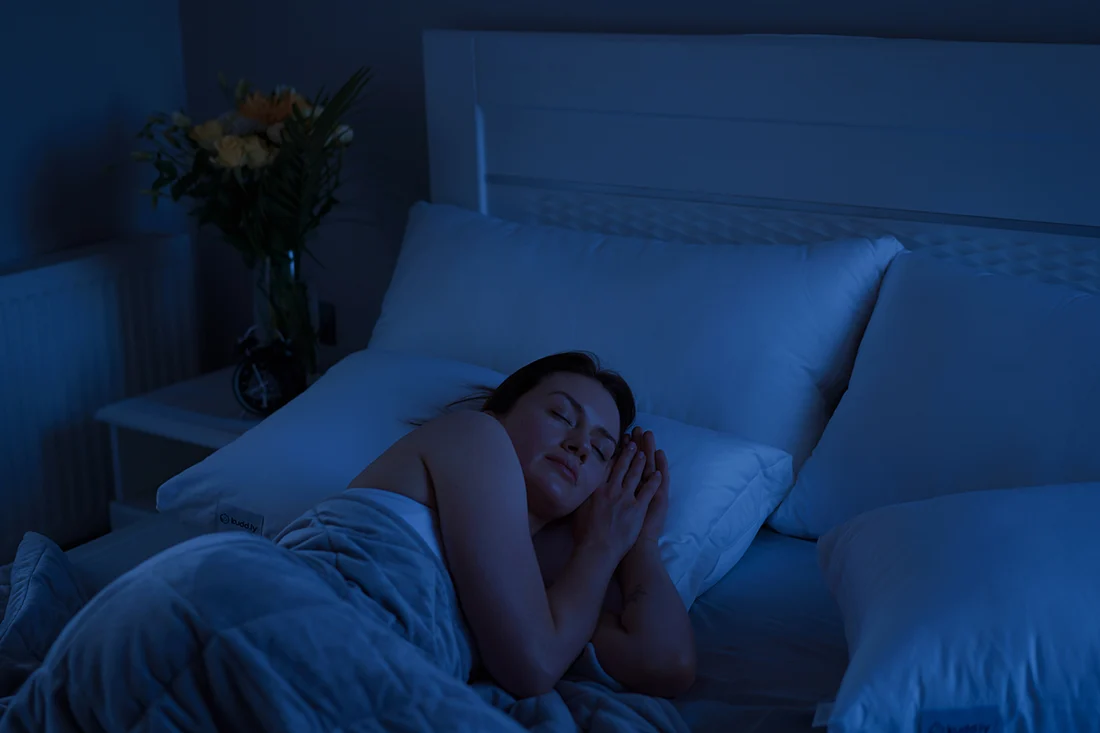
Dreams feel weird because the brain’s logic center, the prefrontal cortex, becomes far less active during REM sleep. Meanwhile, the emotional and memory centers stay highly active, creating vivid, illogical scenes with no built-in reality check.
This combination lets the brain build strange stories out of fragmented memories, emotions, and random internal signals.
What Happens in the Brain During a Dream?
Most vivid dreaming happens during REM sleep, a stage marked by rapid eye movement and high brain activity. Blood flow to the prefrontal cortex, the region responsible for reasoning, drops significantly during this stage.
Without that logical filter, the brain doesn’t flag impossible scenarios as impossible. That’s why dream logic can jump from one scene to another without question.
Key Brain Regions Involved in Dreaming
- Prefrontal cortex: Handles logic and reality-checking, but goes quiet during REM
- Amygdala: Drives strong emotions like fear or anxiety in dreams
- Visual cortex: Builds imagery from internal signals instead of real input
- Hippocampus: Pulls fragments of memory into the dream narrative
Top Reasons Why Dreams Feel So Weird
Several overlapping brain processes combine to make dreams feel so strange and disconnected from reality.
1. The Logic Center Goes Offline
The dorsolateral prefrontal cortex normally filters out impossible or irrational thoughts. During REM sleep, this filter weakens significantly.
This is why you might accept flying or talking to fictional characters as completely normal while dreaming.
2. Random Internal Signals Get Interpreted as Images
During REM sleep, the brainstem sends bursts of electrical activity called PGO waves toward the visual cortex. With no real-world input to process, the brain builds images out of this internal noise.
3. Emotional Centers Stay Highly Active
The amygdala, which processes fear and emotional intensity, remains active throughout REM sleep. This is why dreams often carry strong feelings even when the plot makes no sense.
4. Memory Fragments Get Mixed Together
The hippocampus contributes pieces of real memories, but without its usual context. Faces, places, and events from different times can blend into a single, disjointed scene.
5. Stress and Cortisol Levels
Higher stress levels can intensify REM activity and increase dream vividness. This is why stressful periods in life often produce stranger, more fragmented dreams.
6. Medications and Sleep Disorders
Certain medications, including some antidepressants and beta-blockers, are known to increase dream intensity. Sleep disorders like sleep apnea can also fragment sleep and trigger extra REM rebound activity.
Why Dreams Feel Weird: Cause Comparison Table
| Cause | What Happens | Effect on Dreams |
|---|---|---|
| Prefrontal cortex slowdown | Logic and reasoning weaken | Illogical events feel normal |
| PGO waves | Internal signals reach visual cortex | Vivid, invented imagery |
| Active amygdala | Emotional processing continues | Strong fear or joy in dreams |
| Hippocampus activity | Memory fragments recombine | Mixed-up people, places, events |
| High cortisol | Stress hormone increases | More vivid, chaotic dreams |
| Certain medications | Alter serotonin or REM cycles | More intense or unusual dreams |
Common Dream Theories Explained

Scientists don’t fully agree on why we dream, but several respected theories offer strong explanations.
Memory Processing Theory
This theory suggests dreams help the brain sort, store, and consolidate memories from the day. Random fragments surface as the brain organizes what to keep and what to discard.
Threat Simulation Theory
Some researchers believe dreams evolved as a way to safely rehearse threatening scenarios. This may explain why anxiety dreams and chase scenes are so common.
Reality Fine-Tuning Theory
A newer hypothesis suggests strange dreams help the brain avoid overfitting to everyday patterns. Surreal content may keep perception flexible and adaptable.
Signs Your Dreams Are Unusually Weird (And Why)
- Dreams feel more vivid than usual after a stressful week
- Dream oddness increases shortly after starting new medication
- Nightmares become more frequent during illness or fever
- Dreams feel unusually real after disrupted or fragmented sleep
How to Track and Understand Your Weird Dreams
- Keep a notebook or app by your bed for immediate recall.
- Write down key details, emotions, and people right after waking.
- Look for recurring themes or symbols over several weeks.
- Note any medication, stress, or sleep changes alongside entries.
- Share unusual patterns with a doctor if nightmares become frequent.
Mistakes to Avoid When Trying to Understand Weird Dreams
- Don’t assume every dream has a hidden symbolic meaning.
- Don’t ignore a sudden spike in nightmares tied to new medication.
- Don’t dismiss recurring dreams without looking for real-life patterns.
- Don’t rely on generic online dream dictionaries for medical concerns.
When Weird Dreams May Need Medical Attention
Occasional bizarre dreams are completely normal and expected. Frequent, distressing nightmares that disrupt sleep or daily functioning are worth discussing with a doctor.
Sudden changes in dream intensity after starting new medication or during illness can also be worth mentioning at your next appointment.
Expert Tips for More Restful Sleep
Sleep specialists often recommend a consistent bedtime, limiting screens before sleep, and reducing stress before bed to support more stable REM cycles. Reducing alcohol close to bedtime can also help minimize REM rebound and disrupted dreaming.

Also Read:
- Automated Enforcement Under Scrutiny: A Review of Red Light and Speed Cameras in the United States
- What Are Synonyms of Should? Top Words Explained 2026
- What Are Synonyms for Good? Words You Can Use 2026
- What Is the Difference Between Synonyms and Antonyms?
- YouTube Growth Strategy for New Creators: What Actually Works
- Electronics Recycling Container: The Smart Solution for Responsible E-Waste Disposal
- The Key Questions That Often Decide Truck Accident Claims
- Why Homeowners Skip Regular Cleaning and What It Costs Them
- Zodiac Signs: Your Personality Blueprint Guide
- Best 800+ Synonyms for Why: Simple Words & Usage Guide 2026
- Pun Names: Powerful & Hilarious Names to Make Everyone Laugh
- 200+ Funny Responses to “Good Morning” Texts
- OnThisVerySpot Com: Unlocking Layers of History and Pop Culture at Your Fingertips
- Unforgettable Ways to Incorporate Live Music Into Your Wedding Ceremony
- The Transformative Power of Music on Creativity and Well-Being
- How Music Listeners Are Quietly Moving Their Libraries Between Streaming Services
- Benjy Grinberg on Why a Musician’s Character Can Leave a Legacy as Powerful as Their Sound
- Redefining Sonic Identity Through the Lens of AI Music Generator
- Alabama Barker Age: The Empowering Journey of a Rising Music Star
- How Old Is Alabama Barker: The Dynamic Young Star’s Musical and Modeling Rise
- What Is Philip Michael Thomas Doing Now: Reigniting the Groove with Bold Music Moves
- Pretty Lights Net Worth: Illuminating the Glitch-Hop Empire of a Music Visionary
- Alahna Ly Age: The Rising Star of Social Media and Music
Frequently Asked Questions (FAQs)
Why are dreams so weird compared to real life?
Because the brain’s logic center weakens during REM sleep, allowing emotional and memory centers to build illogical, unfiltered scenes.
Do all humans experience weird dreams?
Yes. Bizarre, illogical dreaming is a normal part of REM sleep for nearly everyone, even if not everyone remembers their dreams.
Why do dreams feel so real while they’re happening?
The visual cortex builds vivid imagery from internal brain signals, and without a working logic filter, the brain treats it as real.
Can stress make dreams weirder?
Yes. Higher cortisol levels during stressful periods are linked to more vivid, chaotic, and emotionally intense dreams.
Why do I forget most of my weird dreams?
Memory consolidation for dreams is inconsistent, and waking up during or shortly after REM sleep improves recall.
Do medications really affect dream weirdness?
Yes. Certain antidepressants and beta-blockers are known to increase dream vividness and intensity in many people.
Why do dead relatives sometimes appear in dreams?
The hippocampus pulls memory fragments into dreams, and emotionally significant people often resurface without a logical reason.
Is there a scientific reason dreams jump between scenes?
Yes. Without an active logic filter, the brain doesn’t flag sudden scene changes as unusual or impossible.
Can weird dreams mean something is wrong health-wise?
Occasional strange dreams are normal, but frequent, distressing nightmares are worth mentioning to a doctor.
Why are dreams weirder after drinking alcohol?
Alcohol disrupts REM cycles, and REM rebound later in the night often produces more vivid, unusual dreams.
Do weird dreams have hidden meanings?
Some theories link dreams to memory processing or emotional rehearsal, but not every dream carries deep symbolic meaning.
Why do I have the same weird dream repeatedly?
Recurring dreams may reflect ongoing stress, unresolved emotions, or patterns the brain keeps revisiting during sleep.
Can lack of sleep make dreams stranger?
Yes. Sleep deprivation often increases REM rebound, which can intensify dream vividness and strangeness.
Why do dreams feel emotional even when they’re illogical?
The amygdala stays highly active during REM sleep, keeping emotional intensity high regardless of how illogical the plot is.
Is it normal to have violent or disturbing weird dreams?
Yes, occasionally. These are often linked to stress, anxiety, or the threat-simulation function some researchers associate with dreaming.
Why do children have different weird dreams than adults?
Children’s brain development and daytime experiences differ, which shapes the content and intensity of their dreams differently.
Can weird dreams be controlled?
Techniques like lucid dreaming training can increase awareness within dreams, though full control is difficult for most people.
Do naps produce weird dreams too?
Yes, especially longer naps that reach REM sleep, though nap dreams are often less vivid than nighttime ones.
Why do dreams sometimes combine multiple people into one person?
The hippocampus can blend memory fragments, merging traits or faces from different people into a single dream character.
Does age affect how weird your dreams are?
Dream vividness and recall can shift with age due to changes in sleep architecture and REM sleep patterns.
Conclusion
So, why are dreams so weird? It comes down to a temporary shutdown of logical thinking paired with an active, emotional, memory-driven brain. That imbalance is exactly what turns ordinary nights into surreal, story-like experiences.
Understanding the science behind weird dreams can make them feel less confusing and a little more fascinating the next time you wake up wondering what just happened.