Why Does Tooth Pain Come and Go? Causes Explained 2026

One moment your tooth aches, the next it feels completely fine. If you keep asking why does tooth pain come and go, the short answer is that most dental problems don’t hurt constantly, especially in their early stages.
Pain that fades doesn’t mean the problem is gone. It usually means inflammation or damage is still developing beneath the surface.
Why Does Tooth Pain Come and Go?
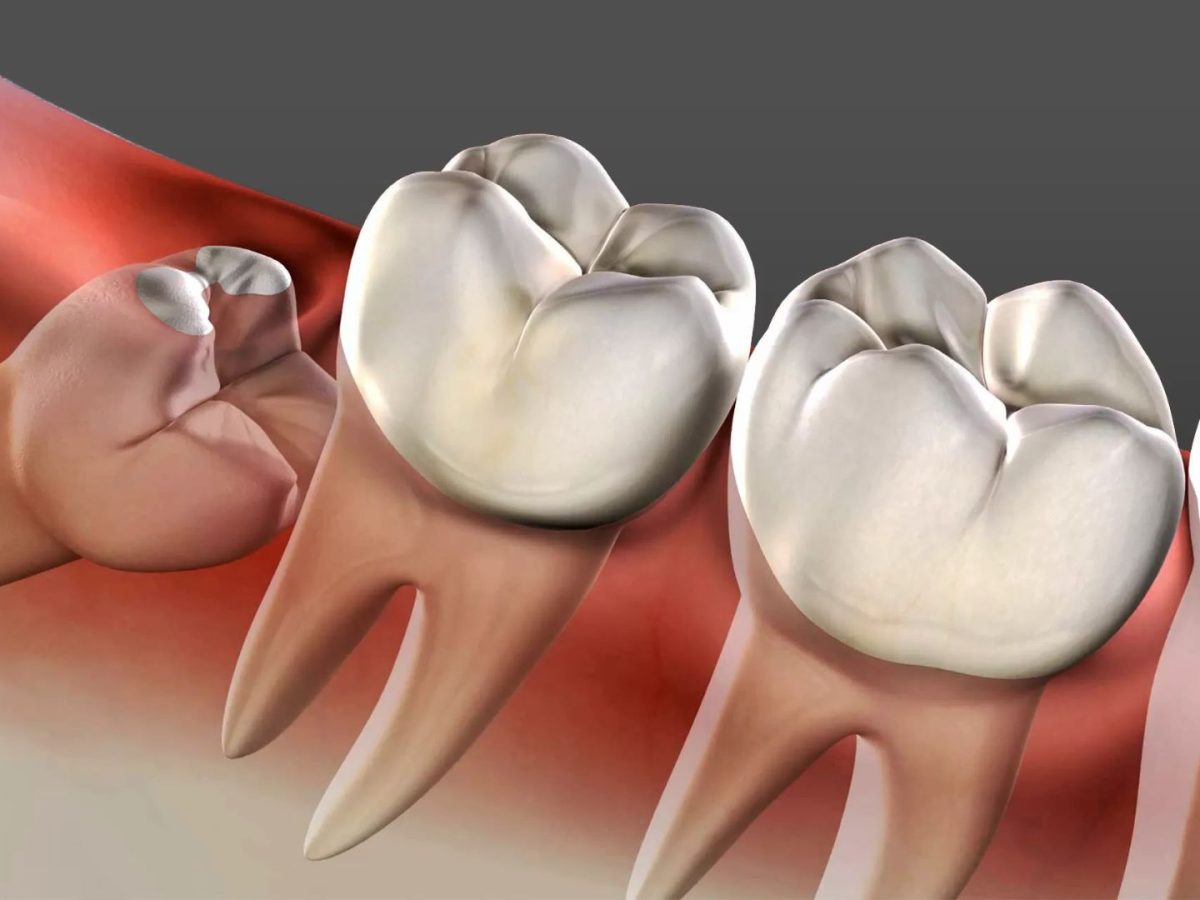
Tooth pain that comes and goes is usually caused by early-stage cavities, tooth sensitivity, cracked teeth, or gum inflammation. Pain fluctuates because inflammation and pressure inside the tooth change based on triggers like temperature, chewing, or time of day.
Fading pain doesn’t mean healing. In most cases, the underlying issue is still present and can worsen without treatment.
What Causes Intermittent Tooth Pain?
Tooth pain isn’t always constant like a cut or bruise. Instead, it often depends on internal pressure, nerve sensitivity, and changing inflammation levels.
That’s why pain can appear during meals, disappear for hours, and return without warning. Understanding the trigger pattern can help identify the likely cause.
Common Triggers for On-and-Off Tooth Pain
- Hot or cold foods and drinks
- Biting down or chewing on one side
- Sweet or acidic foods
- Lying down or changing head position
- Brushing or flossing near a sensitive area
Top Reasons Why Tooth Pain Comes and Goes
Several dental issues commonly cause pain that fluctuates rather than stays constant.
1. Early-Stage Cavities
A cavity in its early stages doesn’t always hurt continuously. Pain often appears only when sugar, cold, or pressure reaches the decayed area.
As decay progresses closer to the nerve, pain episodes usually become more frequent and intense.
2. Tooth Sensitivity
Worn enamel or receding gums can expose the sensitive dentin layer underneath. This often causes short, sharp pain triggered by temperature changes.
Sensitivity can vary day to day, which explains why the discomfort feels inconsistent.
3. Cracked or Fractured Tooth
Tiny cracks can shift slightly during chewing, triggering brief but sharp pain. Between bites, the tooth may feel completely normal.
Cracks are often difficult to detect without a dental exam, since they don’t always show up on the surface.
4. Gum Disease
Gingivitis or periodontitis can cause discomfort that flares up, especially around the gum line. Pain often intensifies during brushing or when pressure is applied.
Left untreated, gum disease can progress and affect the roots supporting your teeth.
5. Tooth Infection or Abscess
An infection inside the tooth can build pressure, causing throbbing pain. If the infection finds a way to drain, pressure temporarily drops and pain fades.
Reduced pain after drainage is not a sign of healing. The infection typically remains and needs treatment.
6. Sinus Pressure
Upper back teeth share nerve pathways with the sinuses. Sinus congestion or infection can create pressure that feels like tooth pain.
This type of discomfort often changes with head position or sinus symptoms like congestion.
7. Recent Dental Work
Teeth can feel sensitive for a short period after fillings, crowns, or other procedures. This type of discomfort usually fades within a few days to weeks.
Intermittent Tooth Pain: Cause Comparison Table

| Cause | Typical Trigger | Pain Pattern |
|---|---|---|
| Early cavity | Sugar, cold, pressure | Brief, occasional sharp pain |
| Tooth sensitivity | Hot, cold, or acidic foods | Short bursts, fades quickly |
| Cracked tooth | Chewing or biting | Sudden sharp pain, then normal |
| Gum disease | Brushing, flossing, pressure | Recurring discomfort near gum line |
| Tooth infection | Pressure buildup | Throbbing, may fade after drainage |
| Sinus pressure | Congestion, head position | Dull ache in upper back teeth |
Signs Intermittent Tooth Pain Needs Attention
- Pain returns repeatedly over several days or weeks
- Swelling, fever, or a bad taste in the mouth
- Pain worsens when lying down
- Sensitivity to both hot and cold temperatures
- Visible cracks, chips, or dark spots on the tooth
What to Do When Tooth Pain Comes and Goes
- Note when the pain occurs and what triggers it.
- Avoid extremely hot, cold, or sugary foods temporarily.
- Rinse gently with warm salt water to reduce irritation.
- Avoid chewing directly on the affected side.
- Schedule a dental exam even if the pain has faded.
Mistakes to Avoid With On-and-Off Tooth Pain
- Don’t assume fading pain means the problem resolved itself.
- Don’t delay treatment because the pain isn’t constant.
- Don’t rely on over-the-counter pain relief as a long-term fix.
- Don’t ignore swelling or fever alongside tooth pain.
When to See a Dentist Immediately
Persistent or recurring pain lasting more than a few days should always be evaluated. Swelling, fever, or pus around a tooth are signs of possible infection that need prompt care.
A dentist can use a clinical exam and X-rays to identify the exact cause, even when pain isn’t present during the visit.
Expert Tips for Preventing Recurring Tooth Pain
Dental professionals consistently recommend routine checkups every six months to catch problems before they cause pain. Good brushing and flossing habits also reduce the risk of cavities and gum disease that commonly lead to intermittent discomfort.
Using a soft-bristled toothbrush and desensitizing toothpaste can help manage mild sensitivity between dental visits.
Also Read:
- Automated Enforcement Under Scrutiny: A Review of Red Light and Speed Cameras in the United States
- What Are Synonyms of Should? Top Words Explained 2026
- What Are Synonyms for Good? Words You Can Use 2026
- What Is the Difference Between Synonyms and Antonyms?
- YouTube Growth Strategy for New Creators: What Actually Works
- Electronics Recycling Container: The Smart Solution for Responsible E-Waste Disposal
- The Key Questions That Often Decide Truck Accident Claims
- Why Homeowners Skip Regular Cleaning and What It Costs Them
- Zodiac Signs: Your Personality Blueprint Guide
- Best 800+ Synonyms for Why: Simple Words & Usage Guide 2026
- Pun Names: Powerful & Hilarious Names to Make Everyone Laugh
- 200+ Funny Responses to “Good Morning” Texts
- OnThisVerySpot Com: Unlocking Layers of History and Pop Culture at Your Fingertips
- Unforgettable Ways to Incorporate Live Music Into Your Wedding Ceremony
- The Transformative Power of Music on Creativity and Well-Being
- How Music Listeners Are Quietly Moving Their Libraries Between Streaming Services
- Benjy Grinberg on Why a Musician’s Character Can Leave a Legacy as Powerful as Their Sound
- Redefining Sonic Identity Through the Lens of AI Music Generator
- Alabama Barker Age: The Empowering Journey of a Rising Music Star
- How Old Is Alabama Barker: The Dynamic Young Star’s Musical and Modeling Rise
- What Is Philip Michael Thomas Doing Now: Reigniting the Groove with Bold Music Moves
- Pretty Lights Net Worth: Illuminating the Glitch-Hop Empire of a Music Visionary
- Alahna Ly Age: The Rising Star of Social Media and Music

Frequently Asked Questions (FAQs)
Why does tooth pain come and go instead of staying constant?
Pain fluctuates because inflammation, pressure, and nerve irritation inside the tooth change based on triggers like temperature and chewing.
Does tooth pain that comes and go mean the problem is healing?
No. Fading pain usually means pressure has changed, not that the underlying issue has resolved.
Can a cavity cause pain that comes and goes?
Yes. Early-stage cavities often cause brief, occasional pain triggered by sugar, cold, or pressure.
Is intermittent tooth pain always serious?
Not always, but it should still be evaluated, since it can indicate decay, infection, or a cracked tooth.
Why does my tooth hurt only when I bite down?
This often points to a cracked tooth, since chewing pressure can trigger brief, sharp pain.
Can sinus problems cause tooth pain that comes and goes?
Yes. Sinus pressure can affect upper back teeth, causing discomfort that changes with congestion or head position.
How long can intermittent tooth pain last before I should see a dentist?
If pain persists or returns over several days, it’s best to schedule a dental exam promptly.
Why does my tooth pain get worse at night?
Lying down can increase blood flow and pressure around an inflamed or infected tooth, intensifying pain.
Can tooth sensitivity come and go on its own?
Yes. Sensitivity levels can vary daily, especially with hot, cold, or acidic food and drink.
Is it normal for pain to disappear after a tooth infection drains?
Reduced pain after drainage reflects a pressure change, not healing, and the infection usually still needs treatment.
Can stress make tooth pain worse or more noticeable?
Stress-related teeth grinding can worsen sensitivity and contribute to intermittent tooth pain.
Why does cold water suddenly hurt one tooth?
This is often a sign of exposed dentin or a small cavity affecting that specific tooth.
Can gum disease cause pain that comes and goes?
Yes. Gum inflammation often flares during brushing or pressure and settles down afterward.
Should I take pain relievers for tooth pain that comes and goes?
Over-the-counter pain relief can offer temporary comfort, but it doesn’t treat the underlying dental issue.
Why does my tooth only hurt with sweets?
This pattern often points to early tooth decay reacting to sugar exposure on exposed dentin.
Can a tooth crack be invisible during a dental exam?
Yes, small cracks can be difficult to detect and may require additional imaging to confirm.
Why does tooth pain fade when I avoid certain foods?
Avoiding triggers like cold or sweet foods reduces nerve stimulation, temporarily masking the underlying issue.
Is tooth pain that comes and goes more common in certain age groups?
It can occur at any age, though enamel wear and gum recession become more common with age.
Can recent dental work cause temporary on-and-off pain?
Yes. Sensitivity after fillings or crowns is common and typically fades within days to weeks.
When is intermittent tooth pain considered a dental emergency?
Severe pain accompanied by swelling, fever, or facial swelling should be treated as an emergency.
Conclusion
So, why does tooth pain come and go? In most cases, it’s a sign of an underlying issue like decay, sensitivity, gum disease, or a small crack, not a problem resolving on its own. Pain patterns change based on pressure and inflammation inside the tooth.
If your tooth pain keeps returning, scheduling a dental exam is the safest way to catch the cause early and avoid more complicated treatment down the road.