Why Are My Taste Buds Swollen? Causes & Fast Relief 2026

Why Are My Taste Buds Swollen? Noticing a swollen, sore bump on your tongue can be alarming, especially if it shows up out of nowhere. It usually isn’t serious, but it’s easy to worry when eating or talking suddenly feels uncomfortable.
Swollen taste buds are extremely common. Research suggests more than half of people in the U.S. experience them at some point.
Why Are My Taste Buds Swollen?

Taste buds usually swell from irritation, injury, or inflammation of the tiny bumps on your tongue called papillae. Spicy or acidic food, burns, poor oral hygiene, and acid reflux are the most common triggers.
Most swollen taste buds heal within two to three days on their own. Persistent or painful bumps lasting over two weeks should be checked by a doctor or dentist.
What Taste Buds Actually Are
Taste buds sit inside small bumps on your tongue called papillae, which is what you’re actually seeing when a “taste bud” looks swollen. Each papilla contains dozens of taste buds working together to sense flavor.
When papillae get irritated or inflamed, they swell and become more visible. This is why the swelling often looks like a distinct red or white bump rather than general puffiness.
Top Causes of Swollen Taste Buds
Several everyday habits and conditions can trigger this kind of irritation. Most causes are minor and resolve on their own within a few days.
Burns From Hot Food or Drinks
Burning your tongue on hot coffee, tea, or food is one of the most common triggers. The heat damages the papillae, causing them to swell and feel tender.
This type of swelling is usually short-lived. It typically fades within two to three days as the tissue heals.
Spicy or Acidic Foods
Sour, spicy, or highly acidic foods can irritate the delicate tissue on your tongue. Citrus fruits, hot sauce, and vinegar-based dishes are frequent culprits.
The irritation is temporary and usually calms down once you stop eating the trigger food. Rinsing your mouth with water can help speed up relief.
Poor Oral Hygiene
Skipping regular brushing and flossing allows plaque and bacteria to build up in your mouth. That bacteria can irritate the tongue and cause taste buds to swell.
Consistent oral hygiene reduces how often this happens. A clean mouth also helps swollen taste buds heal faster once they appear.
Dry Mouth
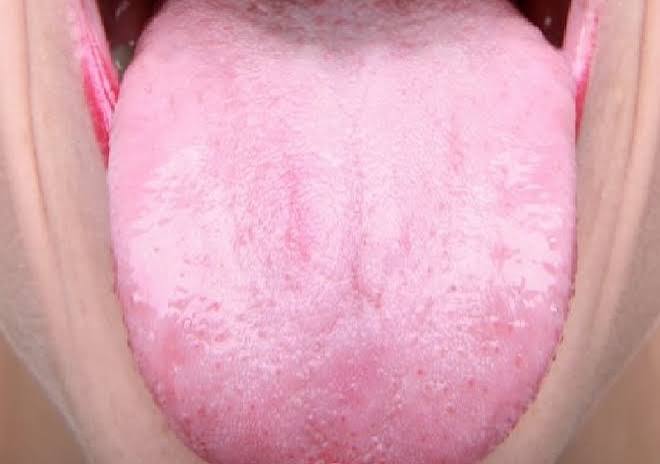
Reduced saliva flow, known as xerostomia, leaves your tongue more vulnerable to irritation. Saliva normally helps wash away bacteria and food particles.
Dry mouth can result from dehydration, certain medications, or breathing through your mouth. Staying hydrated is one of the simplest ways to prevent this trigger.
Acid Reflux (GERD)
Chronic acid reflux allows stomach acid to travel up into the esophagus and sometimes reach the mouth. This acid can irritate the tongue’s surface and inflame taste buds.
If swollen taste buds keep recurring alongside heartburn, reflux may be the underlying cause. Managing reflux with diet changes or medication often resolves the pattern.
Irritation From Dental Appliances
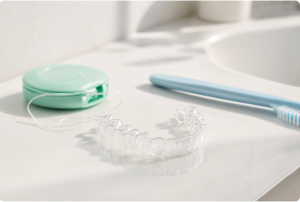
Braces, dentures, retainers, and other dental appliances can rub against the tongue. Repeated friction irritates the papillae and leads to swelling.
An orthodontist or dentist can adjust the appliance if this becomes a recurring issue. Dental wax can also reduce friction in the meantime.
Smoking and Tobacco Use
Chemicals in tobacco products irritate the soft tissue inside the mouth, including the tongue. Frequent smoking makes taste buds more prone to swelling and inflammation.
Cutting back on tobacco use reduces irritation over time. It also lowers the risk of more serious oral health issues.
Allergic Reactions
Certain foods, medications, or oral care products can trigger a mild allergic response on contact with the tongue. This reaction often causes localized swelling and discomfort.
If swelling appears right after trying a new food or product, an allergy is worth considering. Avoiding the trigger usually prevents it from happening again.
Minor Irritation vs a Sign of Something More Serious
Most swollen taste bud cases are harmless and short-lived. Here’s how to tell the difference between normal irritation and symptoms that need medical attention.
| Symptom | Minor Irritation | Needs Medical Attention |
|---|---|---|
| Duration | Resolves in 2–3 days | Lasts more than 2 weeks |
| Pain level | Mild tenderness | Severe or worsening pain |
| Location | One or a few spots | Spreading or multiple areas |
| Other symptoms | None | Fever, difficulty swallowing |
| Trigger | Known food, burn, or friction | No clear cause |
| Changes | Stays the same size | Growing or changing color |
How to Relieve Swollen Taste Buds Fast
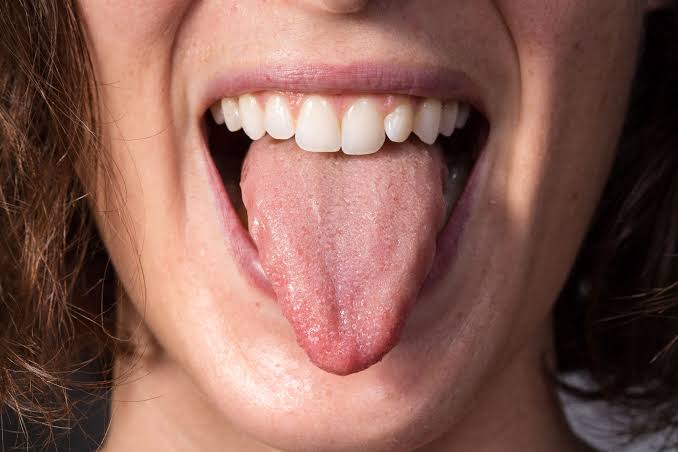
Most cases respond well to simple home care while the tissue heals. These remedies target both the discomfort and the underlying irritation.
- Rinse with warm salt water two to three times a day
- Stay hydrated to keep your mouth moist and support healing
- Avoid spicy, acidic, hot, or crunchy foods until it heals
- Apply a small ice cube briefly to reduce swelling and numb pain
- Use an alcohol-free mouthwash to avoid further irritation
- Take an over-the-counter pain reliever if discomfort is significant
- Brush gently around the area rather than skipping oral care
When to See a Doctor or Dentist
Most swollen taste buds clear up without any treatment at all. A visit becomes worthwhile once symptoms go beyond ordinary irritation.
See a doctor or dentist if the bump lasts longer than two weeks, causes severe pain, or comes with fever or trouble swallowing. Unexplained weight loss or a sore that changes color or size should also be checked promptly.
Mistakes to Avoid With Swollen Taste Buds
Continuing to eat spicy or acidic foods while your tongue is healing is one of the most common mistakes. This repeatedly reintroduces the irritation and slows recovery.
Ignoring a bump that lasts beyond two weeks is another mistake worth avoiding. Persistent sores are uncommon for simple irritation and deserve a professional look.
Preventing Swollen Taste Buds in the Future
Letting hot food and drinks cool slightly before eating prevents most burn-related swelling. This one habit alone avoids a large share of cases.
Keeping up consistent oral hygiene and staying hydrated throughout the day also lowers your risk significantly. Both habits protect your tongue’s tissue year-round, not just during a flare-up.
Also Read:
- Fitting Clear Aligner Treatment Into A Fourteen Month Engagement
- Why Self-Care is Crucial for Living Life to the Fullest
- Do STIs Affect the Vaginal Microbiome?
- Why Movement Science Is Vital for Fitness Coaches
- Consistency Does Not Mean Perfection
- Why Shame Blocks Growth
- Setting Shared Financial Goals
- Why Workstation Sinks Are Becoming A Practical Upgrade For Property Investments
- How Useful is a PMP Certification for HR Professionals?
- The Digital First Impression Houston Companies Can’t Ignore
- Why Investing In Quality Equipment Matters For Small Trade Businesses
- Quality Meets Affordability in Lab Diamond Tennis Bracelets
- Should You Buy Lab Diamond Tennis Bracelets Now?
- How to Choose the Perfect Lab Diamond Jewelry for Yourself
- The Benefits and Perils of a Last-minute Wedding
- The Democratization of Aesthetics: How Competitive Branding Redefined Global Cosmetics Markets
- Why Esthetics Offers One of the Strongest Career Growth Paths in Beauty
- How to Style Designer Denim for Every Season
- Ecommerce Checkout Page Best Practices That Convert
- What to Wear for a Weekend Brunch and Afternoon in the City
- Understanding Capital Allowances for Commercial Property Owners
- Driver Behavior Monitoring: What Should Fleets Actually Track?
- Protecting Digital Content from Piracy Across Multiple Platforms
Frequently Asked Questions (FAQs)
Why are my taste buds swollen all of a sudden?
Sudden swelling is usually caused by burning your tongue on hot food, biting it accidentally, or eating something spicy or acidic. It typically settles within a few days.
Are swollen taste buds dangerous?
No, swollen taste buds are rarely dangerous. They’re usually a minor, temporary reaction to irritation rather than a sign of a serious condition.
How long do swollen taste buds last?
Most swollen taste buds heal within two to three days. If swelling persists beyond two weeks, it’s worth getting checked.
What does a swollen taste bud look like?
A swollen taste bud usually appears as a small, raised bump that’s red or white. It may feel tender or sore when touched.
Can stress cause swollen taste buds?
Yes, stress can contribute to swollen taste buds in some people, possibly through dry mouth or increased teeth grinding. Managing stress may help reduce recurrence.
Can acid reflux cause swollen taste buds?
Yes. Stomach acid that reaches the mouth during reflux episodes can irritate the tongue and cause taste buds to swell.
Is it normal for taste buds to swell after eating spicy food?
Yes, this is a very common and harmless reaction. The irritation typically fades within a day or two.
Can poor oral hygiene cause swollen taste buds?
Yes. A buildup of bacteria and plaque from inconsistent brushing and flossing can irritate the tongue’s surface.
Do braces or dentures cause swollen taste buds?
Yes, repeated friction from dental appliances rubbing against the tongue can irritate the papillae. A dentist can adjust the fit to reduce this.
Can smoking cause swollen taste buds?
Yes. Chemicals in tobacco irritate the soft tissue in the mouth, making taste buds more prone to swelling.
Are swollen taste buds contagious?
No, swollen taste buds themselves are not contagious. If a viral or bacterial infection is the underlying cause, that infection could potentially spread.
What home remedies help swollen taste buds?
Warm salt water rinses, staying hydrated, avoiding spicy or acidic foods, and using an alcohol-free mouthwash are the most effective home remedies.
Can mouthwash help with swollen taste buds?
Yes, but choose an alcohol-free formula. Alcohol-based mouthwash can further irritate already sensitive tissue.
Why do my taste buds swell after drinking alcohol?
Alcohol can dehydrate your mouth and irritate the tongue’s surface, especially with frequent or heavy use. Staying hydrated can reduce this effect.
Can allergies cause swollen taste buds?
Yes. A mild allergic reaction to a food, medication, or oral care product can cause localized swelling on the tongue.
When should I worry about a swollen taste bud?
Worry if the bump lasts more than two weeks, grows larger, changes color, or comes with severe pain, fever, or trouble swallowing.
Can dehydration cause swollen taste buds?
Yes. Dehydration reduces saliva production, which leaves the tongue more vulnerable to irritation and swelling.
Do swollen taste buds affect how food tastes?
Temporarily, yes. Inflammation can dull or distort taste sensation in the affected area until the swelling goes down.
Can a swollen taste bud be a sign of oral cancer?
Rarely, but a sore that doesn’t heal within two weeks, especially in smokers or heavy drinkers, should be evaluated by a doctor to rule this out.
Is it safe to pop or pick at a swollen taste bud?
No. Picking at a swollen taste bud can worsen irritation, introduce bacteria, and slow healing.
Can vitamin deficiencies cause swollen taste buds?
Yes, deficiencies in vitamins like B12 or iron have been linked to tongue irritation and inflammation in some cases.
Why do my taste buds swell only on one side of my tongue?
One-sided swelling is often caused by localized irritation, such as biting that spot or friction from a tooth or dental appliance. It usually resolves once the irritant is removed.
Can ice help swollen taste buds?
Yes, briefly applying an ice cube can numb pain and reduce swelling. Avoid holding it in one spot for more than a few minutes.
Do swollen taste buds mean I have an infection?
Not necessarily. Most cases stem from simple irritation, though infections can occasionally be an underlying cause if symptoms persist or worsen.
Conclusion
Swollen taste buds are uncomfortable, but they’re almost always caused by everyday irritation like hot food, spicy meals, or minor friction rather than anything serious. Understanding why your taste buds are swollen makes it easier to find quick relief and avoid triggers going forward.
Simple steps like a warm salt water rinse, staying hydrated, and avoiding acidic foods usually clear things up within a few days. If a swollen taste bud lingers past two weeks or comes with severe pain or other symptoms, it’s worth having a doctor or dentist take a look.