Why Do My Bottom Teeth Hurt All of a Sudden? Causes 2026
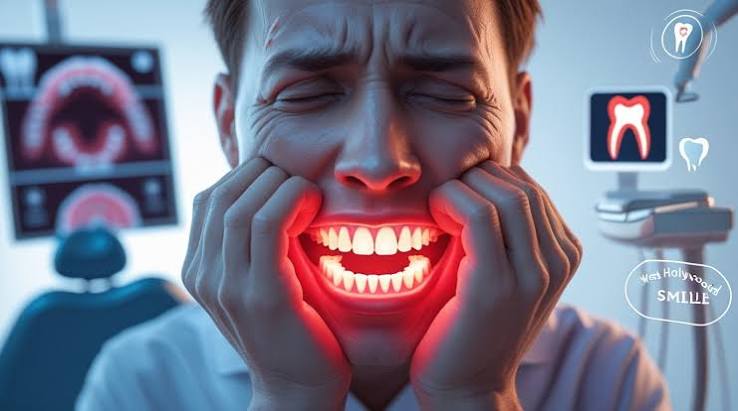
Why Do My Bottom Teeth Hurt All of a Sudden? One day your lower teeth feel completely normal. The next, they’re aching out of nowhere, and eating or talking suddenly feels uncomfortable.
Sudden tooth pain is more common than you might think. One survey found that roughly 22 percent of adults have experienced pain in their teeth, gums, or jaw within the past six months.
Why Do My Bottom Teeth Hurt All of a Sudden?
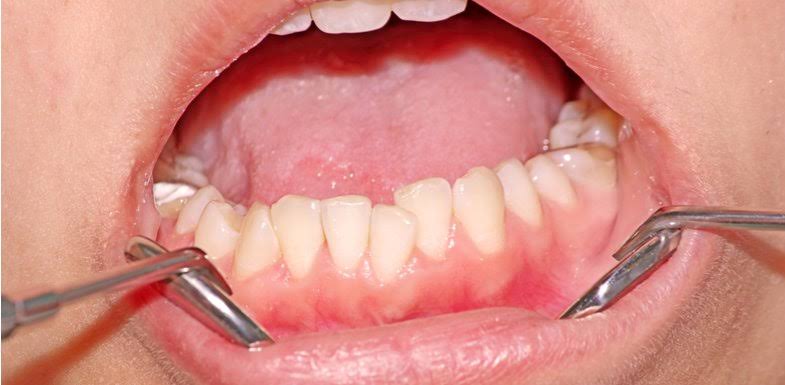
Sudden bottom teeth pain is usually caused by teeth grinding, tooth decay, gum recession, or a cracked tooth. Sinus pressure and recent dental work can also be responsible, even though those issues are more often linked to upper teeth.
Pain lasting more than 48 hours, or pain with swelling or fever, needs a dentist visit rather than home care alone.
What’s Different About Lower Teeth Pain
Bottom teeth take on a different kind of daily stress than upper teeth. They absorb more direct pressure from biting, grinding, and chewing, which makes them prone to their own specific set of problems.
Lower front teeth in particular often bear the brunt of nighttime grinding, since they make direct contact with the upper teeth. This is why sudden lower tooth pain frequently points to a habit rather than an obvious injury.
Top Causes of Sudden Bottom Teeth Pain
Pain that seems to appear overnight is usually the result of something that’s been building quietly for a while. Here are the most common culprits.
Teeth Grinding or Clenching (Bruxism)
Grinding or clenching, especially during sleep, wears down enamel over time. Once enough enamel is gone, the sensitive dentin underneath becomes exposed and painful.
Many people grind their teeth without realizing it. Waking up with a sore jaw, headache, or achy bottom teeth is a common sign of bruxism.
Tooth Decay or Cavities
Cavities don’t always hurt right away, but pain shows up once decay reaches the deeper layers of the tooth. This is especially common on the chewing surface of the lower molars.
Cavity pain tends to be sharp, constant, and triggered by biting down. If you’ve been inconsistent with brushing and flossing, decay is worth ruling out first.
Gum Recession
Receding gums expose the tooth root, which has no protective enamel covering. This makes the area highly sensitive to hot, cold, and sweet triggers.
Gum recession usually happens gradually, which is why the pain can feel like it appeared suddenly. Aggressive brushing, grinding, and age are common contributing factors.
Cracked or Fractured Teeth
A hairline crack doesn’t need to be visible to cause pain. Even a tiny fracture can let temperature and pressure reach the nerve, causing a sharp jolt when you bite or drink something cold.
This pain often comes and goes rather than staying constant. It tends to worsen with chewing or exposure to extreme temperatures.
Gum Disease
Early gum disease can cause lower teeth to feel sore before other symptoms show up. Bacteria and plaque buildup irritate the gum tissue, leading to inflammation around the tooth.
Watch for bleeding gums, bad breath, or teeth that feel slightly loose alongside the pain. These signs point toward gum disease rather than a purely dental issue.
Sinus Pressure
Sinus infections are more commonly linked to upper tooth pain, but the discomfort can occasionally radiate down to the lower teeth. This happens because nearby nerves overlap and can misfire signals.
If several teeth ache at once alongside cold or congestion symptoms, sinus pressure is worth considering. This cause is far less common for bottom teeth than for upper teeth.
Recent Dental Work
Fillings, crowns, or a deep cleaning can leave teeth temporarily sensitive. This is a normal healing response and usually fades within a few days to a couple of weeks.
If sensitivity from recent dental work doesn’t improve after a few weeks, contact your dentist. It could indicate the bite needs a small adjustment.
Overly Aggressive Brushing
Brushing too hard wears down enamel and can push gums back over time. Both effects expose the dentin underneath and lead to sensitivity.
Switching to a soft-bristled brush and a gentler technique can prevent this from getting worse. It’s an easy fix that’s often overlooked.
Comparing the Most Common Causes
Different causes of sudden bottom teeth pain tend to feel different in how and when they show up. Use this table to narrow down what’s likely happening.
| Cause | Pain Type | Common Trigger | Typical Pattern |
|---|---|---|---|
| Teeth grinding | Dull, achy | Waking up, stress | Worse in the morning |
| Cavity | Sharp, constant | Biting down, sweets | Localized to one tooth |
| Gum recession | Sensitive, sharp | Hot, cold, sweet | Gradual onset |
| Cracked tooth | Sharp, sudden | Biting, cold drinks | Comes and goes |
| Gum disease | Sore, throbbing | Brushing, flossing | Bleeding gums present |
| Sinus pressure | Dull pressure | Congestion, bending over | Multiple teeth affected |
How to Relieve Bottom Teeth Pain at Home
While you figure out the underlying cause, a few simple steps can ease discomfort in the meantime. None of these replace an actual diagnosis if pain continues.
- Rinse with warm salt water to reduce bacteria and soothe gums
- Take an over-the-counter pain reliever as directed
- Switch to a soft-bristled toothbrush and gentle technique
- Avoid very hot, cold, or sugary foods until pain settles
- Apply a cold compress to the outside of your jaw for swelling
- Use a desensitizing toothpaste for exposed root sensitivity
- Wear a nightguard if grinding is a known or suspected habit
When to See a Dentist
Home care helps with mild, temporary discomfort, but some symptoms call for a professional evaluation. Waiting too long can turn a small problem into a bigger one.
Book an appointment if pain lasts more than 48 hours or keeps getting worse. Seek care right away if you notice swelling, fever, or pus, since these can signal an infection or abscess that needs prompt treatment.
Mistakes to Avoid
Ignoring pain because it comes and goes is a common mistake. Intermittent pain, especially from a possible crack, often means the problem is still there even when it’s not hurting.
Brushing harder to “clean away” the pain is another mistake people make. This usually worsens gum recession and enamel wear instead of helping.
Preventing Sudden Tooth Pain in the Future
Wearing a nightguard is one of the most effective ways to protect against grinding-related damage. It’s a simple habit that prevents a large share of sudden lower tooth pain.
Sticking to regular dental checkups also catches cavities and gum issues before they cause pain. Most sudden pain has quiet warning signs that a dentist can spot early.
Also Read:
- Fitting Clear Aligner Treatment Into A Fourteen Month Engagement
- Why Self-Care is Crucial for Living Life to the Fullest
- Do STIs Affect the Vaginal Microbiome?
- Why Movement Science Is Vital for Fitness Coaches
- Consistency Does Not Mean Perfection
- Why Shame Blocks Growth
- Setting Shared Financial Goals
- Why Workstation Sinks Are Becoming A Practical Upgrade For Property Investments
- How Useful is a PMP Certification for HR Professionals?
- The Digital First Impression Houston Companies Can’t Ignore
- Why Investing In Quality Equipment Matters For Small Trade Businesses
- Quality Meets Affordability in Lab Diamond Tennis Bracelets
- Should You Buy Lab Diamond Tennis Bracelets Now?
- How to Choose the Perfect Lab Diamond Jewelry for Yourself
- The Benefits and Perils of a Last-minute Wedding
- The Democratization of Aesthetics: How Competitive Branding Redefined Global Cosmetics Markets
- Why Esthetics Offers One of the Strongest Career Growth Paths in Beauty
- How to Style Designer Denim for Every Season
- Ecommerce Checkout Page Best Practices That Convert
- What to Wear for a Weekend Brunch and Afternoon in the City
- Understanding Capital Allowances for Commercial Property Owners
- Driver Behavior Monitoring: What Should Fleets Actually Track?
- Protecting Digital Content from Piracy Across Multiple Platforms
Frequently Asked Questions (FAQs)
Why do my bottom teeth hurt all of a sudden with no injury?
Sudden pain without an injury usually points to grinding, a cavity, gum recession, or a hairline crack. These issues often build quietly before pain shows up.
Is sudden bottom teeth pain an emergency?
Not always, but pain with swelling, fever, or pus needs urgent care. Pain lasting more than 48 hours also warrants a dentist visit.
Can stress cause my bottom teeth to hurt?
Yes. Stress often leads to teeth grinding or clenching, especially at night, which can cause sudden soreness in the lower teeth.
Why do only my bottom front teeth hurt?
Lower front teeth make direct contact with upper teeth during grinding, so they often take the most pressure. This makes them especially prone to grinding-related pain.
Can a cavity cause sudden bottom teeth pain?
Yes. Cavities can stay silent until decay reaches the deeper layers of the tooth, at which point pain can appear seemingly out of nowhere.
Does gum recession cause sudden tooth pain?
Recession itself happens gradually, but the resulting sensitivity to hot, cold, or sweet foods can feel sudden once the root becomes exposed.
Can a sinus infection cause bottom teeth pain?
It’s possible, though sinus-related pain more commonly affects upper teeth. If several lower teeth ache along with congestion, sinus pressure could be a factor.
How do I know if my tooth pain is from grinding?
Grinding-related pain is usually dull and achy, and it’s often worse right after waking up. A sore jaw or headache alongside the pain also points to grinding.
Can a cracked tooth cause pain that comes and goes?
Yes. Cracked teeth often cause pain that appears when biting or drinking something cold, then disappears until the next trigger.
Should I see a dentist if my bottom teeth hurt for one day?
If pain resolves within a day and has no other symptoms, home care is usually fine. Pain lasting more than 48 hours should be checked by a dentist.
Can brushing too hard cause sudden tooth pain?
Yes. Aggressive brushing wears down enamel and can push gums back, both of which expose sensitive areas of the tooth.
What does an abscessed bottom tooth feel like?
An abscess typically causes throbbing pain, swelling, and sometimes fever or a bad taste in the mouth. This requires prompt dental treatment.
Can teeth grinding damage bottom teeth permanently?
Yes, over time grinding can wear down enamel enough to require dental treatment like crowns or bonding. A nightguard helps prevent this damage.
Why do my bottom teeth hurt when I bite down?
Pain when biting down often points to a cavity, cracked tooth, or a tooth that’s slightly higher than the surrounding bite. A dentist can pinpoint the exact cause.
Can recent dental work cause bottom teeth to hurt?
Yes, sensitivity after a filling, crown, or deep cleaning is common and usually fades within a few days to weeks.
Is it normal for one bottom tooth to hurt more than others?
Yes, localized pain in a single tooth often points to a specific issue like a cavity or crack, rather than a broader condition affecting all your teeth.
Can gum disease cause bottom teeth pain without bleeding?
Gum disease can cause soreness before bleeding becomes noticeable. Watch for bad breath or slightly loose teeth as early warning signs.
What home remedies help sudden bottom teeth pain?
A warm salt water rinse, over-the-counter pain relievers, and avoiding hot, cold, or sugary foods can ease discomfort while you arrange a dentist visit.
Can cold weather make bottom teeth hurt more?
Yes, cold air and cold drinks can trigger sharp sensitivity in teeth with exposed dentin or a hidden crack.
Why do my bottom teeth hurt more at night?
Nighttime pain is often linked to grinding or clenching that happens during sleep. It can also feel worse simply because there are fewer daytime distractions.
Can a nightguard stop sudden bottom teeth pain?
A nightguard can prevent further damage from grinding and reduce pain over time. It won’t fix existing cavities or cracks, which still need dental treatment.
Is sudden tooth pain always dental, or can it be something else?
While most cases are dental, sinus issues and referred nerve pain can occasionally mimic a toothache. A dentist can rule out non-dental causes.
Can whitening products cause bottom teeth sensitivity?
Yes, whitening treatments can temporarily increase tooth sensitivity, including in the lower teeth. This usually resolves once you stop or space out treatments.
Conclusion
Sudden pain in your bottom teeth is unsettling, but it almost always has a clear, treatable cause like grinding, a cavity, gum recession, or a small crack. Knowing why your bottom teeth hurt all of a sudden makes it much easier to respond with the right next step.
Simple home care can ease mild discomfort while you figure out what’s going on. If pain lasts more than 48 hours or comes with swelling or fever, book a dentist visit so the underlying cause gets treated before it worsens.