Why Is My Tongue Orange? Causes & When to Worry 2026

Why Is My Tongue Orange? Catching sight of an orange tongue in the mirror can be startling, especially if you can’t remember eating anything that color. In most cases it’s harmless, but it’s still worth understanding what’s actually going on.
An orange tongue almost always traces back to something simple: food, drink, tobacco, or a buildup on the tongue’s surface. Occasionally, it points to something that needs a bit more attention, like dry mouth or a yeast infection.
Why Is My Tongue Orange
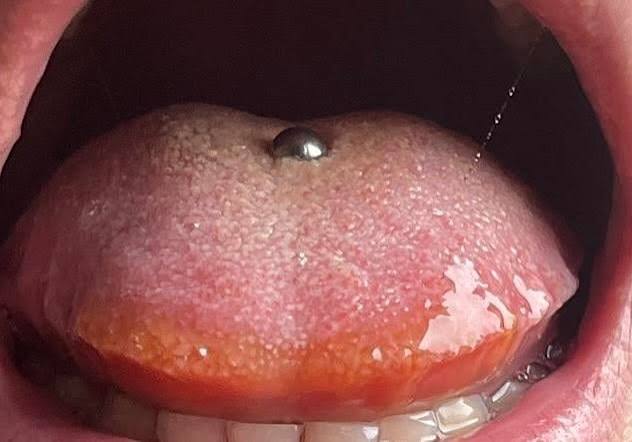
An orange tongue is usually caused by food or drink with strong coloring, poor oral hygiene, tobacco use, or dry mouth allowing bacteria and debris to build up on the tongue’s surface. Less commonly, it can result from oral thrush, certain medications, or a vitamin deficiency.
Most cases clear up with better tongue cleaning and hydration within a few days. Orange coloring that doesn’t fade despite good oral hygiene is worth mentioning to a doctor or dentist.
What a Healthy Tongue Normally Looks Like
A healthy tongue is typically a uniform pink color with a slightly textured surface. That texture comes from tiny bumps called papillae, which can trap food particles, bacteria, and dead cells throughout the day.
When that buildup isn’t cleaned away, it can take on the color of whatever you’ve recently eaten or been exposed to. This is the root explanation behind most cases of tongue discoloration, including orange.
Top Causes of an Orange Tongue
Several everyday habits and a handful of health conditions can turn your tongue orange. Most cases are simple to explain once you look at recent food, drink, and hygiene habits.
Food and Drink With Strong Coloring
Orange popsicles, gelatin, hard candy, and other foods with artificial coloring are the most common and obvious cause. The pigment temporarily stains the tongue’s surface until it’s brushed away or naturally fades.
Foods high in beta carotene, like carrots, sweet potatoes, and mangoes, can also cause orange staining. Eating large amounts of these foods regularly can lead to a condition called carotenemia.
Poor Oral Hygiene
Skipping regular tongue cleaning allows food particles, bacteria, and dead cells to build up on the papillae. This buildup often picks up a yellow or orange tint, especially after coffee, tea, or tobacco use.
Brushing your tongue as part of your daily routine helps prevent this buildup from forming. A tongue scraper can make this process even more effective.
Dry Mouth (Xerostomia)
Saliva normally helps rinse away bacteria and food debris throughout the day. When saliva production drops, that debris lingers and builds up, which can shift the tongue’s color toward orange.
Dry mouth is a common side effect of many medications, as well as dehydration and mouth breathing. Staying hydrated and addressing the underlying cause can help restore normal color.
Tobacco and Coffee or Tea Stains
Smoking or chewing tobacco introduces compounds that stain the tongue’s surface over time. Coffee and tea can cause a similar effect if the mouth isn’t cleaned regularly afterward.
These stains tend to build up gradually rather than appear suddenly. Cutting back on tobacco and improving tongue hygiene both help reduce this discoloration.
Oral Thrush (Yeast Infection)
Oral thrush occurs when the fungus Candida overgrows on the tongue and inside the mouth. This can cause the tongue to appear yellow, white, or orange, often alongside a slightly bumpy texture.
Thrush is more common in people taking steroid medications, antibiotics, or those with a weakened immune system. A doctor can confirm thrush and recommend antifungal treatment if needed.
Certain Medications

Some medications list tongue discoloration as a known side effect. Rifampin, an antibiotic used to treat tuberculosis, is one well-documented example that can temporarily turn the tongue orange.
If discoloration started shortly after beginning a new medication, that’s worth mentioning to your prescribing doctor. This type of staining typically resolves once the medication is stopped or adjusted.
Vitamin or Nutrient Imbalances
Some sources link tongue discoloration to imbalances in B vitamins or iron, which affect the health of the tongue’s surface tissue. This is a less common cause and usually appears alongside other symptoms like soreness or inflammation.
If your tongue looks orange along with a sore or swollen feeling, a checkup can help rule out a nutritional cause. Blood work is the most reliable way to confirm a deficiency.
Common Causes vs When to See a Doctor
Most orange tongue cases are easy to explain by recent food or hygiene habits. Use this table to gauge whether yours is likely harmless or worth a closer look.
| Cause | Likely Harmless | Worth Checking With a Doctor |
|---|---|---|
| Colored food or candy | Yes, fades within a day | No |
| Poor oral hygiene | Yes, improves with cleaning | If it persists despite good hygiene |
| Dry mouth | Often, especially if mild | If chronic or medication-related |
| Tobacco or coffee stains | Yes, gradual buildup | No |
| Oral thrush | No | Yes |
| New medication | Often | Yes, mention to your doctor |
| Nutrient deficiency | No | Yes |
How to Get Rid of an Orange Tongue
Most cases respond quickly to a few simple habit changes. Try these steps before assuming something more serious is going on.
- Brush your tongue gently every time you brush your teeth
- Use a tongue scraper to remove built-up debris
- Drink plenty of water throughout the day to prevent dry mouth
- Cut back on tobacco, coffee, and tea if staining is frequent
- Avoid large amounts of strongly colored or dyed foods temporarily
- Rinse your mouth with water after eating or drinking staining foods
When to See a Doctor or Dentist
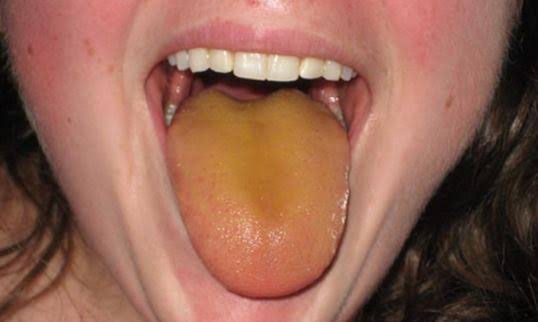
Most orange tongue cases resolve within a few days of better oral hygiene and hydration. A closer look becomes worthwhile once symptoms go beyond simple discoloration.
See a doctor or dentist if the orange color persists despite good hygiene, or if it comes with pain, swelling, or a white or bumpy coating. Discoloration that started after a new medication or alongside other symptoms should also be discussed with a professional.
Mistakes to Avoid
Assuming discoloration will disappear without any tongue cleaning is a common mistake. Buildup on the papillae generally needs to be actively brushed or scraped away rather than left to fade on its own.
Ignoring persistent orange coloring because it isn’t painful is another mistake worth avoiding. Painless discoloration can still point to an underlying cause like thrush or a medication side effect.
Preventing an Orange Tongue
Making tongue cleaning a daily habit is the most effective way to prevent buildup from forming in the first place. It takes only a few extra seconds during your regular brushing routine.
Staying hydrated throughout the day also keeps saliva flowing normally, which naturally reduces bacteria and debris buildup. Both habits protect against several of the most common causes at once.
Also Read:
- Fitting Clear Aligner Treatment Into A Fourteen Month Engagement
- Why Self-Care is Crucial for Living Life to the Fullest
- Do STIs Affect the Vaginal Microbiome?
- Why Movement Science Is Vital for Fitness Coaches
- Consistency Does Not Mean Perfection
- Why Shame Blocks Growth
- Setting Shared Financial Goals
- Why Workstation Sinks Are Becoming A Practical Upgrade For Property Investments
- How Useful is a PMP Certification for HR Professionals?
- The Digital First Impression Houston Companies Can’t Ignore
- Why Investing In Quality Equipment Matters For Small Trade Businesses
- Quality Meets Affordability in Lab Diamond Tennis Bracelets
- Should You Buy Lab Diamond Tennis Bracelets Now?
- How to Choose the Perfect Lab Diamond Jewelry for Yourself
- The Benefits and Perils of a Last-minute Wedding
- The Democratization of Aesthetics: How Competitive Branding Redefined Global Cosmetics Markets
- Why Esthetics Offers One of the Strongest Career Growth Paths in Beauty
- How to Style Designer Denim for Every Season
- Ecommerce Checkout Page Best Practices That Convert
- What to Wear for a Weekend Brunch and Afternoon in the City
- Understanding Capital Allowances for Commercial Property Owners
- Driver Behavior Monitoring: What Should Fleets Actually Track?
- Protecting Digital Content from Piracy Across Multiple Platforms
Frequently Asked Questions (FAQs)
Why is my tongue orange after eating?
Foods with strong artificial coloring, like popsicles, candy, or gelatin, can temporarily stain the tongue orange. This usually fades within a day, especially with normal brushing.
Is an orange tongue always a sign of poor hygiene?
Not always. While poor hygiene is a common cause, food coloring, dry mouth, medications, and oral thrush can also cause orange discoloration regardless of how well you brush.
Can carrots really turn your tongue orange?
Yes. Eating large amounts of beta carotene-rich foods like carrots can cause a temporary orange tint to the tongue and even the skin, a condition called carotenemia.
How long does an orange tongue from food last?
Staining from food or drink typically fades within a few hours to a day, especially if you brush your tongue and drink water afterward.
Can dry mouth cause an orange tongue?
Yes. Reduced saliva allows bacteria and debris to build up on the tongue’s surface, which can shift its color toward orange or yellow.
Is oral thrush the same as an orange tongue from food?
No. Oral thrush is a yeast infection that can cause orange, yellow, or white discoloration, often with a bumpy texture, and doesn’t resolve with simple brushing.
Can smoking cause an orange tongue?
Yes. Tobacco use, whether smoking or chewing, can gradually stain the tongue orange or brown over time.
Does coffee or tea stain the tongue orange?
Yes, especially with frequent consumption and inconsistent tongue cleaning. Rinsing your mouth after drinking coffee or tea helps prevent buildup.
Can medication cause my tongue to turn orange?
Yes. Certain medications, including the antibiotic rifampin, are known to temporarily discolor the tongue orange as a side effect.
Should I be worried if my tongue is orange?
In most cases, no. It’s usually linked to food, hygiene, or dry mouth. Persistent discoloration despite good hygiene is worth mentioning to a doctor.
Can a tongue scraper help fix an orange tongue?
Yes. A tongue scraper removes built-up debris and bacteria more effectively than brushing alone, which often resolves mild discoloration.
Why is my tongue orange in the morning?
Reduced saliva flow overnight allows bacteria and debris to accumulate, which can make the tongue appear more discolored first thing in the morning.
Can vitamin deficiencies cause an orange tongue?
Some sources link imbalances in B vitamins or iron to tongue discoloration, though this is less common than dietary or hygiene-related causes.
Is an orange tongue contagious?
No, an orange tongue itself isn’t contagious. If oral thrush is the underlying cause, that fungal infection can potentially spread in certain situations.
Can children get an orange tongue from food?
Yes, this is very common in children, especially after eating orange popsicles, candy, or foods high in beta carotene like mashed carrots.
Does mouthwash help with an orange tongue?
Mouthwash can help reduce bacteria, but gently brushing or scraping the tongue is generally more effective for removing visible discoloration.
Can acid reflux cause tongue discoloration?
Yes, some sources note that acid reflux can contribute to color changes on the tongue, including orange or yellow tones.
How is oral thrush treated if it’s causing an orange tongue?
Oral thrush is typically treated with antifungal medication prescribed by a doctor after a proper diagnosis.
Can an orange tongue indicate diabetes?
Some research has linked yellow tongue coating to diabetes and prediabetes, though this connection is less established for orange coloring specifically.
Why does my tongue look orange around the edges only?
Edge discoloration is often linked to food or drink residue collecting in that area, or mild irritation from teeth. It usually resolves with normal cleaning.
Can stress cause an orange or discolored tongue?
Stress itself doesn’t directly cause discoloration, but it can contribute to dry mouth, which is a known factor in tongue color changes.
Is it normal for a baby’s tongue to turn orange?
Yes, this is usually linked to diet, particularly pureed carrots or sweet potatoes, and isn’t typically a cause for concern.
Conclusion
An orange tongue looks alarming, but it’s almost always explained by something simple like food, tobacco, dry mouth, or a buildup that needs a good cleaning. Knowing why your tongue is orange makes it much easier to address with a few small habit changes.
Better tongue hygiene, staying hydrated, and cutting back on staining foods or tobacco usually clear things up within a few days. If the orange color sticks around despite good habits, or comes with pain or a bumpy texture, a doctor or dentist can check for an underlying cause like oral thrush.