Freemasonry and the Holy Bible: A Deep Exploration
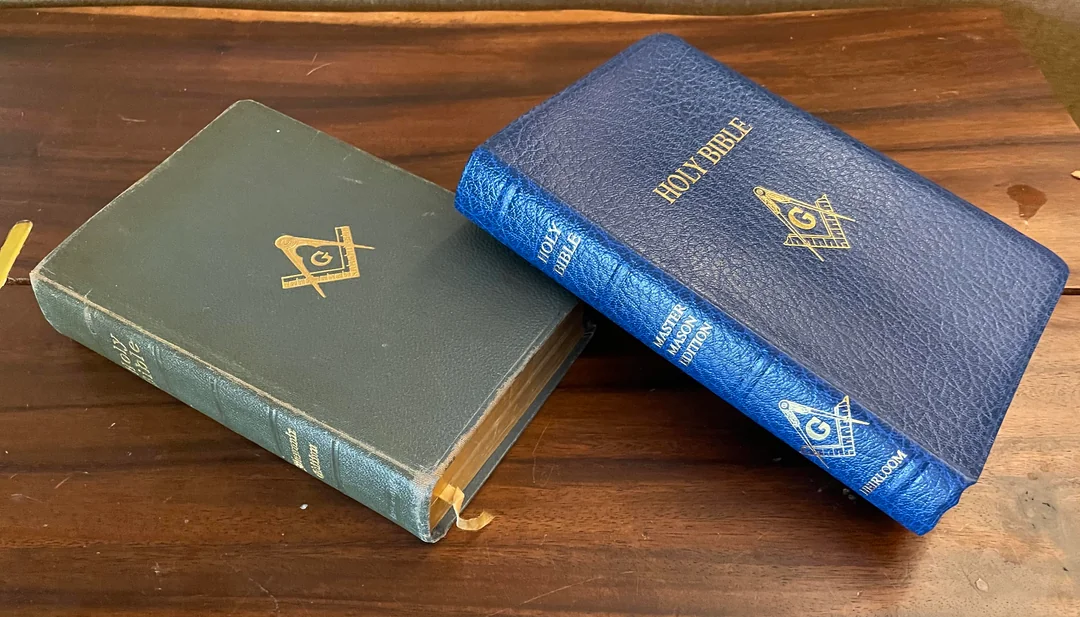
Freemasonry is an ancient fraternal order that blends philosophy, symbolism, and moral teachings. It is not a religion, but it requires members to believe in a Supreme Being. Among the various sacred texts used in Masonic rituals, the Holy Bible holds significant symbolic importance.
- Symbol of Truth and Morality – The Bible represents ethical guidance, honesty, and righteousness.
- Part of Lodge Rituals – Masons often take oaths on the Bible during initiations.
- Religious Inclusivity – Although the Bible is the primary sacred text in many lodges, other religious texts may also be used.
The Bible’s role in Freemasonry is not about religious worship but about moral enlightenment and ethical principles. Its presence reinforces the belief that Masons should live by high moral standards, regardless of their religious background.
What is Freemasonry?
Freemasonry is a brotherhood dedicated to moral development, self-improvement, and philanthropy. Its origins trace back to medieval stonemason guilds, and it evolved into a philosophical society in the 17th century.
Key Principles of Freemasonry
- Brotherly Love – Encourages unity and respect among members.
- Relief (Charity) – Supports those in need through donations and service.
- Truth – Emphasizes honesty, integrity, and ethical living.
Masonic Degrees and Structure
| Degree | Meaning |
| Entered Apprentice | Represents moral and spiritual initiation. |
| Fellow Craft | Focuses on intellectual and ethical growth. |
| Master Mason | The highest degree, symbolizing wisdom and enlightenment. |
Freemasonry is not a religion but shares spiritual and philosophical ideals with many faiths, making it a unique blend of tradition, symbolism, and personal development.
The Role of the Holy Bible in Freemasonry
The Holy Bible is considered the Volume of Sacred Law (VSL) in Freemasonry. It is placed on the altar during lodge meetings and serves as a moral guide rather than a religious doctrine.
Why is the Bible Important in Freemasonry?
- Moral Guidance – It represents truth, integrity, and wisdom.
- Used in Oaths – Masons swear obligations upon it as a sign of commitment.
- Symbolic Lessons – Teaches justice, honesty, and brotherhood.
While the Bible is the most common sacred text in Freemasonry, lodges in non-Christian regions may use other scriptures like the Quran, Torah, or Bhagavad Gita, reflecting the organization’s religious tolerance.
Masonic Beliefs and Biblical Teachings
Freemasonry draws inspiration from the moral teachings of the Bible, though it does not align with any single religious doctrine.
Masonic Values Found in the Bible
- Brotherhood – “Behold, how good and how pleasant it is for brethren to dwell together in unity!” (Psalm 133:1).
- Integrity – “A false balance is an abomination to the Lord, but a just weight is His delight” (Proverbs 11:1).
- Wisdom – “Wisdom is the principal thing; therefore get wisdom” (Proverbs 4:7).
While Christianity teaches that salvation comes through Jesus Christ, Freemasonry focuses on moral enlightenment and ethical living rather than spiritual salvation.
Biblical Symbols and Their Meaning in Freemasonry
Freemasonry heavily relies on symbolism, with many of its signs and rituals drawn from the Bible and ancient traditions.
Common Biblical Symbols in Freemasonry
| Symbol | Meaning in Freemasonry |
| The Pillars of Boaz & Jachin | Strength and establishment, inspired by Solomon’s Temple. |
| The All-Seeing Eye | Represents divine watchfulness and moral accountability. |
| The Ark of the Covenant | Symbolizes wisdom and sacred knowledge. |
These symbols reinforce the importance of moral discipline and ethical responsibility in the Masonic journey.
The Square and Compass in Relation to the Bible
The Square and Compass is one of the most recognizable symbols in Freemasonry, representing moral and spiritual guidance. The square symbolizes honesty, integrity, and virtue, while the compass represents self-discipline, wisdom, and spiritual growth. These tools are used by stonemasons to ensure precision, and in Freemasonry, they serve as metaphors for moral behavior.
The Bible is often placed in the center of a Masonic lodge, with the Square and Compass resting on top. This symbolizes that a Mason’s actions should be guided by divine teachings and moral principles. For Christian Masons, the presence of the Bible reinforces the idea that their faith aligns with their Masonic obligations. However, in lodges where members follow other religions, different sacred texts may be used instead of the Bible.
Freemasonry does not enforce one religious interpretation but rather promotes ethical living. The Square and Compass, in relation to the Bible, remind members that their actions should align with both Masonic and spiritual principles. Many Masonic rituals reference the Square and Compass to illustrate the importance of moral uprightness, honesty, and faith in a Supreme Being.
Freemasonry’s Use of Scripture in Rituals
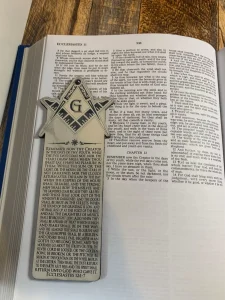
Freemasonry frequently incorporates biblical passages and stories into its rituals, especially those from the Old Testament. One of the most significant biblical references is King Solomon’s Temple, which serves as a model for Masonic teachings. The construction of the temple, its design, and the workers involved are all symbolic of a Mason’s personal spiritual journey and moral development.
During Masonic initiations, candidates place their hands on the Bible or another sacred text while taking their oaths. This emphasizes the seriousness of their commitments. Many Masonic degrees feature readings from scripture, often emphasizing virtues such as faith, charity, truth, and brotherhood.
Although scripture is used, Freemasonry does not interpret religious texts dogmatically. Instead, it uses biblical principles to reinforce universal moral truths. Masons are encouraged to study their own faith and beliefs while applying the ethical lessons learned in the lodge.
While Christian Masons see deep connections between Masonic teachings and biblical values, Freemasonry remains open to men of all faiths, allowing them to apply their own sacred texts to the principles taught. This religious inclusivity makes Freemasonry unique among fraternal organizations.
Differences Between Freemasonry and Traditional Christianity
Freemasonry and traditional Christianity share some moral values but differ in significant ways. Christianity is a faith centered on salvation through Jesus Christ, while Freemasonry is a fraternal organization that promotes ethical conduct and brotherhood.
One major difference is that Freemasonry is not a religion, but it requires belief in a Supreme Being. Christianity teaches that Jesus is the only way to salvation, whereas Freemasonry allows members of all religions to join. This inclusivity can cause concern among some Christian groups, who believe that Freemasonry does not align fully with Christian doctrine.
Another key difference is the use of rituals and secrecy. While Christian worship is public and focuses on scripture and community, Masonic meetings involve secret ceremonies, oaths, and symbols. Some churches view these rituals as incompatible with Christian teachings.
Freemasonry encourages members to seek truth through reason and moral living, while Christianity emphasizes faith in God’s revelation through scripture. While many Christians are Freemasons, some denominations discourage or forbid their members from joining the fraternity due to theological concerns.
Controversies Surrounding Freemasonry and the Bible
Freemasonry’s use of the Bible and religious themes has led to significant controversy. Many religious groups, particularly Catholic and some Protestant denominations, have criticized Freemasonry for not adhering strictly to Christian doctrine.
One major concern is that Freemasonry allows members of all faiths to join, which some Christian groups view as religious relativism. Critics argue that by treating all religious beliefs as equal, Freemasonry contradicts the exclusivity of Christianity.
Another controversy involves Masonic oaths and secrecy. Some claim that these oaths require members to place their allegiance to the fraternity above their religious beliefs, which can be seen as a conflict of interest. Additionally, Masonic rituals are often misunderstood, leading to accusations of occultism or secret agendas.
Despite these controversies, Freemasonry continues to attract members from various religious backgrounds. While some churches strongly oppose Masonic membership, others view it as a harmless fraternal organization that promotes charity, brotherhood, and moral living.
Notable Freemasons Who Referenced the Bible
Many historical figures and leaders who were Freemasons have referenced the Bible in their speeches, writings, and beliefs. Some of the most notable include:
George Washington – The first U.S. President and a Freemason, Washington frequently referenced biblical principles in his leadership.
Benjamin Franklin – A key figure in American history, Franklin was a dedicated Freemason who often spoke about the importance of moral character, drawing inspiration from biblical teachings.
Winston Churchill – The British Prime Minister during World War II, Churchill was a Freemason who valued Christian and Masonic principles in his leadership.
Paul Revere – The American patriot and Freemason believed in biblical values of justice and righteousness.
These figures demonstrate that Freemasonry and biblical teachings can coexist, despite religious debates about the fraternity.
Freemasonry and Religious Tolerance
Freemasonry places great emphasis on religious tolerance, allowing men of different faiths to unite under common moral and ethical principles. While Freemasonry acknowledges a Supreme Being, it does not promote one religion over another.
This tolerance has been a source of strength but also a cause of controversy. Some religious groups argue that accepting multiple beliefs undermines the authority of a single faith. However, Masons believe that true brotherhood is built on respect, not religious exclusivity.
By embracing religious tolerance, Freemasonry encourages members to strengthen their own faith while respecting others. This philosophy promotes unity and cooperation among people of different backgrounds and beliefs.
Masonic Lodges and Their Approach to Biblical Texts
Masonic lodges handle biblical texts with respect but without doctrinal enforcement. The Bible, or a Volume of Sacred Law, is always open during meetings, symbolizing the presence of divine guidance. However, Freemasonry does not interpret the Bible in a theological manner, leaving religious interpretation to the individual.
Masonic lodges often encourage members to read and reflect on their own religious texts, reinforcing personal spiritual and moral growth. The approach is one of universal morality, rather than specific religious doctrine.
This open-ended approach allows Freemasonry to welcome men from all religious backgrounds, fostering unity and moral integrity without enforcing a single religious ideology.
Frequently Asked Questions about Freemasonry and the Holy Bible
Is Freemasonry a religion?
No, Freemasonry is not a religion, but it requires belief in a Supreme Being.
Why is the Bible used in Masonic lodges?
The Bible symbolizes moral guidance, but other religious texts may be used based on the member’s faith.
Are Christian Freemasons allowed to read the Bible?
Yes, Christian Masons are encouraged to read and follow biblical teachings.
Does Freemasonry conflict with Christianity?
Some churches believe it does, but many Christian Freemasons see no contradiction.
Are there biblical references in Masonic rituals?
Yes, many Masonic rituals reference stories like King Solomon’s Temple.
Why do some churches oppose Freemasonry?
Some believe it promotes religious relativism and secrecy, conflicting with Christian teachings.
Can non-Christians join Freemasonry?
Yes, Freemasonry accepts men of all faiths, provided they believe in a Supreme Being.
Conclusion of Freemasonry and the Holy Bible
Freemasonry and the Holy Bible have a deep but complex relationship. While Masonic teachings use biblical references, Freemasonry remains a non-religious fraternal organization.
The inclusivity of different faiths, use of scripture, and emphasis on morality continue to shape discussions about Freemasonry’s role in religious and ethical life.