From Jane Austen to Colleen Hoover: How Romantic Literature Has Shaped Modern Love
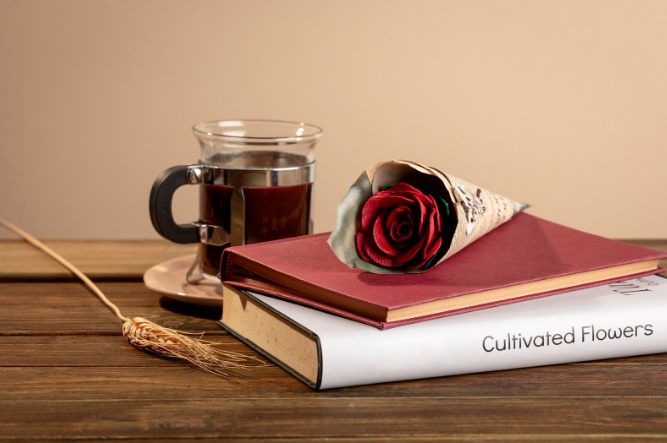
Love. That elusive, intoxicating, sometimes maddening force that has fueled literature for centuries. From grand ballrooms in Regency England to the modern-day whirlwind of dating apps, romantic literature has shaped not only the way we tell love stories but also how we experience romance in real life. What started with carefully folded letters sealed with wax has morphed into late-night texts and viral TikTok confessions. But how did we get here?
Jane Austen and the Foundations of Romantic Ideals
Step into the early 19th century. A time of social decorum, rigid class structures, and courtship rituals that made modern dating seem like a chaotic free-for-all. Jane Austen, one of the most influential voices in romantic literature, didn’t just write love stories—she dissected them.
Take Pride and Prejudice. The tension between Elizabeth Bennet and Mr. Darcy isn’t just about romance; it’s about social mobility, miscommunication, and personal growth. Darcy’s famous transformation from aloof aristocrat to devoted lover? That’s the blueprint for countless romance novels that followed.
Her works introduced core elements that still shape romance today: the idea that love should be based on mutual respect, the tension of opposites attracting, and the necessity of personal development before a happy ending. Even now, elements of Austen’s storytelling echo in rom-coms and bestselling novels. The brooding, misunderstood hero? That’s Darcy. The independent, witty heroine? That’s Elizabeth.
The Rise of Passion: The Brontë Sisters and Beyond
While Austen gave us structure, Charlotte and Emily Brontë added emotional chaos. If Austen’s characters engaged in a careful dance of courtship, the Brontës ripped their protagonists apart and threw them into storms—both literal and emotional.
Take Wuthering Heights. Heathcliff and Catherine’s relationship is messy, obsessive, even destructive. It’s love at its most extreme, full of raw passion and gothic intensity. These themes—love as an uncontrollable force, the idea of soulmates, and the connection between love and suffering—still dominate romance today. Ever read a book where the characters “can’t live without each other”? That’s pure Brontë.
By the way, you can find dozens and even hundreds of novels on the topic of romantic relationships right on your smartphone. These iOS novels are creating new realities for reading. For example, you can pick up a one-night stand novel in a minute and even play it in audio mode. The ability to read free novels online allows you not to be alone and forget about boredom even while traveling. Those who choose to read novels online can ignite romantic feelings and passion in themselves as soon as they want. In general, free novels online have changed the relationship between people and novels.
The 20th Century: Hollywood and the Reinvention of Love
Romantic literature didn’t stay confined to books. The 20th century saw romance novels influencing pop culture in ways no one could have predicted. Enter Nicholas Sparks, the king of modern sentimental romance, whose novels (The Notebook, A Walk to Remember) turned love stories into global sensations.
Hollywood caught on. Suddenly, love stories weren’t just on the page—they were on the big screen, feeding audiences grand declarations of love, dramatic misunderstandings, and heartbreaking goodbyes. According to a 2019 study, over 70% of people admit that romantic movies and books have influenced their expectations of love. Whether that’s a good or bad thing? Well, that depends.

The Hoover Era: Contemporary Love and Realism
Now, we arrive at the 21st century. Enter Colleen Hoover, one of the biggest names in modern romantic fiction. Her books (It Ends with Us, November 9) don’t just focus on romance—they tackle trauma, real-life relationships, and the sometimes painful realities of love. Unlike Austen’s neat resolutions, Hoover’s endings don’t always guarantee a happy-ever-after. Instead, they reflect something truer to real life: sometimes love is complicated, sometimes it’s not enough.
The rise of “BookTok” and social media has amplified her reach, creating a new wave of readers who crave raw, emotionally charged romance. According to publishing industry reports, Hoover sold over 20 million books by 2023, proving that romance novels aren’t just surviving—they’re thriving.
How Romantic Literature Shapes Real-Life Love
The influence of romantic literature isn’t just theoretical—it’s measurable. Studies show that people who read romance novels often have higher emotional intelligence and stronger beliefs in the possibility of true love. At the same time, unrealistic expectations can lead to dissatisfaction. The trope of the “perfect partner” has made modern dating more complicated than ever.
Yet, despite the criticisms, one thing is clear: romance novels offer something people crave—hope, escapism, and a belief in love’s transformative power. Whether through Austen’s wit, Brontë’s passion, Sparks’ sentimentality, or Hoover’s raw honesty, romantic literature continues to define how we see, experience, and understand love.
The Future of Love Stories: Where Do We Go from Here?
As romance literature evolves, it mirrors the changing landscape of modern relationships. Today’s readers seek diverse love stories—ones that go beyond the traditional “boy meets girl” formula. The rise of LGBTQ+ romances, multicultural love stories, and narratives that explore mental health and trauma reflects a society that craves authenticity.
Authors like Emily Henry, Ali Hazelwood, and Talia Hibbert are redefining the genre, blending romance with humor, science, and deep emotional exploration. Meanwhile, technology is reshaping how love is told; AI-driven storytelling and interactive romance apps hint at a future where readers shape their own love stories. With over 35% of all fiction sales coming from romance novels, the demand for love stories isn’t fading—it’s transforming. Whether it’s through a classic novel, a TikTok sensation, or an AI-generated love story, one thing remains true: people will always want to fall in love, even if it’s just on the page.