Trap Bar Deadlift: The Ultimate Strength-Building Exercise
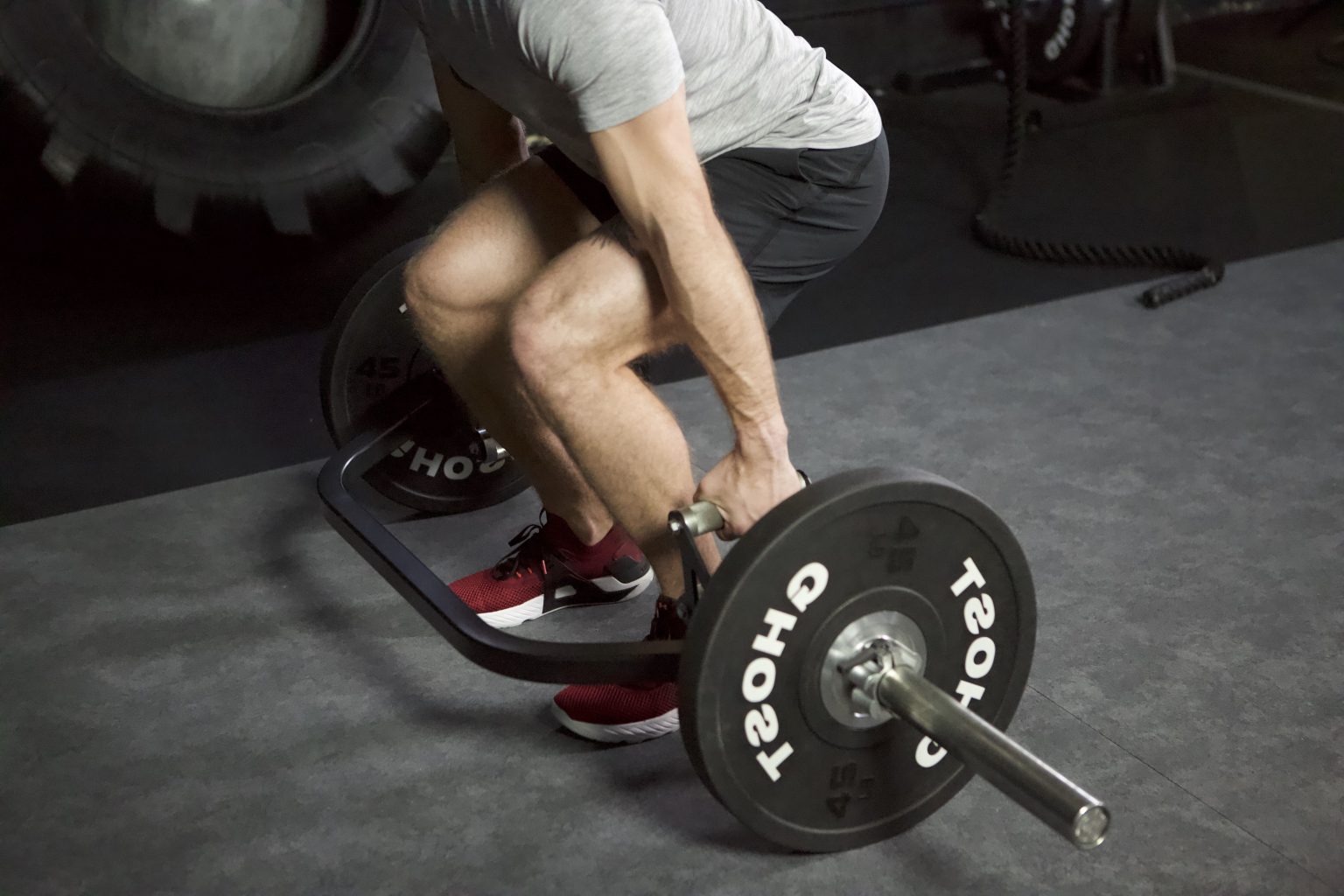
The Trap Bar Deadlift is a powerful strength-training exercise that combines elements of a squat and deadlift to build explosive power, stability, and muscle mass. Unlike the conventional deadlift, this movement uses a hexagonal bar (trap bar), allowing for a neutral grip and a more natural lifting motion.
This exercise is a favorite among athletes, powerlifters, and fitness enthusiasts because it places less stress on the lower back while still delivering the benefits of a traditional deadlift. Additionally, the trap bar deadlift is an excellent choice for beginners, as it reduces injury risk and improves lifting mechanics.
If you’re looking to increase strength, enhance athletic performance, and build muscle safely, the trap bar deadlift is one of the best exercises to incorporate into your routine. This guide will break down its benefits, proper technique, muscle activation, and how it compares to other deadlifts to help you get the most out of this movement.
What is a Trap Bar Deadlift?
The Trap Bar Deadlift, also known as the hex bar deadlift, is a compound exercise that involves lifting a barbell with a hexagonal-shaped bar instead of a straight barbell. The design of the trap bar allows lifters to step inside the frame, positioning their body in the center of the load.
Key Features of the Trap Bar Deadlift:
- Uses a neutral grip, reducing stress on the shoulders and wrists
- Places the weight in line with the body, improving posture and spinal alignment
- Combines elements of squats and deadlifts, making it a versatile lower-body movement
Why Choose a Trap Bar Deadlift?
- Safer for beginners due to a more natural lifting position
- Lower risk of back injuries compared to traditional deadlifts
- Easier to lift heavier weights while maintaining proper form
The trap bar deadlift is an essential strength-training exercise that provides full-body engagement while reducing the risks associated with poor form. It is widely used in athletic training, rehabilitation, and general fitness for its functional benefits and muscle-building potential.
Benefits of Doing Trap Bar Deadlifts
The Trap Bar Deadlift is one of the most effective exercises for building strength, power, and endurance while minimizing stress on the body. Its unique design allows for a more comfortable and efficient lift, making it a superior choice for athletes and beginners alike.
Top Benefits of Trap Bar Deadlifts:
- Reduced Lower Back Strain – The trap bar shifts weight distribution closer to the body, reducing pressure on the spine.
- Greater Muscle Activation – Engages quadriceps, hamstrings, glutes, and core for a well-rounded lower-body workout.
- Improved Athletic Performance – Helps develop explosive power, making it ideal for sports like football, basketball, and sprinting.
- Safer Lifting Mechanics – The neutral grip and centered weight placement reduce the risk of injury.
- Easier Progression – Allows lifters to lift heavier weights with better control, leading to faster strength gains.
Whether you want to increase strength, improve mobility, or reduce injury risk, the trap bar deadlift is a must-have in your workout program.
Trap Bar Deadlift vs. Conventional Deadlift
The Trap Bar Deadlift and Conventional Deadlift are both powerful compound lifts, but they differ in mechanics, muscle activation, and risk factors.
Comparison Table: Trap Bar vs. Conventional Deadlift
| Factor | Trap Bar Deadlift | Conventional Deadlift |
| Grip Position | Neutral grip (palms facing inward) | Overhand/mixed grip (palms facing forward or mixed) |
| Spinal Load | Lower spinal stress | Higher spinal stress |
| Quad Activation | More quadriceps engagement | More posterior chain (hamstrings, glutes, lower back) |
| Lifting Mechanics | Squat-like movement | Hip hinge dominant |
| Injury Risk | Lower due to centered weight | Higher, especially with poor form |
If you’re looking for a safer, beginner-friendly alternative, the trap bar deadlift is the better choice. However, if you want more hamstring and lower back engagement, a conventional deadlift is highly effective.
Muscles Worked in the Trap Bar Deadlift
The Trap Bar Deadlift is a full-body exercise that targets multiple major muscle groups, making it one of the most efficient movements for strength building.
Primary Muscles Targeted:
- Quadriceps – Provides power and support for lifting
- Hamstrings – Assists in hip extension and knee stability
- Glutes – Helps with explosive lifting power
- Core (Abs & Obliques) – Maintains stability and posture
Secondary Muscles Engaged:
- Lower Back (Erector Spinae) – Supports spinal alignment
- Forearms & Grip Strength – Essential for holding heavier weights
- Traps & Shoulders – Assist with stabilization during the lift
Because of its well-rounded muscle activation, the trap bar deadlift is perfect for building total-body strength while reducing unnecessary strain on the lower back. Some athletes also support strength and endurance training with a maca root supplement as part of their overall fitness routine.
Proper Form and Technique for a Trap Bar Deadlift
Maintaining proper form is essential for maximizing performance and preventing injury when doing a trap bar deadlift.
Step-by-Step Guide to Trap Bar Deadlift Form:
- Step Inside the Trap Bar – Stand in the center of the bar with feet hip-width apart.
- Grip the Handles Firmly – Use a neutral grip and keep your shoulders pulled back.
- Engage Your Core – Brace your core to maintain a neutral spine.
- Drive Through Your Heels – Lift the bar by extending your hips and knees simultaneously.
- Lockout at the Top – Fully extend your hips and knees, keeping your back straight.
- Control the Descent – Lower the weight slowly and controlled back to the floor.
Maintaining proper form ensures you maximize strength gains while reducing the risk of lower back injuries.
Common Mistakes to Avoid in Trap Bar Deadlifts
Even though the trap bar deadlift is considered safer than traditional deadlifts, improper form can still lead to injuries and inefficient lifting.
Mistakes to Avoid:
- Rounding the Back – Always keep a neutral spine to avoid lower back strain.
- Standing Too Far Forward or Back – Position yourself directly in the center of the trap bar.
- Lifting with Arms Instead of Legs – Power should come from the legs and hips, not the arms.
- Not Bracing the Core – A weak core can lead to instability and poor lifting mechanics.
- Going Too Heavy Too Soon – Prioritize form over weight to prevent injuries.
Focusing on proper technique and controlled movements will help maximize strength gains while keeping you safe.
By mastering the trap bar deadlift and avoiding common mistakes, you can enhance your overall strength, power, and performance efficiently.
How to Progress and Increase Strength with the Trap Bar Deadlift

To build strength and power with the Trap Bar Deadlift, you need to focus on progressive overload, proper technique, and strategic training methods. Simply lifting the same weight repeatedly won’t lead to significant improvements—you must continuously challenge your muscles.
Effective Ways to Progress in the Trap Bar Deadlift:
- Gradually Increase Weight – Start with a manageable weight and add 5-10 lbs per week to ensure steady progress.
- Improve Technique – Ensure proper form, core engagement, and controlled movement to maximize efficiency.
- Increase Training Volume – Incorporate more sets and reps (e.g., 4-5 sets of 6-8 reps).
- Use Tempo Training – Slow down the eccentric phase (lowering the weight) to build strength.
- Enhance Grip Strength – A strong grip allows you to lift heavier weights without losing control.
- Incorporate Assistance Exercises – Squats, Romanian deadlifts, and farmer’s carries help boost trap bar deadlift strength.
By consistently applying these strategies, you can increase your deadlift numbers, reduce the risk of injury, and enhance full-body power and endurance.
Best Trap Bars for Deadlifting: Finding the Right One for You
Not all trap bars are the same—each comes with different handle heights, weight capacities, and designs that affect performance and comfort. Choosing the right one depends on your fitness level, lifting goals, and budget.
Top Features to Consider:
- Handle Height: Some trap bars have high and low handles for different difficulty levels.
- Knurling Grip: Ensures a firm, non-slip hold during heavy lifts.
- Load Capacity: Higher weight limits allow for greater strength progression.
- Open vs. Closed Design: Open bars offer more versatility for lunges and carries.
Comparison of the Best Trap Bars
| Trap Bar | Handle Type | Weight Capacity | Best For |
| Rogue TB-1 Trap Bar | Single handle | 600 lbs | Heavy lifters |
| REP Open Trap Bar | Dual handles | 700 lbs | Versatile training |
| Titan Hex Bar | Dual handles | 500 lbs | Budget-friendly option |
Investing in a quality trap bar can improve lifting performance, safety, and long-term gains.
How Often Should You Do Trap Bar Deadlifts?
The Trap Bar Deadlift is a high-intensity exercise, so balancing frequency, intensity, and recovery is crucial. Overtraining can lead to fatigue, injury, and reduced performance.
Recommended Training Frequency Based on Goals:
| Goal | Frequency | Reps & Sets |
| Strength Gains | 2-3 times/week | 4-5 sets of 3-6 reps |
| Hypertrophy (Muscle Growth) | 2 times/week | 4 sets of 8-12 reps |
| Endurance & Fat Loss | 1-2 times/week | 3-4 sets of 12-15 reps |
For optimal recovery, space out your deadlift sessions by at least 48 hours to allow muscle repair and growth.
Trap Bar Deadlift Variations and Alternatives
Incorporating variations can help break plateaus, improve weaknesses, and enhance muscle activation.
Popular Trap Bar Deadlift Variations:
- Deficit Trap Bar Deadlifts – Increases range of motion by standing on a platform.
- Trap Bar Romanian Deadlifts – Focuses more on hamstrings and glutes.
- Explosive Jump Deadlifts – Enhances power and speed for athletic performance.
Alternative Exercises:
- Conventional Deadlifts – For posterior chain development.
- Sumo Deadlifts – Increases focus on inner thighs and glutes.
- Kettlebell Deadlifts – A great beginner-friendly alternative.
Adding variations and alternatives to your routine ensures balanced strength development and prevents training stagnation.
Who Should Incorporate Trap Bar Deadlifts into Their Routine?
The Trap Bar Deadlift is an excellent choice for various individuals looking to build strength, improve posture, and prevent injuries.
Best Candidates for Trap Bar Deadlifts:
- Beginners – Easier to learn with a neutral grip and centered weight distribution.
- Athletes – Enhances explosiveness, speed, and overall power.
- Older Adults – Reduces lower back strain, making it safer than conventional deadlifts.
- Lifters with Back Issues – Puts less stress on the spine, making it a joint-friendly option.
Whether you’re an experienced lifter or just starting, the trap bar deadlift is a valuable addition to any fitness program.
Frequently Asked Questions About the Trap Bar Deadlift
Is the trap bar deadlift better than a conventional deadlift?
It depends on your goal. The trap bar deadlift is safer for beginners and reduces lower back strain, while the conventional deadlift targets the posterior chain more effectively.
How much weight should I lift in a trap bar deadlift?
Beginners should start with 50-60% of their body weight and progressively increase it. Experienced lifters can lift heavier than in a conventional deadlift.
Can the trap bar deadlift replace squats?
While it works similar muscles, squats are still essential for leg development. Combining both exercises provides the best results.
Does the trap bar deadlift build muscle?
Yes, it targets multiple muscle groups and promotes strength and muscle growth effectively.
Is the trap bar deadlift good for athletes?
Absolutely! It helps improve explosive power, speed, and functional strength for sports performance.
Conclusion on Trap Bar Deadlifts
The Trap Bar Deadlift is one of the best full-body exercises for building strength, power, and muscle while minimizing injury risk. Its neutral grip, balanced weight distribution, and reduced lower back strain make it a versatile and safer alternative to conventional deadlifts.
By following proper progression techniques, incorporating variations, and choosing the right trap bar, you can maximize your gains and improve performance. Whether you’re a beginner, an athlete, or someone looking to prevent injuries, the trap bar deadlift is a highly effective addition to any workout program.