Healthy Sleep Is the New Fitness: How to Improve It

Twenty years ago, fitness meant hitting the gym and counting calories. Today, health experts increasingly point to something entirely different: your sleep habits. This shift didn’t happen overnight (no pun intended), but followed years of research revealing just how profoundly sleep affects everything from weight management to cognitive function. Some particularly fascinating insights come from sleep labs using Netherlands proxy monitoring systems, which capture brain activity patterns without the usual discomfort of traditional sleep studies that often skew results simply by making participants too aware they’re being watched.
Why Your Brain Needs Proper Sleep
Most people think of sleep as simply “recharging the batteries” – a passive period where the body shuts down. Nothing could be further from the truth. During sleep, especially deep sleep stages, your brain performs active maintenance impossible during waking hours.
Think of it like a restaurant that can’t clean properly while serving customers. Once the doors close, the real maintenance begins. Your brain uses sleep time to clear out accumulated waste products through the glymphatic system – a cleanup process that runs ten times more efficiently during sleep than wakefulness. Skip this cleanup too often, and cognitive problems inevitably follow.
Memory doesn’t work like computer storage either. Your brain doesn’t instantly save experiences to long-term memory. Instead, it temporarily holds information, then uses sleep time to sort, process, and properly store important memories while discarding unnecessary details. This explains why pulling an all-nighter before exams often backfires spectacularly – your brain literally hasn’t had time to organize what you’ve learned.
The Hormonal Chaos of Poor Sleep
Your body essentially tricks itself into feeling starving, even when you’ve consumed plenty of calories. One research study found that subjects deprived of sleep consumed nearly 300 extra calories daily compared to well-rested participants, with most additional calories coming from high-carbohydrate, comfort-type foods.
Growth hormone release presents another problem. This crucial hormone peaks during deep sleep, handling everything from muscle repair to cellular regeneration. Without sufficient deep sleep, production drops dramatically, potentially leaving weekend athletes wondering why they’re not recovering despite proper nutrition and sensible training loads.
Getting Your Internal Clock Right
Modern lifestyles fight these natural rhythms constantly. Indoor lighting, especially from screens, sends confusing signals to your brain. A recent analysis from FloppyData examined screen time patterns across different age groups, finding that people who used phones within 30 minutes of bedtime took an average of 14 minutes longer to fall asleep and experienced 23% less REM sleep regardless of total sleep duration.
Creating Your Ideal Sleep Environment
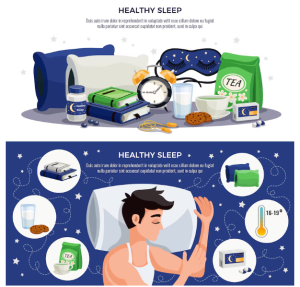
While individuals vary somewhat, research consistently shows that slightly cool rooms between 60-68°F (15-20°C) promote the best sleep for most adults. Too warm, and your body struggles to achieve the slight temperature drop necessary for initiating and maintaining deep sleep.
Noise disruption presents another common problem. Traffic, household sounds, and partner snoring can fragment sleep architecture without causing full awakening. What’s particularly insidious is how people adapt subjectively while their sleep quality remains objectively poor. Your brain essentially gets used to the disruptions consciously while still responding to them unconsciously.
Weighted blankets have gained popularity for good reason – they appear to increase serotonin production through deep pressure stimulation while decreasing cortisol levels. This hormonal shift helps many people fall asleep faster and experience fewer nighttime awakenings, though ideal blanket weight varies based on body size (generally around 10% of body weight).
Mattress Matters More Than You Think
Your mattress affects sleep through two primary mechanisms: temperature regulation and pressure point relief. Modern mattress design has evolved significantly beyond the simple question of “firm or soft.”
Side sleepers typically need more cushioning to prevent shoulder and hip pressure while maintaining spinal alignment. Back sleepers generally benefit from medium-firm surfaces that prevent excessive spinal curving. Stomach sleepers (though sleep specialists generally discourage this position) need firmer support to prevent lower back arching.
Materials matter enormously too. Traditional memory foam, while excellent for pressure relief, often traps body heat. Newer options like gel-infused foams, phase-change materials, and ventilated designs address this limitation while maintaining supportive properties.
Daily Habits That Make or Break Sleep
Caffeine’s half-life averages around 5-6 hours, but individual metabolism varies dramatically. Some people carry genetic variations allowing them to metabolize caffeine up to four times faster than average, while others process it so slowly that afternoon coffee can disrupt sleep 12+ hours later.
Exercise timing affects sleep quality too, though not always as expected. While conventional wisdom suggested avoiding evening workouts, newer research indicates that for many people, moderate evening exercise actually improves sleep quality as long as it ends at least 60-90 minutes before bedtime. The post-exercise temperature drop apparently helps trigger natural sleepiness, though high-intensity training too close to bedtime can have opposite effects.
Regular wake times matter more than consistent bedtimes, surprisingly. Your body establishes stronger circadian entrainment from when you expose yourself to morning light than from when you attempt sleep initiation. This explains why sleep specialists often recommend maintaining consistent wake times even on weekends, rather than trying to “catch up” on sleep through late morning sleeping.