Why Do I Have Bumps on My Tongue? Causes Explained 2026
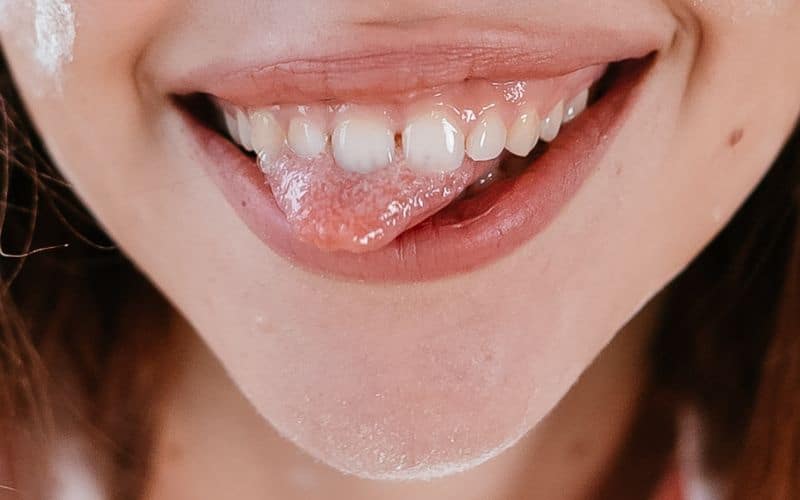
Why Do I Have Bumps on My Tongue? If you have ever looked in the mirror and noticed small, painful, white, or red bumps on your tongue, you are not alone.
Tongue bumps are one of the most common oral health concerns in 2026, affecting people of all ages. Most are completely harmless and clear up on their own. But some signal infections, nutritional deficiencies, or conditions that need treatment.
What Are Bumps on the Tongue? Understanding Normal vs. Abnormal
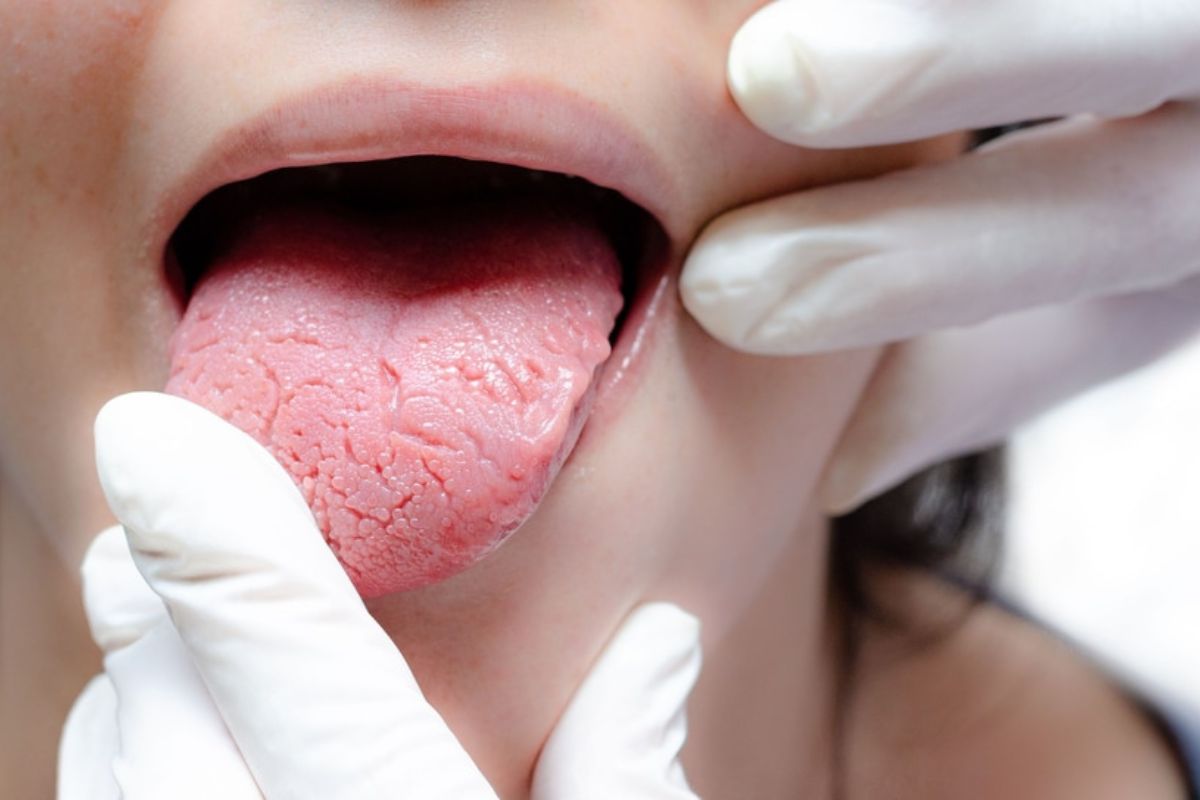
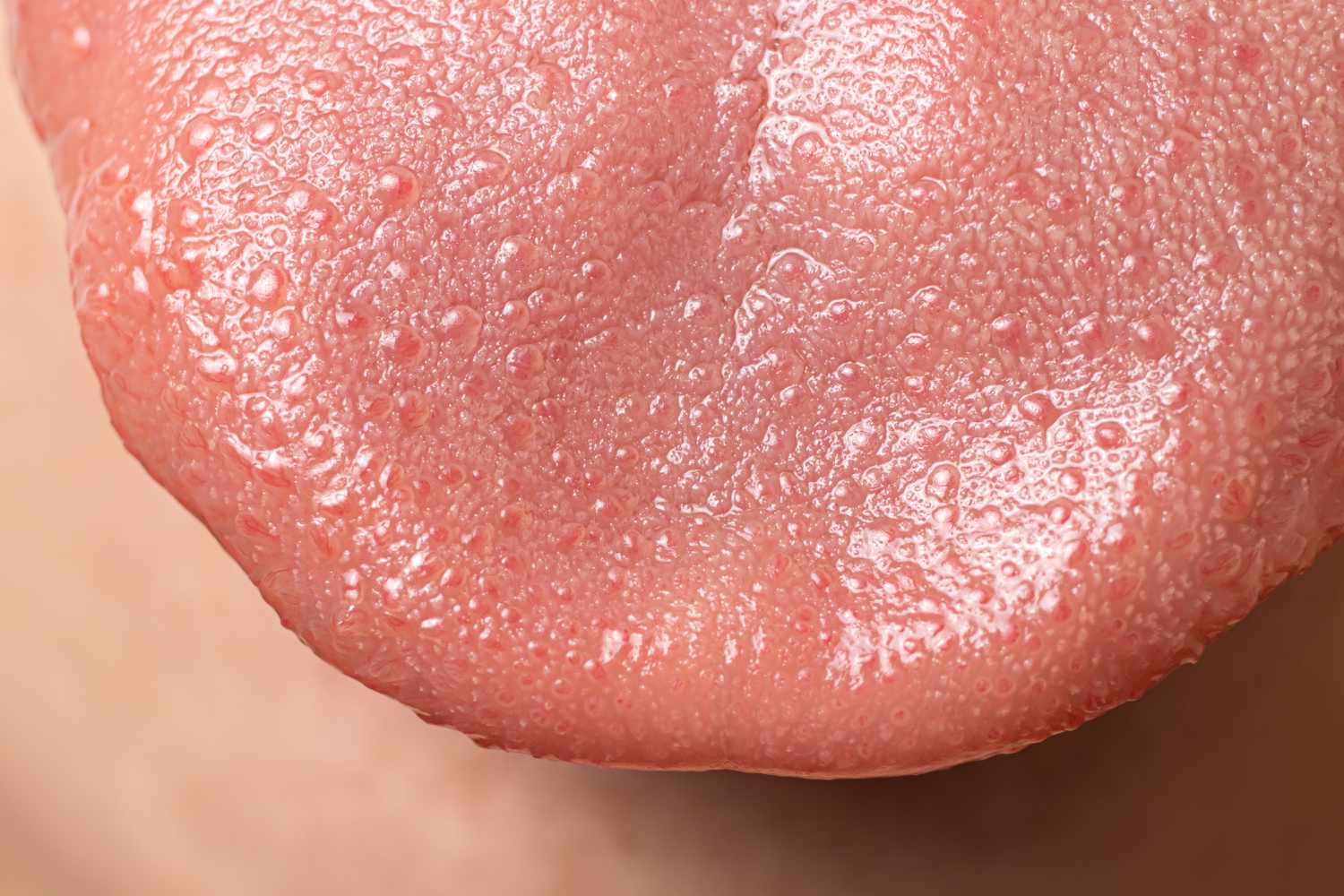
Your tongue is naturally covered in tiny structures called papillae. These are the bumps you see every day — they contain your taste buds and help you sense flavor, texture, and temperature.
Under normal circumstances, papillae are barely noticeable. But when they become irritated, inflamed, or infected, they swell into visible, sometimes painful bumps.
Not every bump is a problem. The challenge is knowing the difference between normal texture and something that needs attention.
The 4 Types of Natural Tongue Papillae
Understanding your tongue’s natural anatomy is step one. Here are the four types of papillae found on every healthy tongue:
| Papillae Type | Location | Contains Taste Buds? | Visible to Eye? |
|---|---|---|---|
| Fungiform | Top and sides, mostly tip | Yes (3–5 each) | Sometimes |
| Circumvallate | Back of tongue, near throat | Yes (hundreds each) | Yes — clearly visible |
| Foliate | Rear sides of tongue | Yes (hundreds each) | Yes — look like folds |
| Filiform | Center and back | No | Yes — give rough texture |
Circumvallate and foliate papillae are large enough to be seen clearly with the naked eye. Many people see them for the first time and panic — but they are completely normal.
Why Do I Have Bumps on My Tongue? 14 Causes Explained
1. Lie Bumps (Transient Lingual Papillitis)
Lie bumps are the single most common cause of sudden tongue bumps. Their medical name is transient lingual papillitis (TLP).
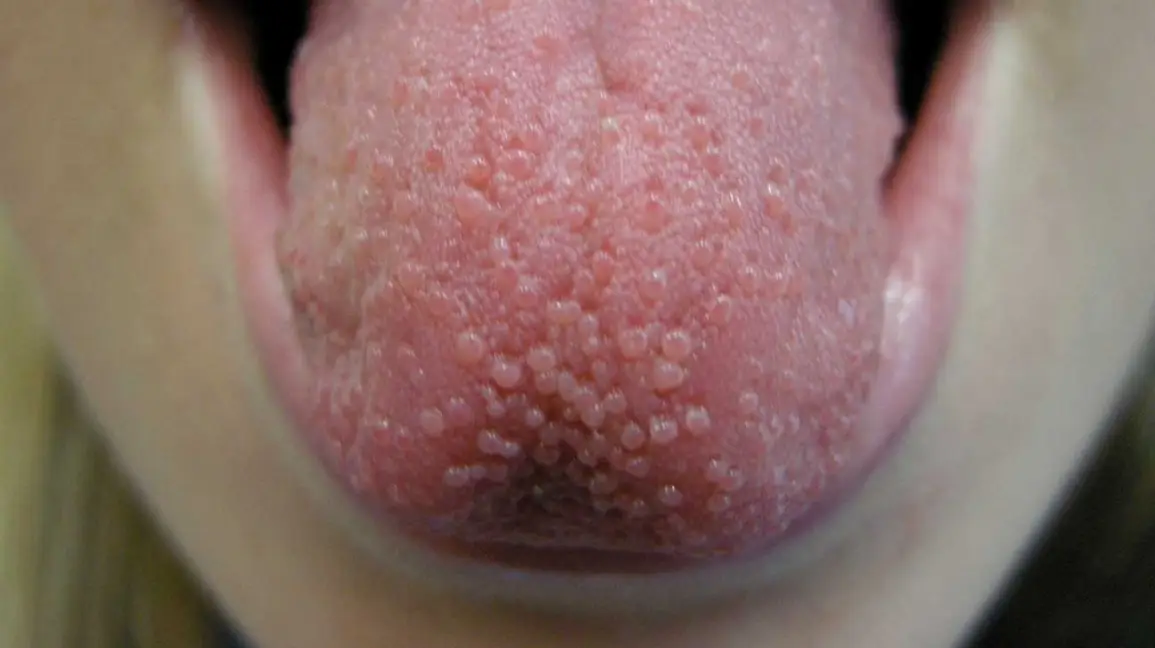
They appear as small, red or white bumps — usually on the tip or sides of the tongue. They can be surprisingly painful and tender for their small size.
About half of all people in the United States will experience TLP at least once. They typically disappear on their own within 2 to 3 days without any treatment.
The name “lie bumps” comes from an old folk myth claiming they appear when you tell a lie. That is, of course, not true.
Common triggers for lie bumps include spicy or acidic foods, stress and hormonal changes, minor tongue trauma, very hot foods or drinks, and certain viral infections.
Types of TLP:
| TLP Type | Who It Affects | Key Symptoms |
|---|---|---|
| Classic | Adults, especially young women | 1–2 painful red/white bumps, tip or sides |
| Eruptive | Children mainly | Multiple bumps, fever, swollen lymph nodes |
| U-shaped | Any age | Enlarged tongue (macroglossia), spots |
| Papulokeratotic | Any age | White/yellow bumps covering entire tongue |
2. Canker Sores (Aphthous Ulcers)
Canker sores are small, round ulcers that form on the tongue, inside the cheeks, or under the tongue. They look white or yellow with a distinct red border around the edge.
They are not contagious and cannot spread from person to person. Most heal completely within 1 to 2 weeks on their own.
Common triggers include stress, minor mouth injuries, acidic foods, and certain nutritional deficiencies. Some people experience them repeatedly throughout their life.
3. Oral Thrush (Fungal Infection)
Oral thrush is caused by an overgrowth of Candida yeast — the same organism responsible for vaginal yeast infections.
On the tongue, it creates creamy white or yellowish patches that may look slightly raised. The patches can sometimes be wiped away but often leave a red, raw surface underneath.
It is most common in people with weakened immune systems, those taking antibiotics, elderly individuals, and people who wear dentures.
4. Tongue Trauma and Injury
Accidentally biting your tongue is one of the most overlooked causes of bumps. Even a minor bite creates a small wound that swells as it heals.
Burns from very hot food or drinks, irritation from braces, rough dental work, or sharp food edges can all create temporary bumps or blisters.
These typically heal quickly — within 3 to 5 days — once the source of irritation is removed.
5. Allergic Reaction
An allergic reaction to food, toothpaste, mouthwash, medications, or oral hygiene products can cause sudden swelling or bumps on the tongue.
The reaction is usually a form of contact dermatitis — direct chemical irritation of the tongue’s surface tissue.
If you notice sudden tongue swelling along with difficulty breathing, hives, or throat tightening, this is a medical emergency requiring immediate emergency care.
6. Oral Herpes (HSV-1)
Herpes simplex virus type 1 (HSV-1) can cause fluid-filled blisters on and around the tongue, lips, and inner mouth. These are commonly called cold sores.
The blisters burst, leave painful open sores, and then crust over as they heal. An outbreak typically lasts 7 to 14 days.
HSV-1 is extremely common — up to 67% of adults carry the virus, even if they never show visible symptoms.
7. Human Papillomavirus (HPV)
HPV can cause small, flesh-colored or pink bumps called oral warts or papillomas to appear on the tongue. They are usually painless but can feel rough or cauliflower-like in texture.
Oral HPV spreads through sexual contact, including oral sex. Some strains of HPV are linked to oropharyngeal cancer, making persistent HPV-related bumps important to evaluate professionally.
8. Syphilis
Secondary syphilis can cause flat white patches or raised bumps called mucous patches to appear inside the mouth and on the tongue.
These are often painless but are highly infectious. Syphilis is a bacterial infection requiring antibiotic treatment — it will not resolve on its own.
Any unexplained oral sores or bumps that develop after new sexual activity deserve a sexual health screening promptly.
9. Geographic Tongue (Benign Migratory Glossitis)
Geographic tongue creates a patchy map-like appearance on the tongue’s surface. Smooth, red patches surrounded by white or raised borders appear and change location over days or weeks.
It is a benign (harmless) inflammatory condition. The exact cause is unknown but it is linked to stress, hormonal changes, and certain food sensitivities.
It affects approximately 1–3% of the population and requires no treatment, though some people experience mild discomfort with spicy foods.
10. Nutritional Deficiencies
A lack of key vitamins and minerals directly affects tongue health. Deficiencies that cause tongue changes include:
| Deficiency | What Happens to the Tongue |
|---|---|
| Vitamin B12 | Smooth, swollen, red tongue (atrophic glossitis); burning sensation |
| Iron | Pale, smooth tongue; soreness and difficulty swallowing |
| Folic Acid (B9) | Swollen, red tongue; mouth ulcers |
| Zinc | Altered taste; tongue sores and inflammation |
| Vitamin C | Swollen, spongy tongue; gums bleed easily |
Vitamin B12 deficiency in particular causes atrophic glossitis — where the papillae actually disappear, making the tongue look unusually smooth and shiny rather than bumpy.
11. Scarlet Fever (Strawberry Tongue)
Scarlet fever is a bacterial infection caused by Group A Streptococcus — the same bacteria responsible for strep throat.
One of its hallmark signs is a strawberry tongue: the tongue becomes bright red with enlarged, prominent bumps resembling the surface of a strawberry.
It requires antibiotic treatment. Without treatment, scarlet fever can lead to serious complications including rheumatic fever.
12. Kawasaki Disease
Kawasaki disease primarily affects children under five. One of its classic signs is a bright red, inflamed tongue with enlarged papillae — again described as a strawberry tongue.
Other symptoms include high fever lasting 5+ days, red eyes, rash, and swollen hands and feet. This is a medical emergency requiring immediate hospital care.
13. Blocked Salivary Glands (Mucocele)
A mucocele is a small, fluid-filled cyst that forms when a salivary gland duct becomes blocked or injured. It appears as a smooth, soft, dome-shaped bump — often bluish or clear in color.
They are most common on the inner lower lip but can form on the underside of the tongue. Most resolve on their own, but larger or persistent ones may need minor surgical drainage.
14. Oral Cancer
Oral cancer is the most serious cause of tongue bumps. It most commonly appears as a persistent sore, lump, or ulcer on the side of the tongue that does not heal.
The most common type is squamous cell carcinoma. Cancerous bumps may be gray, pink, or red, have irregular or raised borders, and may feel firm or hard to the touch.
Major risk factors include tobacco use, heavy alcohol consumption, and HPV infection. Early detection dramatically improves outcomes — making prompt evaluation of any non-healing tongue sore essential.
Bumps in Different Locations: What Each Position Means
Where your bumps appear is one of the most useful clues to the cause:
| Location | Most Likely Causes |
|---|---|
| Tip of tongue | Lie bumps (TLP), trauma from biting, canker sores |
| Sides of tongue | Lie bumps, trauma from teeth, oral cancer (most common site) |
| Back of tongue | Normal circumvallate papillae, tonsil stones, oral thrush |
| Under the tongue | Mucocele (blocked salivary gland), canker sores, ranula |
| Entire tongue surface | Oral thrush, scarlet fever, geographic tongue, TLP |
| Single large bump | Oral cyst, fibroma, papilloma (HPV), cancerous lump |
White Bumps on Tongue: What Do They Mean?
White bumps specifically point toward a shorter list of causes.
- Oral thrush creates creamy white coating or patches that may be slightly raised and can be wiped off partially, leaving a raw red surface.
- Canker sores have a white or yellow center with a red border and are painful.
- Leukoplakia appears as thick white patches that cannot be wiped off. Often linked to tobacco use. Requires professional evaluation as it can be precancerous.
- Fordyce spots are small, harmless white or yellowish spots that are simply enlarged oil glands and need no treatment.
- Lie bumps (TLP) present as white papillae bumps that appear suddenly after irritation and resolve within days.
White bumps that cannot be wiped off and have been present for more than two weeks should always be evaluated by a dentist or doctor without delay.
Red Bumps on Tongue: What Do They Mean?
Red bumps on the tongue are usually caused by a shorter list of conditions.
- Lie bumps are small, painful, and appear suddenly after trigger foods or stress.
- Canker sores show a red border surrounding a white or yellow center.
- Strawberry tongue produces multiple enlarged red bumps across the tongue surface and is seen in scarlet fever and Kawasaki disease.
- Hemangioma is a benign collection of blood vessels that creates a red or purple bump, usually soft and painless.
- Early oral cancer may appear as red patches or bumps (erythroplakia) on the side of the tongue that persist and do not heal with time.
How to Treat Bumps on Your Tongue at Home
Warm Saltwater Rinse
This is the single most effective and widely recommended home treatment for most tongue bumps.
Mix 1/2 teaspoon of salt into a glass of warm water. Swish for 30–60 seconds and spit. Repeat 2–3 times daily.
Salt water reduces bacterial load, soothes inflammation, and speeds healing of canker sores and irritated papillae.
Topical Oral Gels and Rinses
- Benzocaine gels (like Orajel) numb painful areas and provide quick temporary relief for canker sores and lie bumps.
- Hydrogen peroxide rinse diluted 1:1 with water can reduce oral bacteria and speed healing of ulcers.
- Chlorhexidine mouthwash is a prescription-strength antibacterial rinse used for persistent oral sores and infections.
Cold Therapy
Sucking on ice chips or applying a cold compress to the outside of the jaw reduces swelling and numbs pain temporarily.
This is particularly useful for lie bumps and trauma-related bumps that are painful but not infected.
Over-the-Counter Medications
- Ibuprofen or acetaminophen taken orally reduce pain and inflammation associated with lie bumps and canker sores.
- Antifungal lozenges or oral gel (clotrimazole, nystatin) treat oral thrush when a fungal infection is confirmed or strongly suspected.
- Antihistamines can help when allergic reaction is the suspected cause of tongue bumps or swelling.
Dietary Adjustments
Avoid spicy, acidic, or very hot foods until the bumps heal. These directly irritate already-inflamed tissue and prolong healing time.
Eat soft, cool foods like yogurt, smoothies, soft cooked vegetables, and oatmeal while your tongue recovers.
Increase vitamin B12 and iron through diet or supplements if nutritional deficiency is suspected — eggs, meat, dairy, and fortified cereals are excellent sources.
Foods That Trigger Tongue Bumps vs. Foods That Help
Foods Most Likely to Trigger or Worsen Tongue Bumps
| Food Category | Why It Causes Bumps |
|---|---|
| Spicy foods (hot sauce, chilies) | Capsaicin irritates papillae directly |
| Acidic foods (citrus, tomatoes) | Acid breaks down delicate oral tissue |
| Very hot foods and drinks | Burns create blisters and swollen bumps |
| Crunchy or sharp foods (chips, crackers) | Physical trauma to tongue surface |
| Sugary foods and drinks | Feed oral bacteria; worsen thrush |
| Alcohol | Irritates oral mucosa; dries out tissue |
Foods That Help Heal Tongue Bumps
- Plain yogurt provides probiotics that combat yeast overgrowth and reduce thrush risk.
- Honey has natural antibacterial and anti-inflammatory properties. Raw honey applied directly to sores can speed healing.
- Soft cooked oatmeal is gentle on irritated tissue and provides zinc and iron that support oral healing.
- Cold smoothies are easy to consume without aggravating bumps and provide hydration and nutrients simultaneously.
- Water keeps oral tissues healthy and supports saliva production, which naturally protects and cleanses the mouth throughout the day.
Tongue Bumps in Children: What Parents Need to Know
Children commonly develop tongue bumps from a few specific causes that differ from adults.
- Eruptive lingual papillitis is a form of TLP that mainly affects children. It comes with fever, swollen lymph nodes, and multiple bumps. It may be contagious within families and households.
- Scarlet fever always produces the classic strawberry tongue. If your child has a high fever, sore throat, and a red bumpy tongue, see a doctor the same day without delay.
- Kawasaki disease is rare but serious. Strawberry tongue combined with 5+ days of high fever in a child under 5 is a medical emergency requiring hospitalization.
- Canker sores are very common in school-age children, often triggered by minor mouth injuries from playing or stress from school.
Most childhood tongue bumps from TLP or canker sores resolve without treatment within a few days.
Tongue Bumps and STIs: What You Need to Know
Several sexually transmitted infections cause oral bumps that are often overlooked or misidentified as something harmless.
- Oral herpes (HSV-1) causes fluid-filled blisters that burst into painful sores. Very common and often acquired in childhood through non-sexual contact.
- HPV causes painless warts or papillomas on the tongue and inner mouth. Some strains raise risk of throat and tongue cancer long-term.
- Syphilis mucous patches in the mouth are a sign of secondary syphilis and are highly infectious to partners.
If you notice new bumps after oral sexual activity, an STI screening is the appropriate next step — not home treatment.
Tongue Bumps and Oral Cancer: How to Tell the Difference
This is the question most people are silently asking. Here is how to distinguish benign bumps from potentially cancerous ones:
| Feature | Benign Bump | Potentially Cancerous |
|---|---|---|
| Duration | Resolves in days to 2 weeks | Persists beyond 2–3 weeks |
| Pain | Often painful at first | May be painless despite growing |
| Location | Tip, top surface | Sides of tongue most common |
| Texture | Soft, smooth | Firm, hard, irregular borders |
| Color | Red, white, or skin-colored | Red patch, white patch, or mixed |
| Behavior | Shrinks and heals naturally | Grows or stays the same size |
| Bleeding | Rarely bleeds | May bleed without trauma |
The most important warning sign is a persistent sore or lump that does not heal after 2–3 weeks. Any bump with these characteristics needs professional evaluation immediately.
When to See a Doctor or Dentist
Most tongue bumps are safe to monitor at home for 1–2 weeks. See a dentist or doctor promptly if any of the following apply.
- The bump has lasted more than 2 weeks without showing signs of improvement or healing.
- The bump is growing in size or spreading to other areas of the mouth.
- You have a fever alongside tongue bumps — especially in children.
- The bump is hard to the touch or has irregular, raised borders.
- You have difficulty eating, swallowing, or speaking because of the bump.
- You notice red or white patches that are not going away after two weeks.
- There is unexplained bleeding from the bump or surrounding area.
- You have swollen lymph nodes in the neck combined with tongue bumps.
- You experience sudden severe swelling of the tongue — this is a life-threatening allergic reaction requiring emergency services immediately.
Medical Treatments for Tongue Bumps
When home treatment is not sufficient, doctors and dentists have targeted options available.
- Prescription corticosteroid gels reduce inflammation for persistent canker sores or TLP that does not resolve with home care.
- Antifungal medication — nystatin oral suspension, clotrimazole lozenges, or oral fluconazole — treats confirmed oral thrush.
- Antiviral medications — acyclovir or valacyclovir — are prescribed for oral herpes outbreaks.
- Antibiotics are used for bacterial infections including strep, scarlet fever, syphilis, or secondary bacterial infections.
- Surgical removal addresses persistent mucoceles, large fibromas, HPV papillomas, or suspicious lesions that need biopsy for diagnosis.
- Biopsy involves a small tissue sample taken from a suspicious bump and examined under a microscope to rule out cancer or other serious conditions.
How to Prevent Tongue Bumps
Prevention focuses on removing the most common triggers from daily life.
Eat slowly and chew carefully. Most lie bumps and trauma-related bumps come from accidentally biting your tongue during meals.
- Avoid extreme temperature foods. Let hot drinks and food cool to a safe temperature before consuming.
- Limit spicy, acidic, and highly processed foods if you experience frequent tongue bumps after eating them.
- Maintain excellent oral hygiene. Brush twice daily with a soft-bristled brush. Floss daily. Use an alcohol-free mouthwash.
- Stay hydrated. Dry mouth reduces saliva, which is the mouth’s natural defense against bacteria and yeast overgrowth.
- Eat a balanced diet rich in vitamin B12, iron, zinc, and folic acid to prevent nutritional deficiency-related tongue changes.
- Do not smoke or use tobacco. Tobacco is the leading preventable risk factor for oral cancer and chronic tongue irritation.
- Manage stress. Stress is a proven trigger for lie bumps and canker sores. Regular sleep, exercise, and relaxation techniques help reduce outbreak frequency significantly.
- See your dentist regularly. Routine checkups catch oral changes early — before small problems become serious conditions.
Frequently Asked Questions (FAQs)
Are bumps on my tongue normal?
Yes, the papillae covering your tongue are natural bumps you are born with. Only sudden, new, painful, or persistent bumps signal a potential problem worth investigating.
How long do tongue bumps usually last?
Most lie bumps and canker sores heal within 2 to 14 days on their own. Any bump lasting longer than 2 weeks should be evaluated by a healthcare professional without delay.
Can stress cause bumps on my tongue?
Yes. Stress is a well-established trigger for both lie bumps and canker sores. Managing stress through better sleep, exercise, and relaxation techniques often reduces how frequently they appear.
Are tongue bumps contagious?
It depends on the cause. Lie bumps and canker sores are not contagious. Oral herpes, eruptive lingual papillitis, HPV, and syphilis-related bumps can spread to other people.
Can a vitamin deficiency cause tongue bumps?
Yes. Deficiencies in vitamin B12, iron, folic acid, and zinc all cause tongue inflammation, sores, and changes in surface texture. A blood test can quickly confirm which nutrient is low.
Should I pop a bump on my tongue?
No. Popping a tongue bump increases pain, risks introducing bacteria into the wound, and prolongs healing. Apply a cold compress or saltwater rinse and allow it to heal naturally.
Why do I keep getting bumps on my tongue?
Recurring bumps usually point to an ongoing trigger — frequent spicy or acidic food consumption, chronic stress, a nutritional deficiency, or repeated trauma from teeth or dental appliances.
Can tongue bumps be a sign of cancer?
Most bumps are not cancerous. But a firm, painless bump on the side of the tongue that does not heal after 2–3 weeks — especially in someone who smokes or drinks heavily — needs professional evaluation to rule out oral cancer.
What does a white bump on the tongue mean?
White bumps can indicate canker sores, oral thrush, leukoplakia, or lie bumps. White patches that cannot be wiped off and persist beyond two weeks require assessment by a dentist.
When should I go to the emergency room for a tongue bump?
Go immediately if your tongue is swelling rapidly, you are having difficulty breathing or swallowing, or you have signs of a severe allergic reaction. These are life-threatening emergencies.
Conclusion
Bumps on my tongue are something nearly everyone experiences at some point — and the good news is that most cases are harmless and temporary. Lie bumps, canker sores, and minor trauma account for the vast majority of cases and clear up within days with simple home care.
The key is knowing when a bump crosses the line from routine to concerning. Any bump that lasts longer than two weeks, grows, bleeds, or appears alongside difficulty swallowing or speaking deserves prompt professional attention.
Maintain good oral hygiene, eat a nutrient-rich diet, stay hydrated, avoid tobacco, and manage your stress — these five habits prevent the vast majority of tongue bumps from occurring. When in doubt, get it checked. Early evaluation is always better than waiting, especially when it comes to anything inside your mouth in 2026.