Why Do My Teeth Hurt When I’m Sick? Causes & Relief 2026
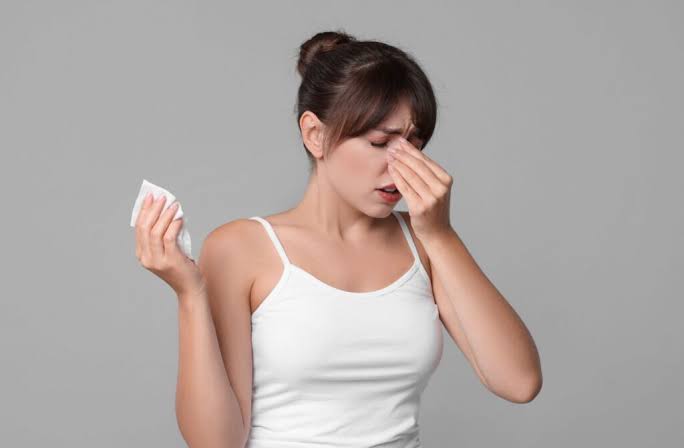
Waking up with a cold or the flu is bad enough. Then your teeth start aching too, and suddenly you’re wondering Why Do My Teeth Hurt When I’m Sick? if something is wrong with your mouth on top of everything else.
The truth is, tooth pain during illness is extremely common. It usually isn’t a sign of a new dental problem at all.
Why Do My Teeth Hurt When I’m Sick?

Teeth hurt when you’re sick mainly because of sinus pressure pressing on the nerves near your upper back teeth. Dry mouth, inflammation, and even teeth grinding from fever or congestion can also add to the discomfort.
This pain usually fades once your sinuses clear and your illness improves. If it doesn’t, a dentist visit is the next step.
What’s Really Happening Inside Your Body
When you’re sick, your immune system releases inflammatory chemicals to fight off infection. This response can increase sensitivity throughout your body, including your gums and teeth.
At the same time, your sinuses, jaw muscles, and saliva production all shift during illness. Any one of these changes can create pressure or discomfort that feels exactly like a toothache.
Your brain can also struggle to tell the difference between sinus pain and tooth pain. The nerves in both areas overlap closely, so pressure in one spot often gets felt in the other.
Top Causes of Tooth Pain When You’re Sick
There isn’t just one reason for this discomfort. Several things can be happening in your body at once, and they often overlap during a bad cold, flu, or sinus infection.
Sinus Pressure and Sinusitis
Your maxillary sinuses sit directly above the roots of your upper back teeth. When a cold, flu, or sinus infection causes those sinuses to swell and fill with mucus, the added pressure pushes down on the tooth roots.
This creates a dull, aching pain that mimics a real toothache. It’s usually felt on both sides of your upper jaw rather than in just one tooth.
Dry Mouth From Dehydration
Being sick often leads to dehydration, especially with fever, mouth breathing, or reduced fluid intake. Less saliva means your teeth and gums lose a natural buffer against bacteria and acid.
A dry mouth can make teeth feel more sensitive to hot, cold, or sweet foods. Over time it also raises your risk of cavities forming faster than usual.
Inflammation and Immune Response
Fighting off an infection puts your whole body, including your gums, into a heightened state of inflammation. If you already have mild gum irritation or a small area of enamel wear, illness can make that spot feel much more noticeable.
This is why a tooth that never bothered you before might suddenly ache while you’re sick. The underlying issue was likely already there in a mild form.
Teeth Grinding From Fever or Stress
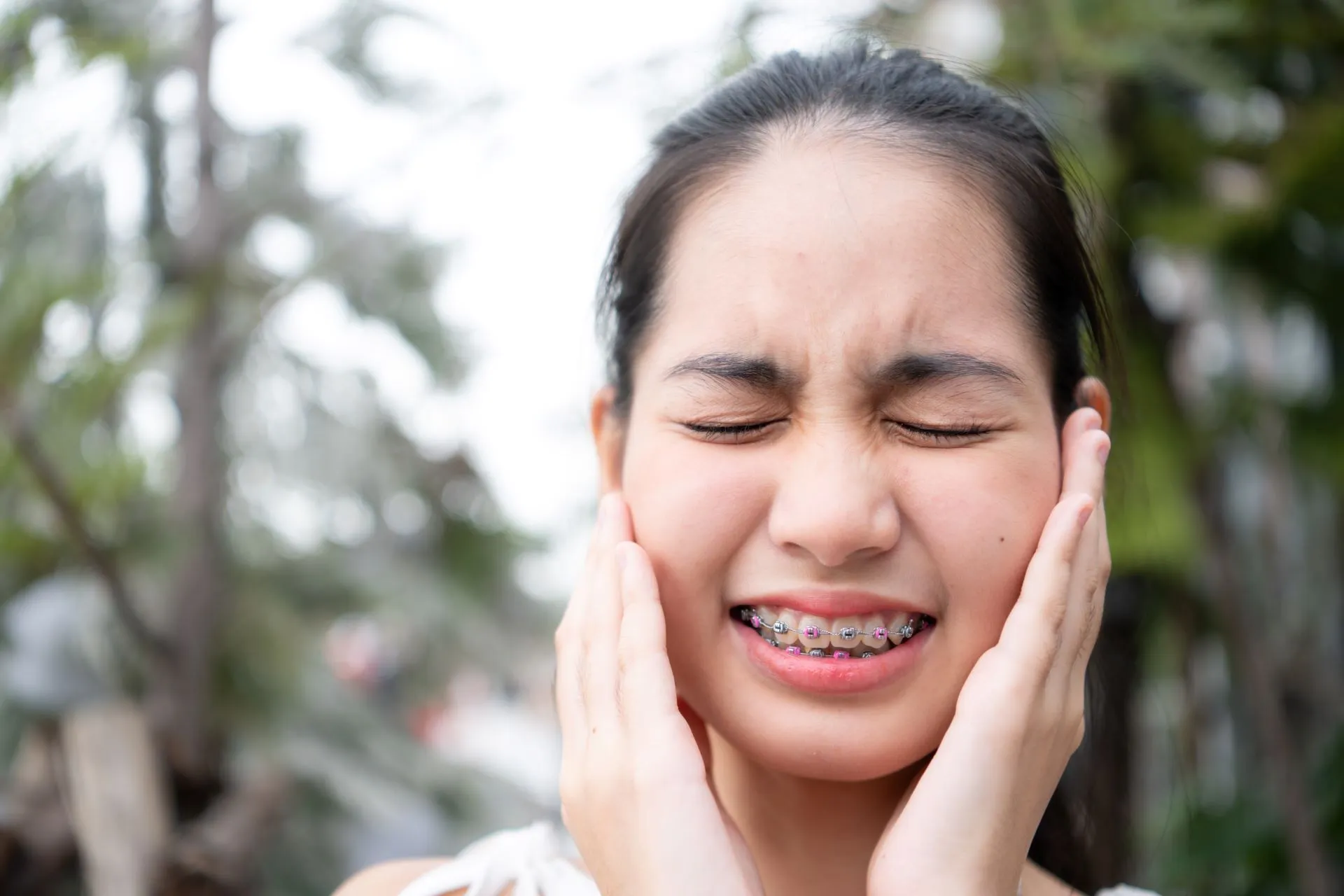
Fever, poor sleep, and general body stress during illness can trigger unconscious teeth grinding or jaw clenching. This is especially common at night when you’re not aware it’s happening.
Grinding puts extra pressure on your teeth and jaw joints. That pressure alone can leave your teeth feeling sore the next morning.
Existing Dental Issues Flaring Up
Sometimes illness doesn’t cause the pain directly. It simply reveals a cavity, cracked filling, or early gum disease that was already developing quietly.
A weakened immune system has a harder time keeping small oral infections in check. That’s why minor dental problems can feel much worse while you’re sick.
Poor Nutrition While Sick
Loss of appetite or a diet of soft, sugary comfort foods during illness can affect gum and tooth health. Skipping meals also means less saliva stimulation from chewing.
This combination can leave teeth feeling more vulnerable and sensitive. It’s a smaller factor, but it adds up alongside sinus pressure and dehydration.
Medication Side Effects
Many cold and flu medications, including antihistamines and decongestants, list dry mouth as a side effect. Less saliva flow again means less natural protection for your teeth.
Some pain relievers can also mask a genuine dental issue temporarily. This is worth keeping in mind if pain returns as soon as medication wears off.
Sinus Tooth Pain vs Dental Tooth Pain
Telling the two apart can save you an unnecessary dentist visit, or help you catch a real problem sooner. Here’s a quick comparison.
| Symptom | Sinus-Related Tooth Pain | Dental Tooth Pain |
|---|---|---|
| Location | Multiple upper back teeth, both sides | Usually one specific tooth |
| Pain type | Dull, pressure-like ache | Sharp, throbbing, or constant |
| Triggers | Bending forward, lying down | Hot, cold, or sweet foods and drinks |
| Swelling | Rare | Possible gum or face swelling |
| Timing | Improves as sinus symptoms clear | Persists or worsens over time |
| Other symptoms | Congestion, facial pressure, headache | Visible decay, bad taste, sensitivity to biting |
Which Teeth Are Most Affected?

Sinus-related tooth pain almost always shows up in the upper molars and premolars. These are the teeth closest to the maxillary sinuses.
Lower teeth are rarely affected by sinus pressure. Pain in your lower jaw is more likely linked to grinding, gum irritation, or an actual dental issue.
How to Relieve Tooth Pain When You’re Sick
Most sickness-related tooth pain responds well to simple home care while your body fights off the illness. These steps target both the sinus pressure and the tooth sensitivity itself.
- Stay hydrated to keep saliva flow normal and reduce dry mouth
- Use a warm compress over your cheeks and sinuses to ease pressure
- Try steam inhalation or a humidifier to loosen sinus congestion
- Take an over-the-counter decongestant if appropriate for you
- Rinse with warm salt water to soothe gums and reduce bacteria
- Use an over-the-counter pain reliever as directed on the label
- Keep brushing and flossing gently, even when you don’t feel like it
- Avoid very hot, cold, or sugary foods while teeth feel sensitive
When to See a Dentist or Doctor
Most sinus-related tooth pain fades within a week to ten days as the illness clears. If it lingers well past that point, it’s time to get it checked.
See a dentist if pain is limited to one tooth, sharp rather than dull, or comes with visible swelling. See a doctor if sinus symptoms last more than ten days or come with a high fever, since this can signal a bacterial infection needing antibiotics.
Mistakes to Avoid When Dealing With Tooth Pain and Illness
Skipping oral hygiene because you feel unwell is one of the most common mistakes people make. Bacteria doesn’t pause just because you’re sick, and a dry mouth actually makes it more active.
Ignoring pain in a single tooth for too long is another common error. Ongoing localized pain, unlike general sinus pressure, usually points to something a dentist needs to look at directly.
Preventing Tooth Pain During Future Illnesses
Staying ahead of dehydration is the single most effective habit here. Drinking water consistently throughout a cold or flu keeps saliva flowing and reduces sensitivity.
Keeping up a normal brushing and flossing routine, even at your worst, also matters. Good oral hygiene year-round makes it far less likely that illness will reveal a hidden dental problem.
Also Read:
- Fitting Clear Aligner Treatment Into A Fourteen Month Engagement
- Why Self-Care is Crucial for Living Life to the Fullest
- Do STIs Affect the Vaginal Microbiome?
- Why Movement Science Is Vital for Fitness Coaches
- Consistency Does Not Mean Perfection
- Why Shame Blocks Growth
- Setting Shared Financial Goals
- Why Workstation Sinks Are Becoming A Practical Upgrade For Property Investments
- How Useful is a PMP Certification for HR Professionals?
- The Digital First Impression Houston Companies Can’t Ignore
- Why Investing In Quality Equipment Matters For Small Trade Businesses
- Quality Meets Affordability in Lab Diamond Tennis Bracelets
- Should You Buy Lab Diamond Tennis Bracelets Now?
- How to Choose the Perfect Lab Diamond Jewelry for Yourself
- The Benefits and Perils of a Last-minute Wedding
- The Democratization of Aesthetics: How Competitive Branding Redefined Global Cosmetics Markets
- Why Esthetics Offers One of the Strongest Career Growth Paths in Beauty
- How to Style Designer Denim for Every Season
- Ecommerce Checkout Page Best Practices That Convert
- What to Wear for a Weekend Brunch and Afternoon in the City
- Understanding Capital Allowances for Commercial Property Owners
- Driver Behavior Monitoring: What Should Fleets Actually Track?
- Protecting Digital Content from Piracy Across Multiple Platforms
Frequently Asked Questions (FAQs)
Why do my teeth hurt when I’m sick with a cold?
A cold causes sinus congestion, and swollen sinuses press on the roots of your upper back teeth. This pressure creates an ache that feels like a toothache but isn’t caused by the tooth itself.
Can the flu cause tooth pain?
Yes. Flu-related sinus inflammation, fever, dehydration, and even teeth grinding can all contribute to tooth soreness during the flu.
Why do only my upper teeth hurt when I’m sick?
Your upper back teeth sit closest to the maxillary sinuses. Sinus pressure from illness affects this area far more than your lower jaw.
Is it normal for teeth to hurt during a sinus infection?
Yes, it’s very common. Sinusitis is one of the leading causes of tooth pain that has nothing to do with dental disease.
How long does sinus-related tooth pain last?
It typically improves alongside your other cold or sinus symptoms, often within seven to ten days. If it continues after that, see a dentist.
How can I tell if my tooth pain is dental or from sinus pressure?
Sinus pain usually affects several upper teeth at once and feels like dull pressure. Dental pain is usually sharp, limited to one tooth, and triggered by hot, cold, or biting.
Does dehydration make teeth hurt?
Yes. Dehydration reduces saliva production, which can leave teeth feeling more sensitive and exposed while you’re sick.
Can dry mouth from being sick damage my teeth?
Prolonged dry mouth reduces your natural defense against bacteria and acid. Over time this can increase the risk of cavities and gum irritation.
Should I keep brushing my teeth when I’m sick?
Yes, brushing and flossing should continue as normal. Skipping oral hygiene while sick actually raises your risk of dental problems.
Can a sinus infection cause a toothache without a cold?
Yes. Sinusitis can develop on its own, without cold symptoms, and still cause pressure on the upper teeth.
Why does my jaw also hurt when I’m sick?
Jaw discomfort during illness is often linked to teeth grinding, fever-related muscle tension, or the same sinus pressure affecting nearby nerves.
Can allergies cause tooth pain similar to being sick?
Yes. Seasonal allergies can inflame the sinuses in the same way a cold does, leading to similar tooth pressure and discomfort.
What home remedies help tooth pain from sinus pressure?
Warm compresses, steam inhalation, hydration, and over-the-counter decongestants or pain relievers are the most effective home remedies.
Can medication for a cold or flu cause tooth pain?
Some cold and flu medications cause dry mouth as a side effect, which can make teeth feel more sensitive. This usually resolves once you stop the medication.
When should I worry about tooth pain while sick?
Worry if pain is isolated to one tooth, sharp, or accompanied by swelling, fever, or a bad taste. These signs point toward a dental issue rather than sinus pressure.
Can a sinus infection damage my teeth permanently?
A sinus infection itself doesn’t damage teeth. However, prolonged dry mouth or neglected oral hygiene during illness can contribute to decay over time.
Why do my teeth feel loose when I’m sick?
Swelling and pressure from sinus congestion can create a temporary sensation of looseness. This should resolve once the underlying congestion clears.
Does fever make teeth more sensitive?
Fever can heighten overall body sensitivity, including in the teeth and gums, due to increased inflammation throughout the body.
Can stomach illness or nausea cause tooth pain?
Frequent vomiting can expose teeth to stomach acid, which may cause sensitivity. This is different from sinus-related tooth pain but worth mentioning to your dentist.
Is it safe to take pain relievers for tooth pain when sick?
Over-the-counter pain relievers are generally safe when taken as directed. Check with a doctor if you’re combining them with other cold or flu medication.
Why does bending over make my teeth hurt more when I’m sick?
Bending forward increases pressure in the sinuses, which intensifies the ache felt in the upper teeth. This is a classic sign of sinus-related tooth pain.
Can children experience tooth pain when sick the same way adults do?
Yes, children can experience the same sinus pressure and dry mouth effects. Pediatric dental or medical advice is recommended if pain persists.
Does drinking cold water make sinus tooth pain worse?
Cold temperatures can heighten sensitivity in teeth that are already under sinus pressure. Lukewarm water is often more comfortable during illness.
Can a humidifier help with tooth pain caused by sinus congestion?
Yes. A humidifier helps loosen mucus and reduce sinus pressure, which can ease the referred pain felt in the upper teeth.
Why do my teeth hurt more at night when I’m sick?
Lying down increases sinus pressure compared to sitting upright. Nighttime teeth grinding from fever or restlessness can also add to the discomfort.
Conclusion
Tooth pain during illness is uncomfortable, but in most cases it’s a side effect of sinus pressure, dehydration, or your body’s inflammatory response rather than a new dental problem. Understanding why your teeth hurt when you’re sick makes it much easier to manage.
Simple steps like staying hydrated, using a warm compress, and keeping up your oral hygiene routine usually bring relief within a week or so. If the pain is sharp, limited to one tooth, or lingers after your illness clears, book a dentist visit to rule out an underlying issue.