Why Do People Cheat: Surprising Causes You Should Know 2026
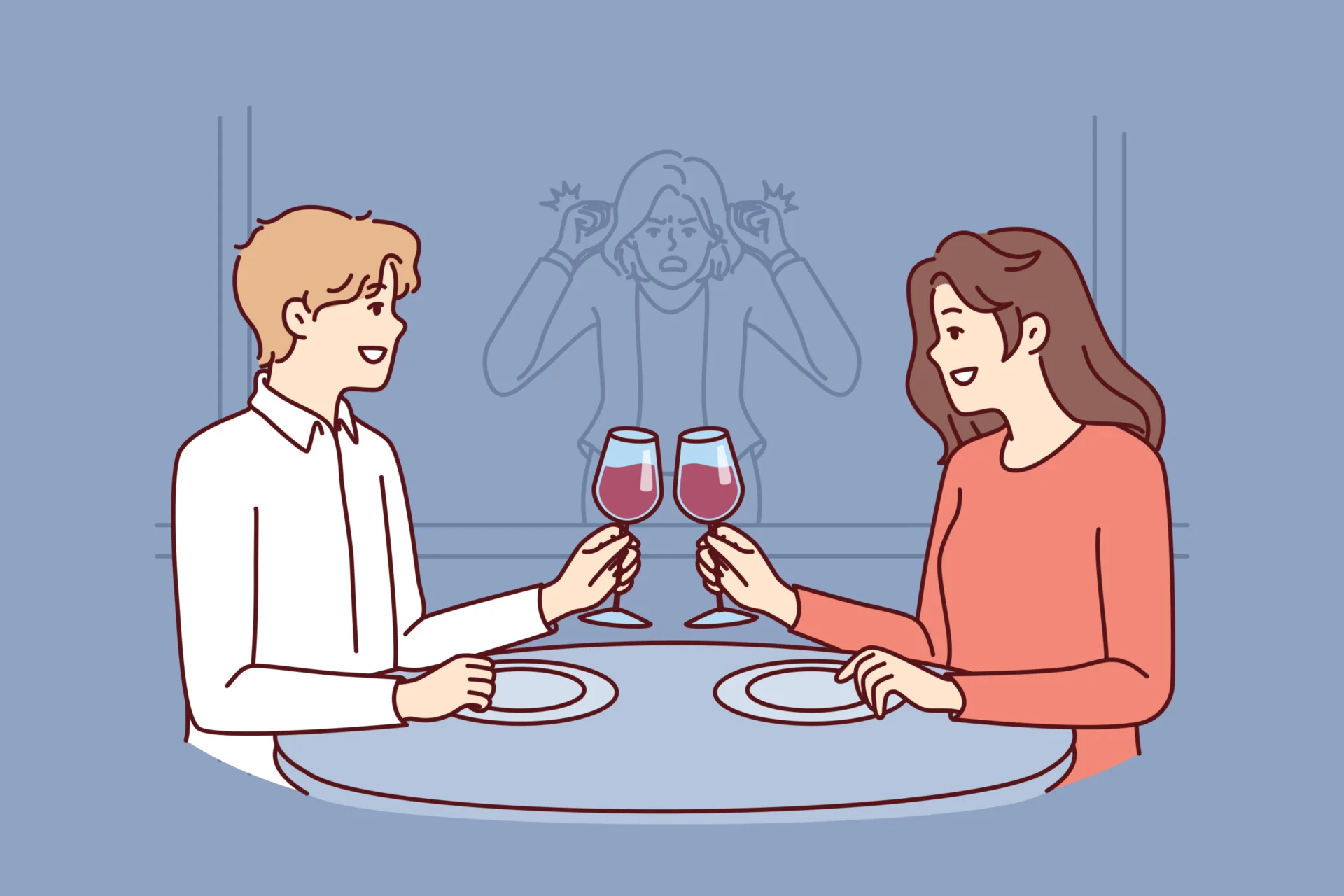
Why do people cheat Is one of the most painful questions anyone can face after a betrayal.
Infidelity is not simply about lust or a bad relationship — it is rooted in psychology, unmet emotional needs, attachment wounds, and sometimes personality disorders.
Research shows up to 45% of people engage in some form of infidelity during a long-term relationship.
What Does Cheating Actually Mean?
Most people assume cheating means physical sex with someone else. But psychologists define it much more broadly.
Infidelity is any sexual, emotional, or romantic act that violates the agreed boundaries of a committed relationship. This includes physical affairs, emotional affairs, sexting, and long-term secret online relationships.
The definition matters because many people are cheated on emotionally long before anything physical happens.
How Common Is Cheating? The 2026 Data
Before diving into causes, it helps to understand how widespread infidelity really is.
| Type of Infidelity | Men | Women |
|---|---|---|
| Physical affairs (married) | 20% | 13% |
| Emotional + physical infidelity | 45% | 35% |
| Cheating driven by opportunity alone | 27% | 27% |
| Relationships that survive after therapy | 74% | 74% |
The often-repeated claim that “half of all marriages involve cheating” is slightly overstated. However, when emotional affairs are included, the numbers are significant.
A 2026 study confirmed that 27% of cheaters named opportunity — not dissatisfaction — as the primary trigger. That alone reshapes how we understand infidelity.
The 8 Core Psychological Reasons People Cheat
Research on 495 self-admitted cheaters identified eight key motivations. Each one produces a different type, length, and emotional depth of affair.
1. Anger and the Need for Revenge
Some people cheat specifically to hurt their partner back. This is called retaliatory infidelity, and it is more common than most people realize.
The thought pattern is simple: “They hurt me, so I will hurt them.” Anger-driven affairs tend to last longer and the cheater is more likely to eventually confess — often as a final act of revenge.
Anger-based cheating can also stem from ongoing frustration, feeling unheard, or feeling dismissed over time in a relationship.
2. Low Self-Esteem and the Need for Validation
This is one of the most underrated reasons why people cheat. Many people seek external validation because they do not feel seen, attractive, or valued in their primary relationship.
Cheating becomes a shortcut to feeling desired again. The attention from a new person fills a gap that the relationship stopped filling.
People with low self-esteem are also more likely to cheat because it gives them a temporary ego boost — even if it leads to deep guilt afterward.
3. Lack of Love and Emotional Disconnection
The “falling out of love” feeling is real, and it is one of the leading emotional drivers of infidelity.
When passion fades, couples can slip into a roommate dynamic — stable, functional, but emotionally hollow. Rather than leaving, many people seek emotional aliveness through someone new.
Esther Perel, one of the world’s leading relationship therapists, argues that affairs are often attempts to rediscover emotional dimensions that feel lost in the routines of daily life.
4. Low Commitment and Fear of Intimacy
Not everyone who cheats is in a bad relationship. Some people cheat because they are fundamentally afraid of commitment.
Avoidant attachment styles play a major role here. People with avoidant tendencies push away closeness and use affairs as a way to maintain emotional distance even while staying in a relationship.
For avoidant cheaters, the affair is often not about the other person at all. It is about keeping themselves from being fully vulnerable with their primary partner.
5. Neglect and Unmet Emotional Needs
When one partner feels invisible, unloved, or consistently deprioritized, the emotional gap becomes dangerous.
Neglect-driven infidelity often involves deep emotional attachment to the affair partner — not just physical contact. People who cheat due to neglect are also among those who report the highest emotional investment in their affair.
This type of infidelity is a direct symptom of a relationship where communication has broken down and emotional connection has been lost for a long time.
6. Need for Variety and the Novelty Effect

Some people cheat not because their relationship is bad, but because their brain is wired for novelty. The excitement of something new triggers dopamine in ways that a stable long-term relationship cannot replicate.
Research links this to a specific gene variant in the dopamine receptor D4. People with this variant are neurologically more responsive to novelty and excitement — making them statistically more likely to seek new experiences, including sexual ones.
This does not make cheating inevitable. But it explains why some otherwise happy people still stray.
7. Sexual Desire and Physical Unmet Needs
A sexless or sexually unsatisfying relationship creates real tension. When physical needs go unmet for long periods of time, the motivation to seek fulfillment elsewhere grows.
Sexual desire-driven affairs tend to be shorter and more transactional. Interestingly, cheaters who cited desire as their reason reported the highest levels of sexual satisfaction from the affair — suggesting this was a direct response to something missing at home.
Communication around sexual needs is one of the most avoided conversations in long-term relationships, and that avoidance has real consequences.
8. Situational Cheating and Opportunity
Not all infidelity is planned. Situational cheating happens when circumstances collide — alcohol, loneliness, a familiar coworker, a moment of vulnerability.
The 2026 research showing 27% of cheaters cite opportunity as the main factor falls largely into this category. Situational cheaters tend to feel the most guilt and are the quickest to end the affair.
They are also far less likely to cheat in the open or form emotional bonds with the affair partner.
The Role of Attachment Styles in Cheating
Attachment theory explains a significant amount of cheating behavior that logic alone cannot.
Anxious Attachment and Infidelity
Anxious-preoccupied individuals fear abandonment intensely. They may cheat as a form of emotional insurance — having a backup relationship in case their primary one falls apart.
They are not cheating because they want to leave. They are cheating because they are terrified of being left.
Avoidant Attachment and Infidelity
Dismissive-avoidant individuals run from emotional closeness. Affairs allow them to maintain the surface-level comfort of a relationship without ever becoming truly vulnerable.
They rarely form deep emotional bonds with affair partners. The affair is a distraction or escape, not a replacement.
Fearful Attachment and Infidelity
Fearful-avoidant individuals swing between craving closeness and fearing it. Their cheating patterns are the most unpredictable and often the most emotionally destructive — for themselves and their partners.
Personality Traits Linked to Cheating
Research consistently identifies a cluster of personality traits that increase the likelihood of infidelity.
| Personality Trait | How It Connects to Cheating |
|---|---|
| High Neuroticism | Emotional instability increases impulsive behavior |
| Low Conscientiousness | Poor self-regulation and weak long-term thinking |
| High Narcissism | Entitlement, need for admiration, lack of empathy |
| High Psychopathy | Disregard for impact on others |
| High Extroversion | More opportunities and social situations |
| Low Agreeableness | Less concern for a partner’s feelings |
Narcissism deserves special attention. Narcissistic individuals need constant validation and view any gap in admiration as a threat to their identity. They rationalize cheating as something they deserve rather than something they chose.
Why Men and Women Cheat Differently
The reasons behind cheating are not the same across genders — though the gap is narrowing.
Men are more likely to cheat for sexual variety, opportunity, and physical desire. Women are more likely to cheat due to emotional neglect, lack of love, or a deep emotional connection with someone new.
Women are also statistically more likely to confess to cheating than men — particularly when the affair was driven by anger or neglect rather than desire.
Men who cheat are less likely to form emotional bonds with affair partners. Women who cheat are more likely to describe the affair as emotionally significant.
Can a Relationship Survive Cheating?
This is the question most betrayed partners desperately want answered — and the research offers real hope.
Without professional support, only about 15.6% of relationships survive infidelity. With couples therapy, that number jumps to 74%.
When the unfaithful partner shows genuine remorse, success rates climb to around 80%. The reconciliation process typically takes two to five years of consistent work.
A person who has cheated is three times more likely to cheat again in future relationships — but this is a pattern, not a sentence. With proper therapy and genuine commitment to change, many people break the cycle.
Red Flags: Signs Your Partner May Be Cheating
Understanding the behavioral signs of infidelity is not about paranoia — it is about awareness.
- Sudden increase in phone secrecy or password changes
- Unexplained gaps in schedule or whereabouts
- Emotional withdrawal and reduced interest in intimacy
- New interest in appearance with no clear reason
- Becoming unusually defensive when asked routine questions
- Increased criticism of the relationship or picking fights without reason
These signs alone do not confirm cheating. But a cluster of sudden behavioral changes — especially combined with emotional distance — deserves an honest conversation.
The Role of Technology in Modern Cheating
Digital life has expanded what infidelity even means and made it exponentially easier to pursue.
Emotional affairs now begin in group chats, Instagram DMs, and work Slack threads. Sexting and sustained secret online relationships count as infidelity for most couples — even without a single physical meeting.
Dating apps and social media maintain a permanent pool of potential affair partners at arm’s reach. Technology has not changed human psychology, but it has removed almost every friction point that once made cheating harder to start.
How to Protect Your Relationship From Infidelity
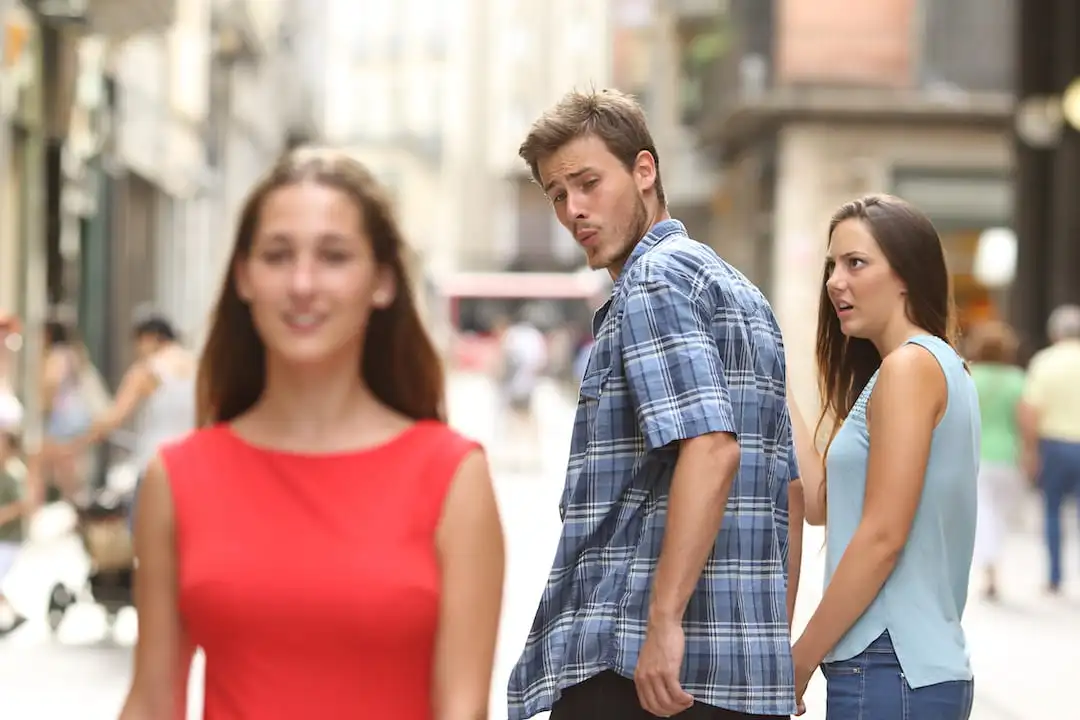
Preventing infidelity is not about surveillance. It is about building a relationship where cheating becomes genuinely unappealing.
Strong relationships share these protective qualities consistently.
- Regular and honest conversations about emotional and sexual needs
- Active effort to keep physical and emotional intimacy alive
- Early intervention when emotional distance begins to grow
- Willingness to seek couples therapy before a crisis, not after
- Mutual respect and genuine interest in each other’s lives
- Clear and agreed-upon boundaries around outside friendships
The research is clear: couples who communicate openly about needs, desires, and frustrations are significantly less likely to experience infidelity than those who let problems silently accumulate.
What Happens in the Brain When Someone Cheats?
Neuroscience adds a layer to the why do people cheat conversation that most articles skip.
When someone falls into an emotional or physical affair, dopamine floods the brain. The same reward circuits activated by new love are activated by a new affair partner — creating a powerful neurological pull that feels almost addictive.
Over time, the brain habituates to a long-term partner. Novelty, unpredictability, and the thrill of secrecy all spike dopamine in ways a stable relationship cannot replicate.
This is not an excuse for cheating. But it explains why rational, otherwise loving people can make deeply irrational choices when circumstances and emotional vulnerability align.
Do Genetics Play a Role in Cheating?
The science here is real but limited.
Research has linked the DRD4 gene variant — a dopamine receptor gene — to higher infidelity rates. People with this gene are more neurologically responsive to novelty and excitement.
But genetics are not destiny. The gene creates a predisposition, not a guarantee. Environment, relationship quality, personal values, and self-awareness all play a far larger role in determining whether that predisposition ever becomes behavior.
When Cheating Is a Symptom, Not the Problem
This is one of the most important and most uncomfortable truths in relationship psychology.
In many cases, the affair is not the real problem. It is the visible symptom of deeper unresolved issues: years of emotional neglect, poor communication, unspoken resentments, unmet needs, and a relationship that both partners quietly know has been failing for a long time.
This does not place blame on the betrayed partner. The choice to cheat is always the cheater’s responsibility.
But understanding that cheating is often a symptom — not a cause — changes how healing and prevention can be approached.
Frequently Asked Questions (FAQs)
Why do people cheat even when they love their partner?
Love alone does not prevent cheating. Unmet emotional needs, low self-esteem, opportunity, or attachment issues can drive infidelity even when genuine love is present.
Is cheating always about sex?
No. Most cheating involves emotional components too. Research shows that many affairs involve deep emotional attachment to the affair partner, especially when the cheater felt neglected or unloved.
Are some people more likely to cheat than others?
Yes. People with narcissistic traits, insecure attachment styles, low conscientiousness, high neuroticism, and poor impulse control are statistically more likely to cheat.
Can a relationship recover after cheating?
Yes, but it requires serious effort. With couples therapy, 74% of relationships survive infidelity. Without professional support, only about 15.6% recover successfully.
Does cheating mean the relationship is over?
Not necessarily. Many couples use the crisis of infidelity as a turning point to rebuild a stronger, more honest relationship — with professional help and genuine commitment from both partners.
Why do people cheat but stay in the relationship?
Many cheaters genuinely do not want to leave. They seek something specific — validation, excitement, emotional connection — that they feel is missing, without wanting to dismantle their primary relationship.
Is emotional cheating as bad as physical cheating?
For most people, yes. Emotional infidelity involves a deep investment of time, energy, and intimacy in someone outside the relationship. Many betrayed partners report emotional affairs feel even more painful than physical ones.
Do cheaters feel guilty?
Many do, especially situational cheaters. However, narcissistic or low-empathy individuals may rationalize their behavior and feel little sustained remorse.
Why do people cheat more than once?
Serial cheating is often driven by unresolved psychological patterns — attachment avoidance, narcissism, or addiction to novelty — rather than situational circumstances. Without therapy, these patterns repeat.
Can therapy really stop someone from cheating again?
Yes, when the person is genuinely motivated to change. Therapy addresses root causes — attachment wounds, emotional avoidance, impulse control — rather than just the behavior itself.
Conclusion
Why do people cheat is never answered by a single reason. It is the result of unmet emotional needs, brain chemistry, attachment wounds, personality traits, opportunity, and the slow erosion of connection that happens when couples stop investing in each other.
The 2026 research makes one thing clear: cheating is rarely random and almost never truly about the other person.
Understanding the real psychology behind infidelity does not excuse the behavior. But it opens the door to genuine insight, healing, and prevention.
Whether you are recovering from a betrayal, trying to protect a relationship you value, or simply trying to understand human behavior more honestly, the answer always begins with recognizing what was truly missing — and why.
With the right support, most couples can rebuild something stronger, more honest, and more resilient than what existed before.